
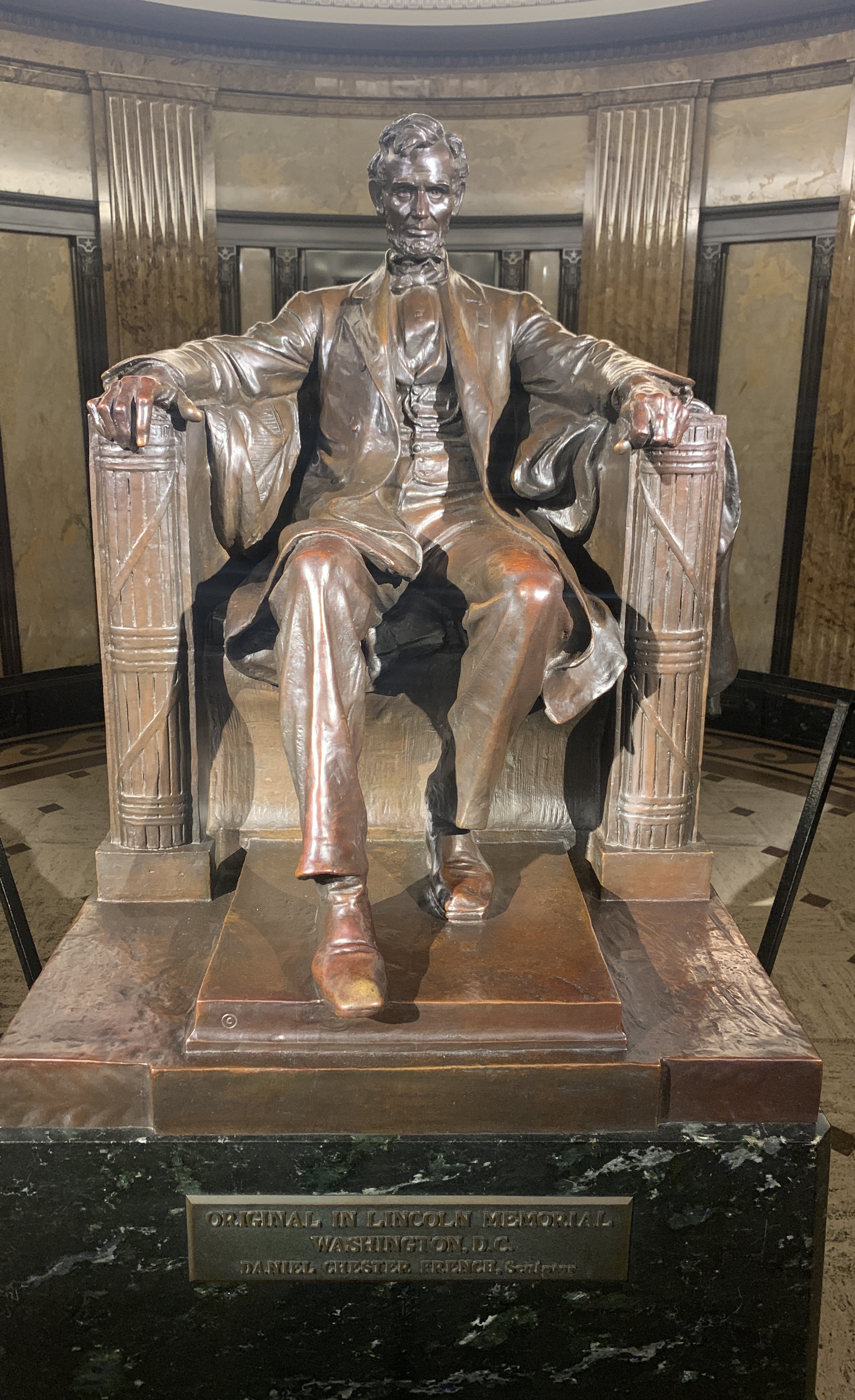
I spent the July 4th weekend celebrating America’s 250th anniversary in the best possible way: touring Springfield, Illinois, and all things Abraham Lincoln, our greatest American president. If you want to feel more hopeful about America, more girded against the inclination to give into doomsaying, Lincoln is your salve. Unashamedly, when I visited Lincoln’s tomb, I was teary-eyed, thinking about America during Lincoln’s time, and America during our time, the weight of it all. And that I think is the magic and power of history: to elucidate those throughlines and to use history to find a footing in the present.
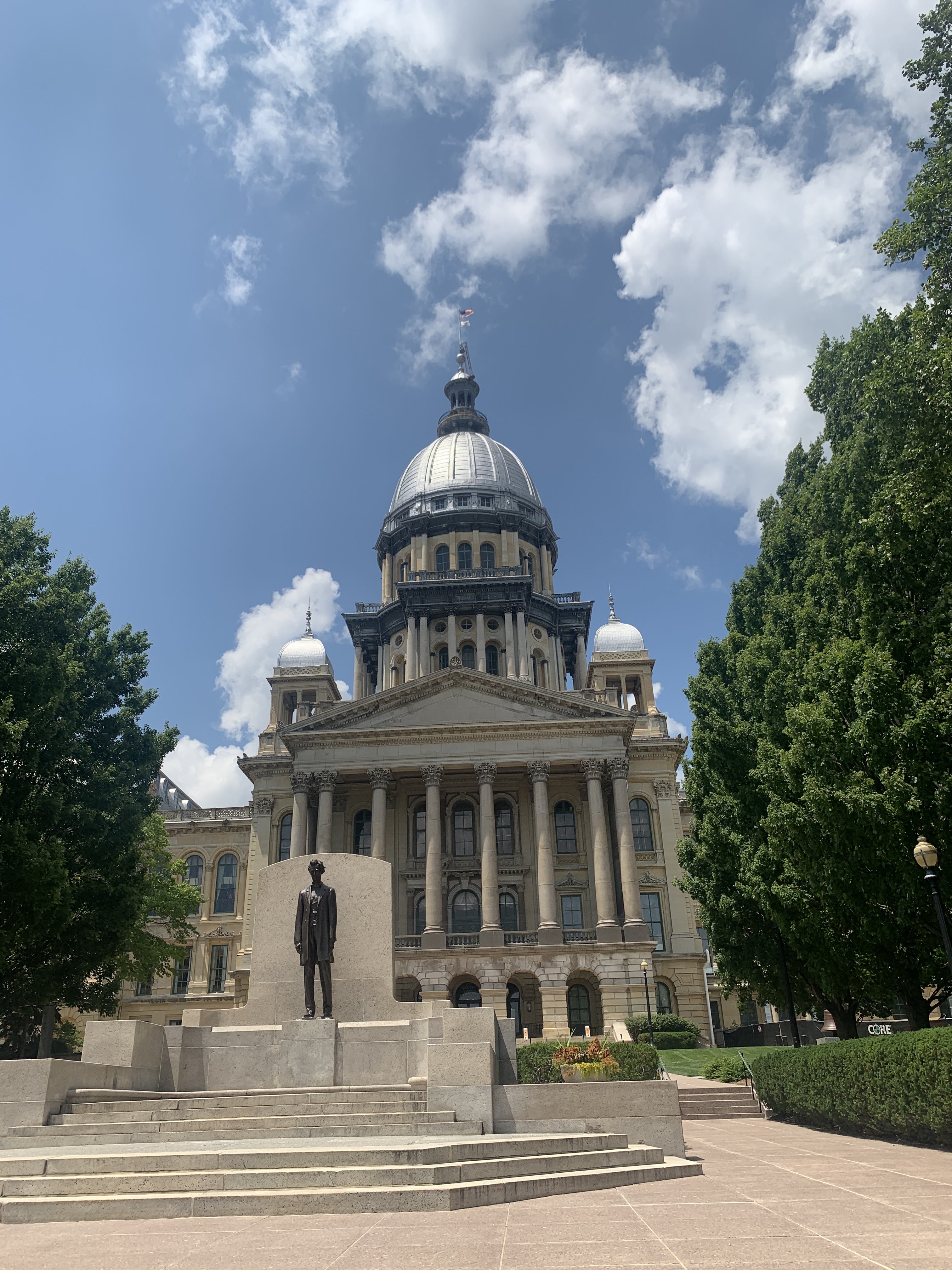
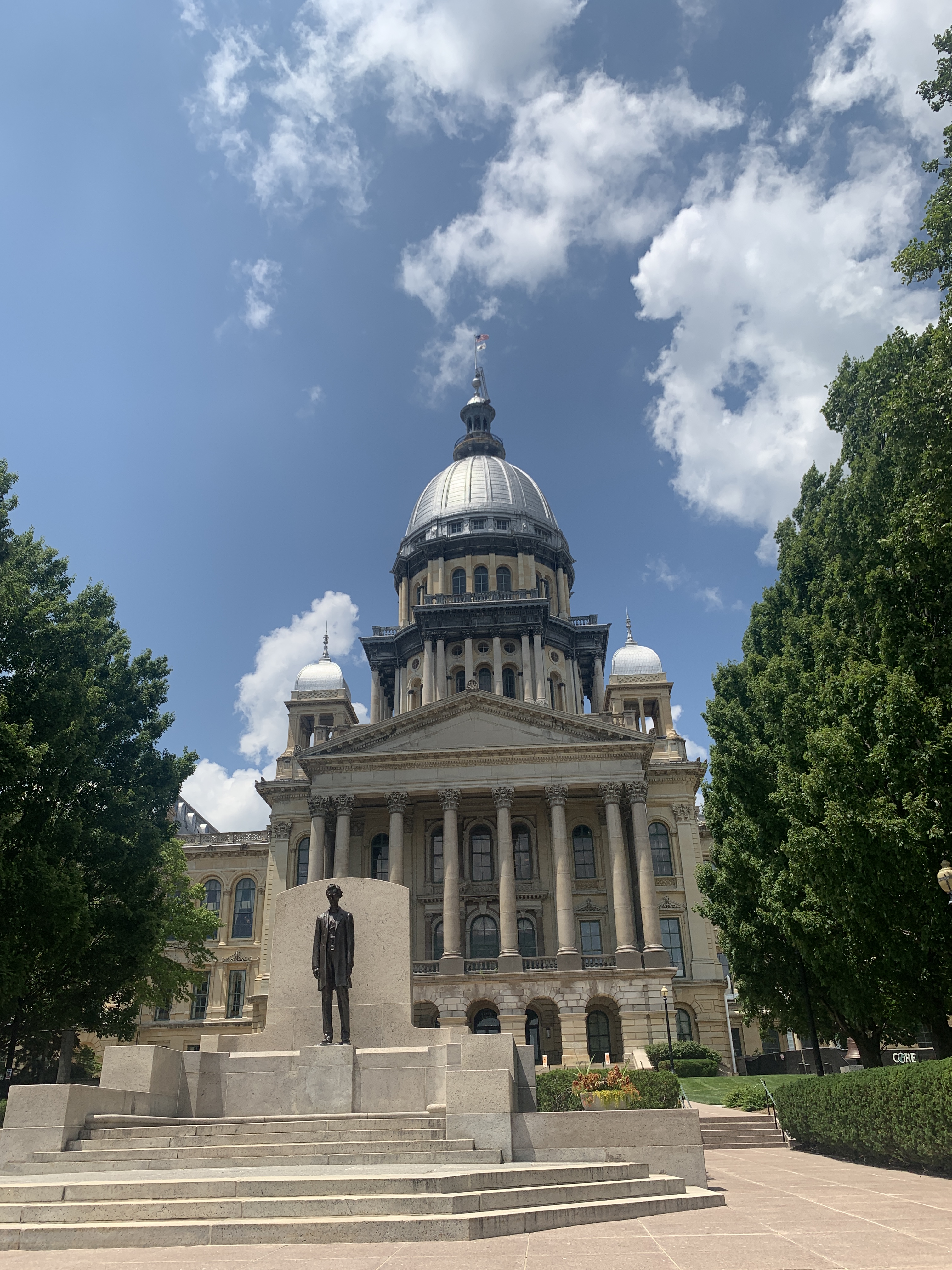
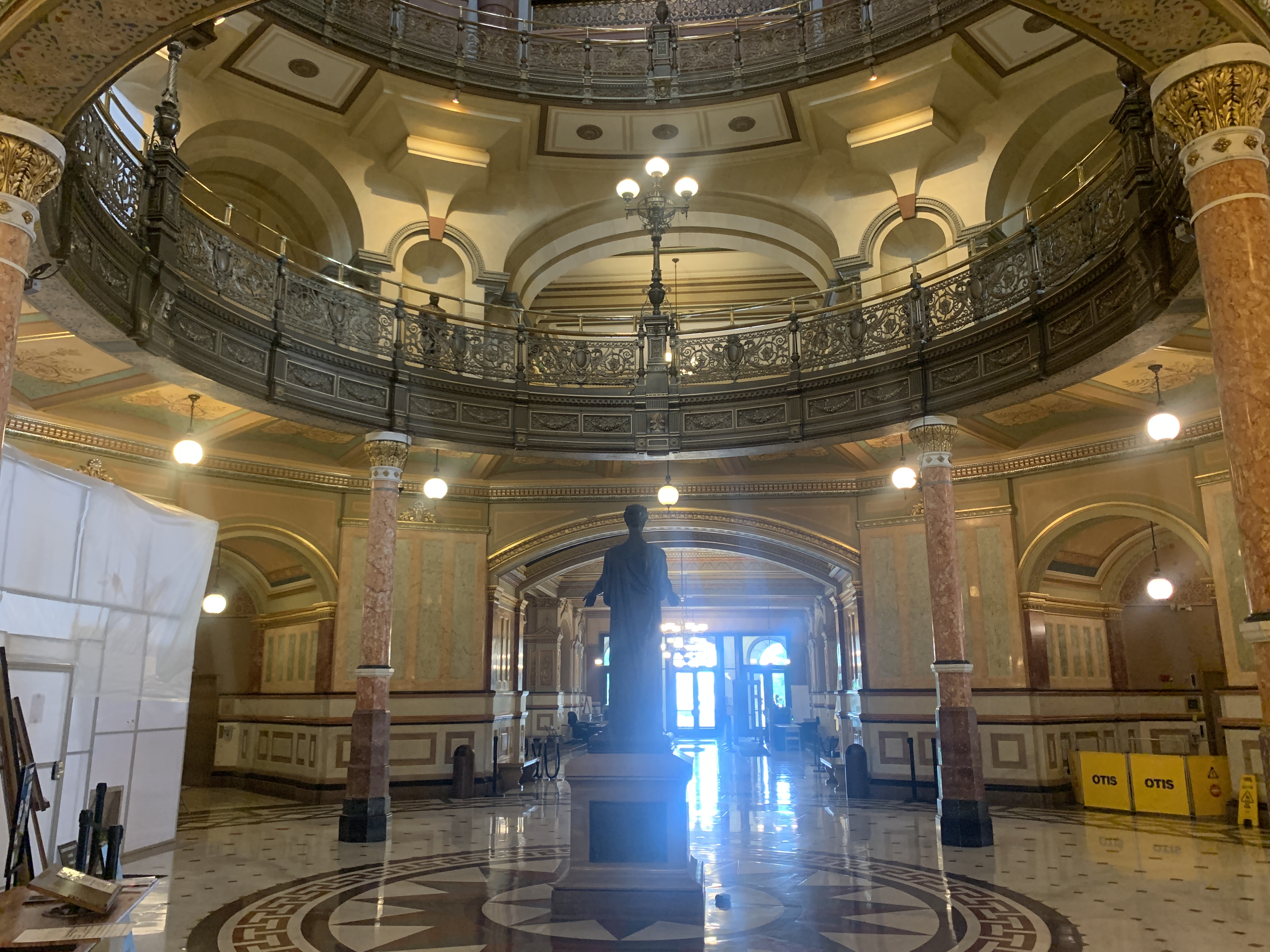
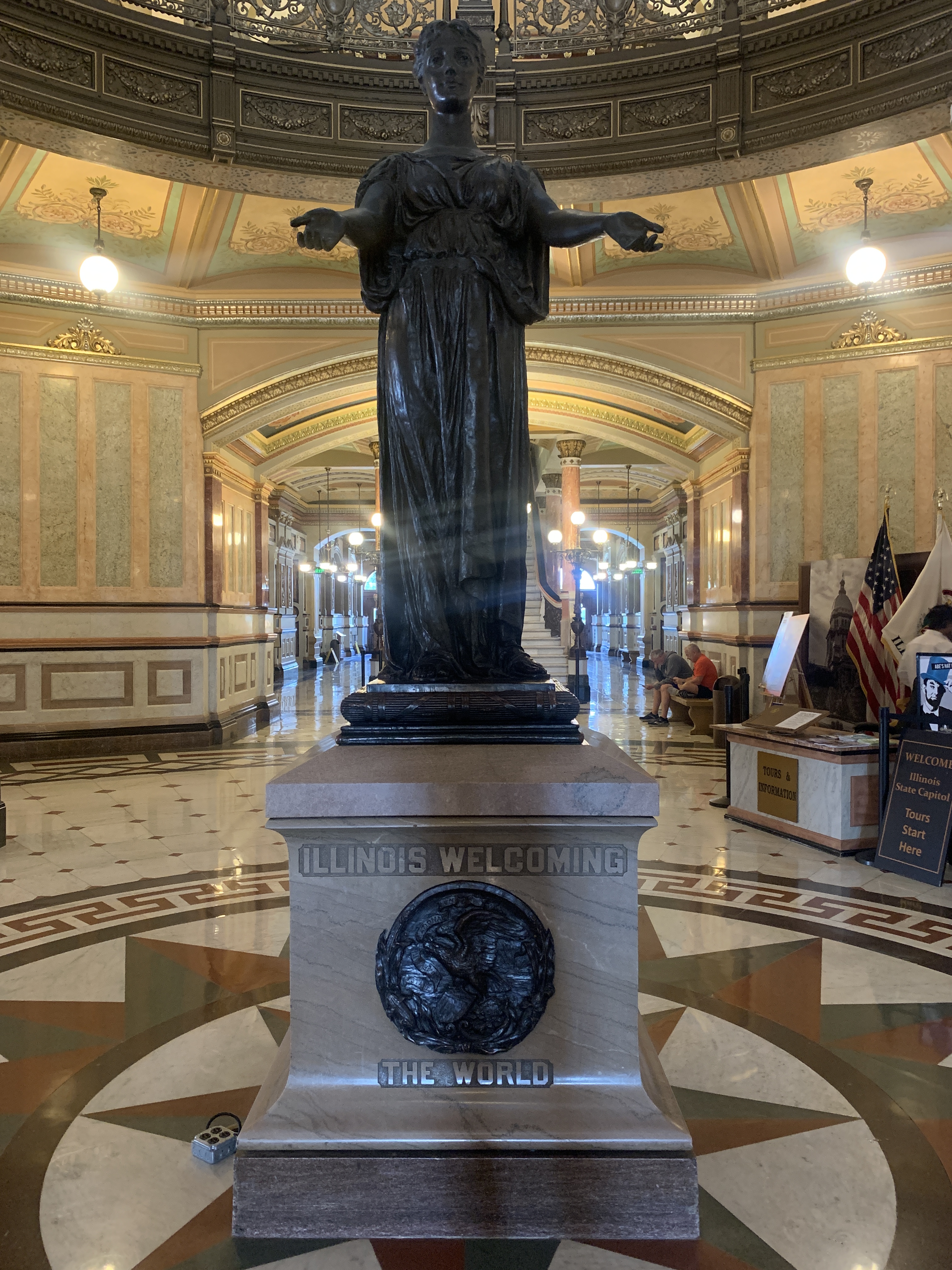
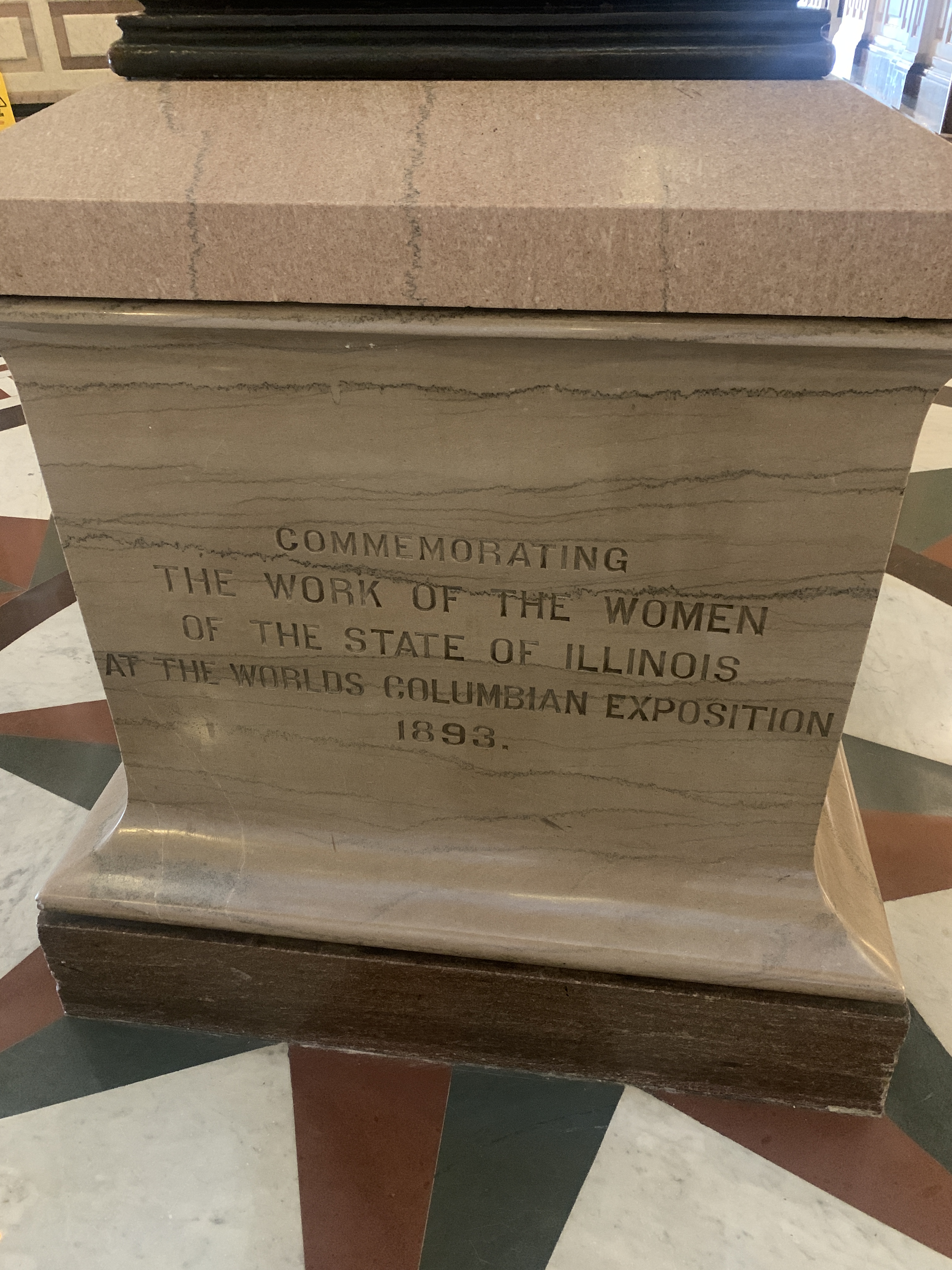
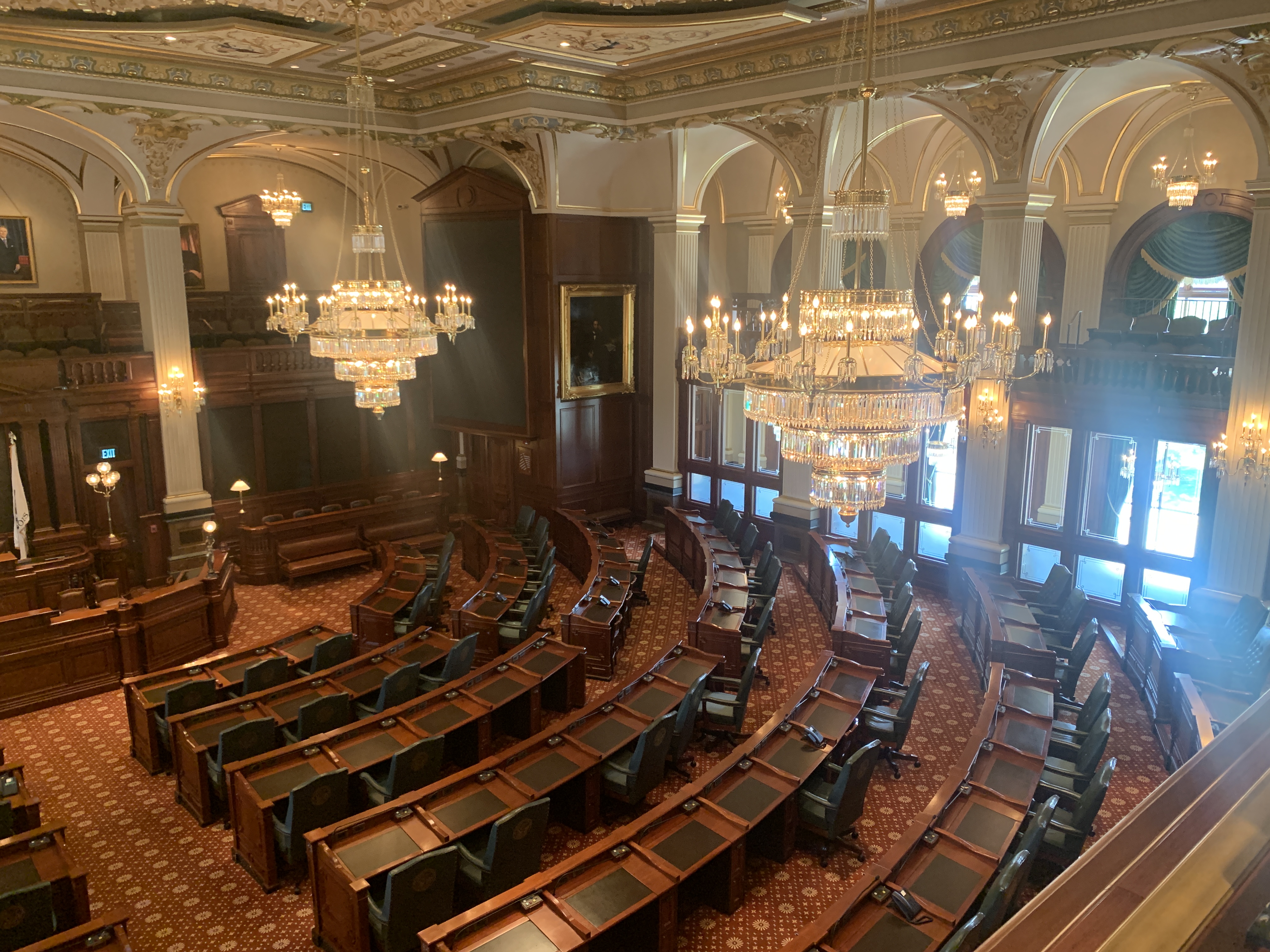
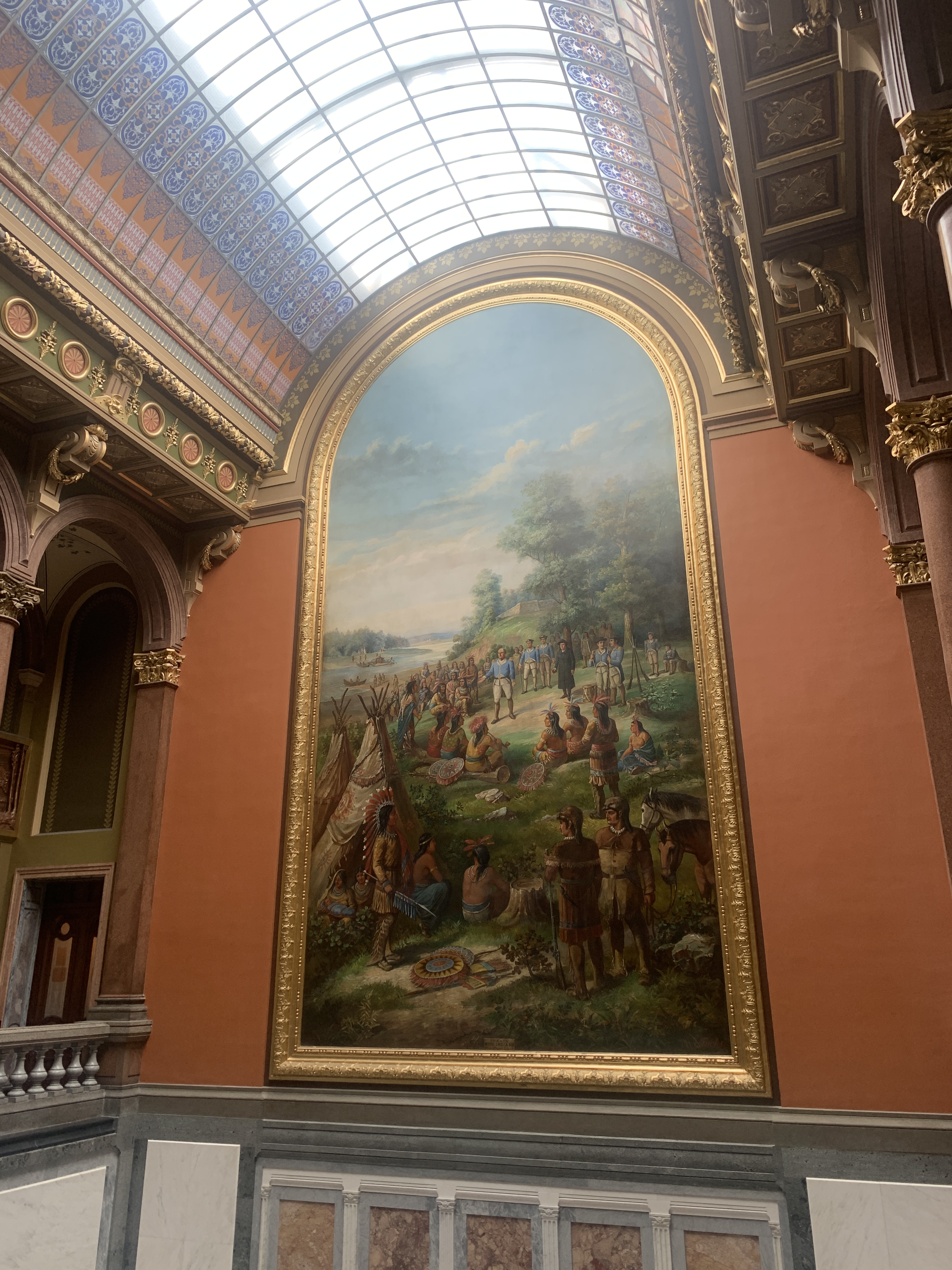
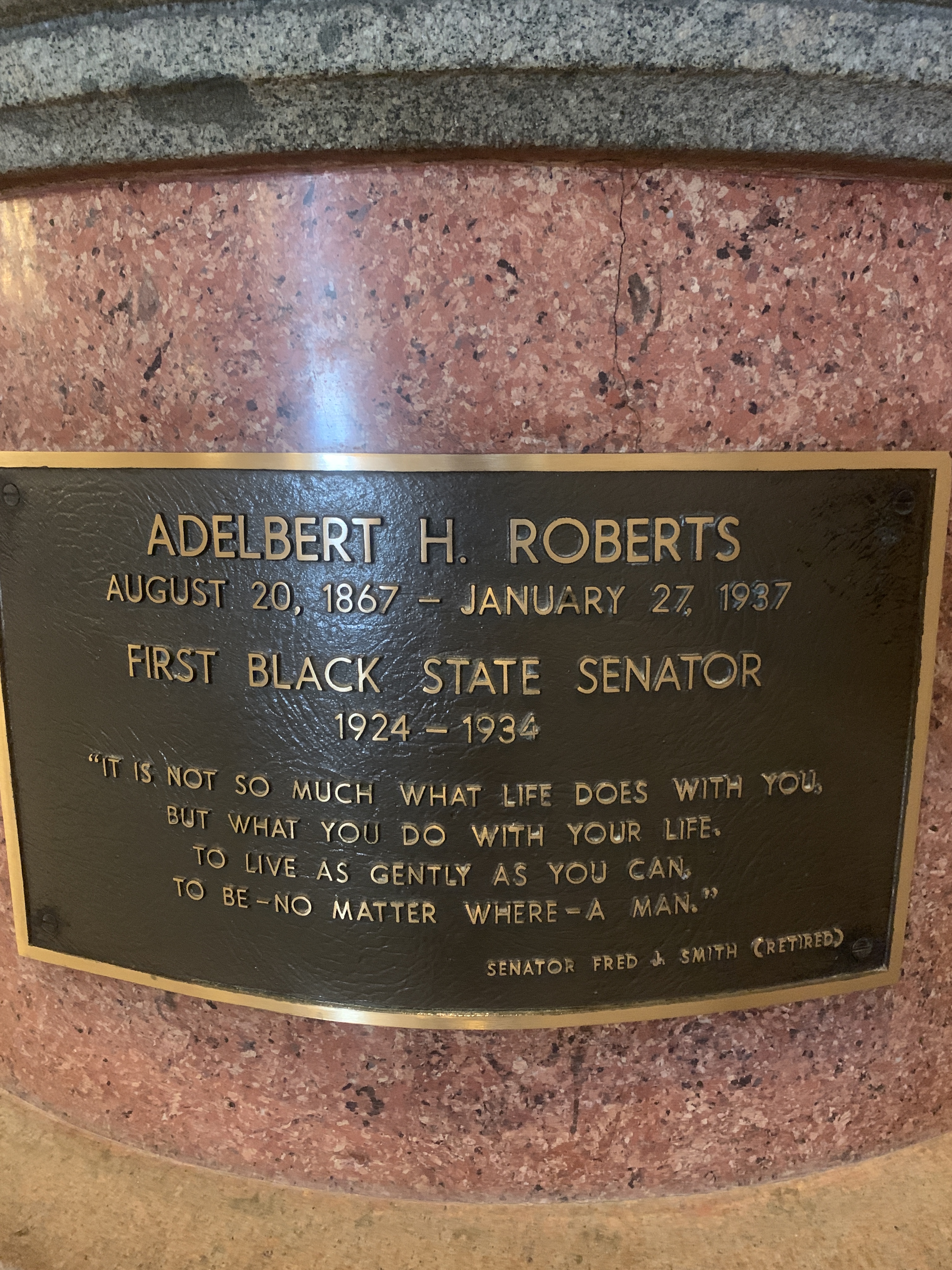
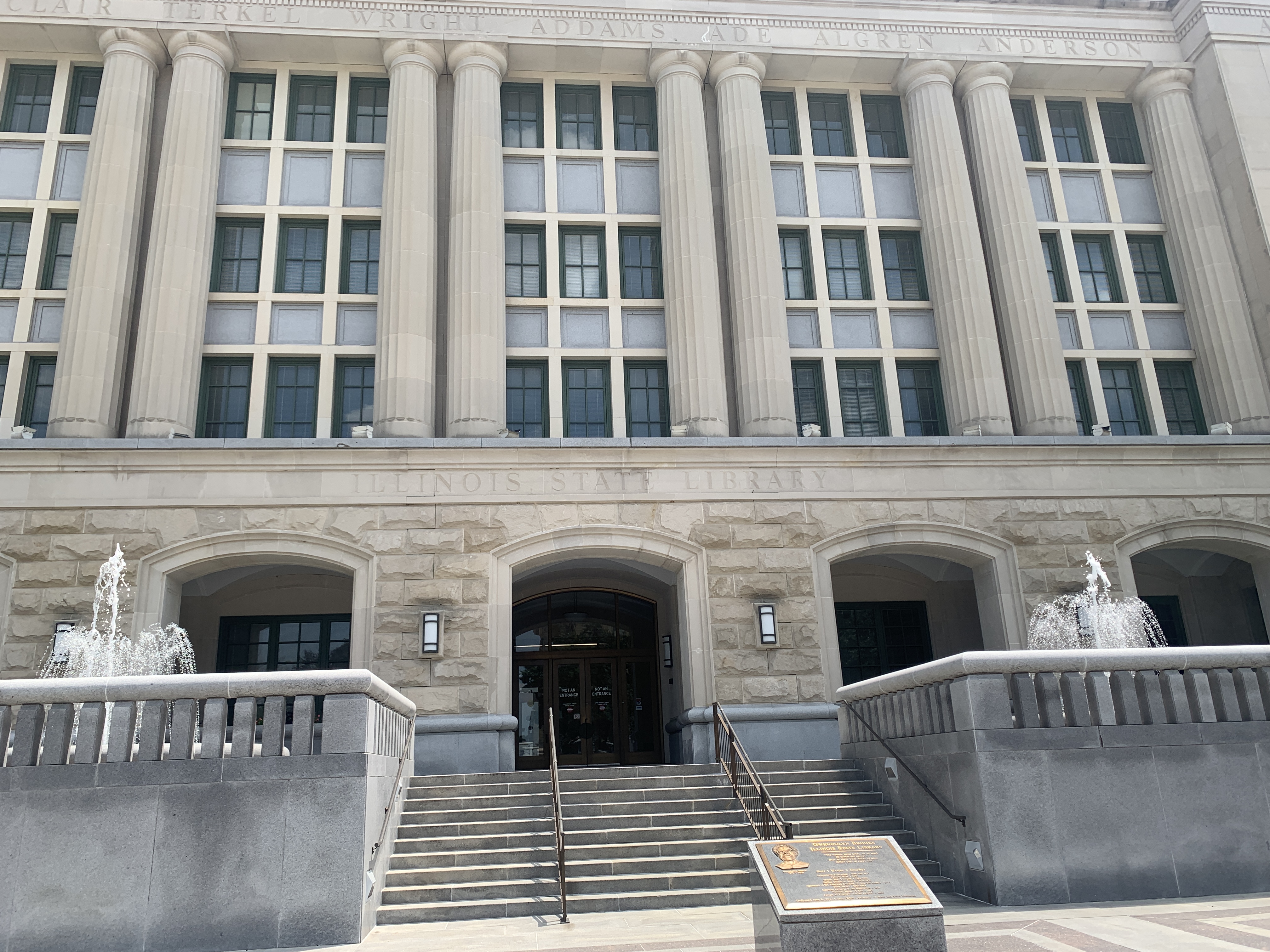
But of course, my first stop was one of the coffee places I had on my list, Custom Cup Coffee. I had a scrumptious lemon cake cookie and a delicious caramel latte. That provided the right amount of refueling before heading on to what I thought was going to be Lincoln’s Tomb. Instead, I stumbled into taking a tour of the Illinois State Capitol (not to be confused with the Old Capitol Building, which I didn’t get to tour, unfortunately). Quite literally. I realized it was on the way to the Lincoln Tomb, parked, and walked over, where I took pictures of the outside and then followed this couple to the front of the building where I was asked by security if I was here for a tour. I suppose I was! What a beautiful building. While not the State Capitol Lincoln would have been at as an Illinois Senator, it was the building future President Barack Obama worked at as a Senator. I particularly liked the statue under the dome inside that states, “Illinois Welcoming the World.” Because that is one of the most American credos we have. But also on the stone supporting the statue was engraved, “Commemorating the work of the women of the State of Illinois at the Worlds Columbian Exposition 1893,” which tickled me having just read Erik Larson’s book, The Devil in the White City.
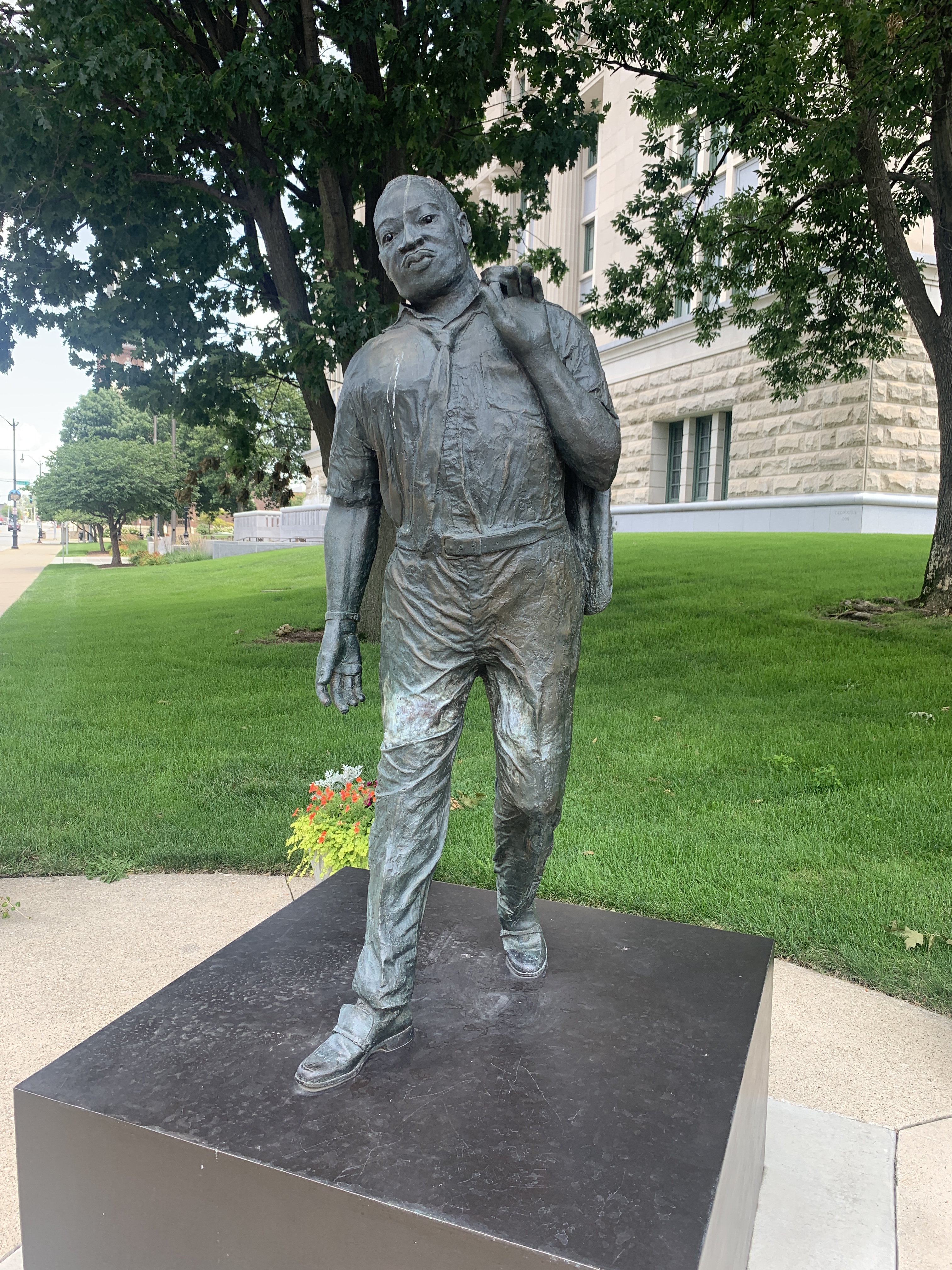
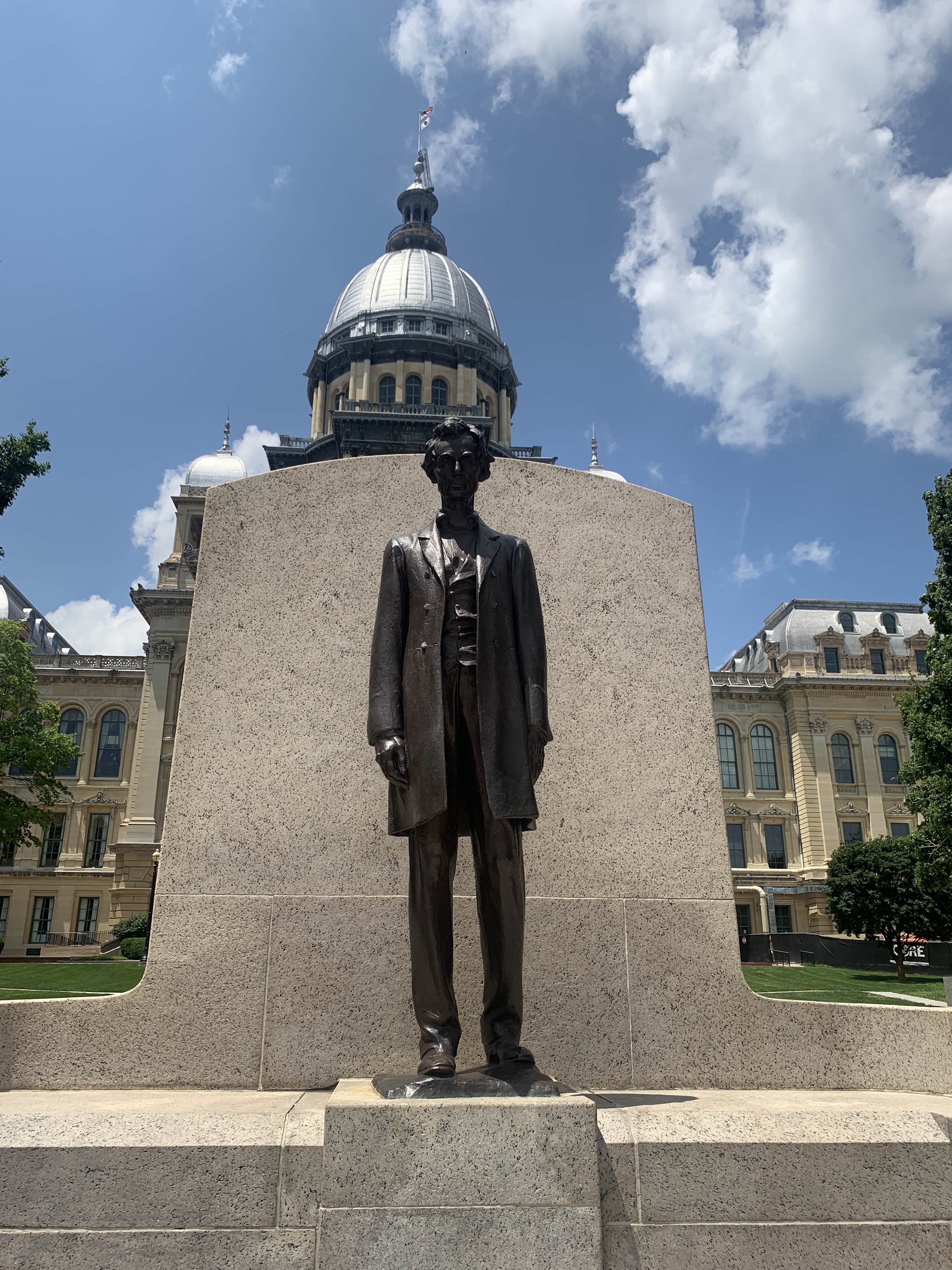
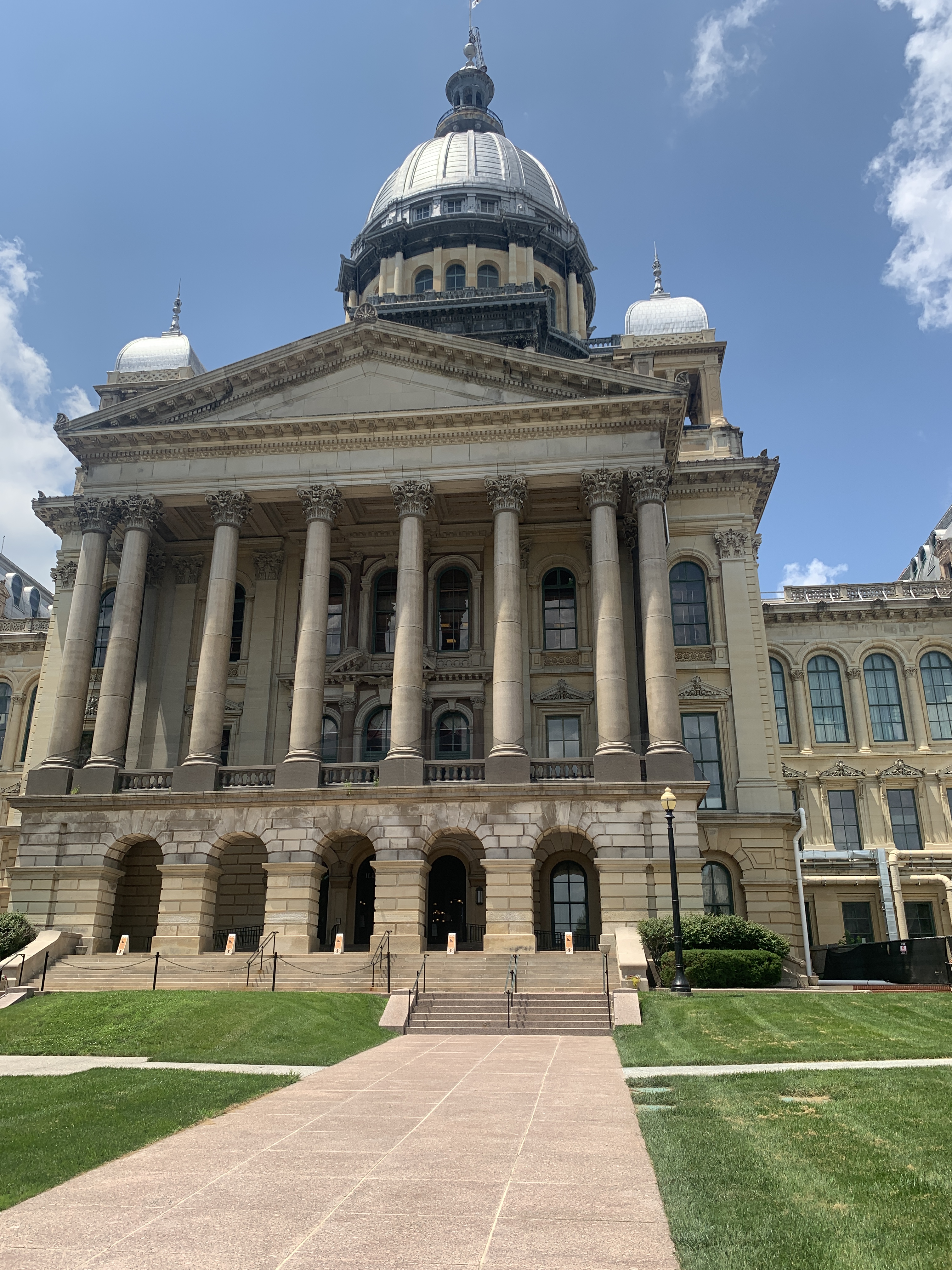
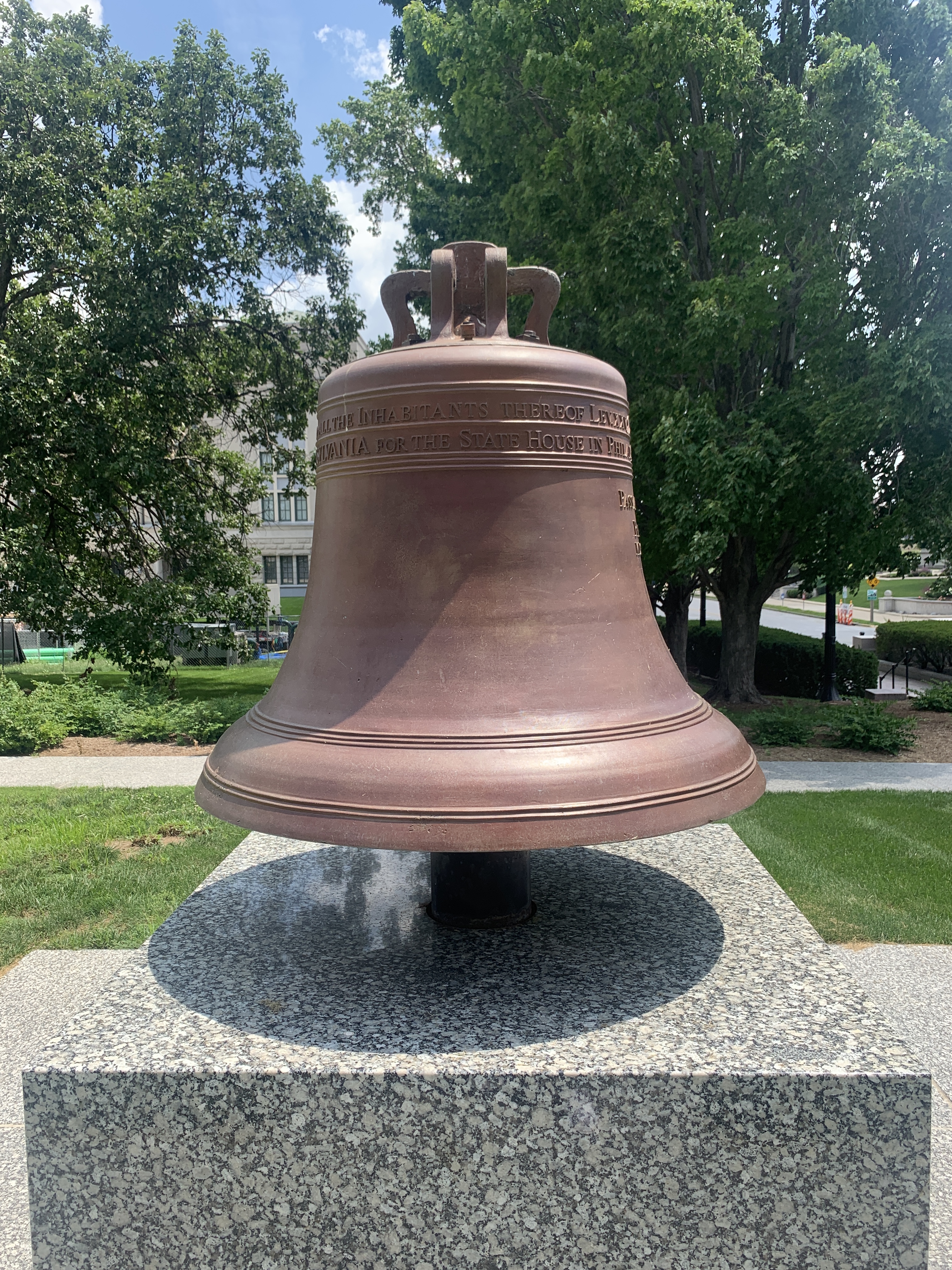
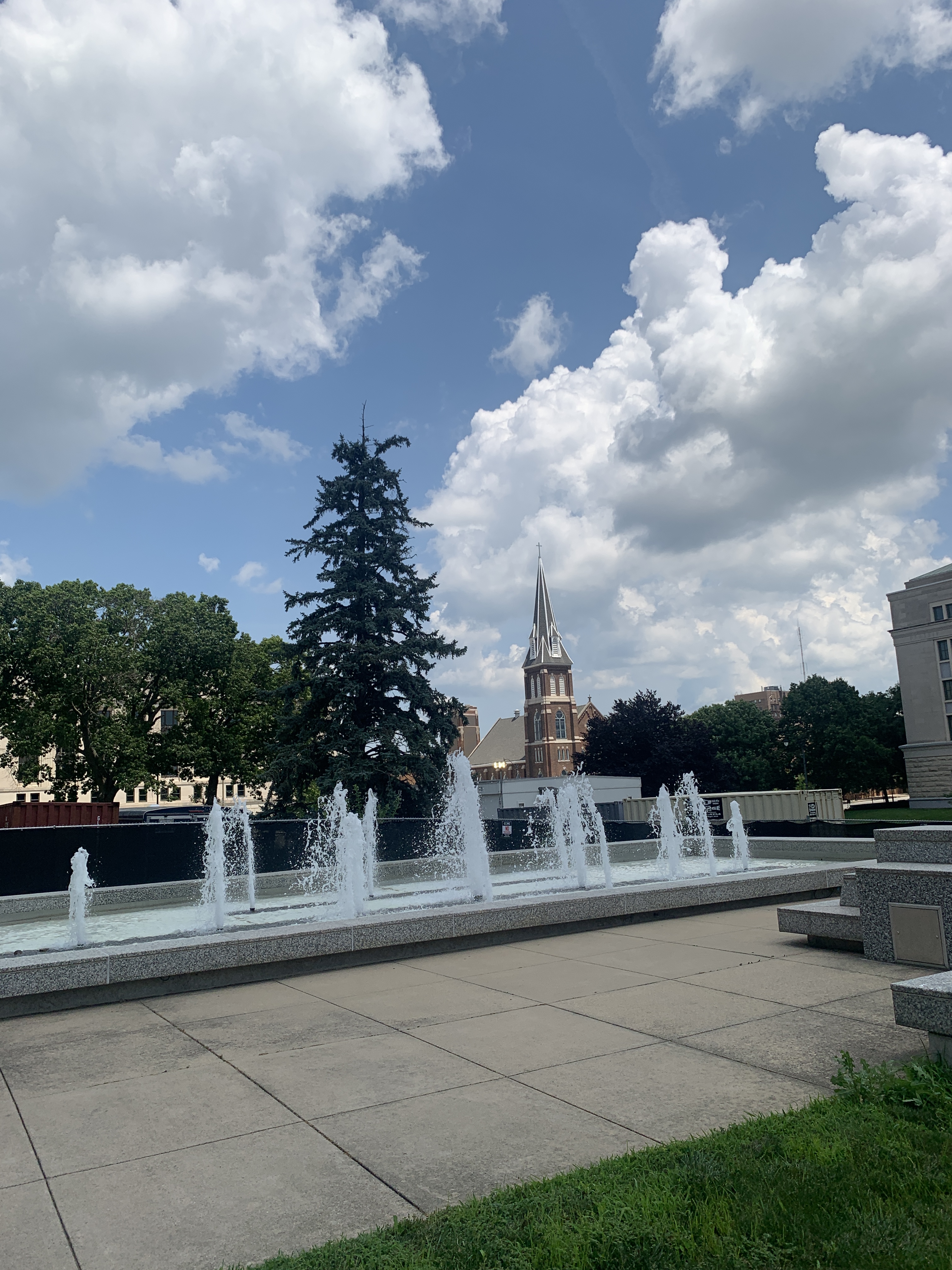
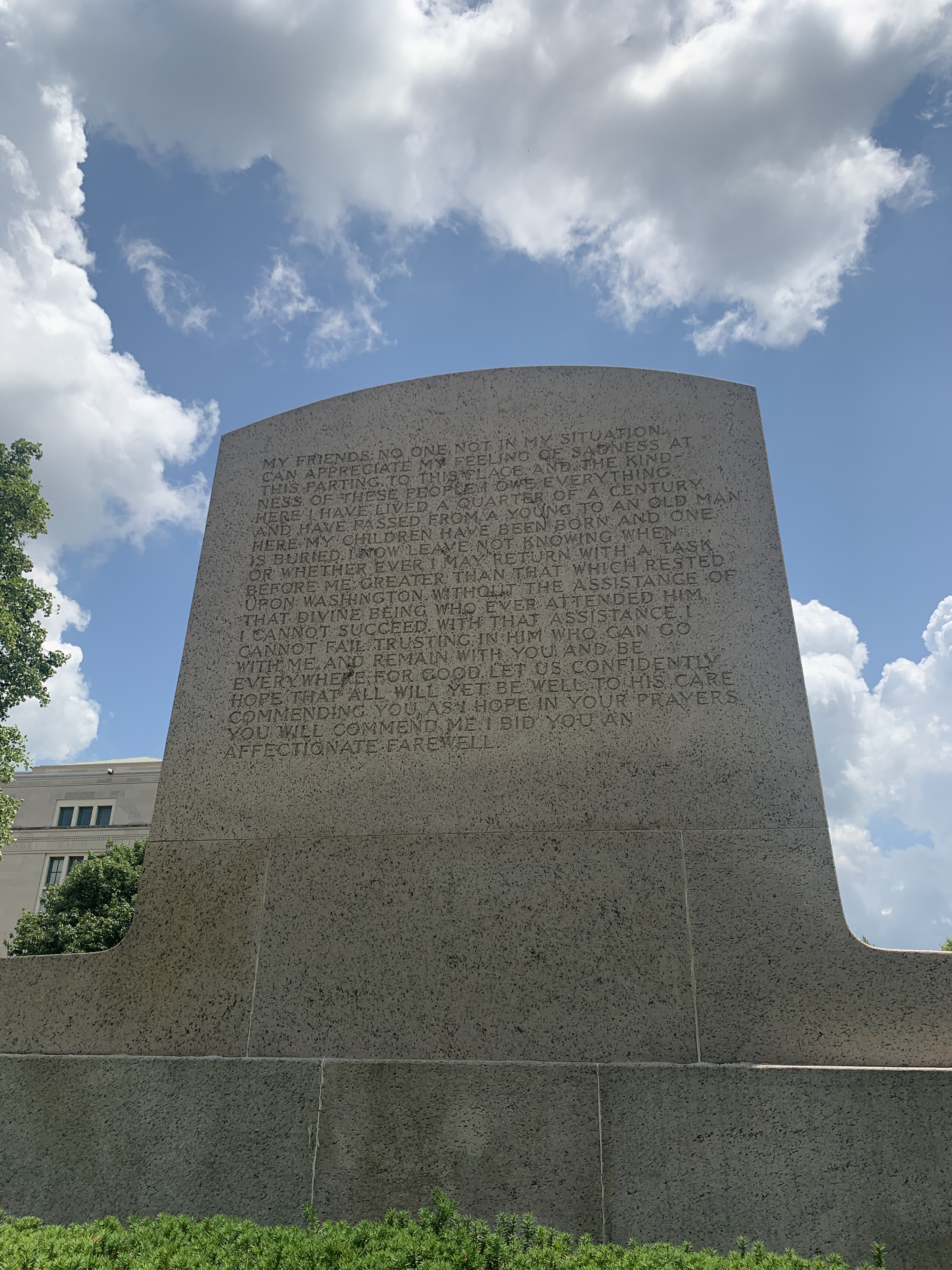
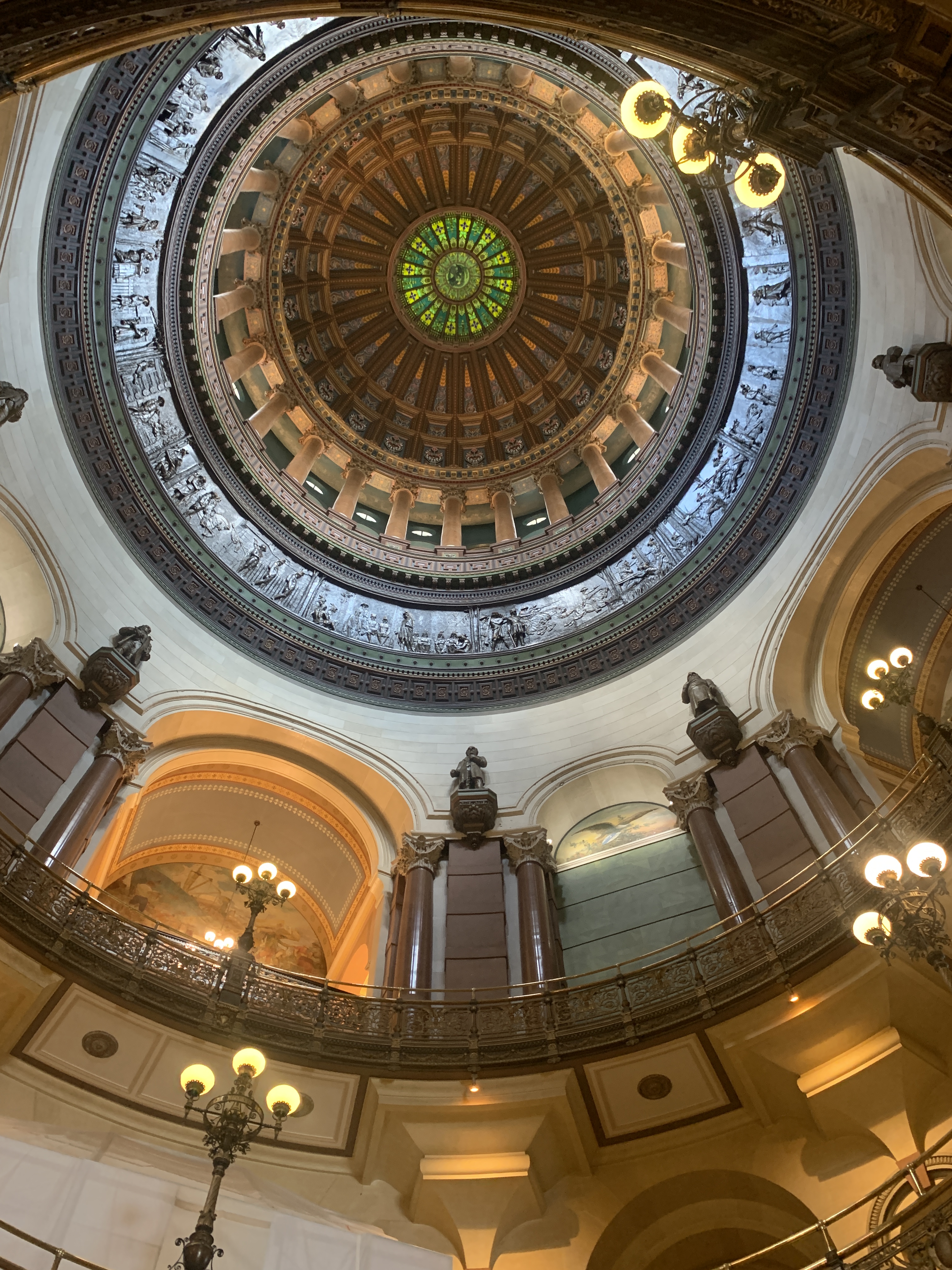
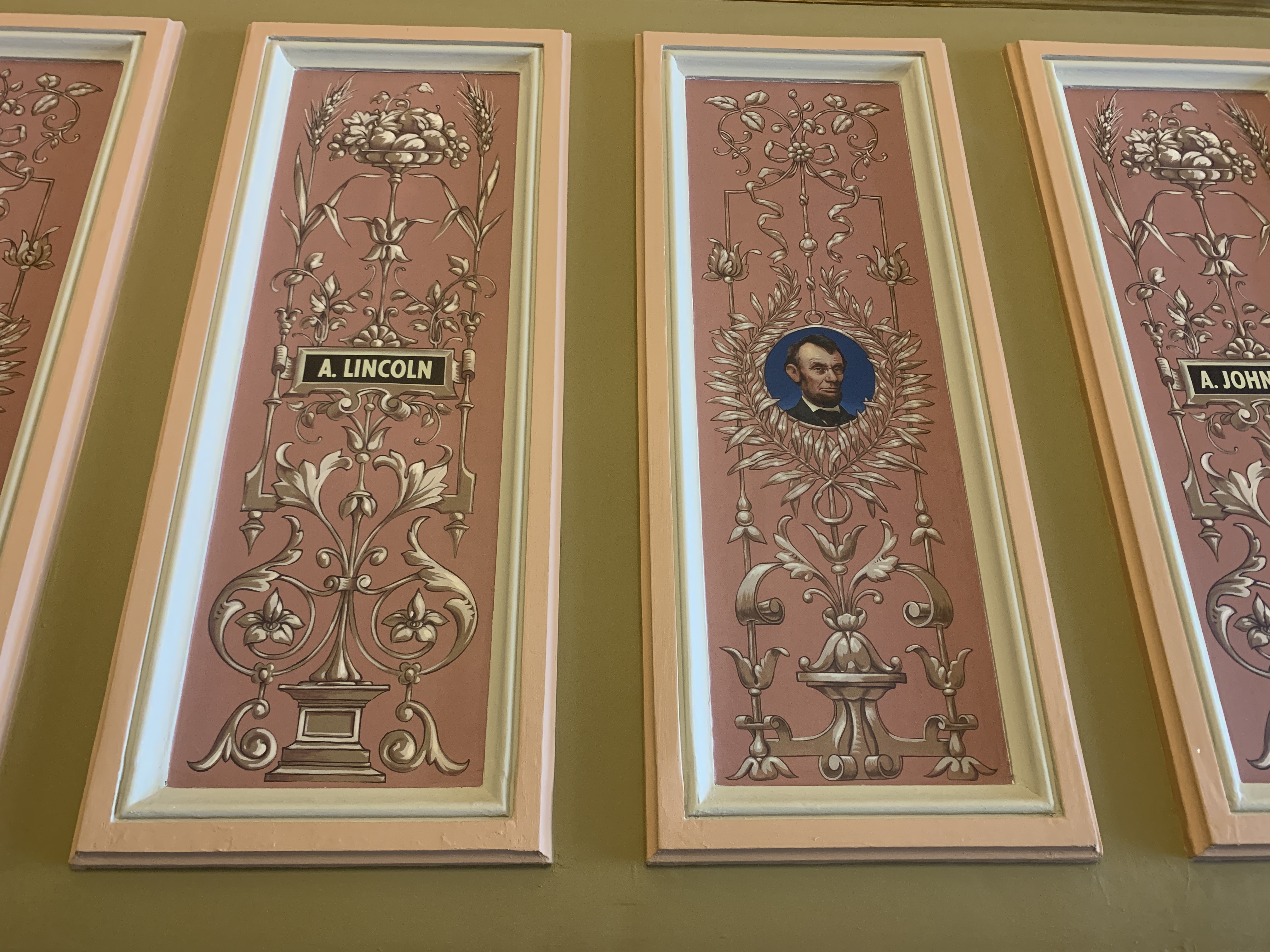
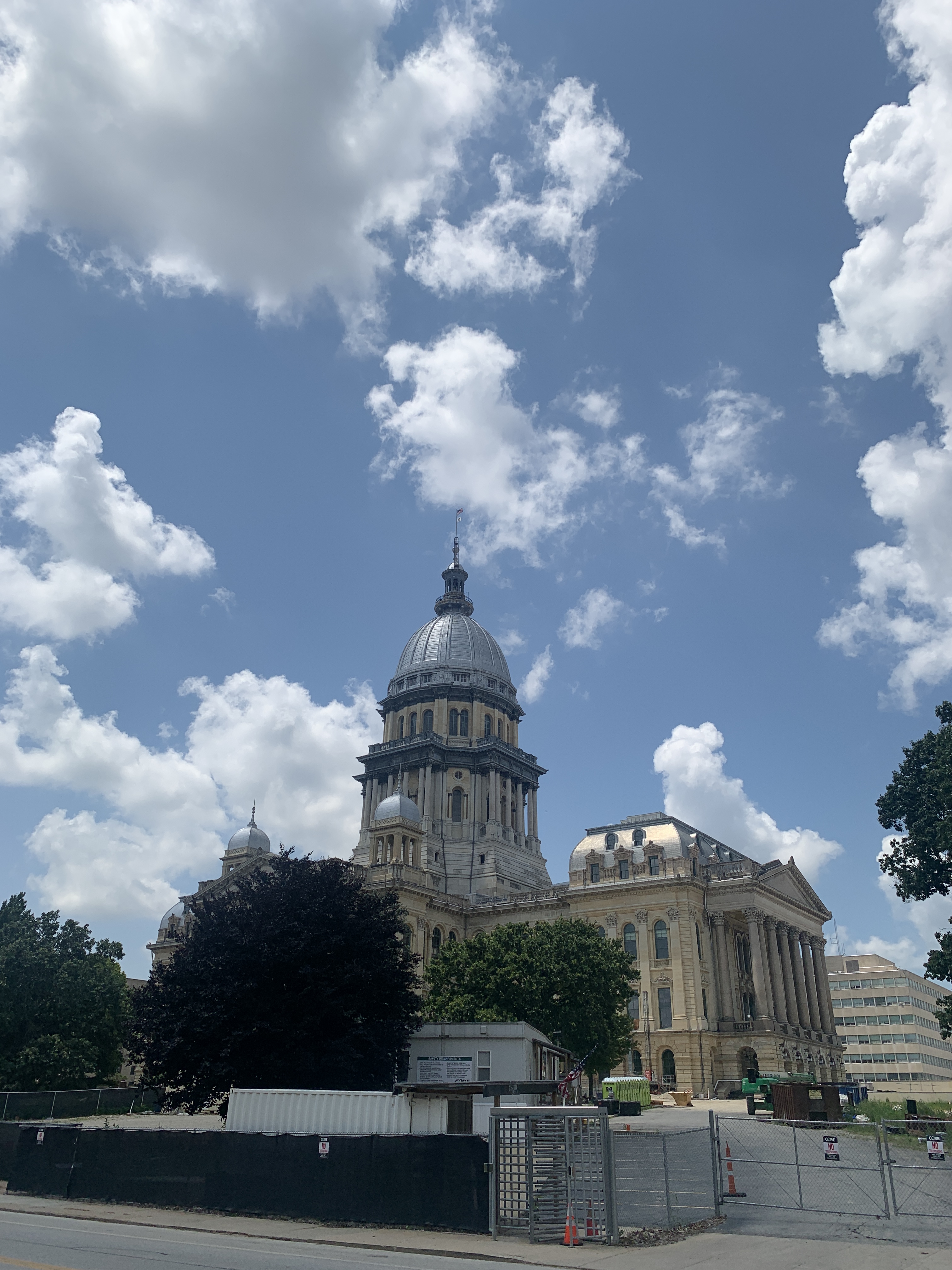
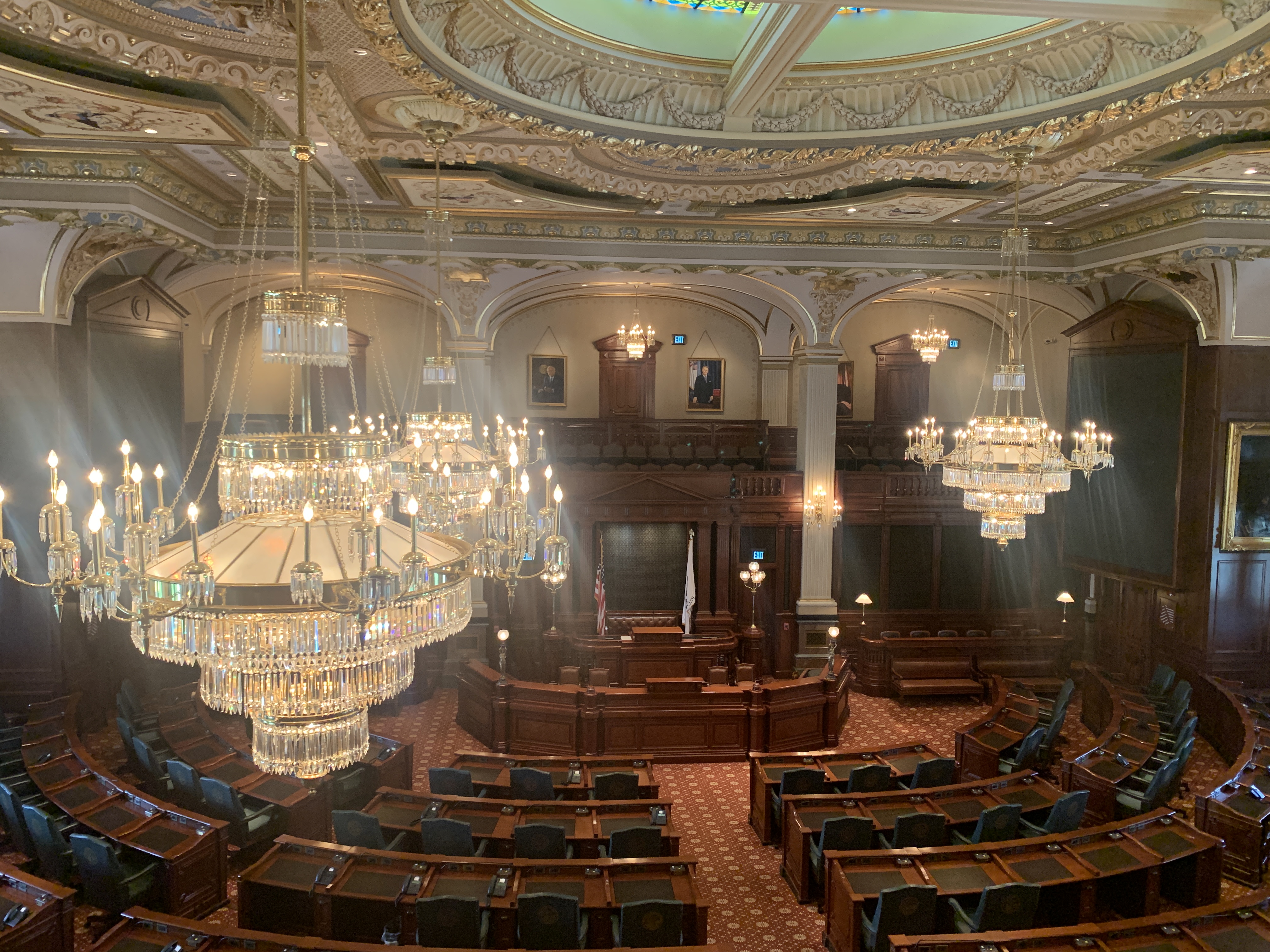
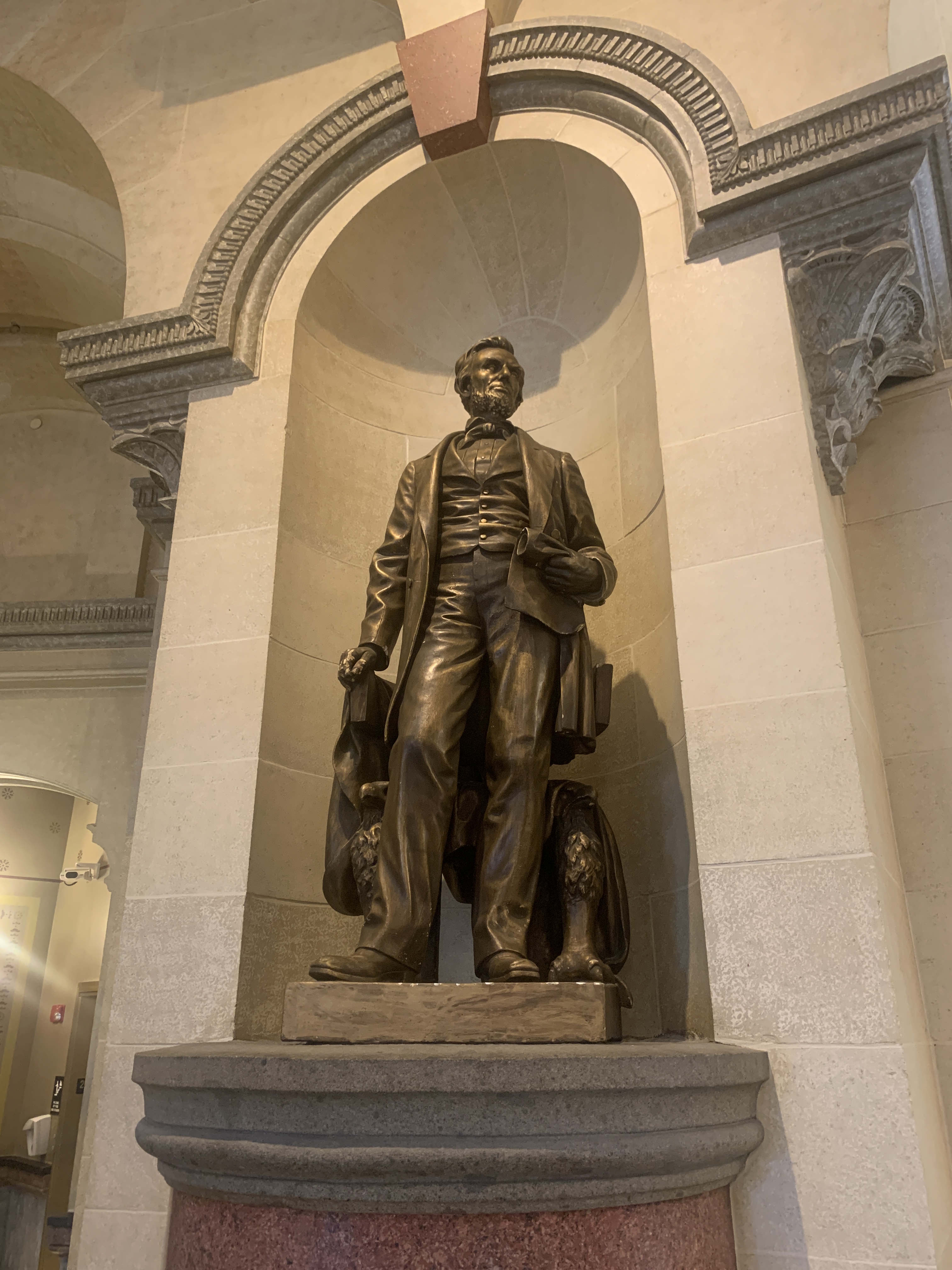
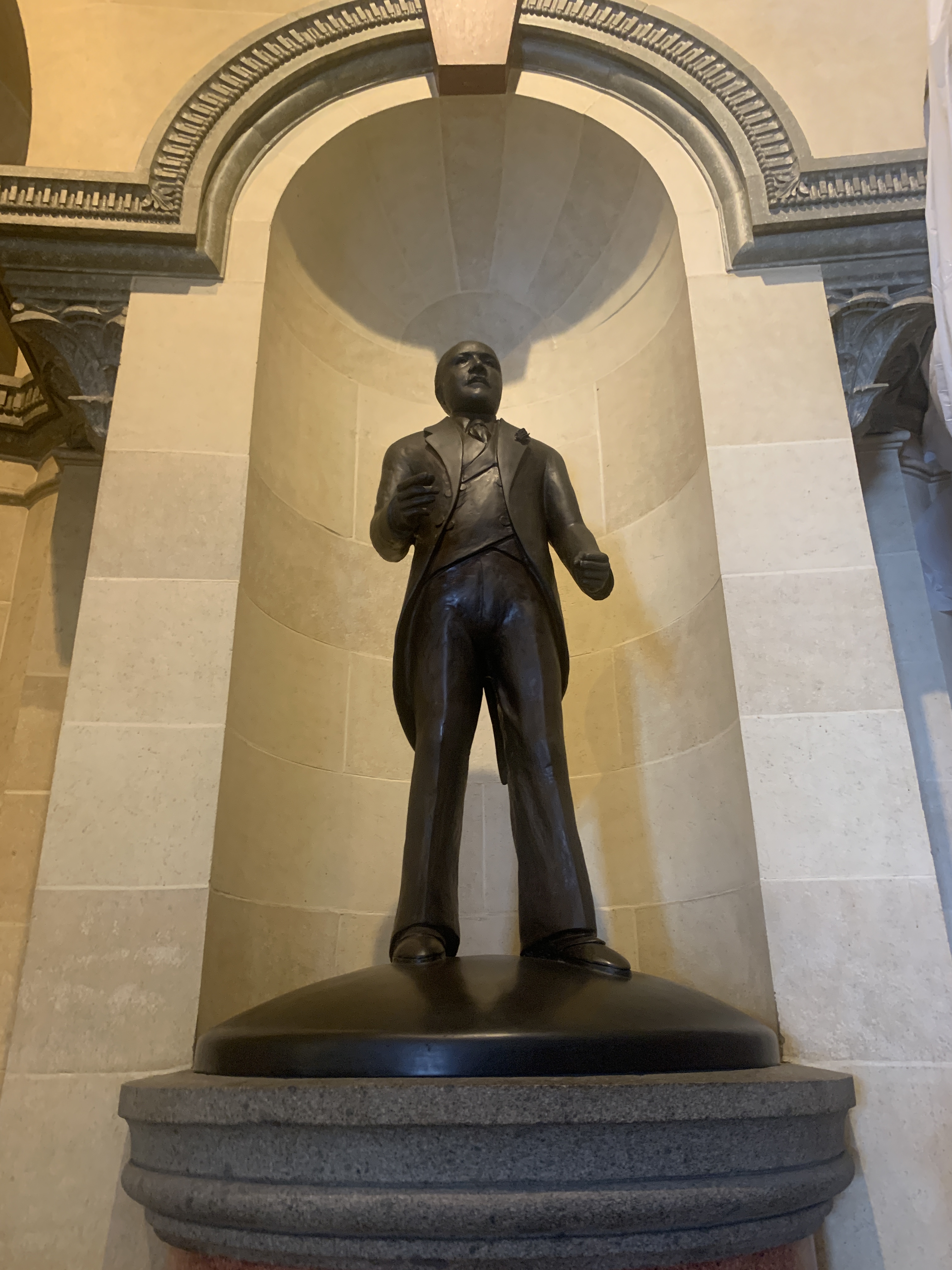
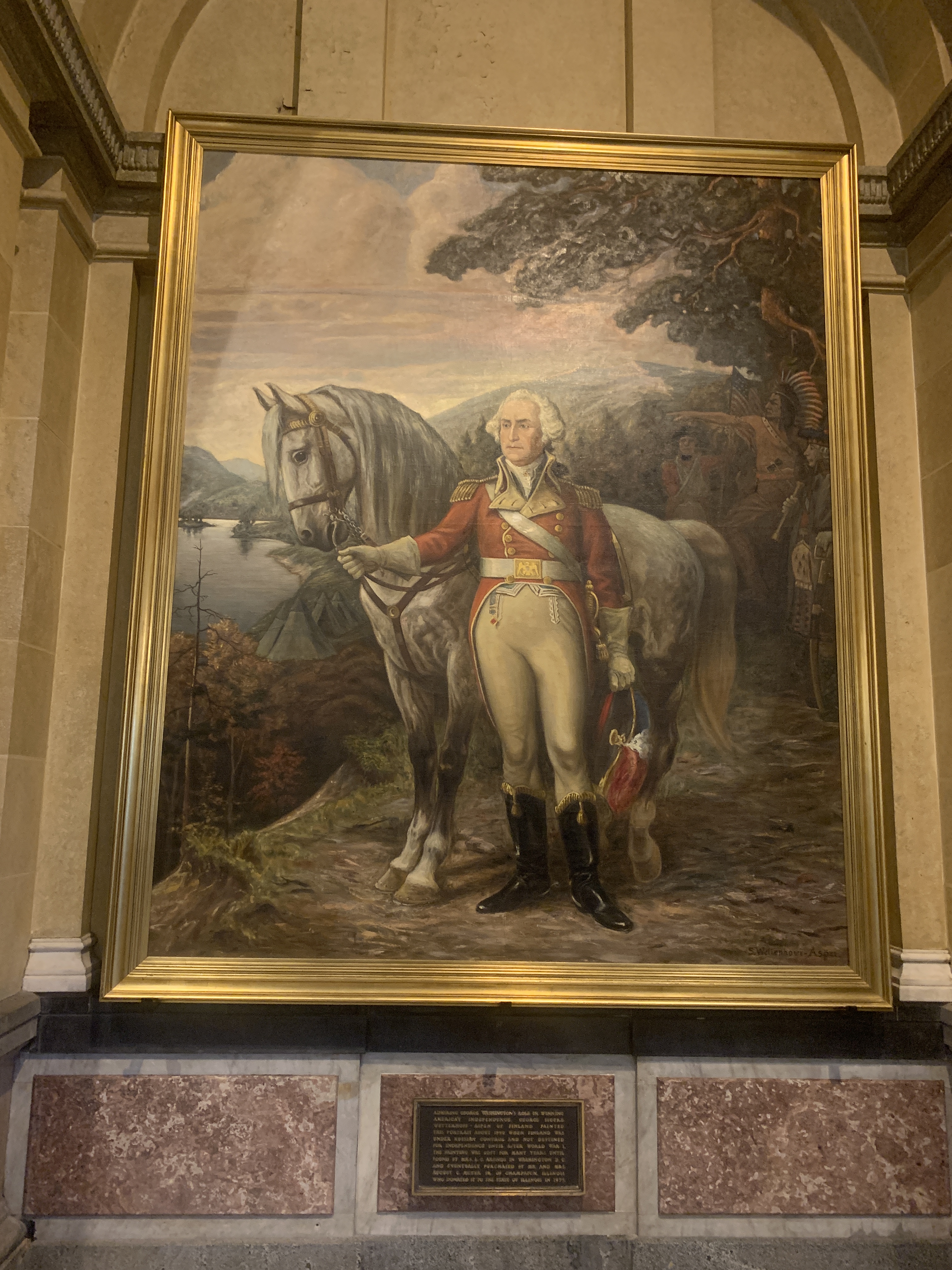
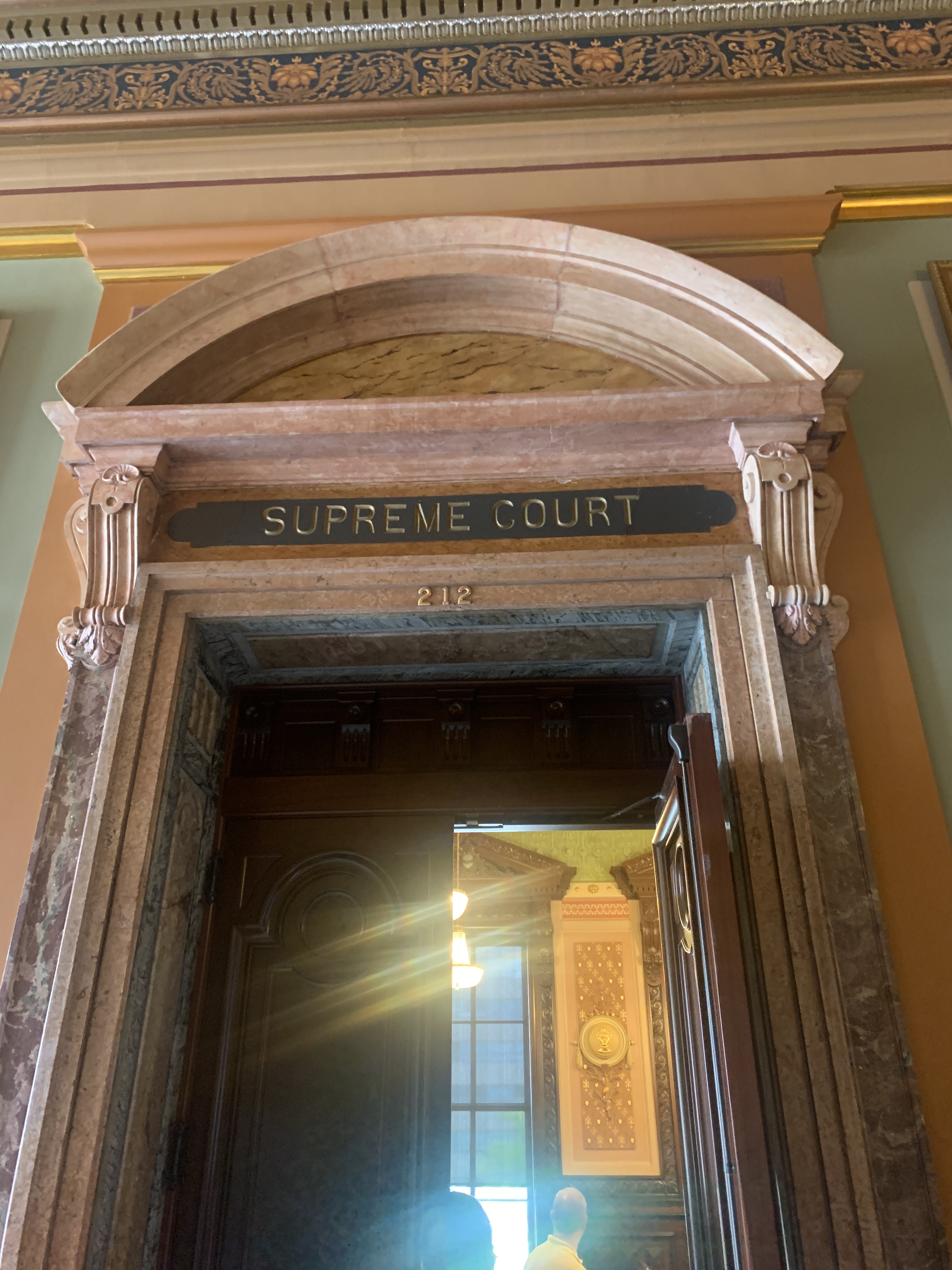
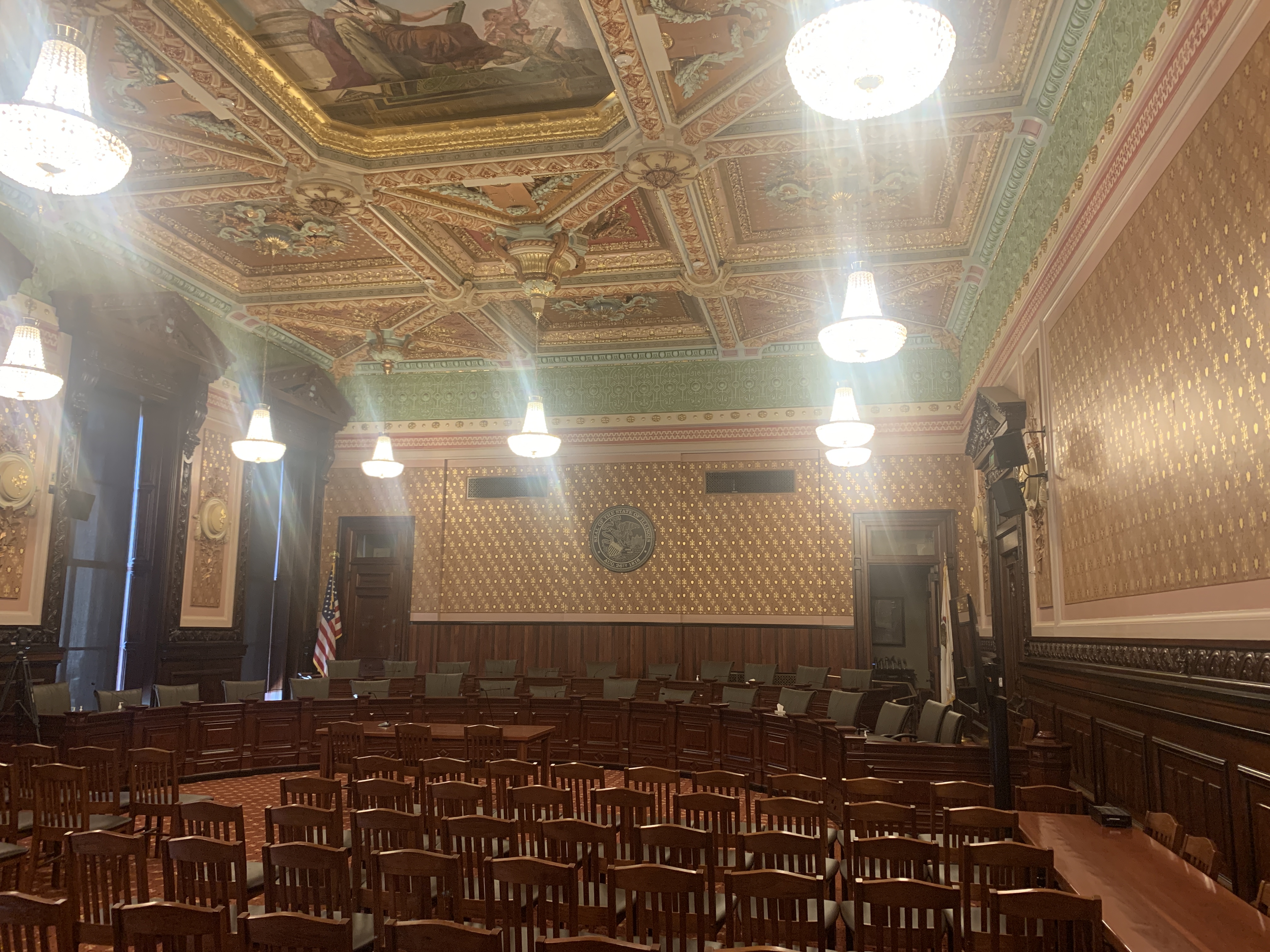
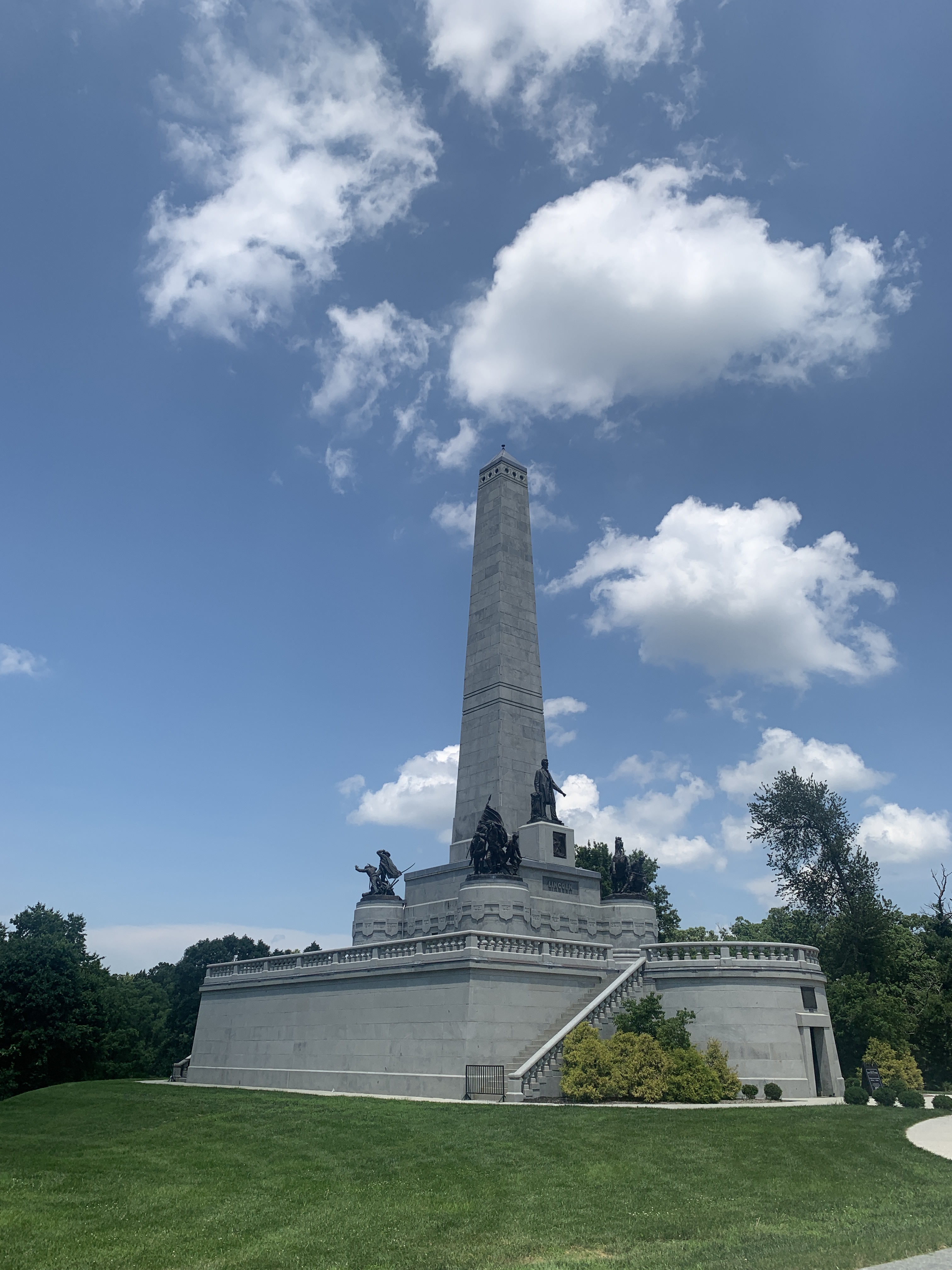
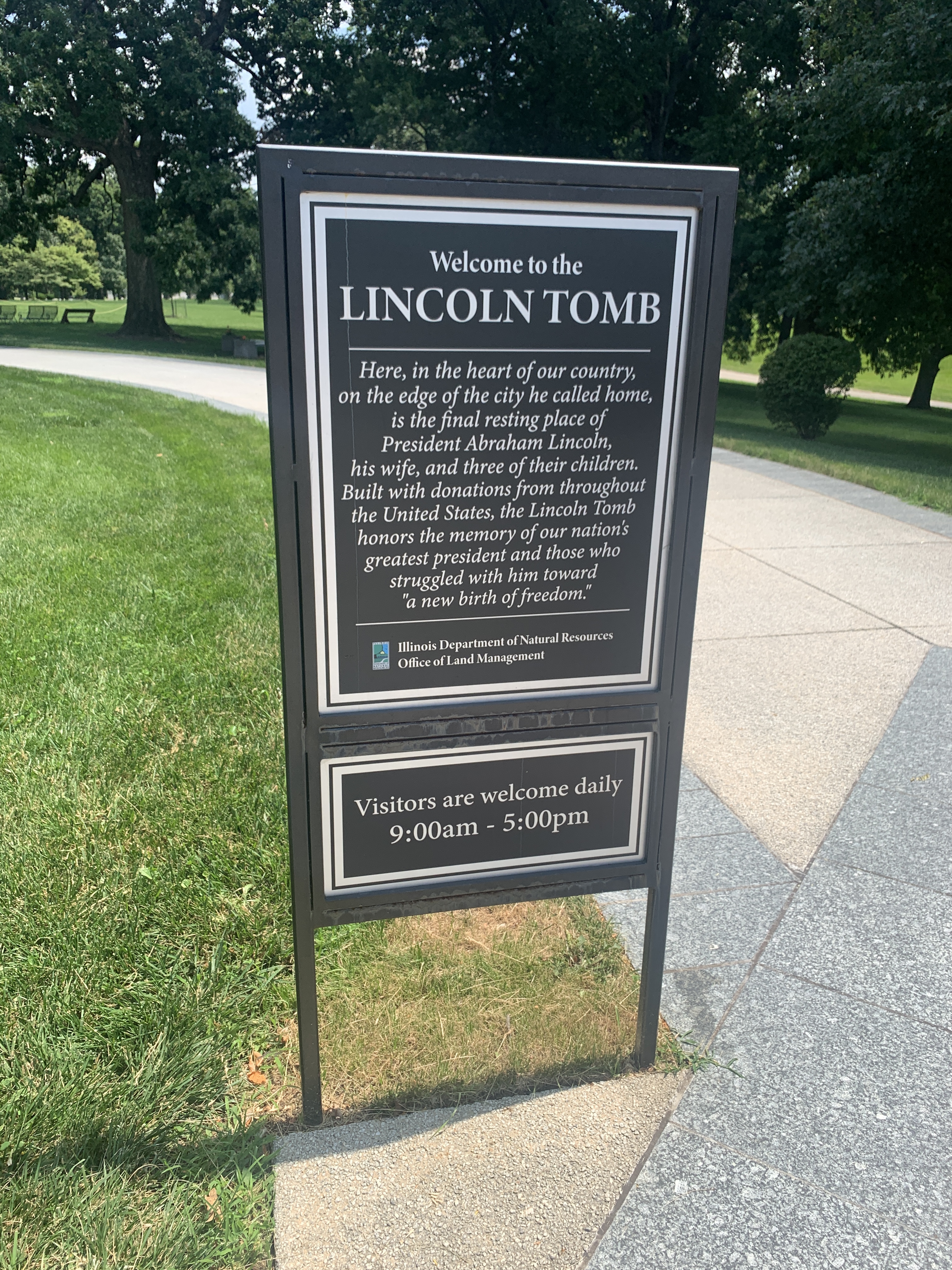
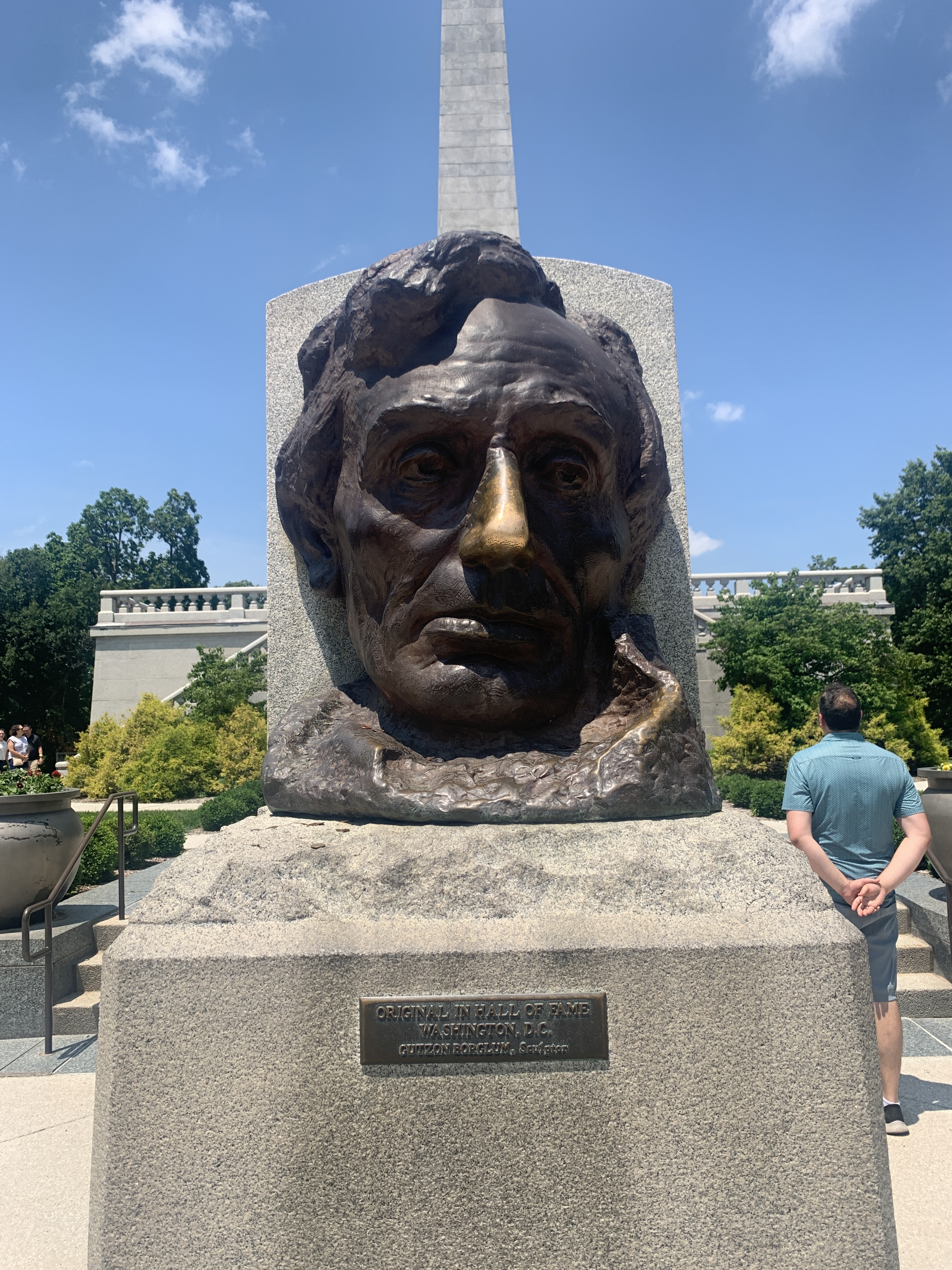
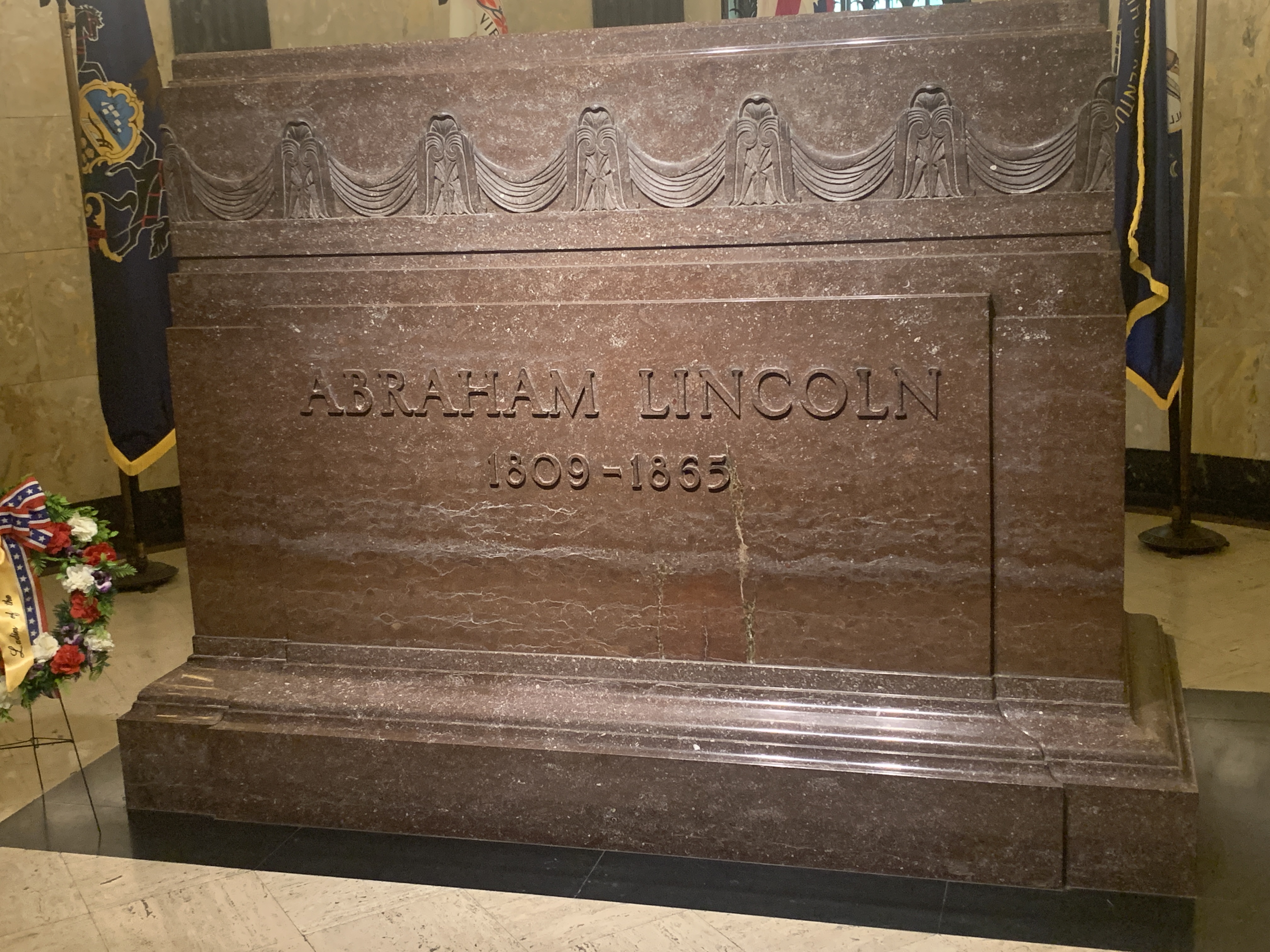
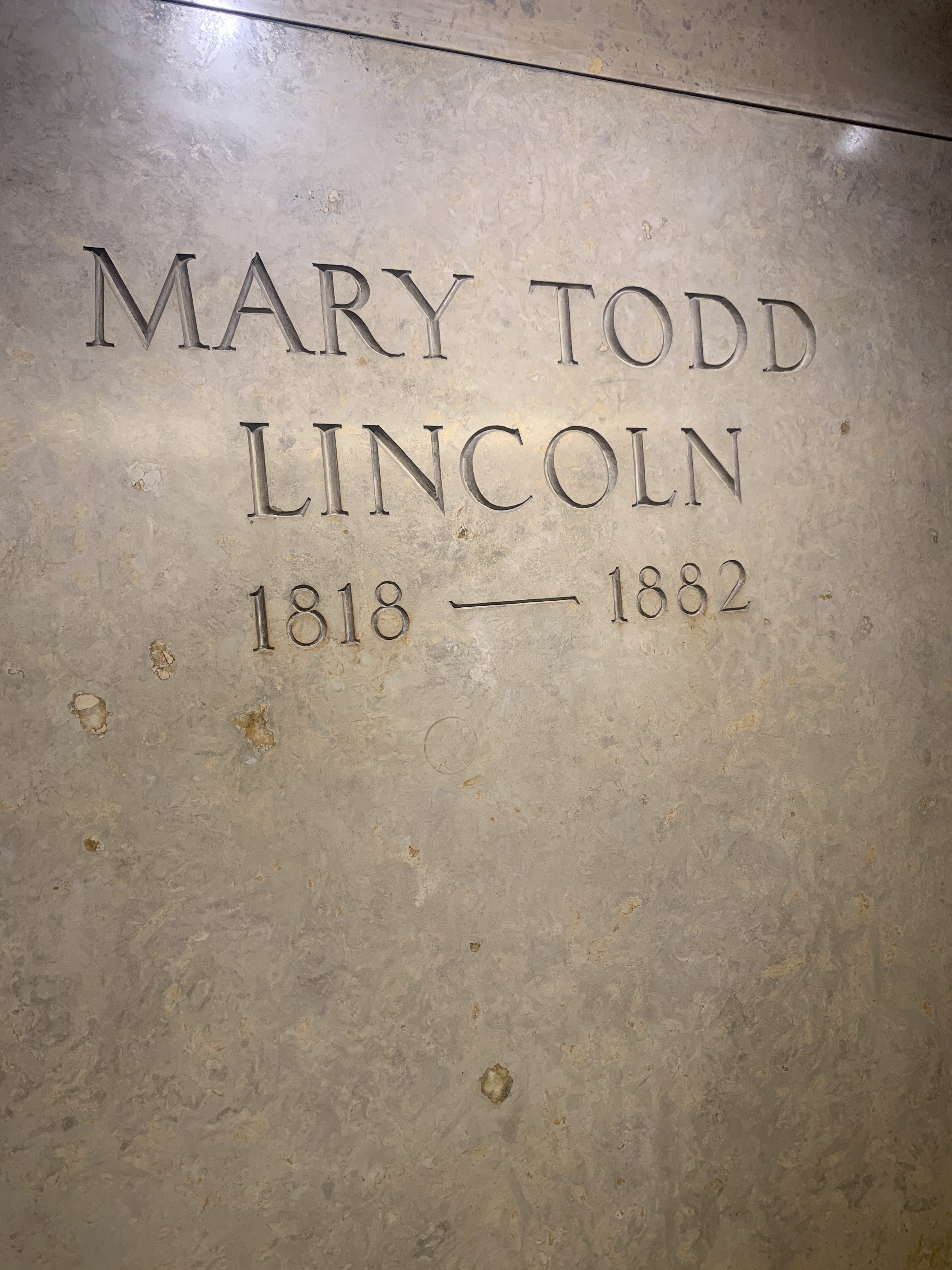
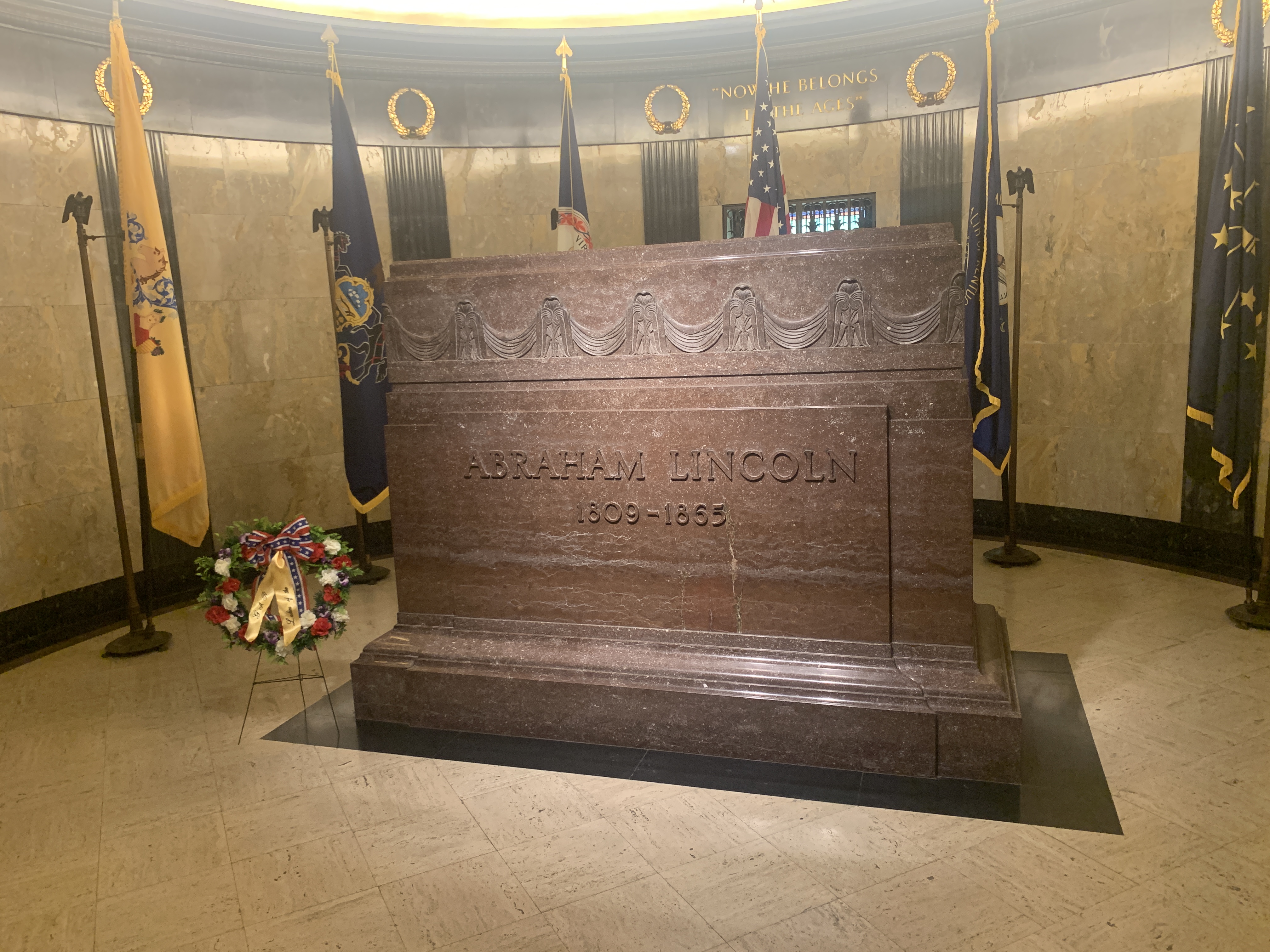
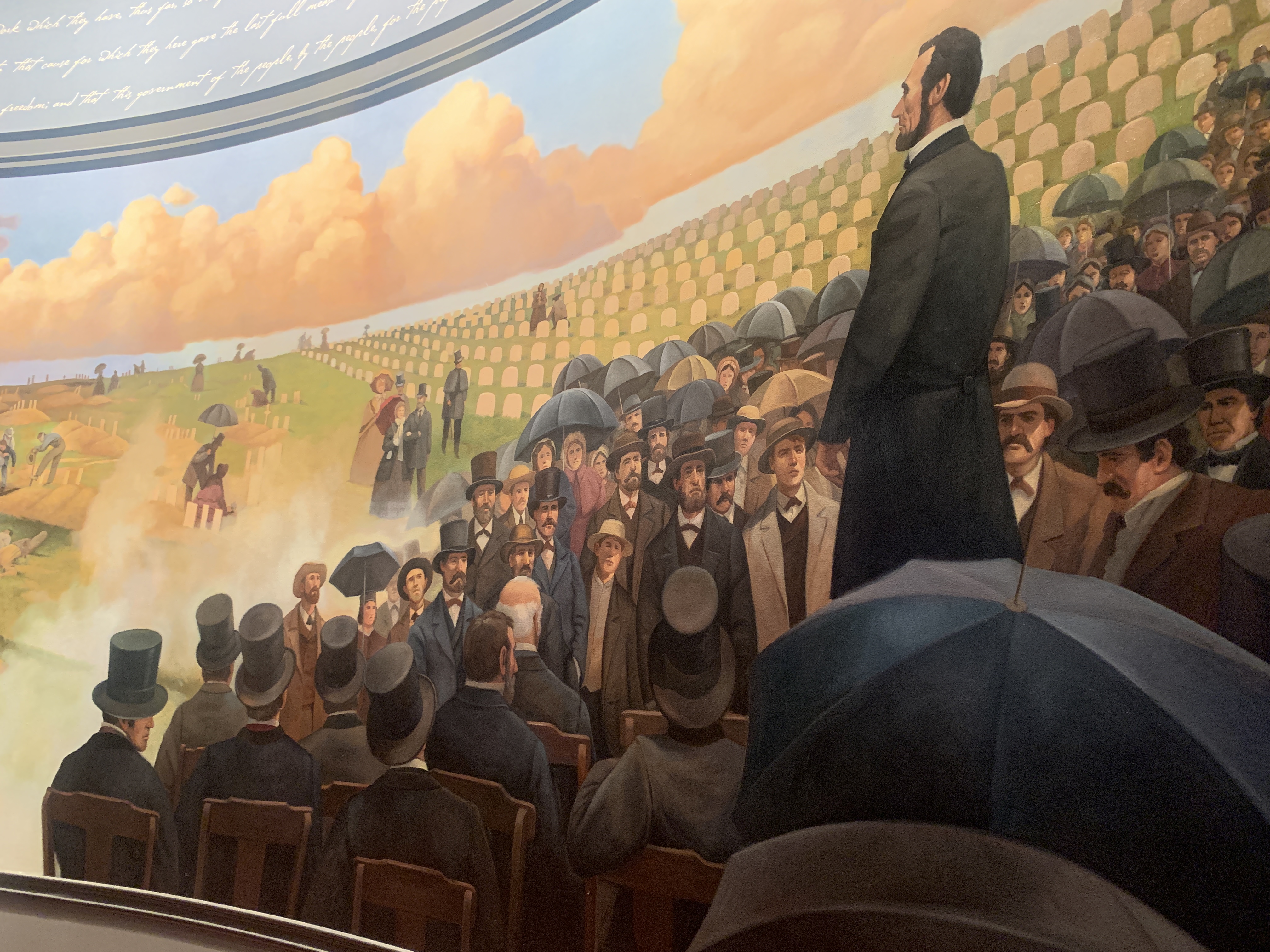
Next, I continued on to the Lincoln Tomb, which as I said, left me teary-eyed; it was awe-inspiring. Immense. If you have literally one stop in mind while in Springfield, Illinois, it has to be the Lincoln Tomb. And I don’t care how many times I read his farewell remarks as he departed Illinois or the Gettysburg Address, or even his Second Inaugural, I get goosebumps every time, especially in such a reverent place.
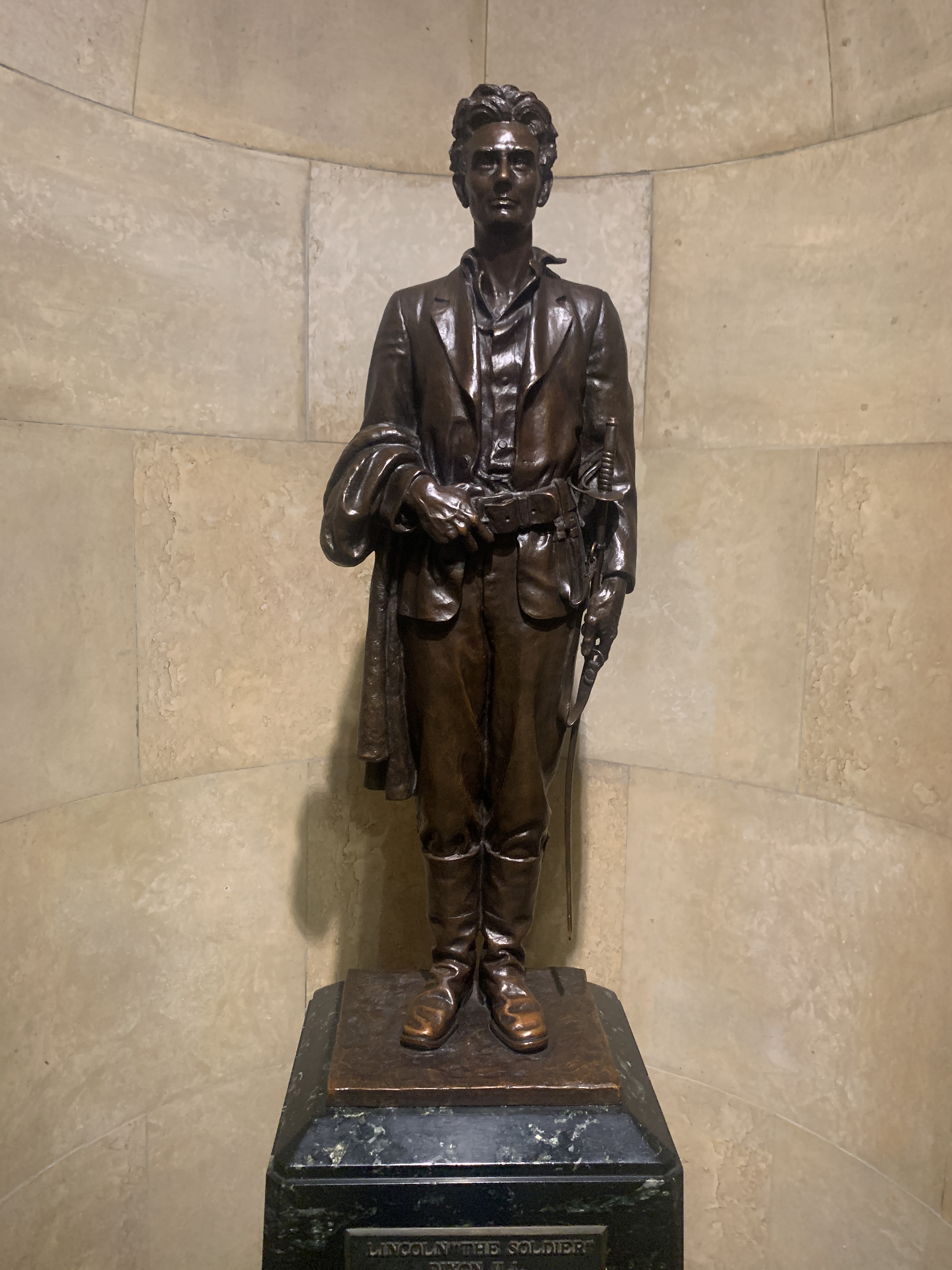
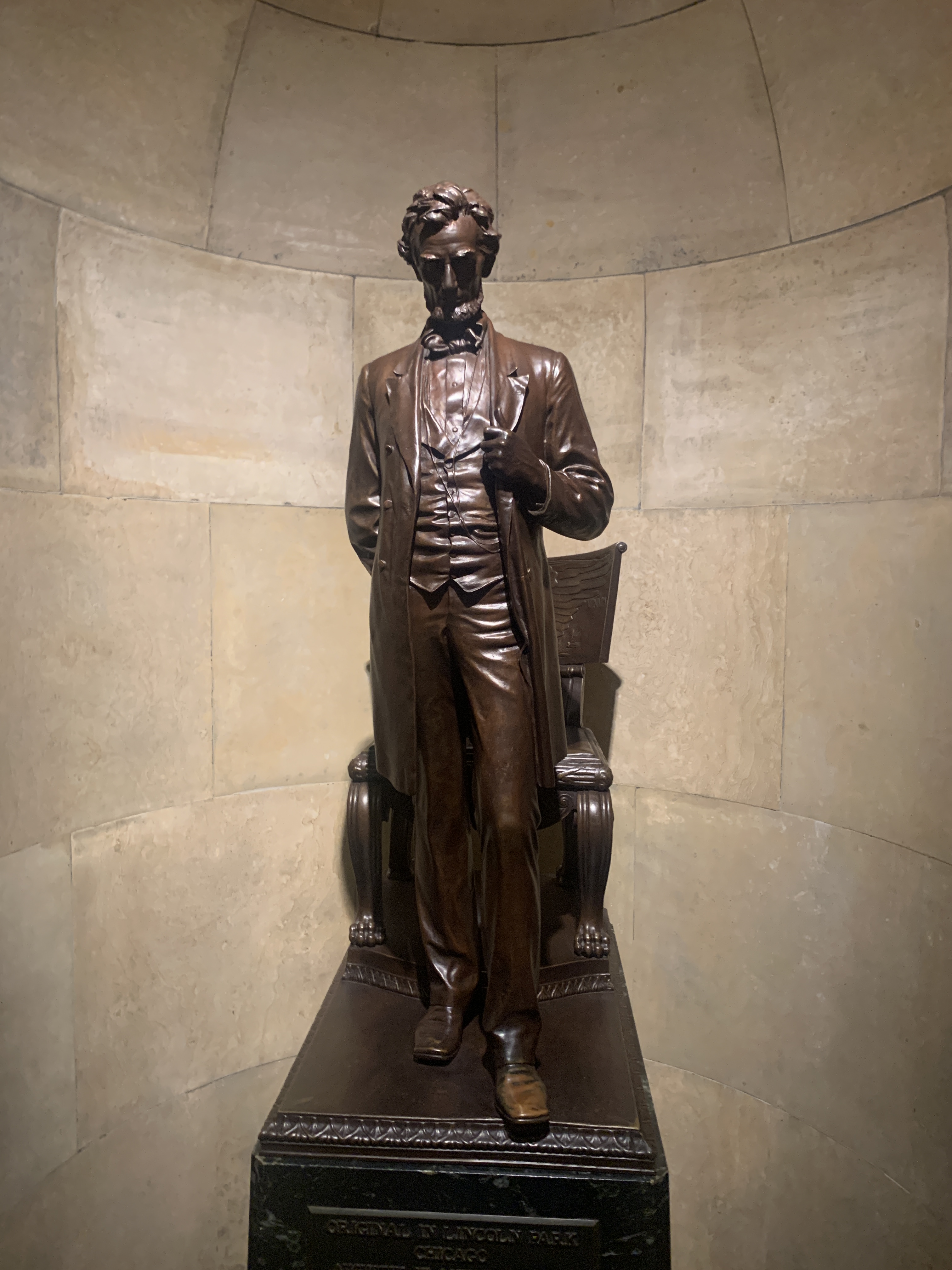
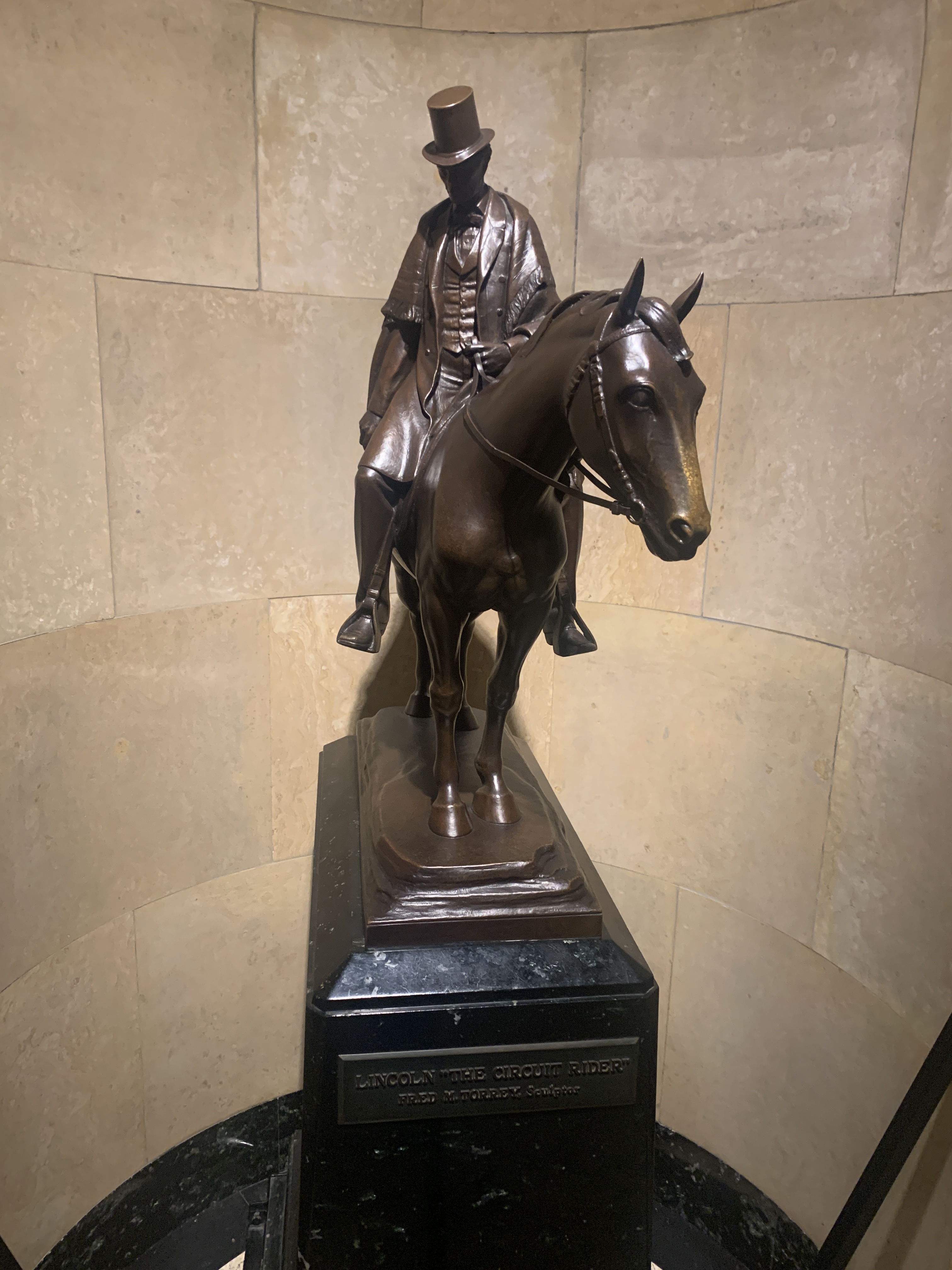
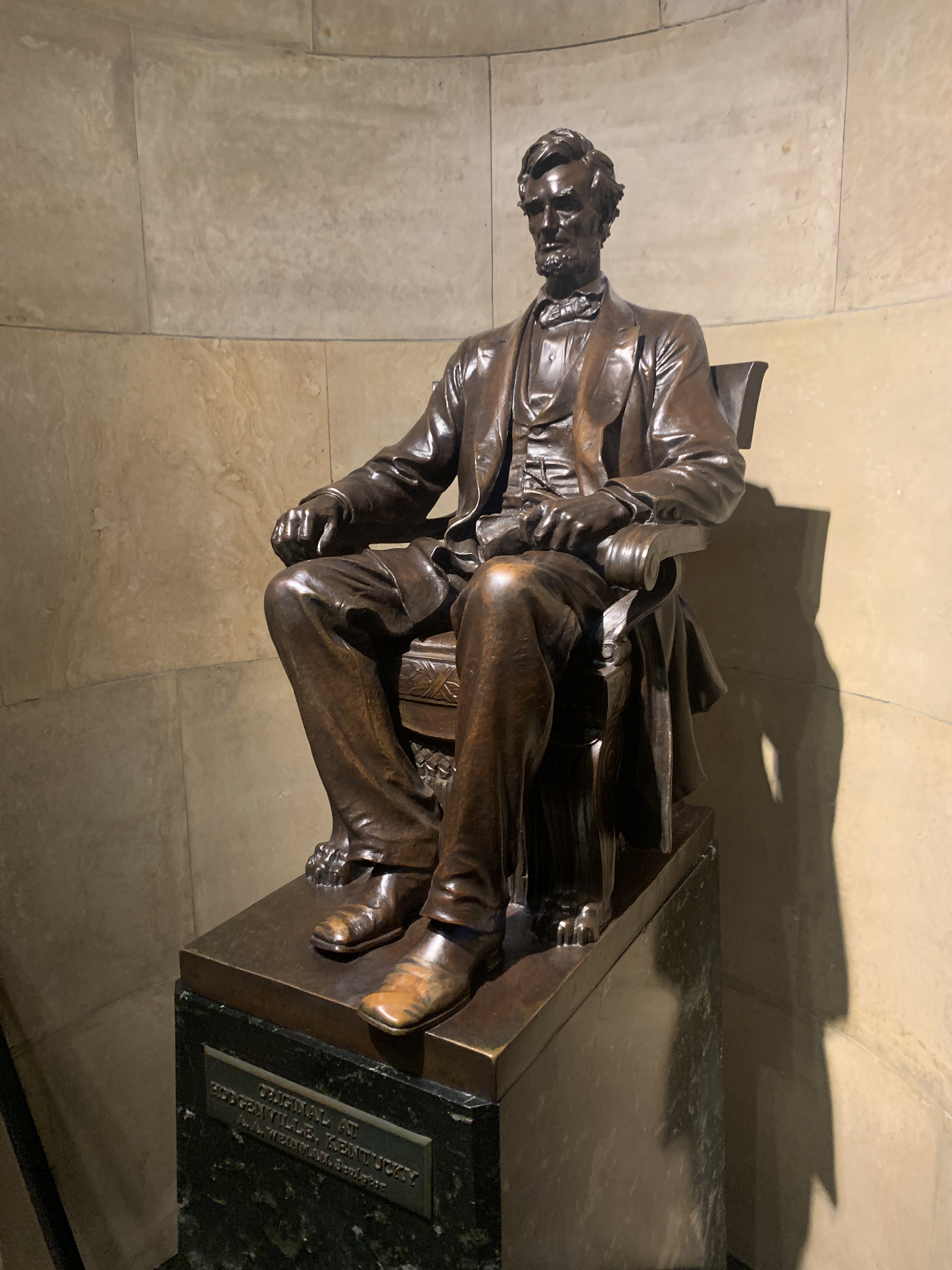
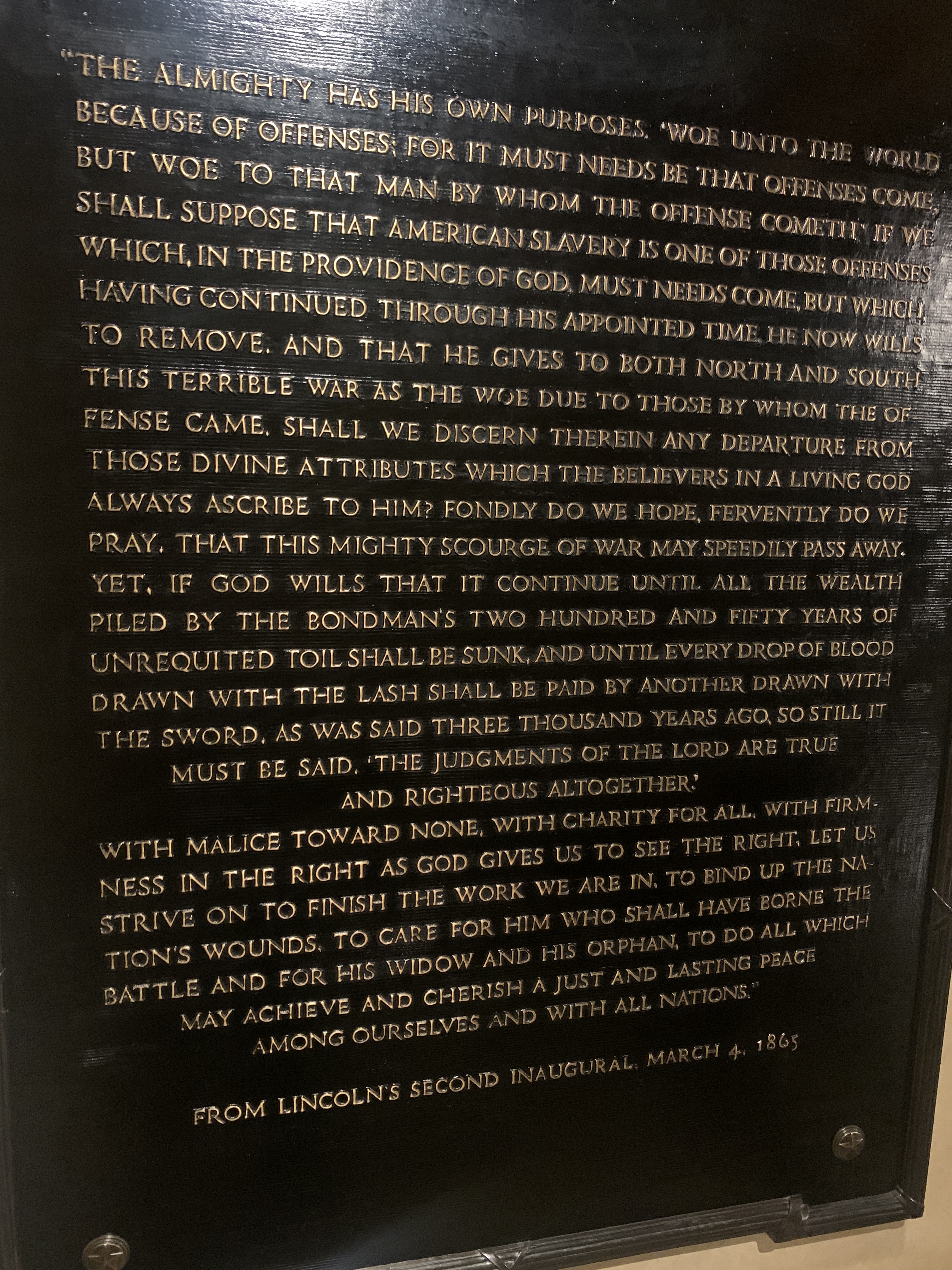
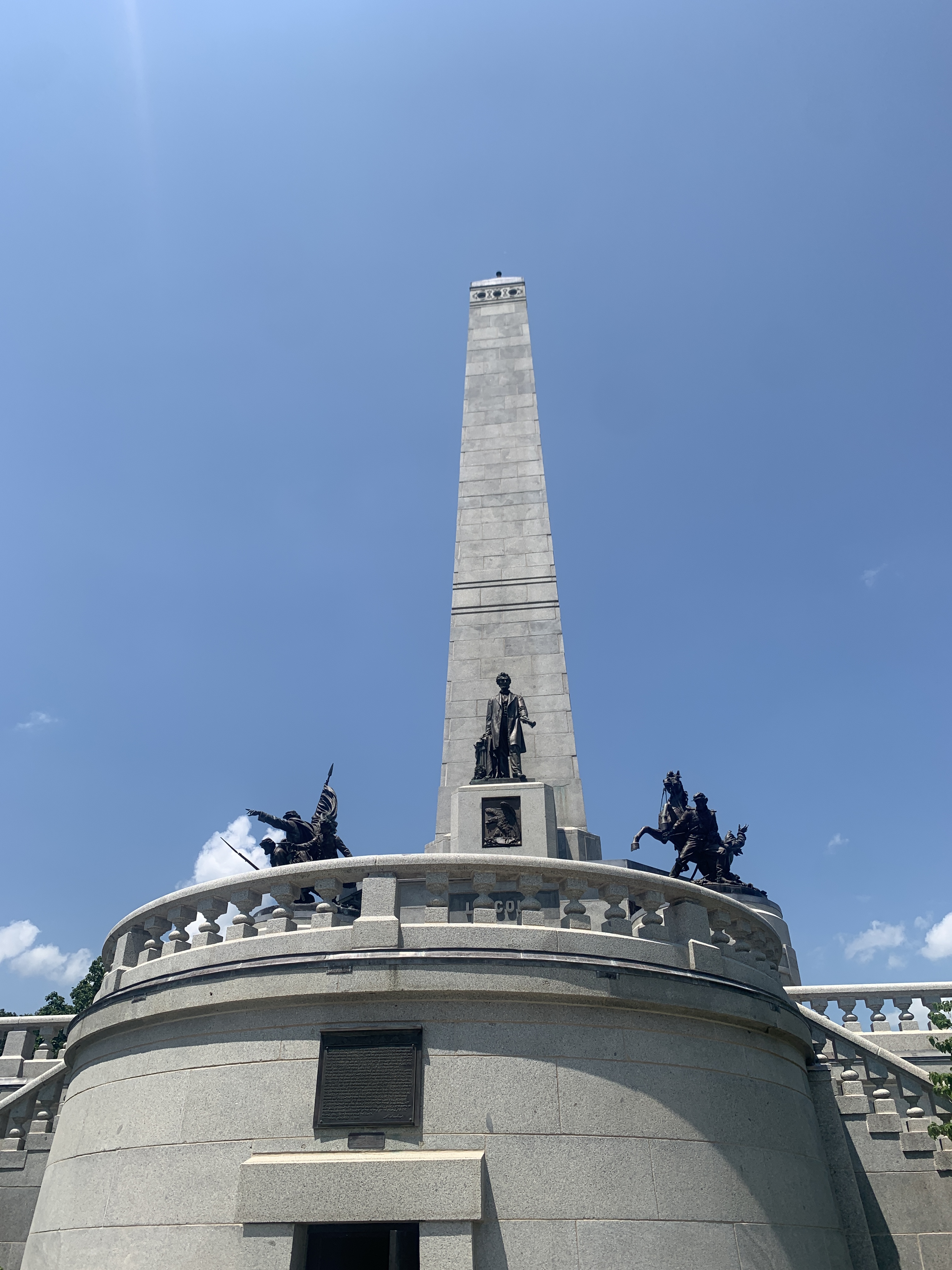
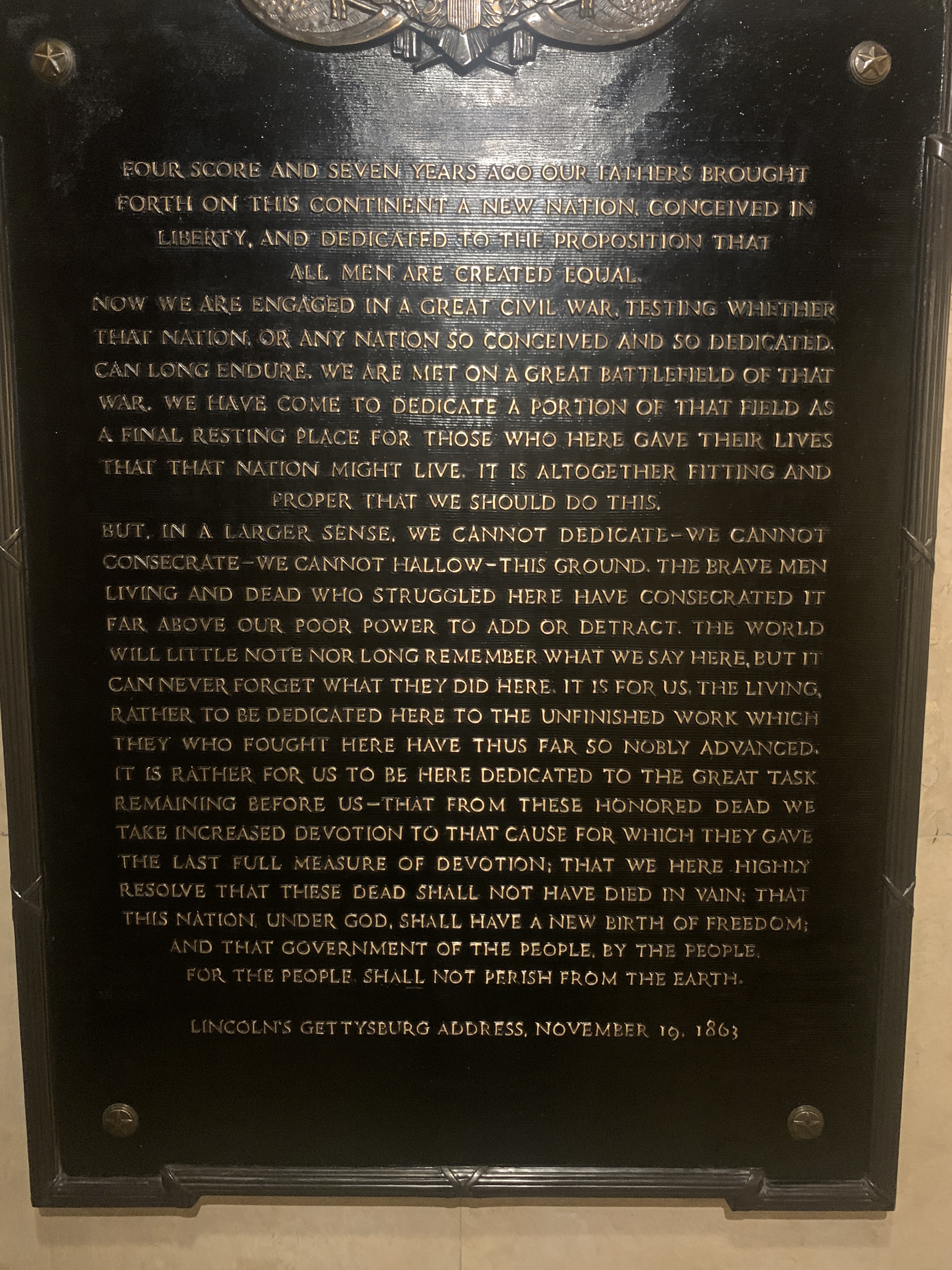
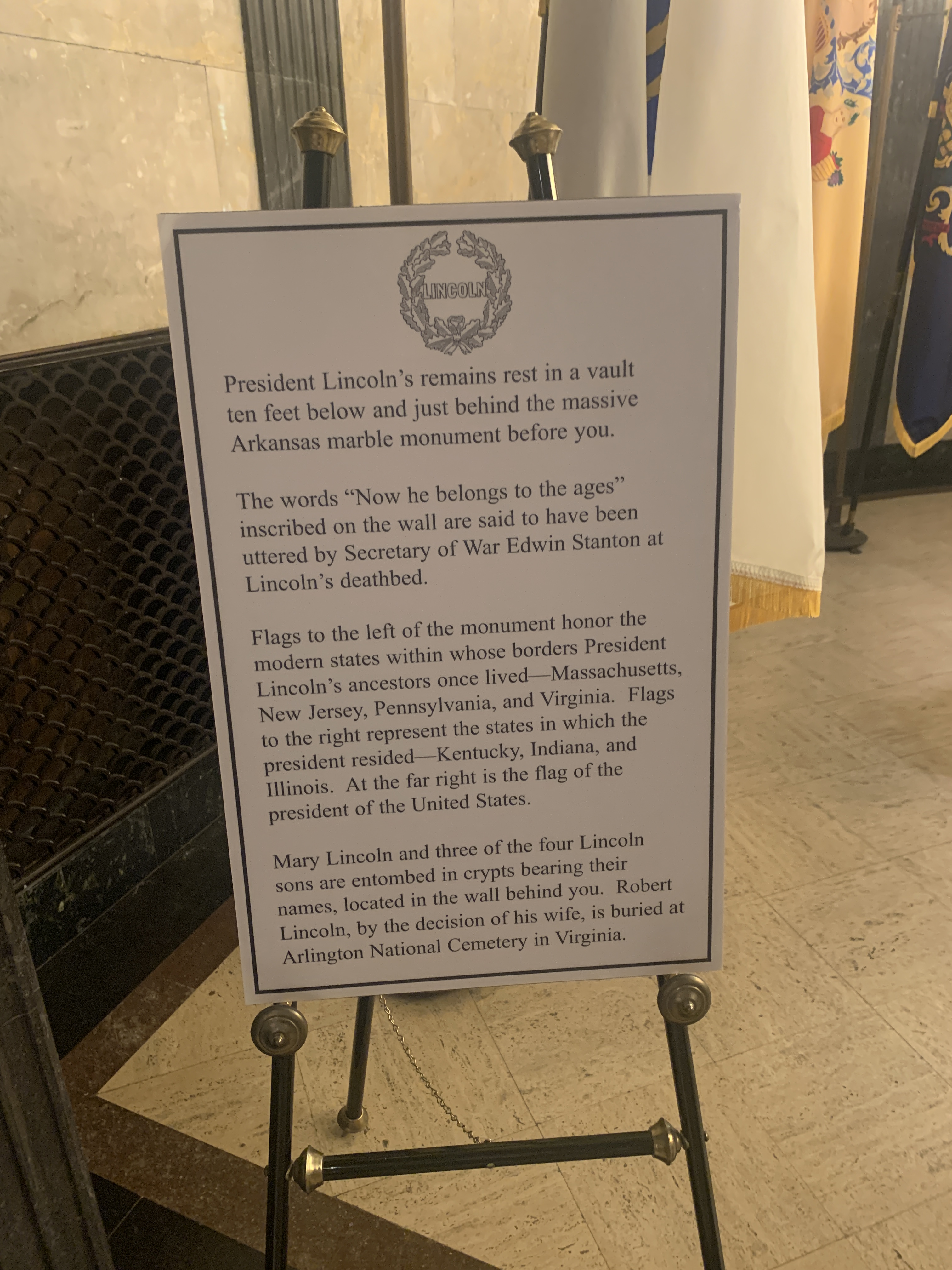
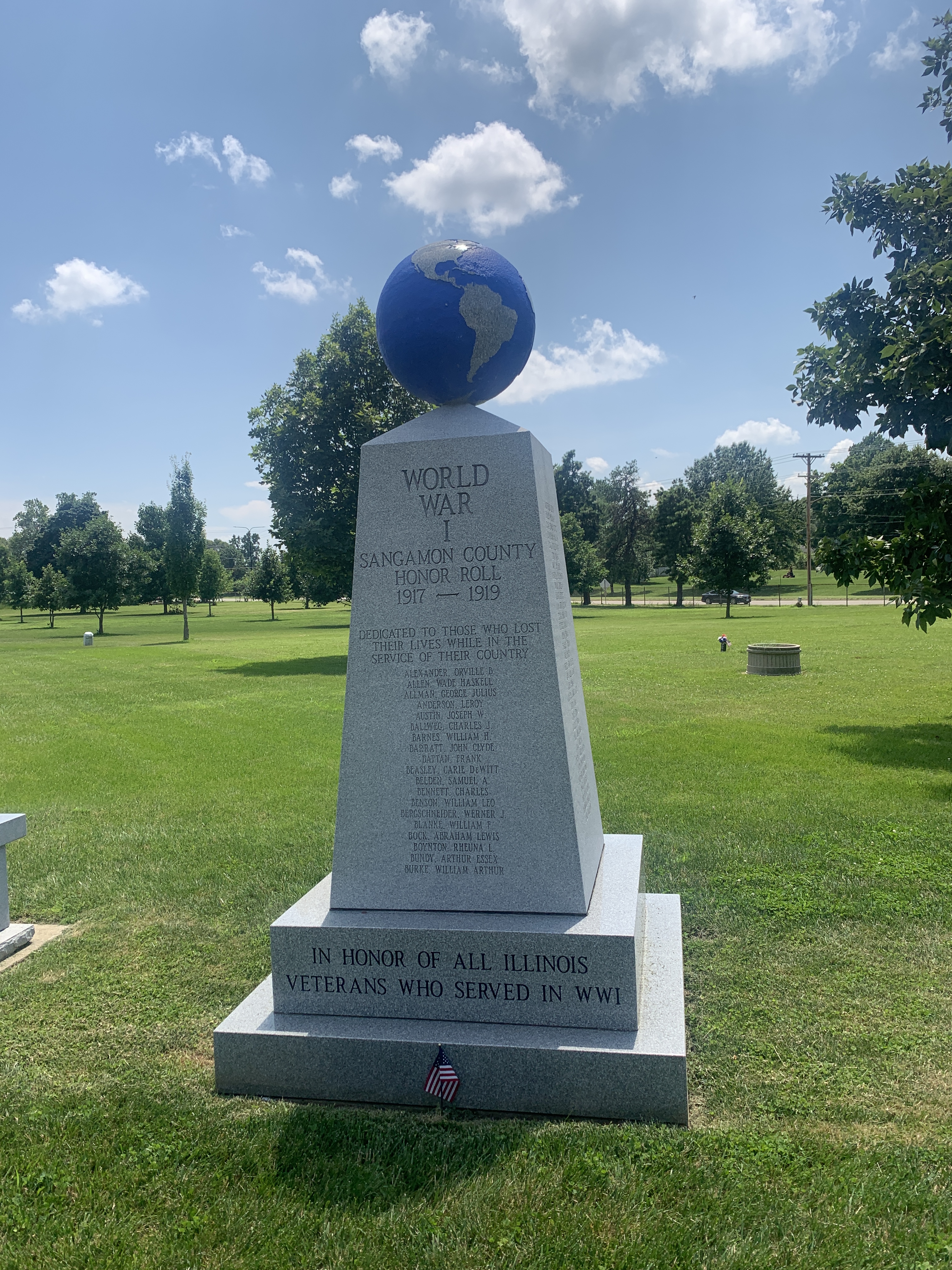
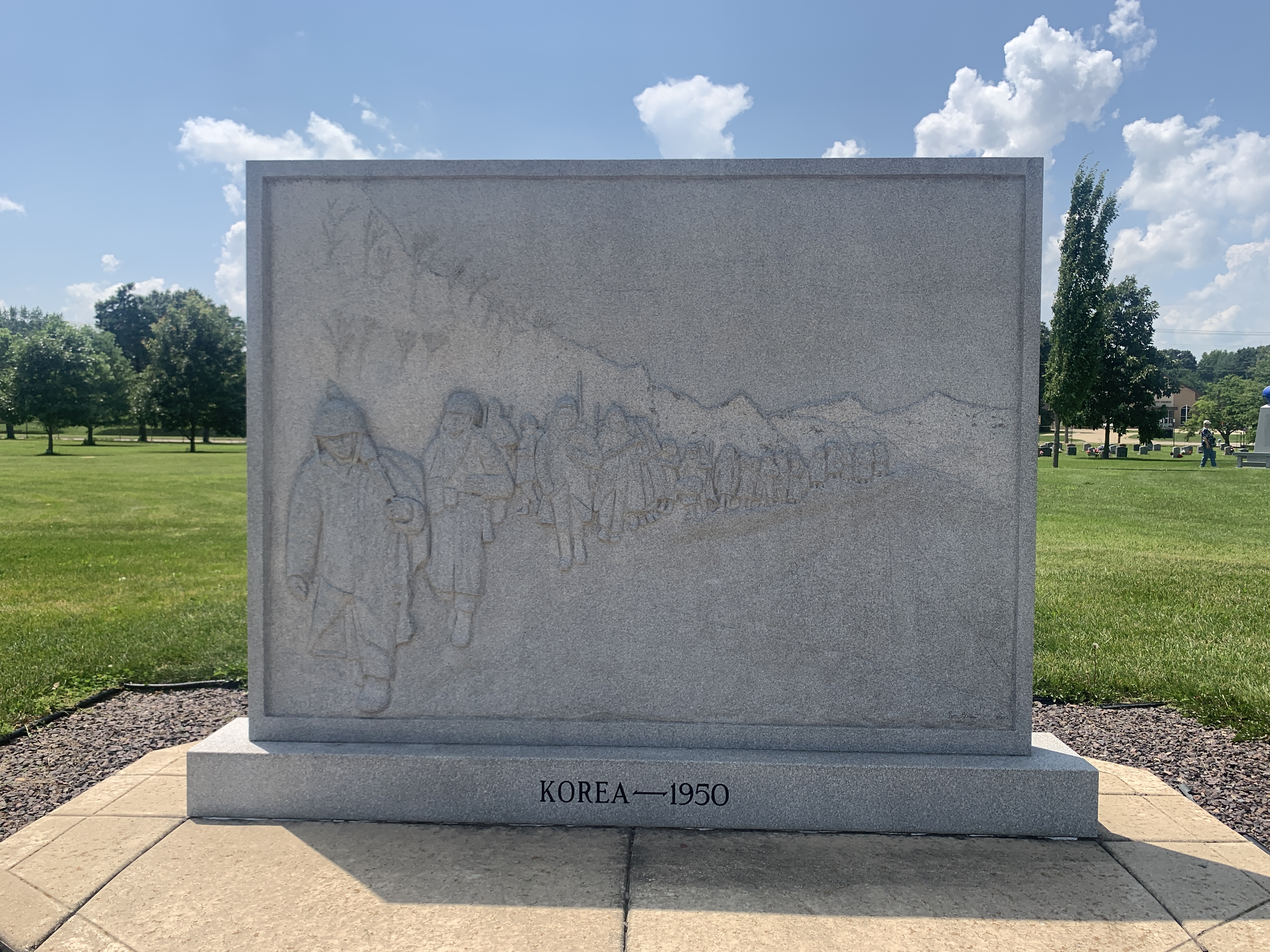
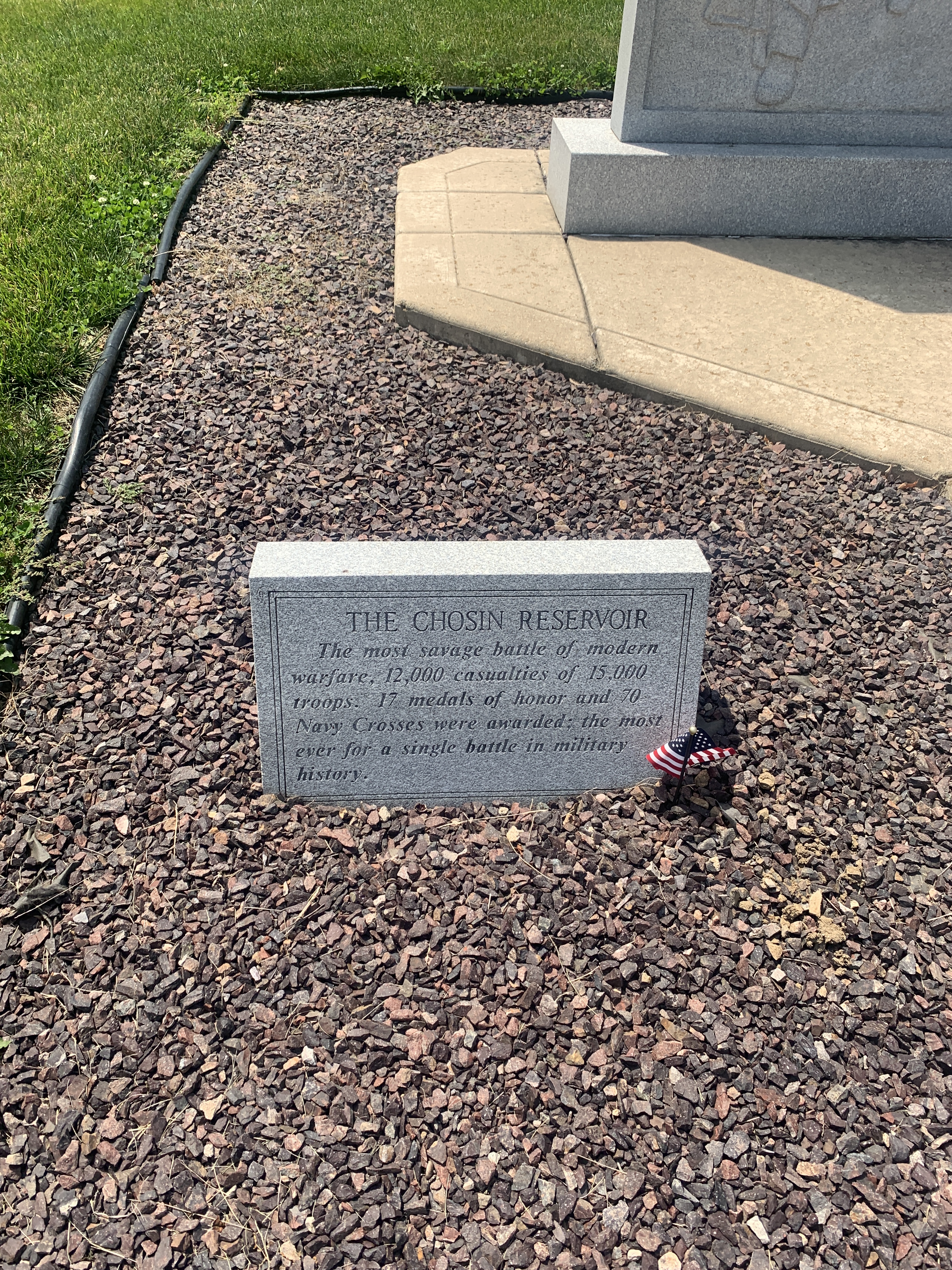
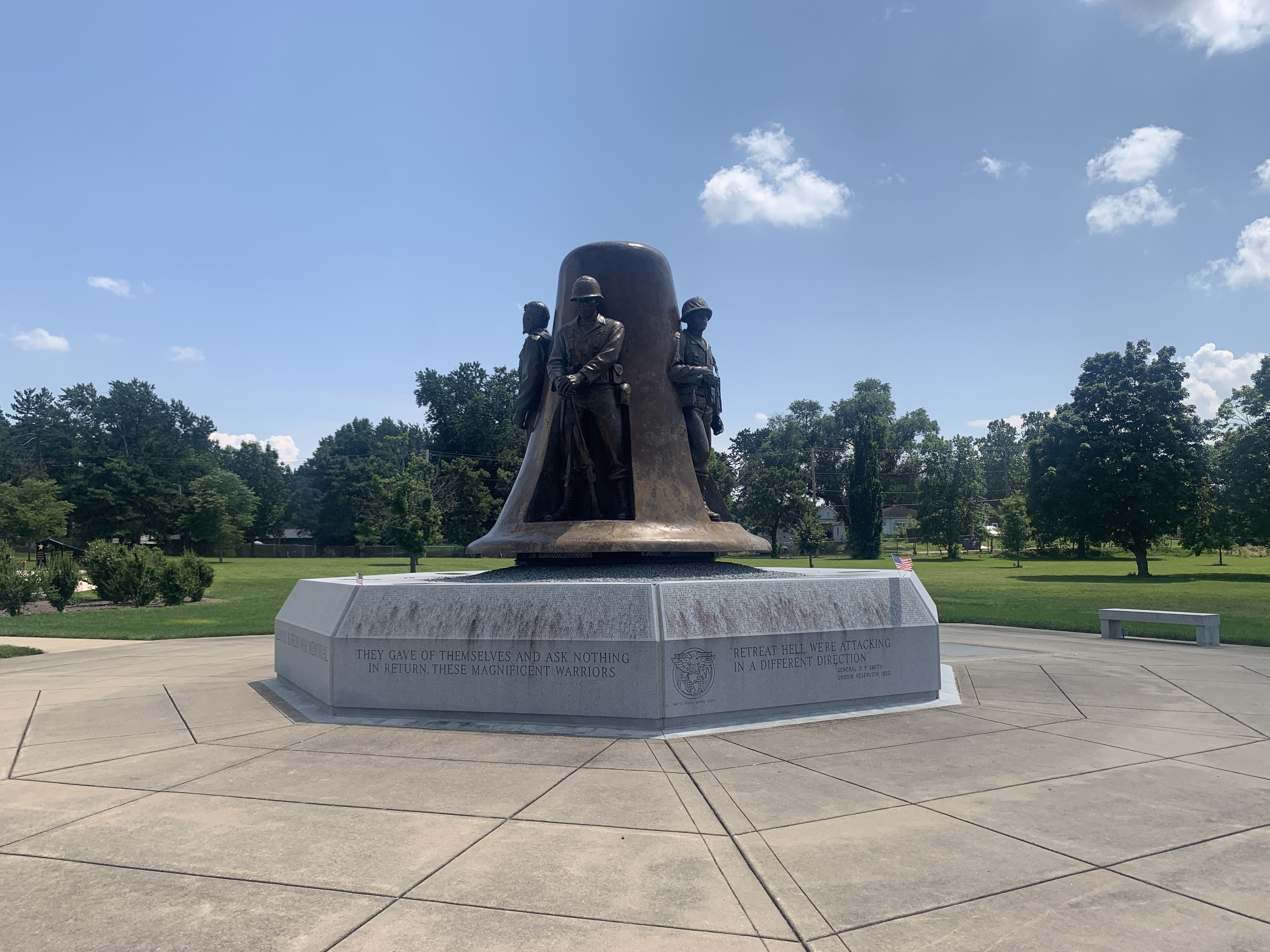
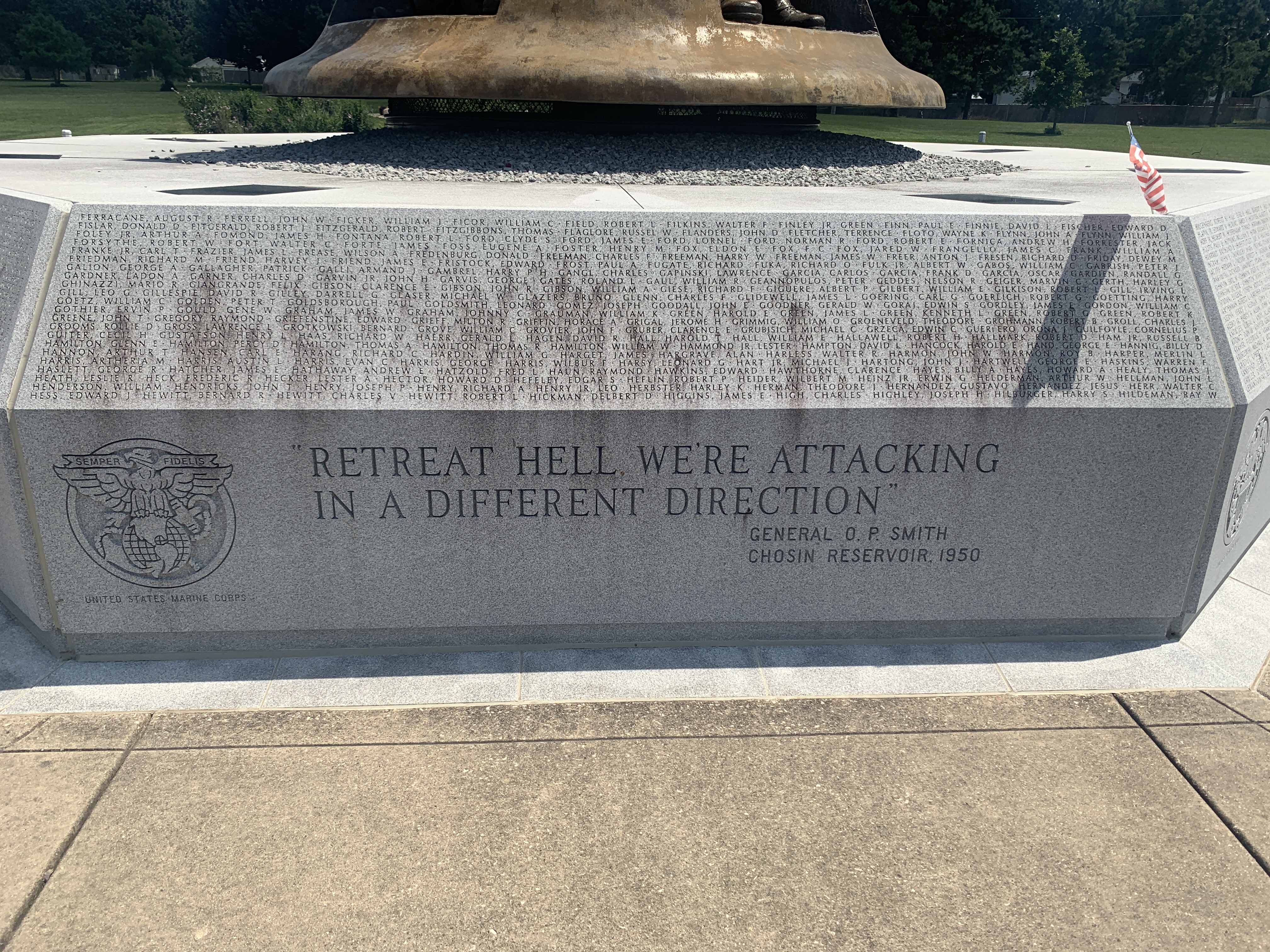
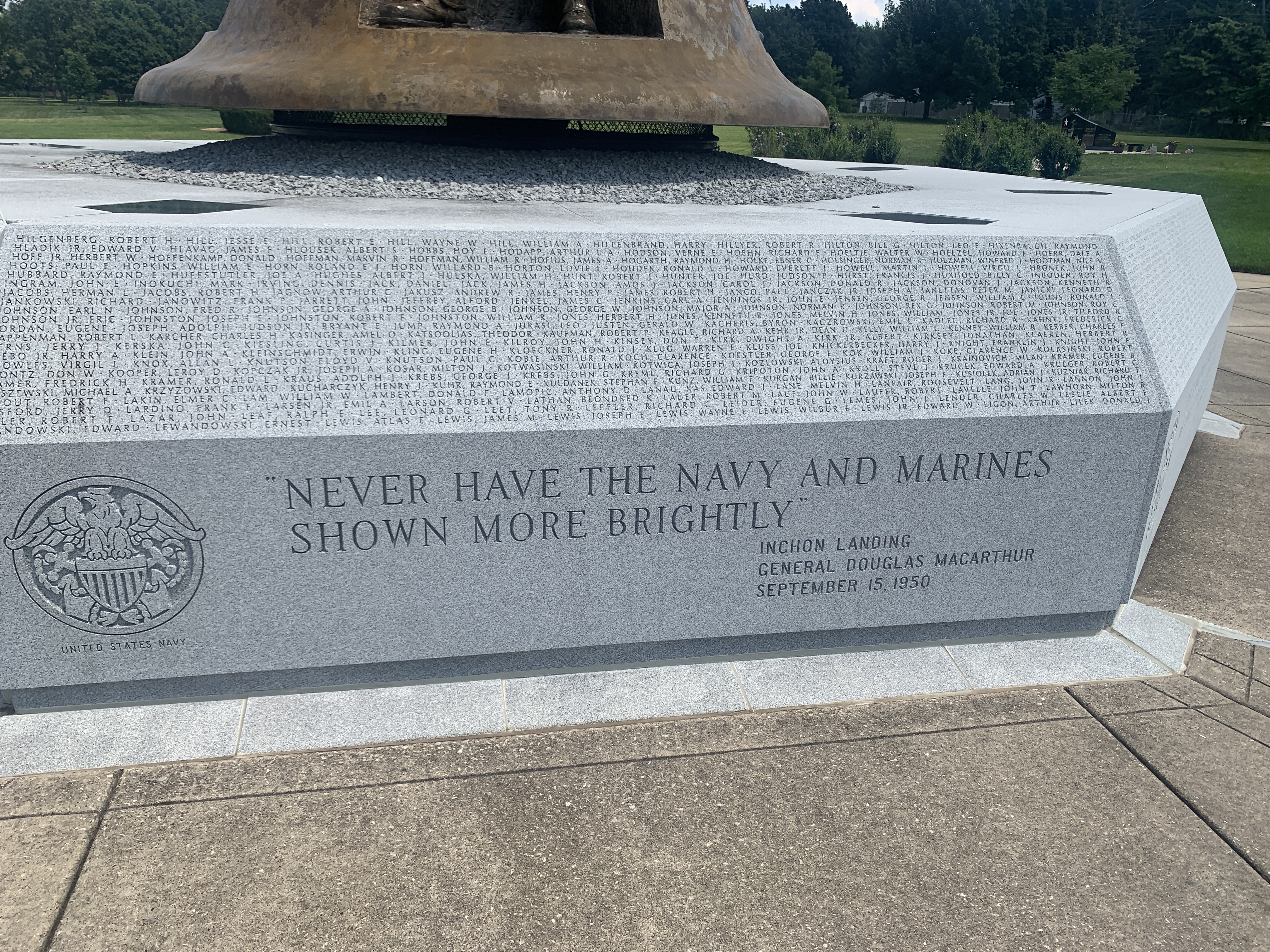
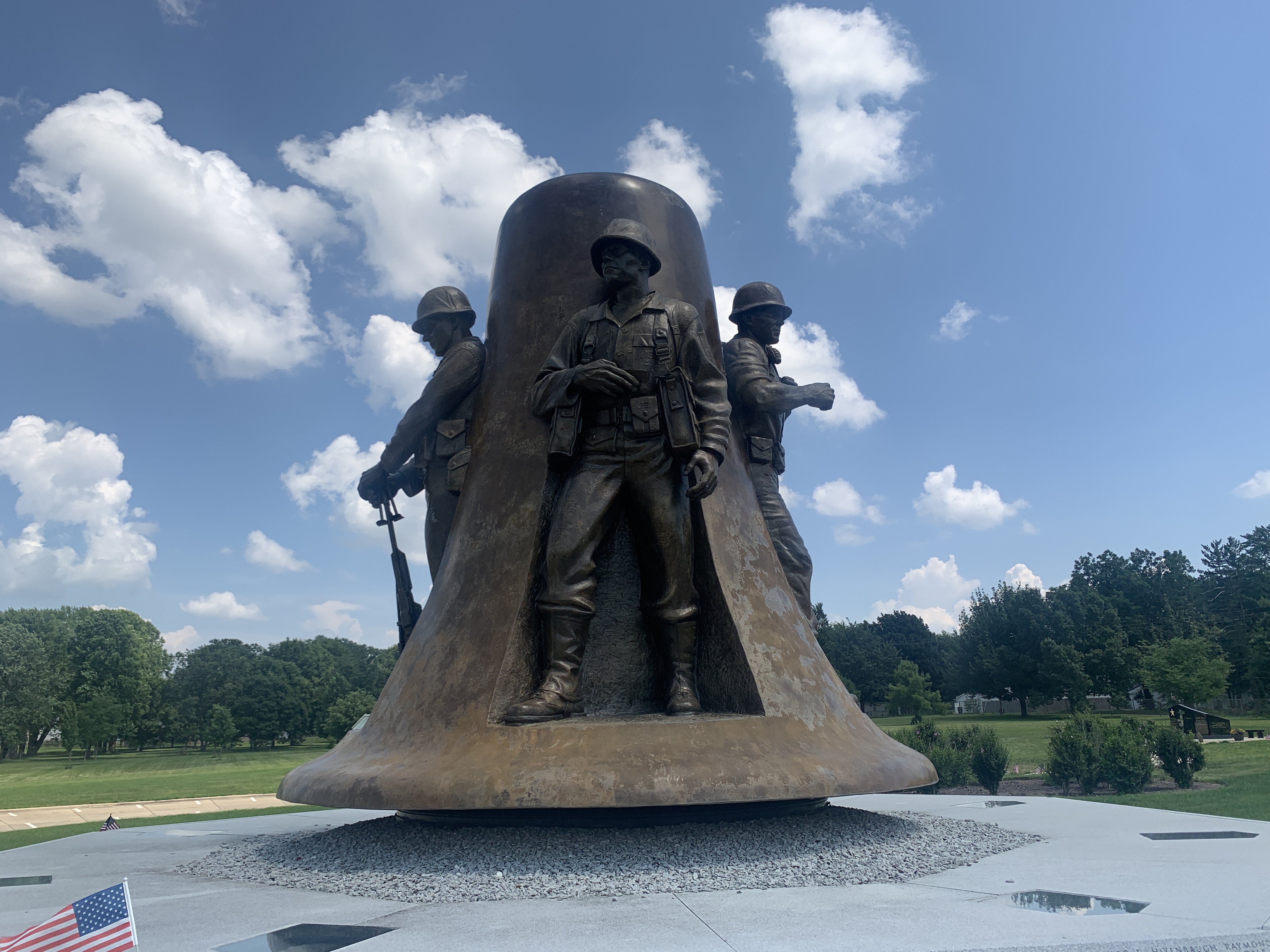
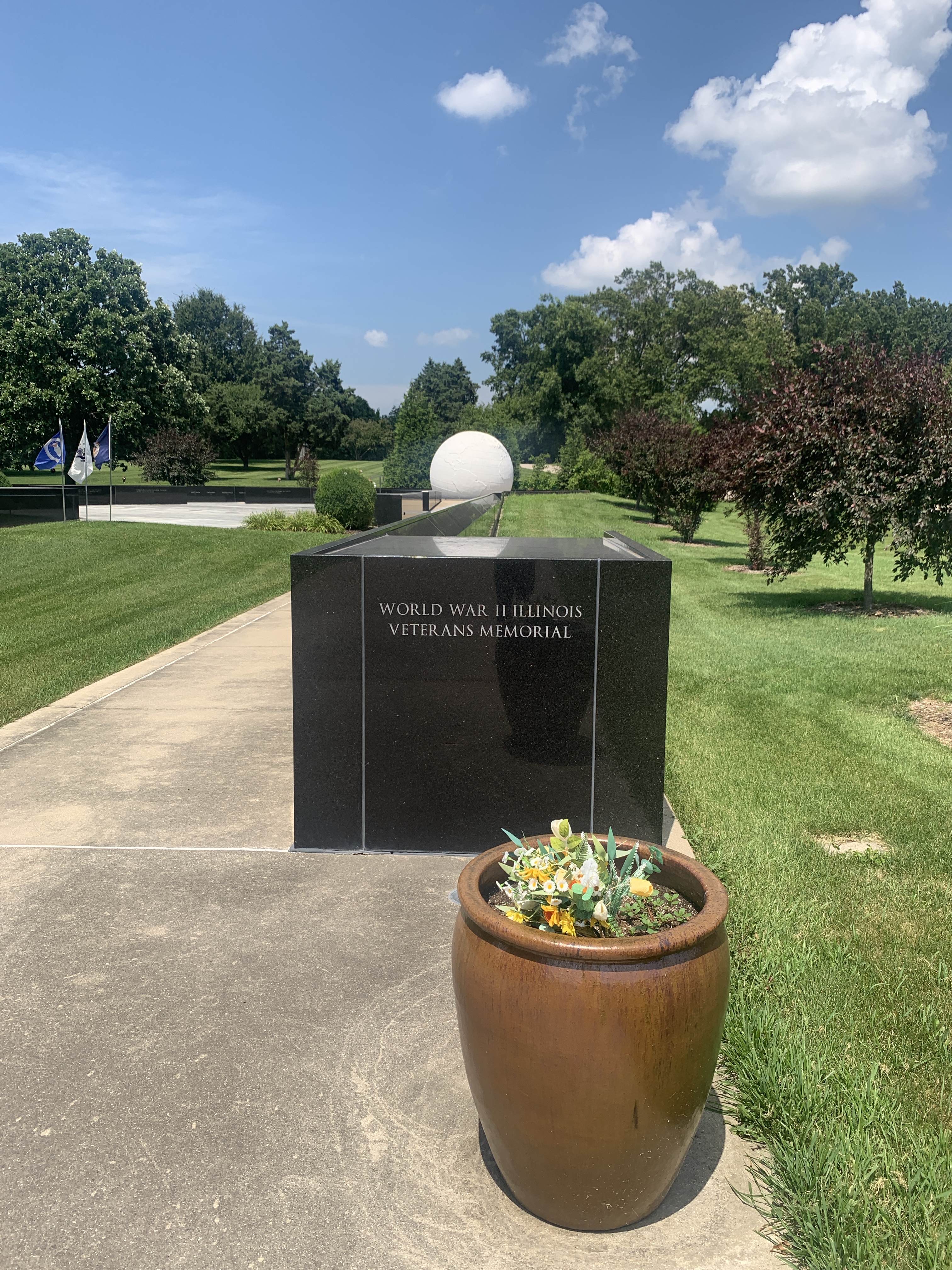
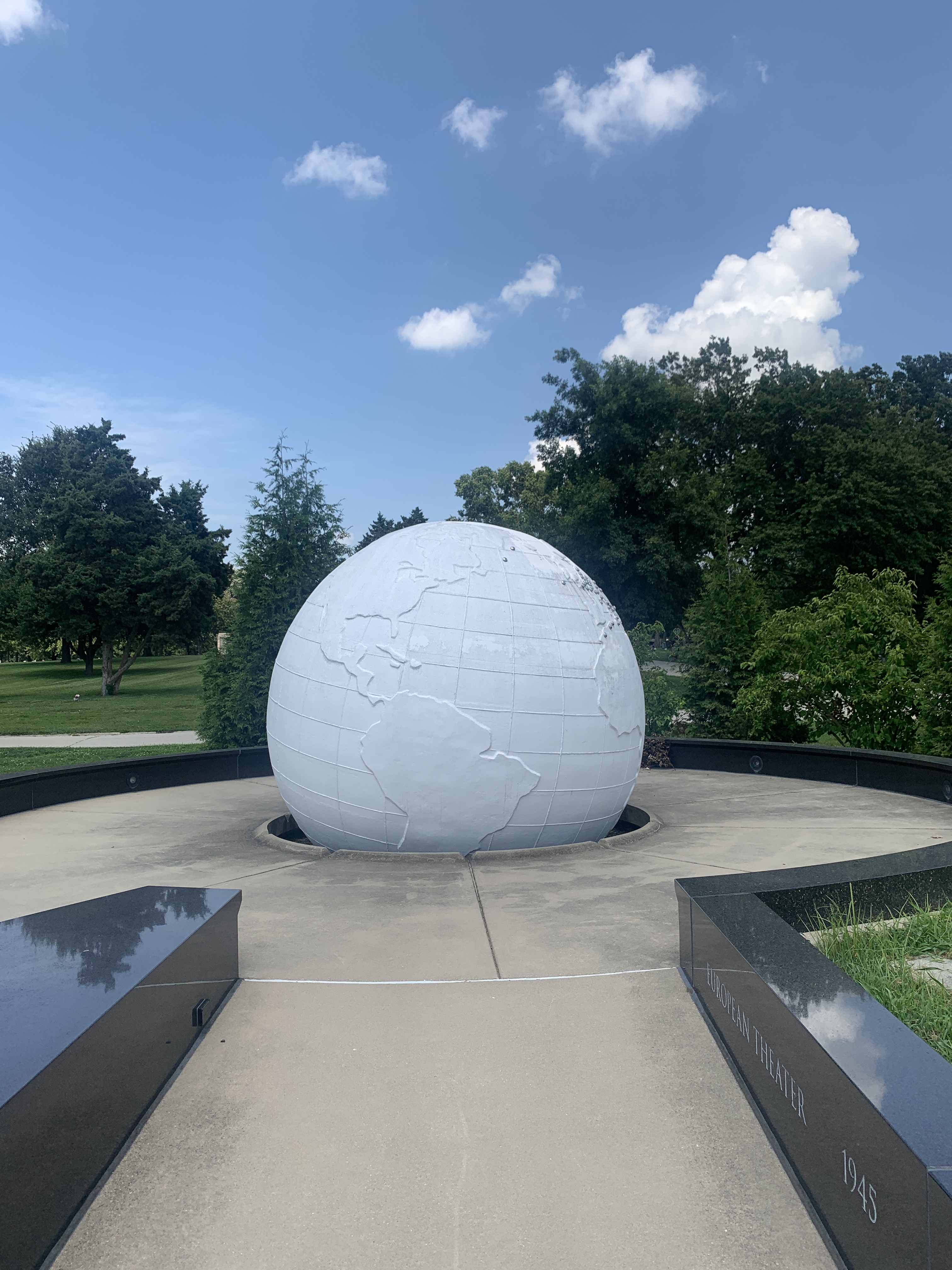
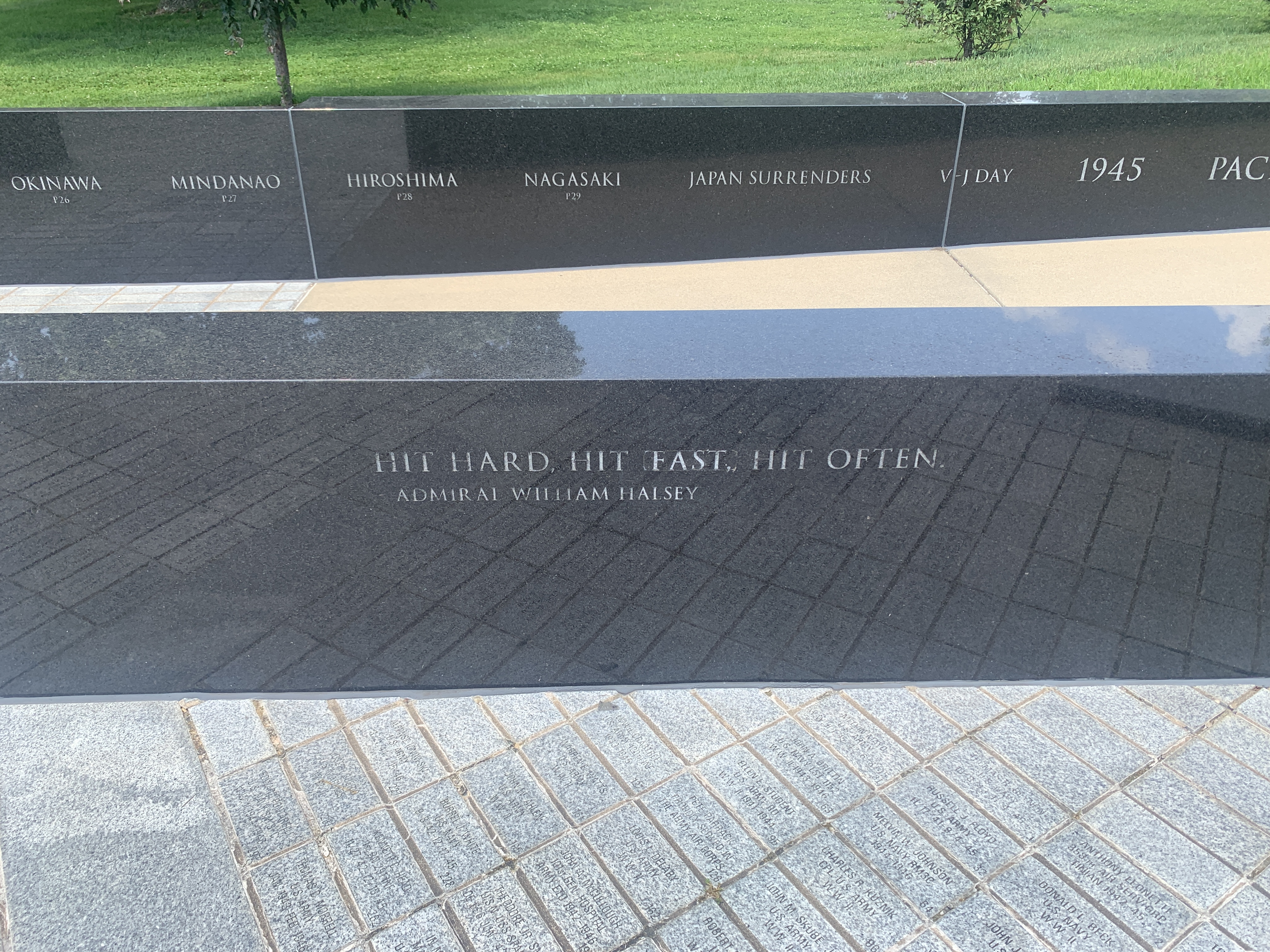
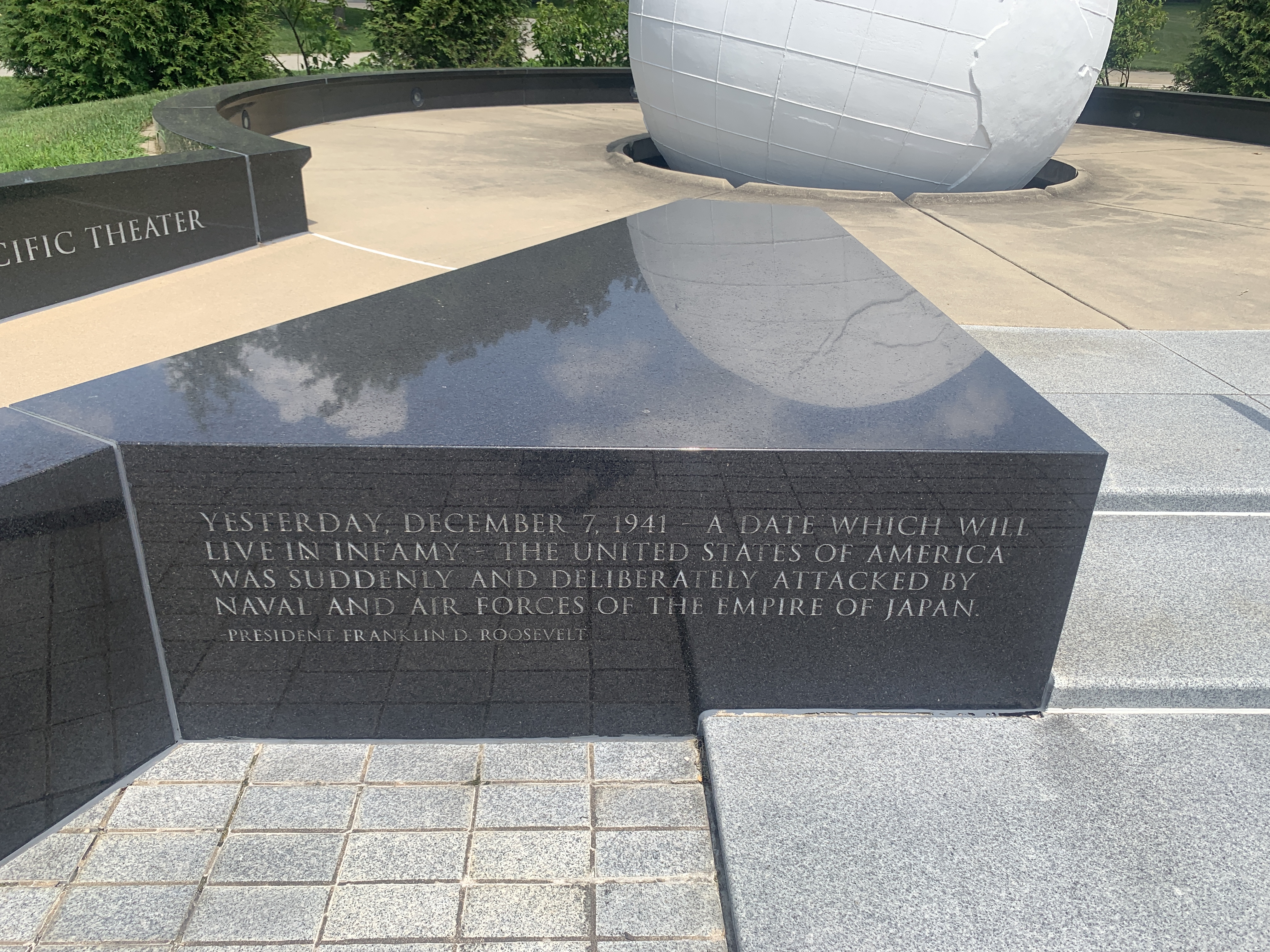
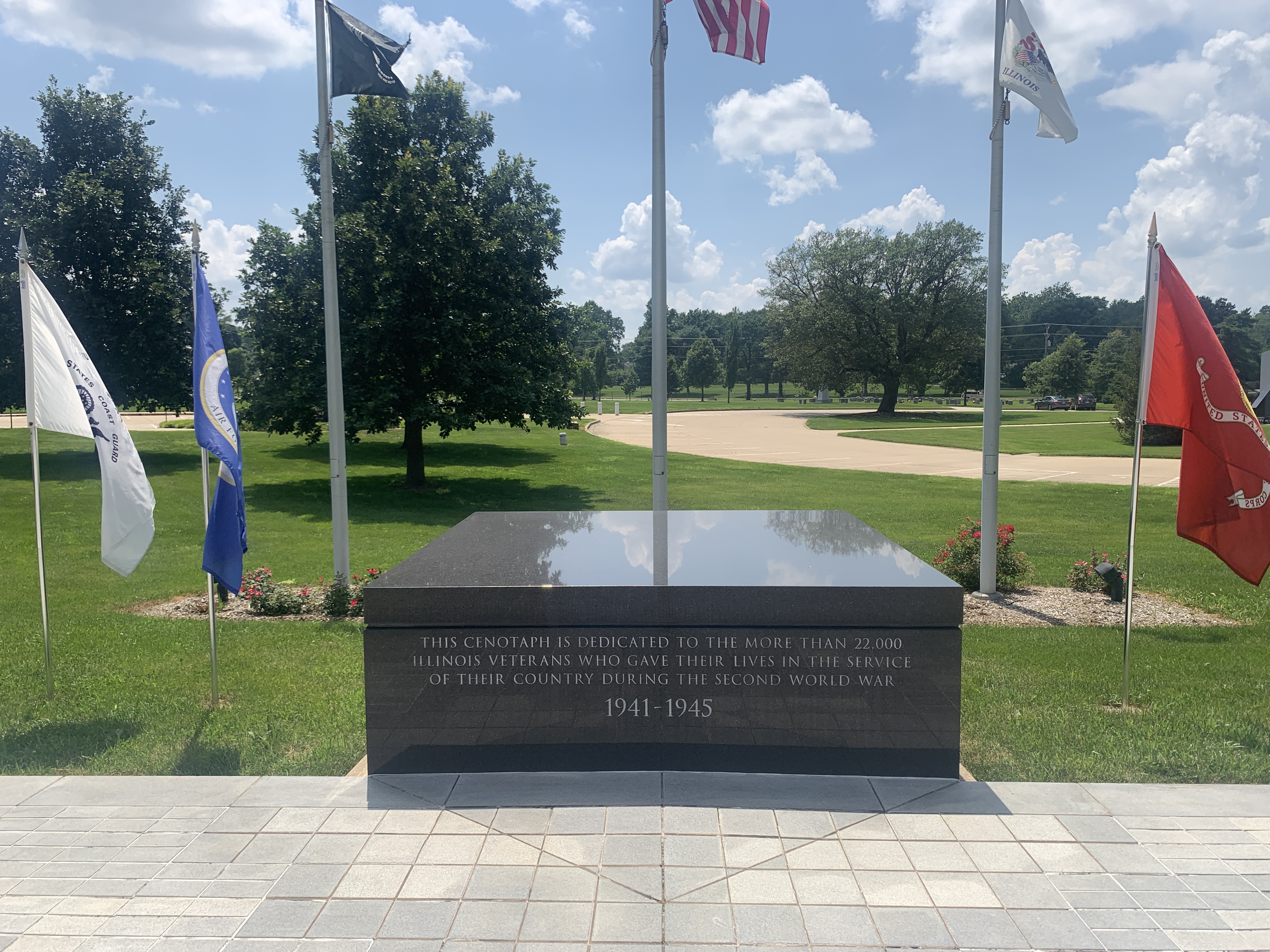
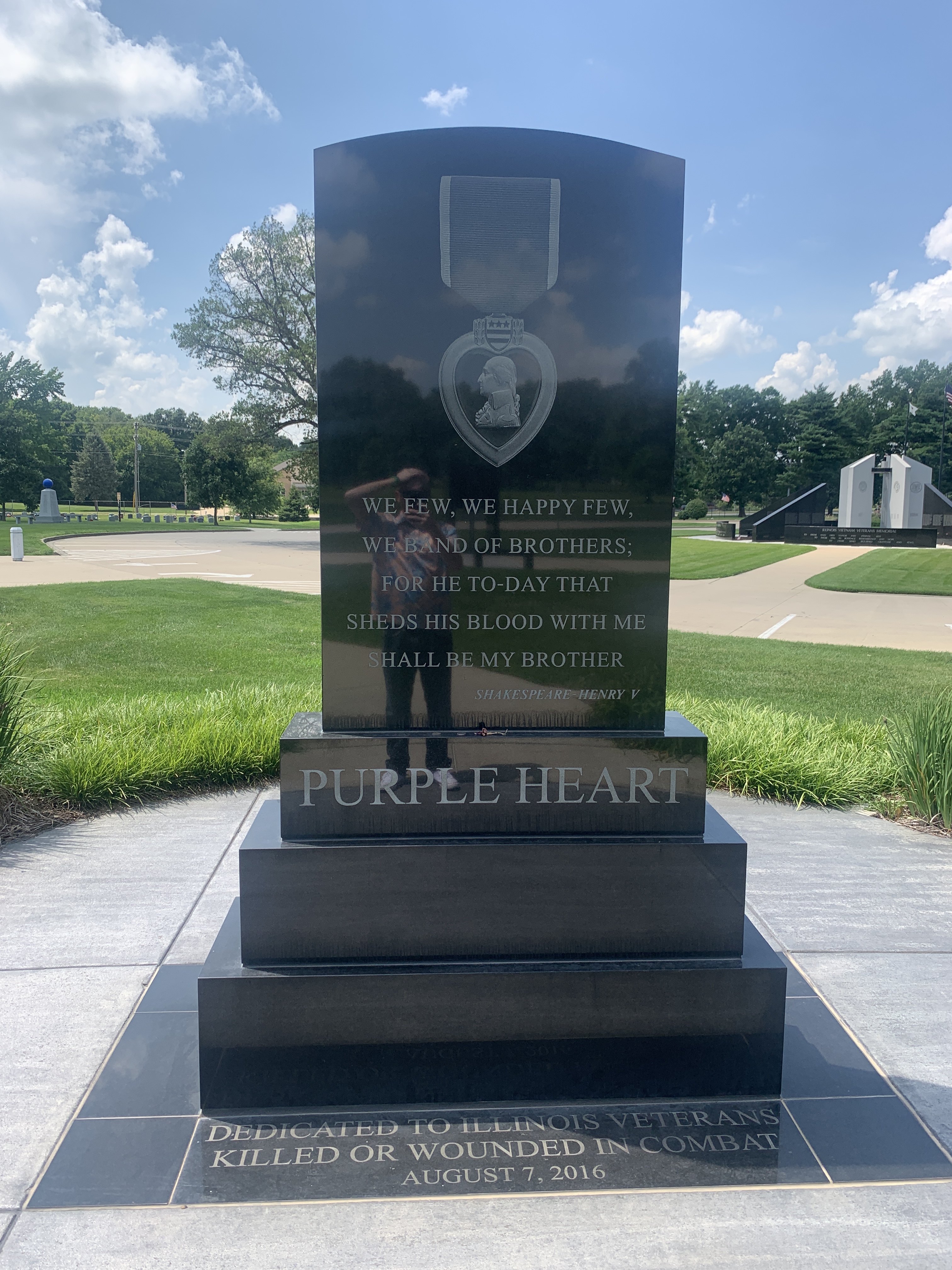
Within the Oak Ridge Cemetery, where the Lincoln Tomb is, there’s also impressive war memorials, including for WWI, WWII, Korea, and Vietnam.
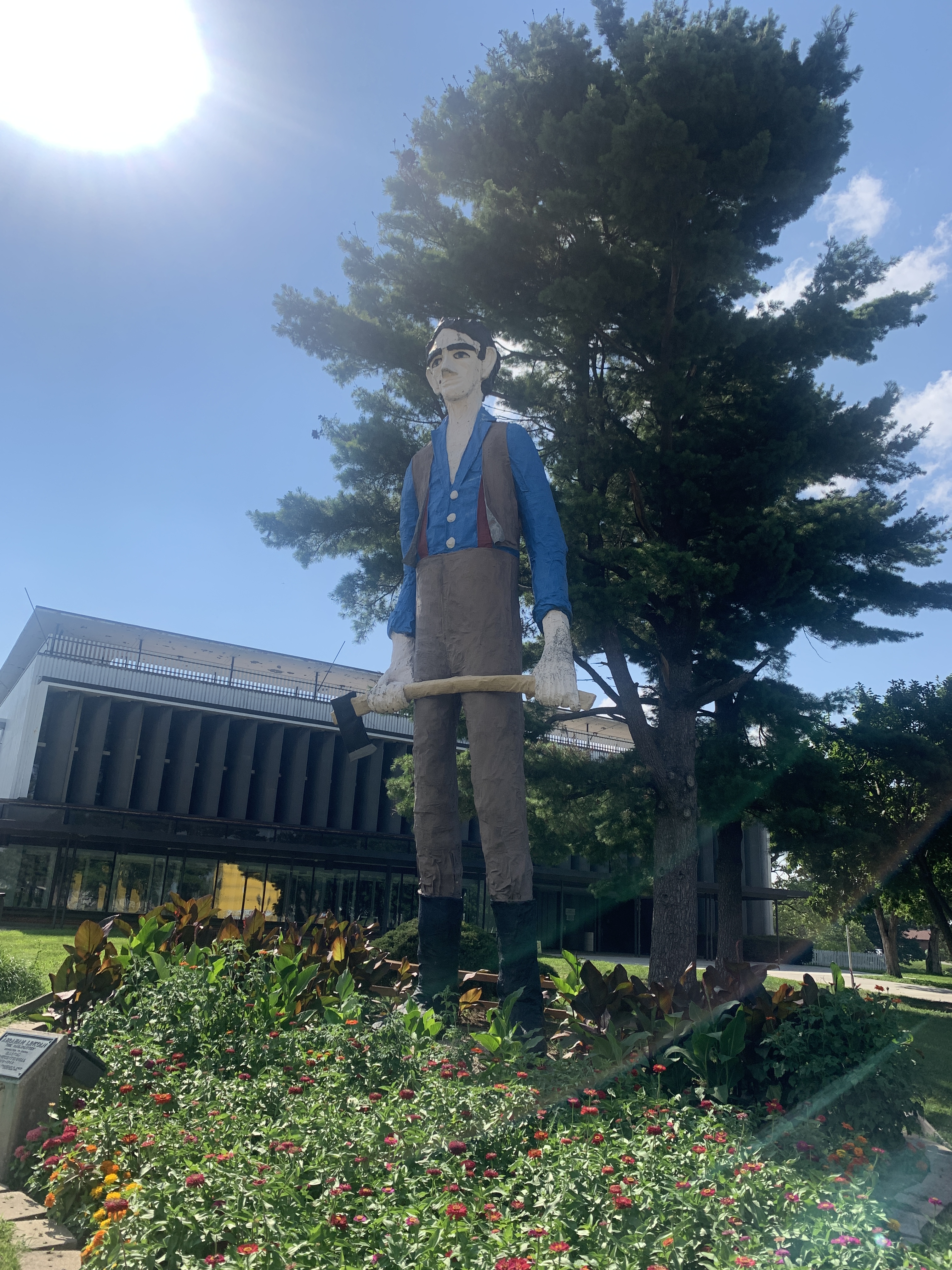
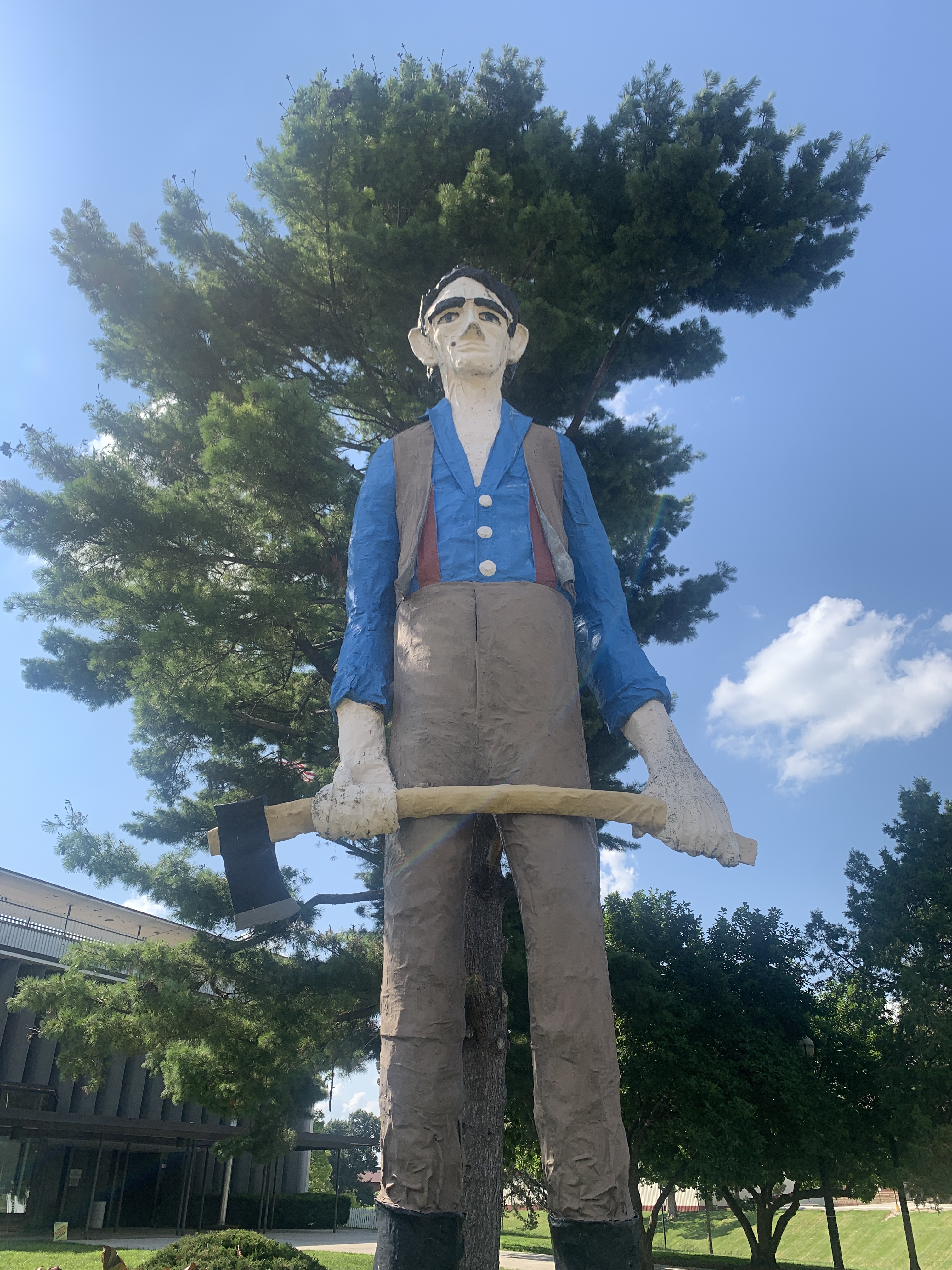
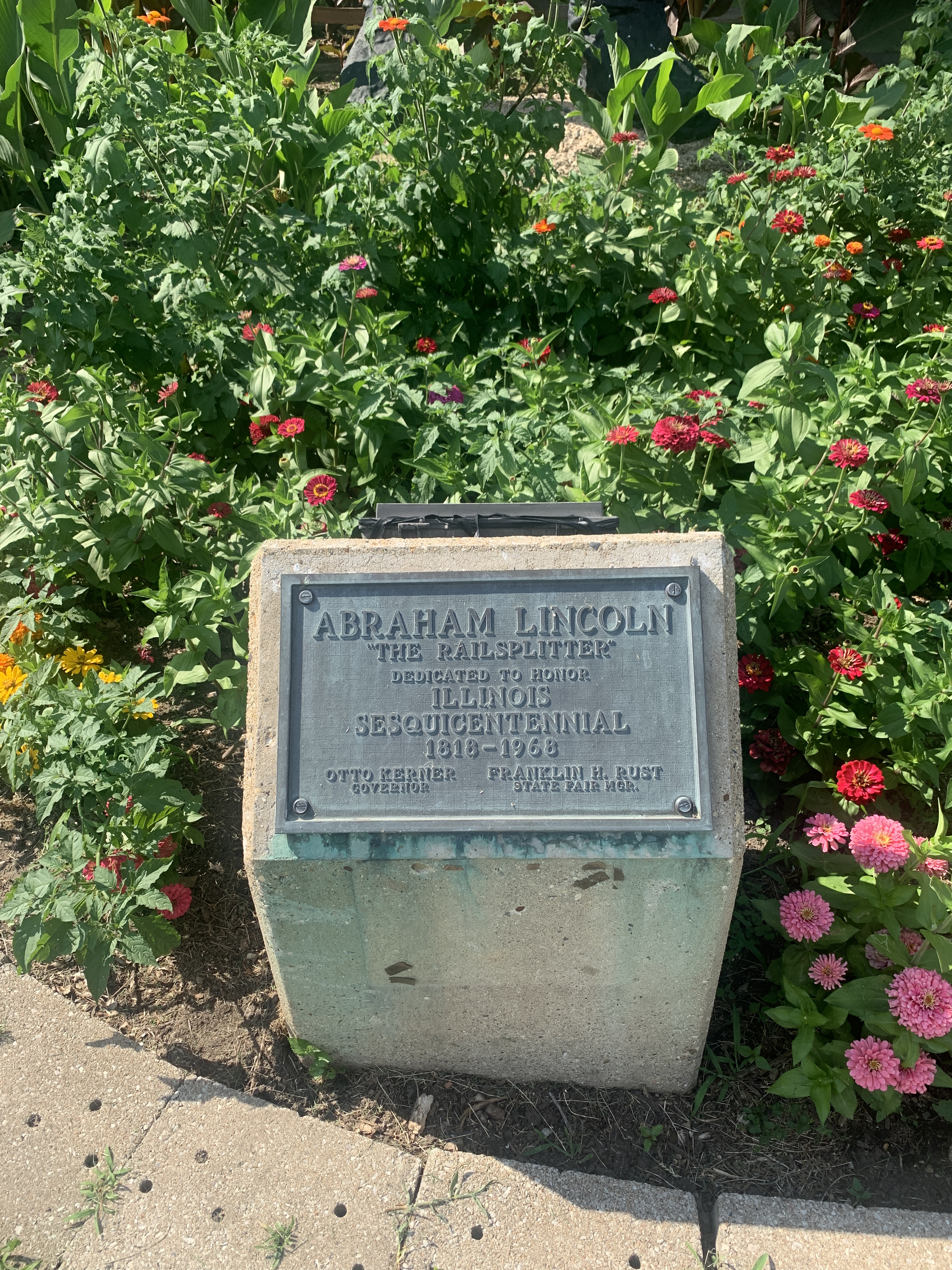
While not exactly something you ought to go out of your way to see, I felt like I needed to at least snag a picture of the Abe Lincoln Rail Splitter statue within the Illinois State Fairground. It’s tall, befitting someone of Lincoln’s size and outsized stature in terms of legacy. But also, his humble beginnings.
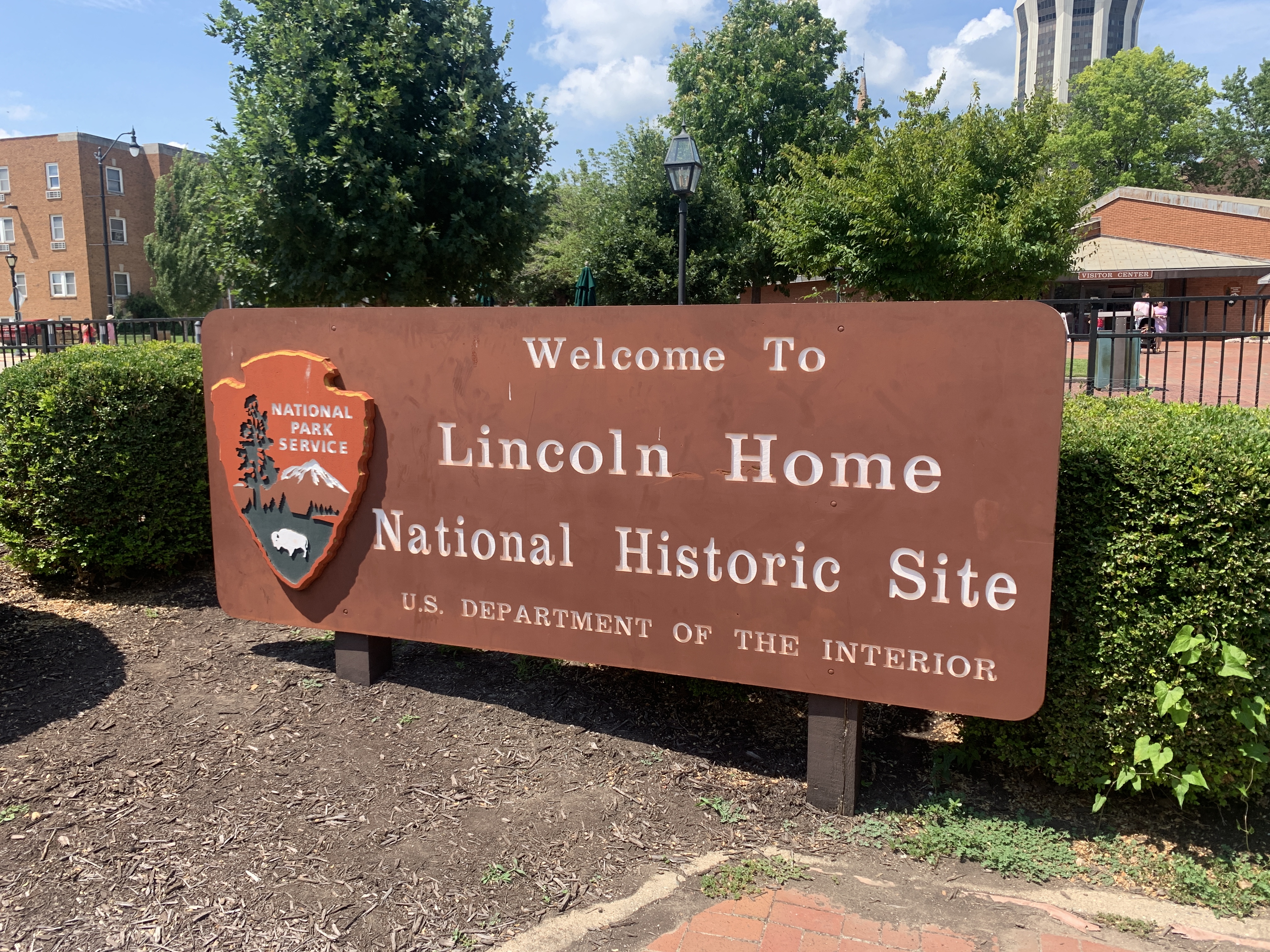
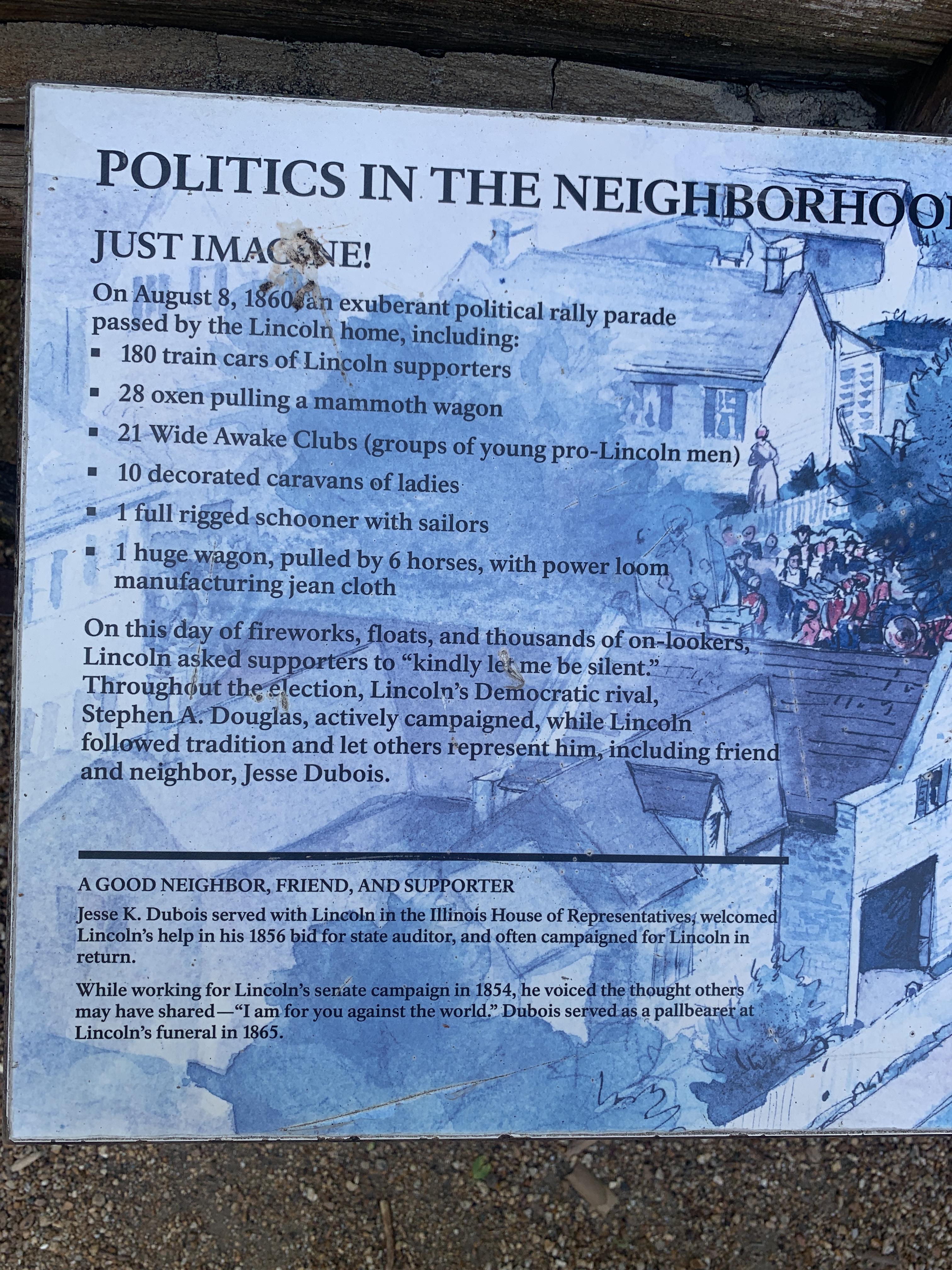
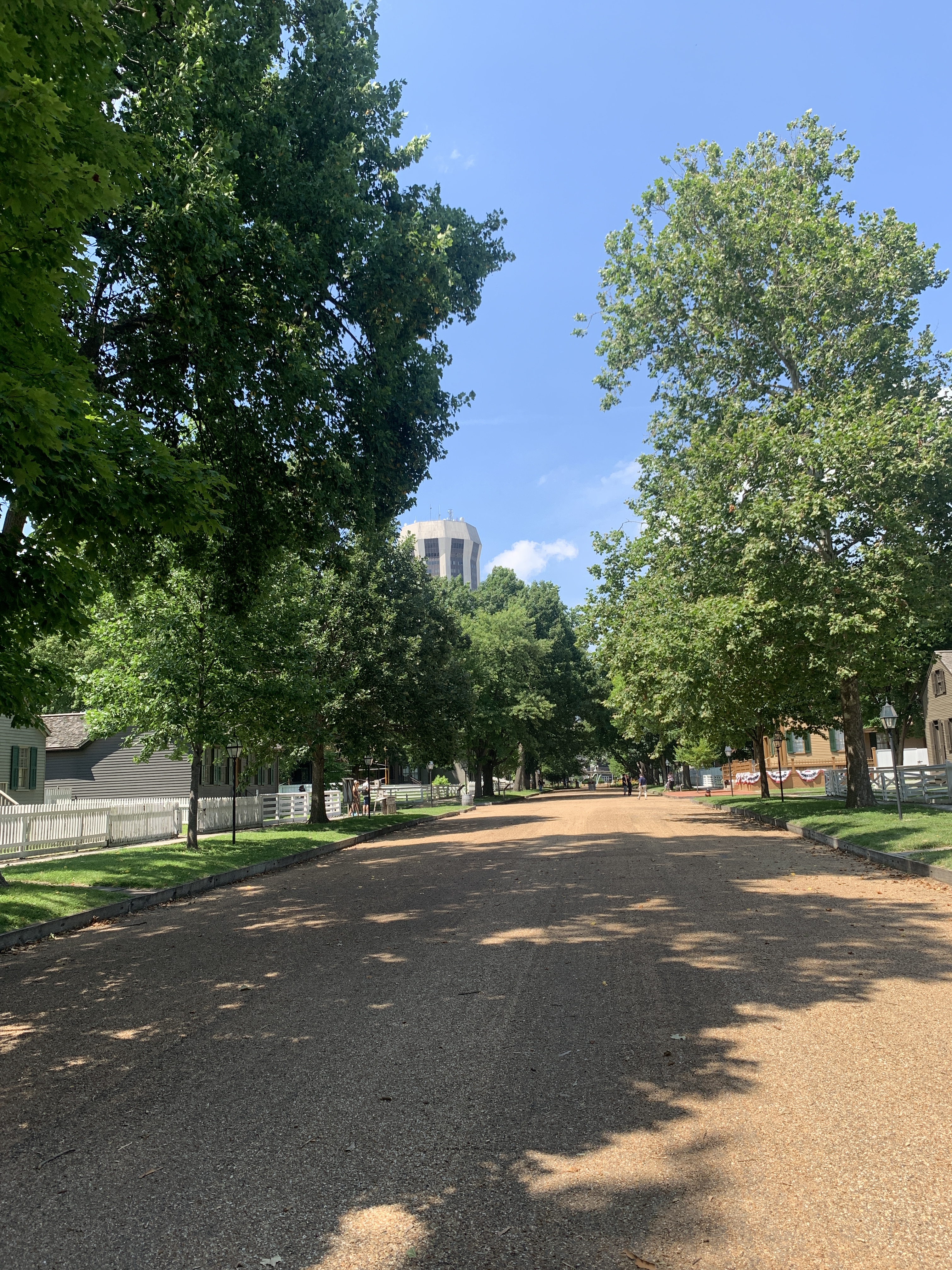
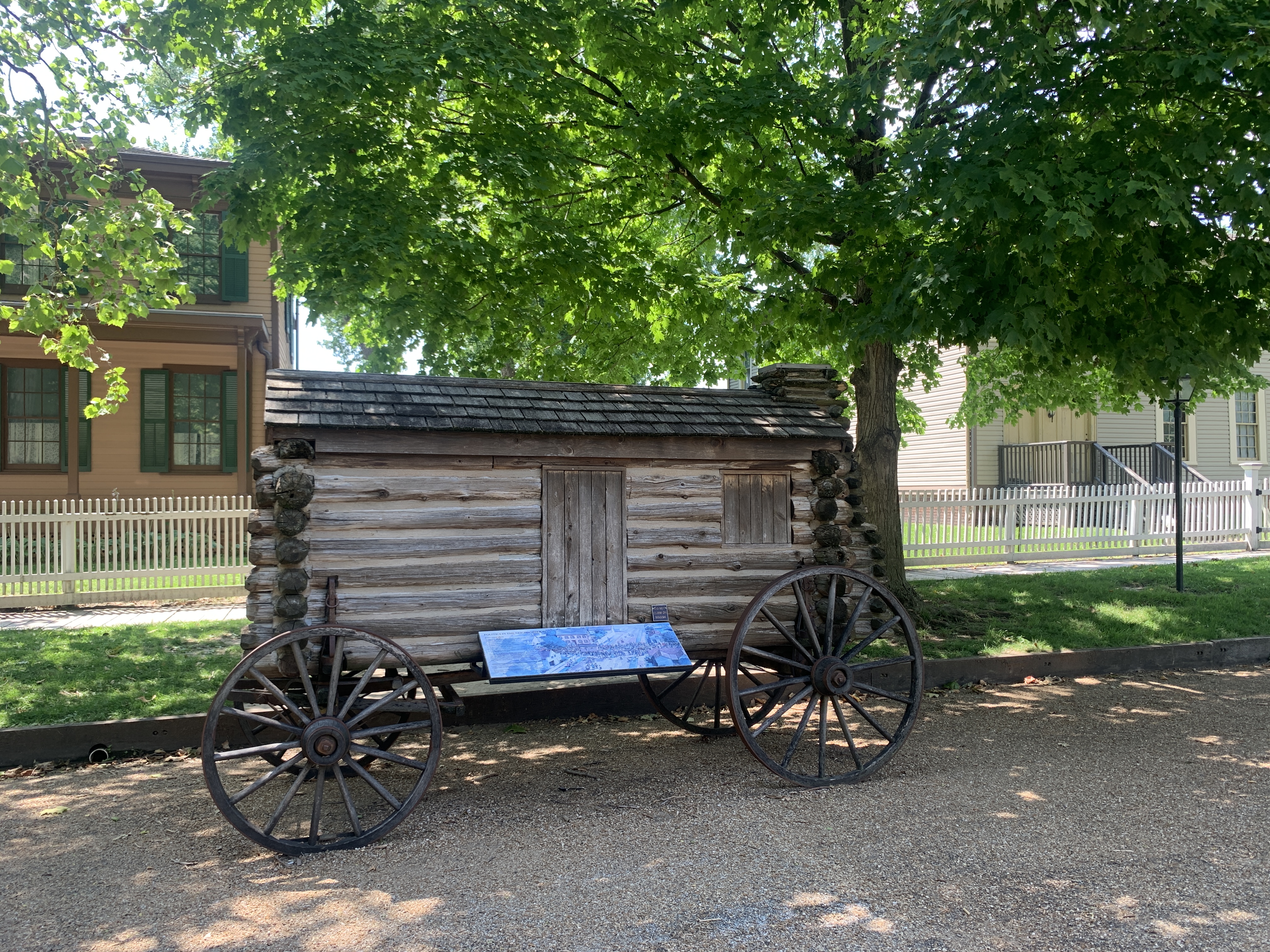
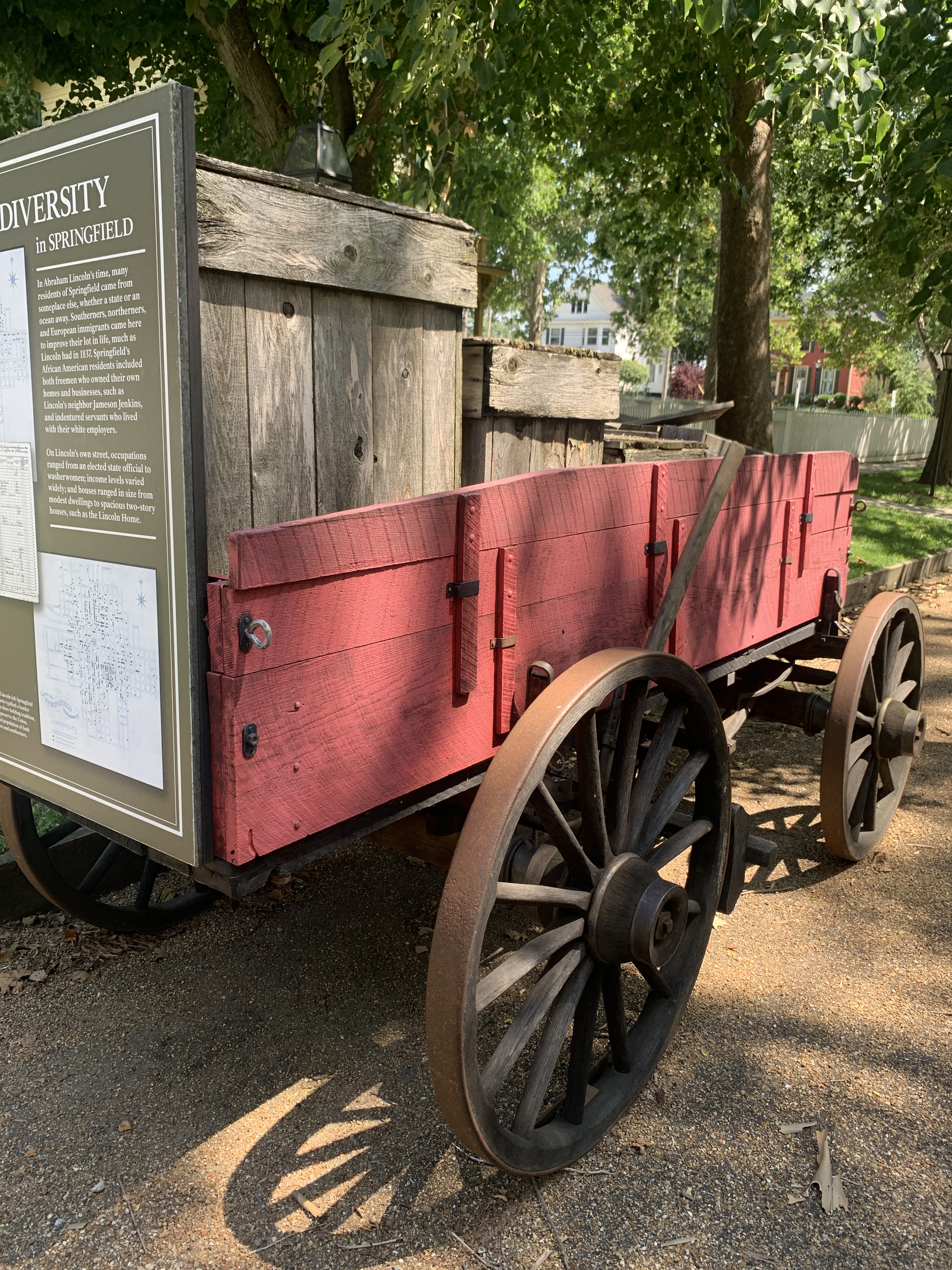
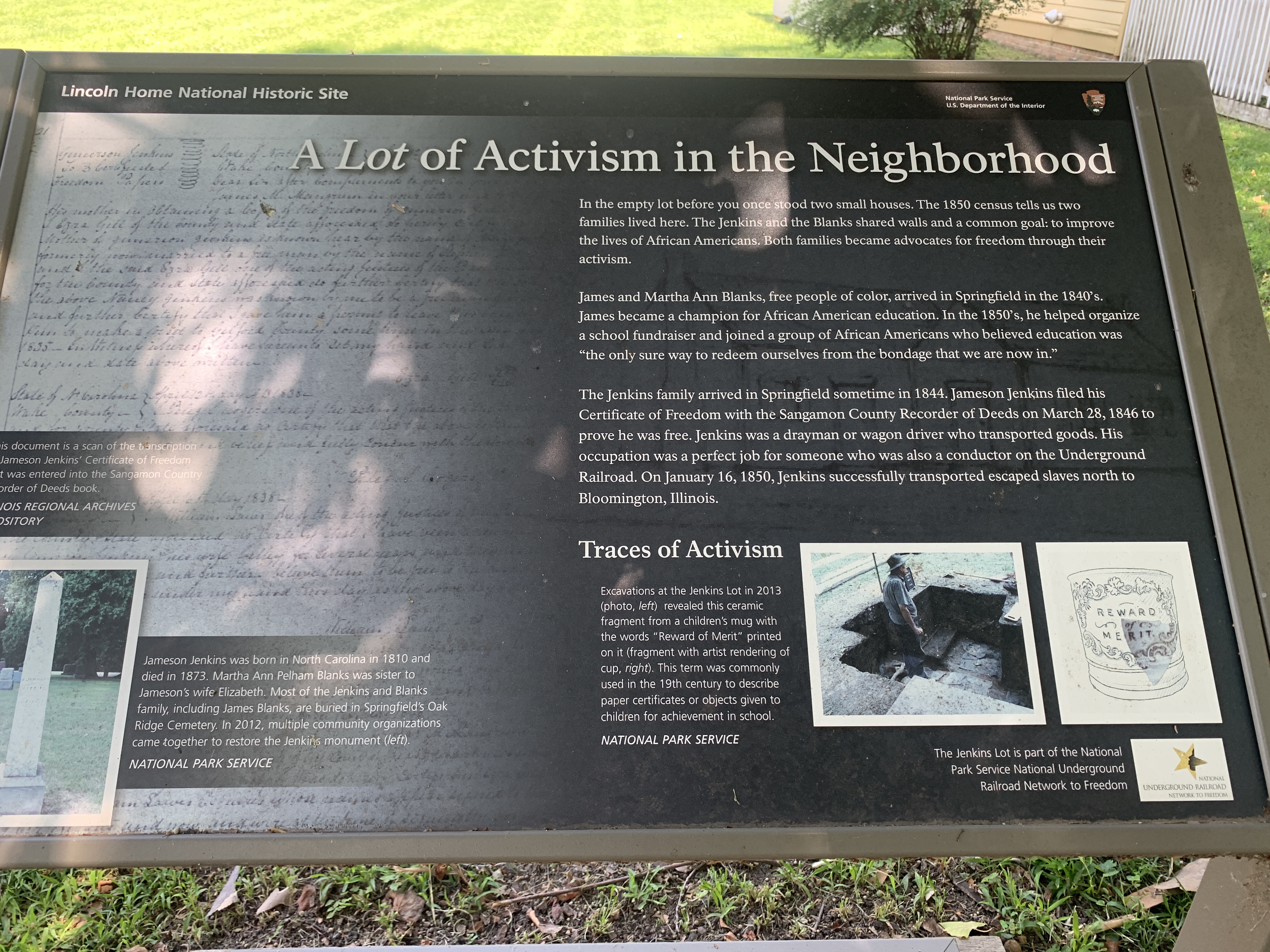
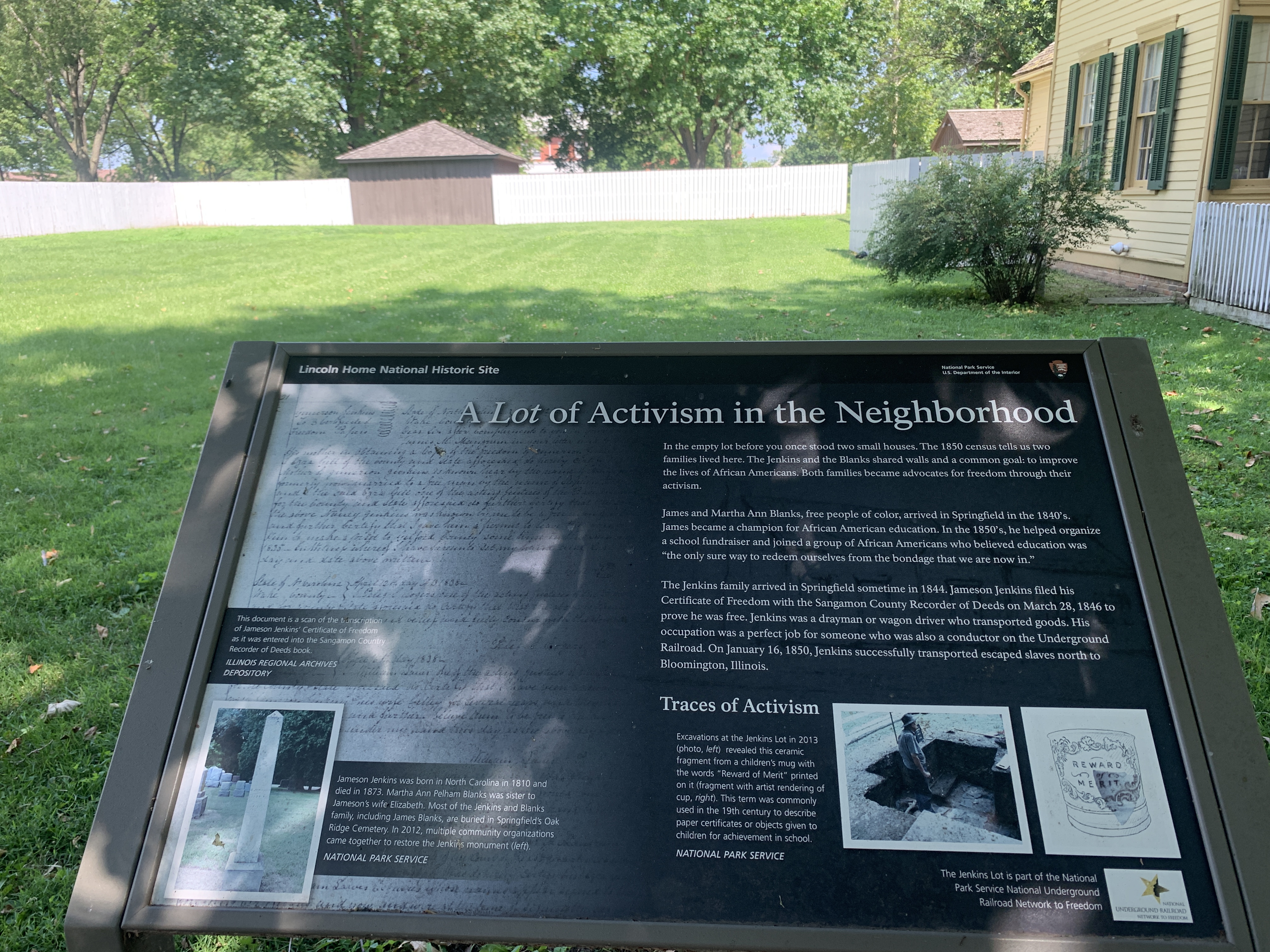
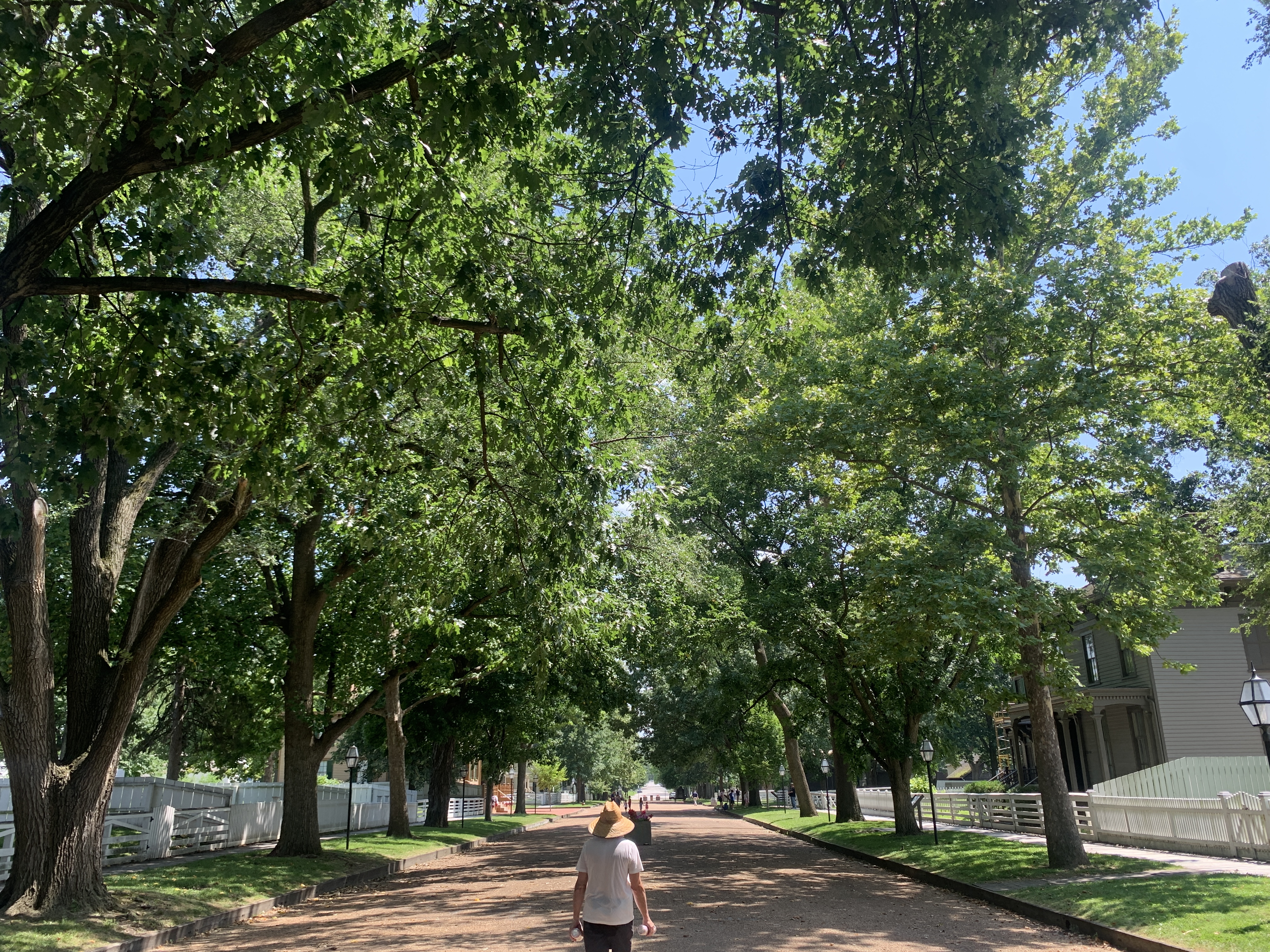
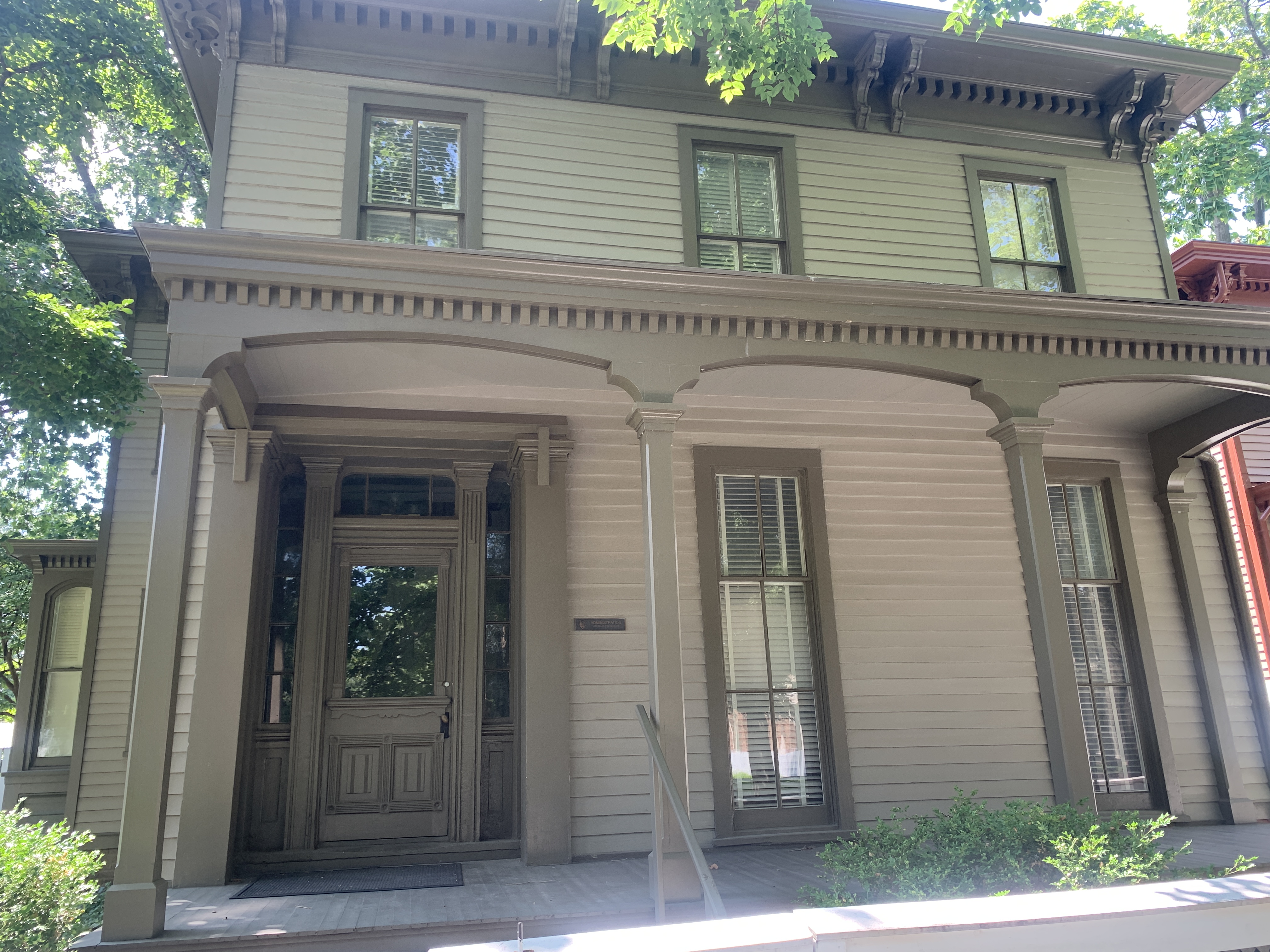
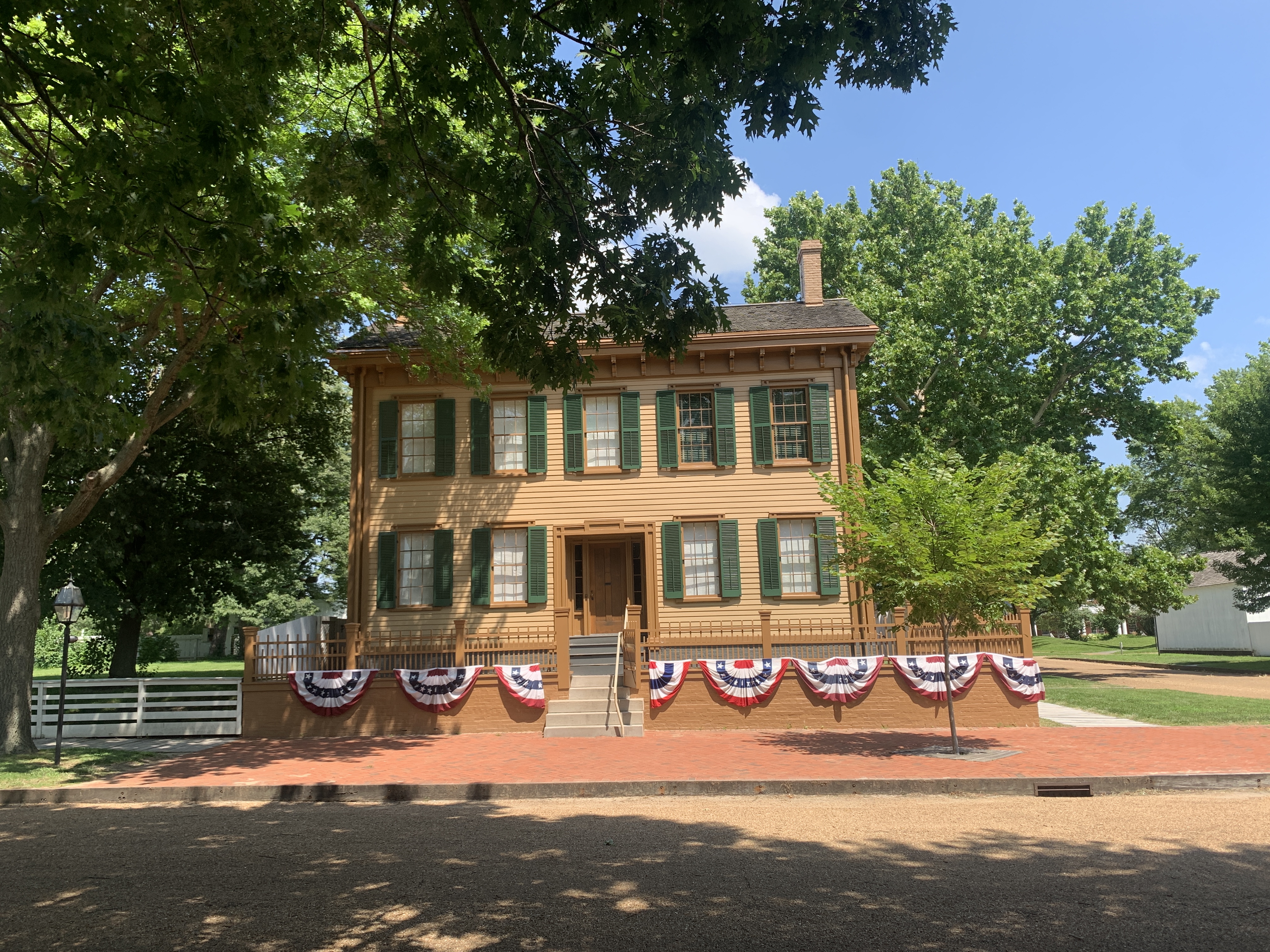
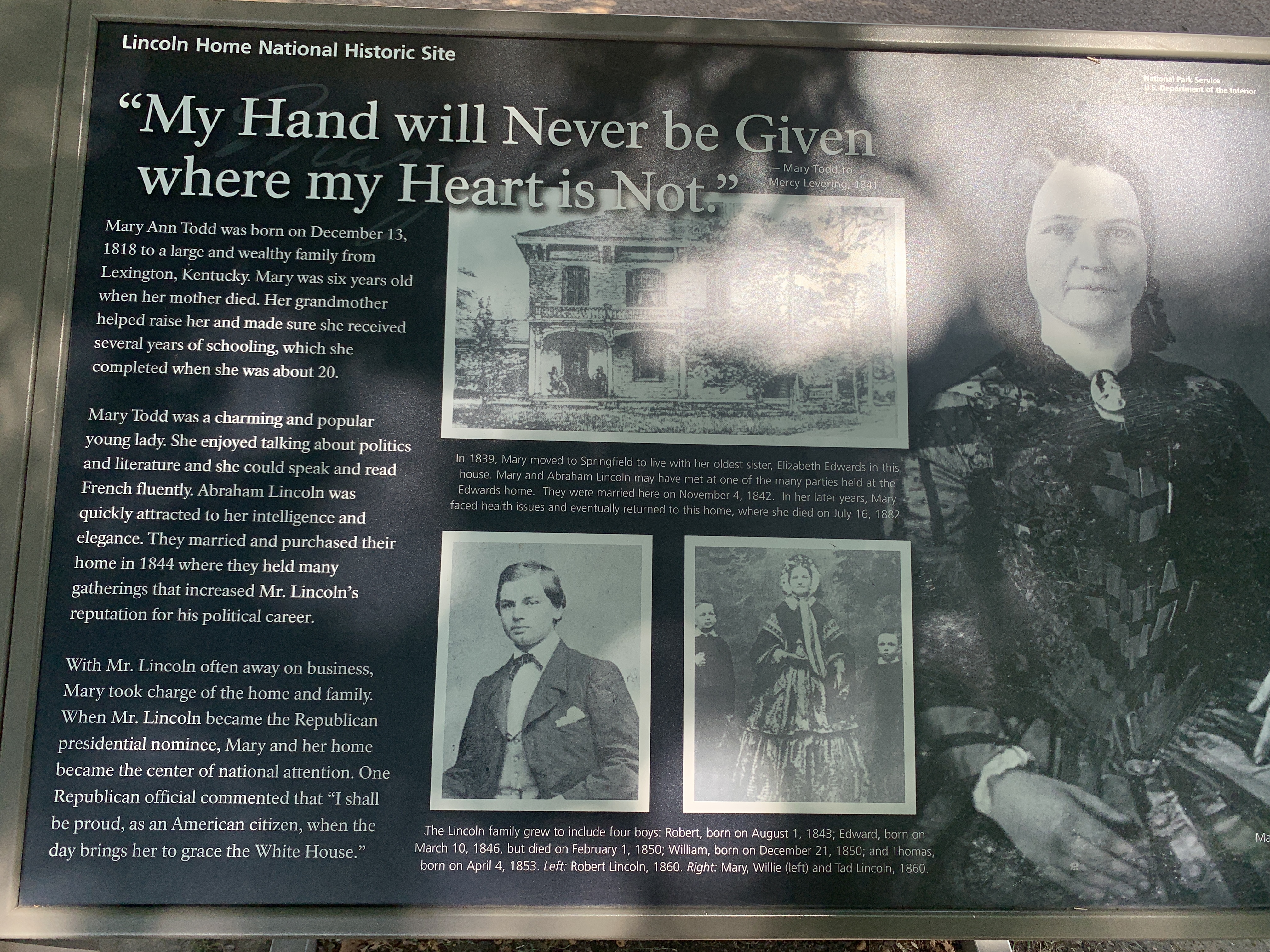
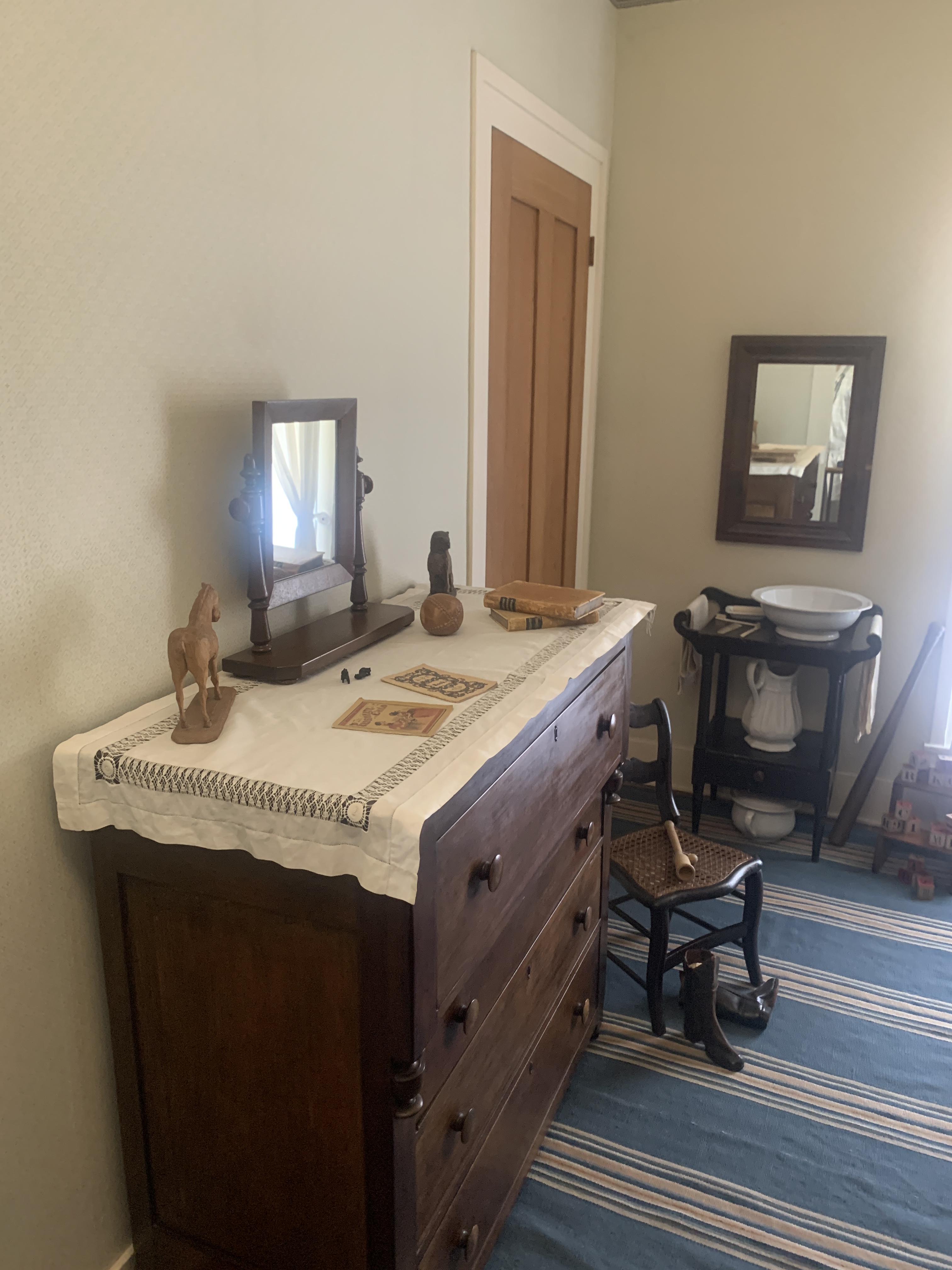
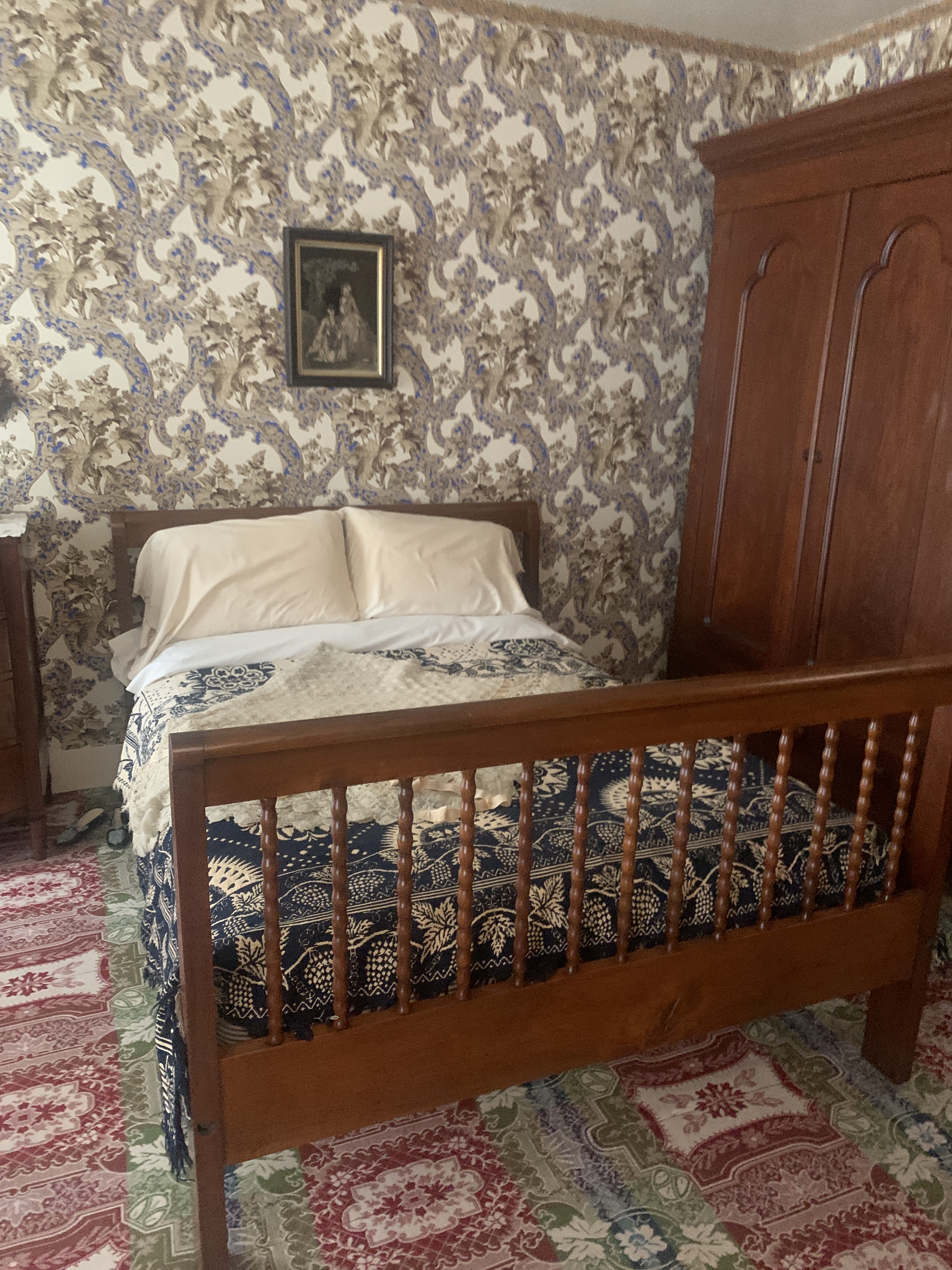
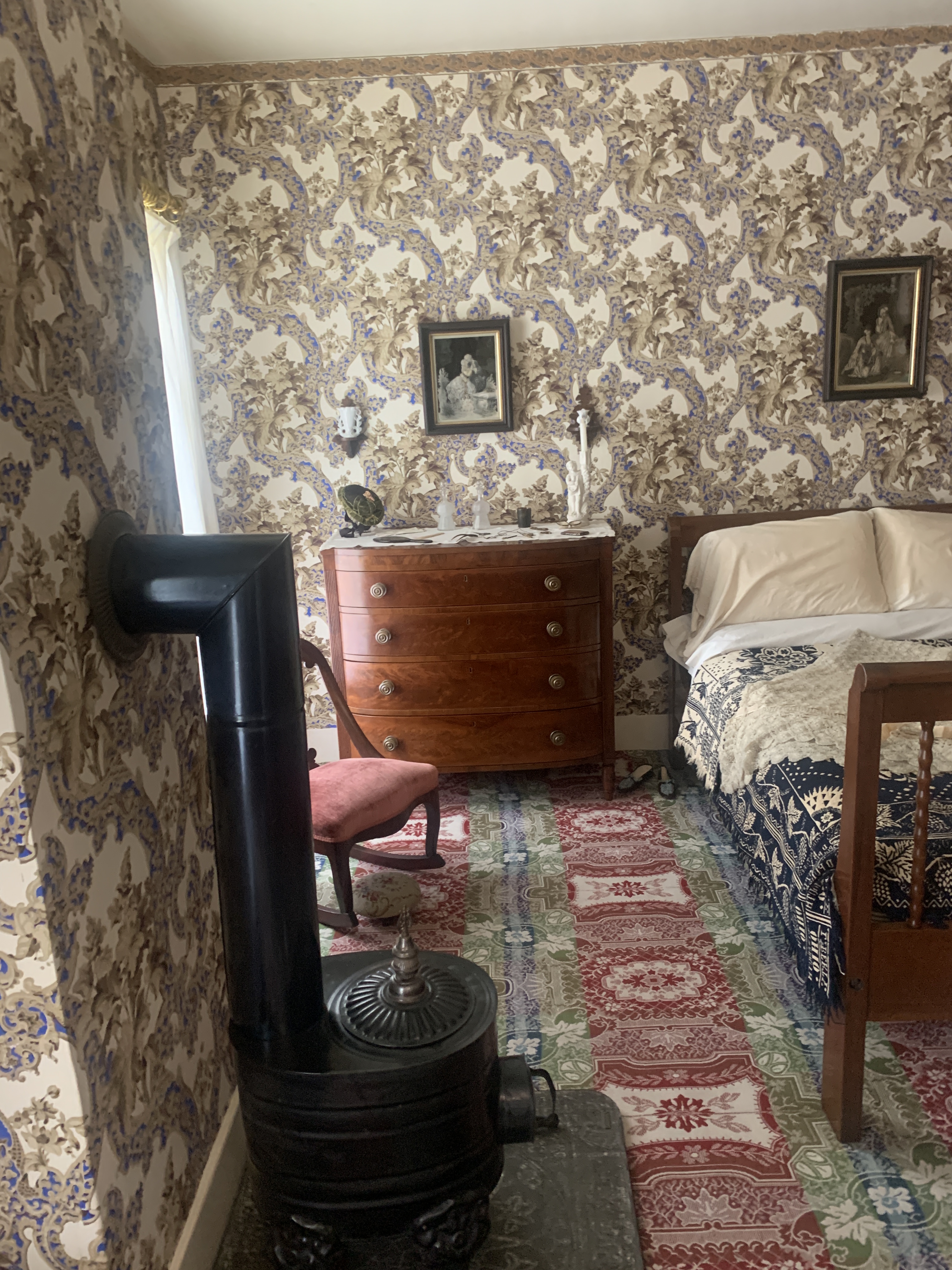
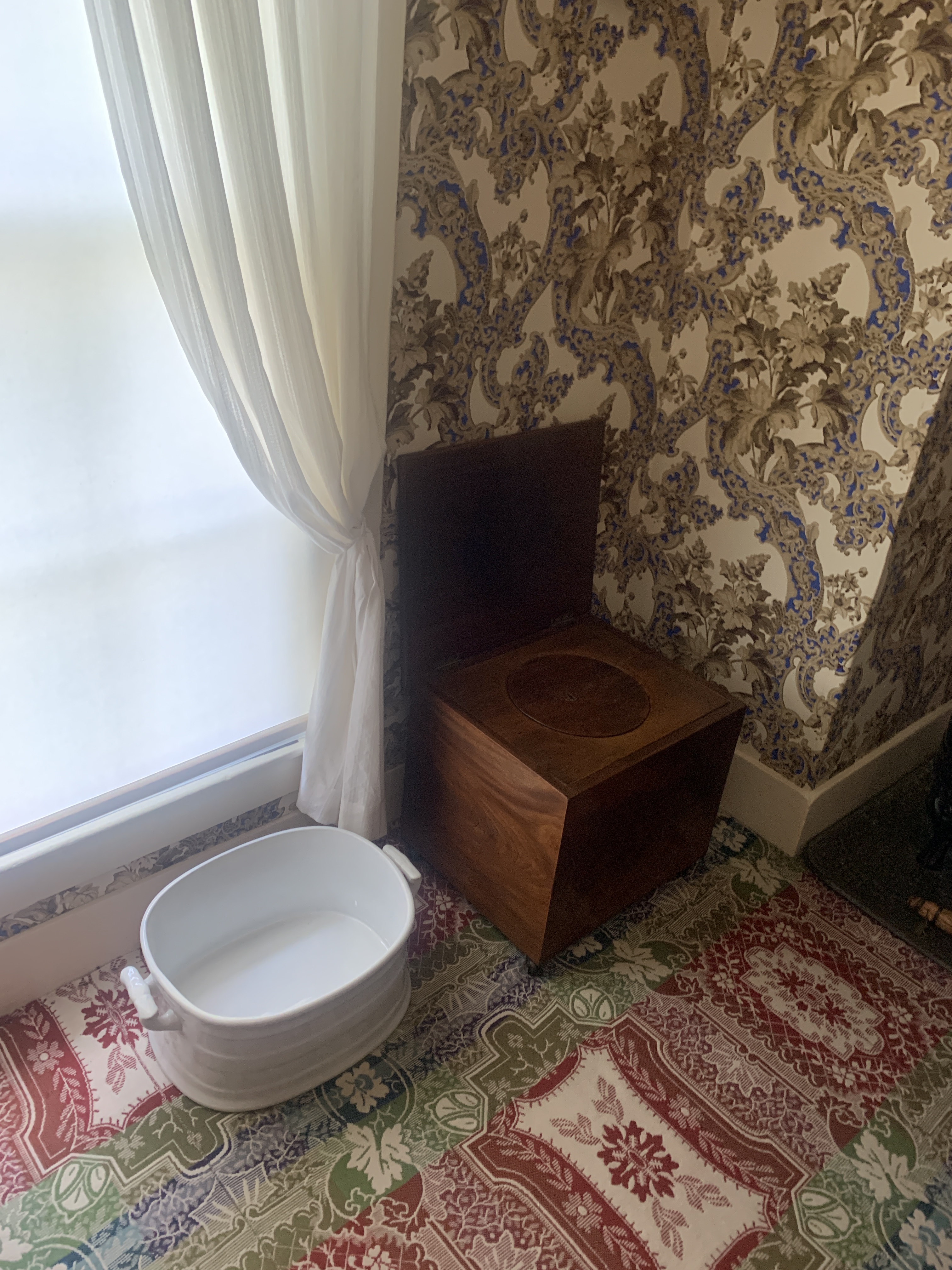
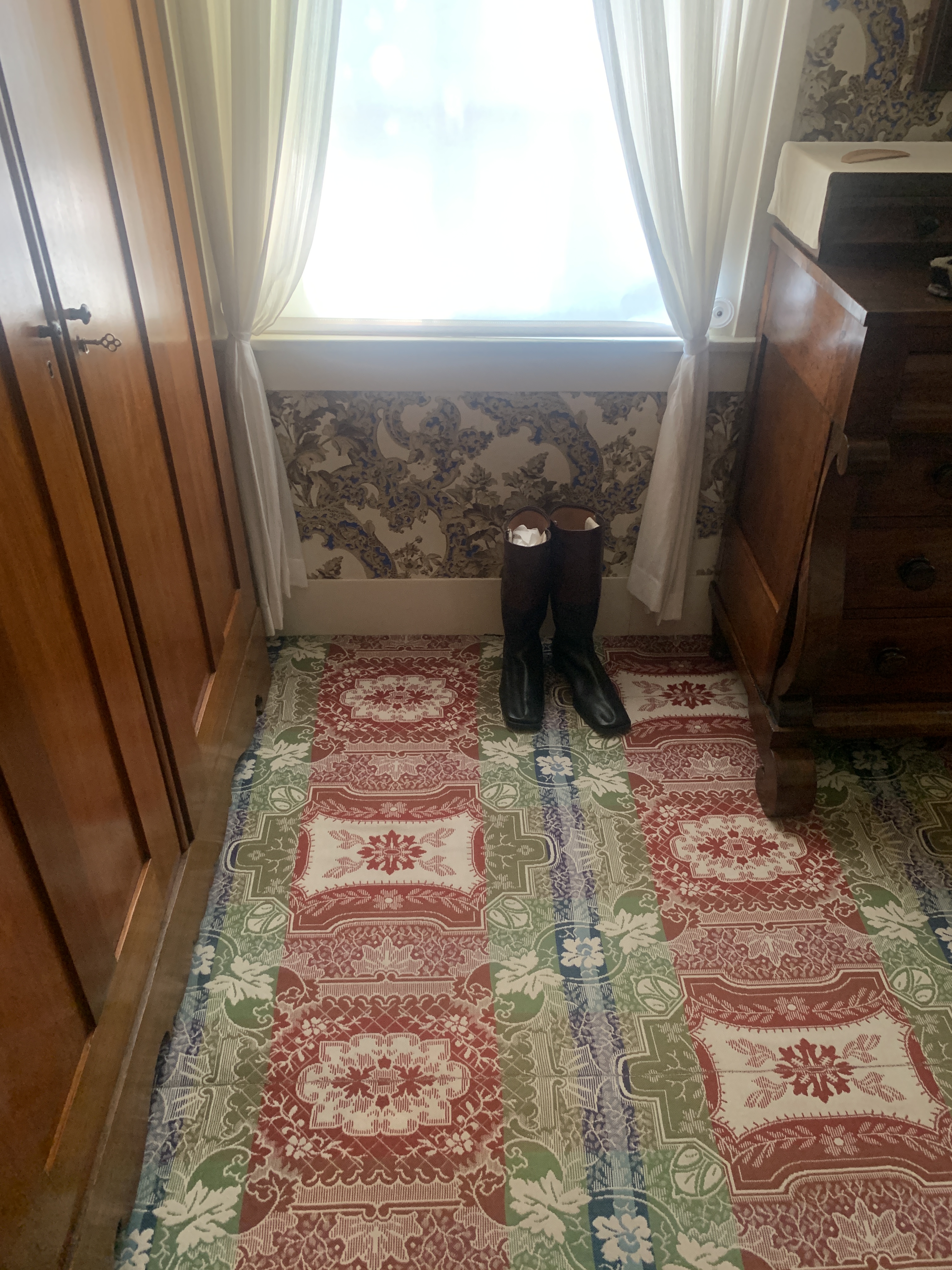
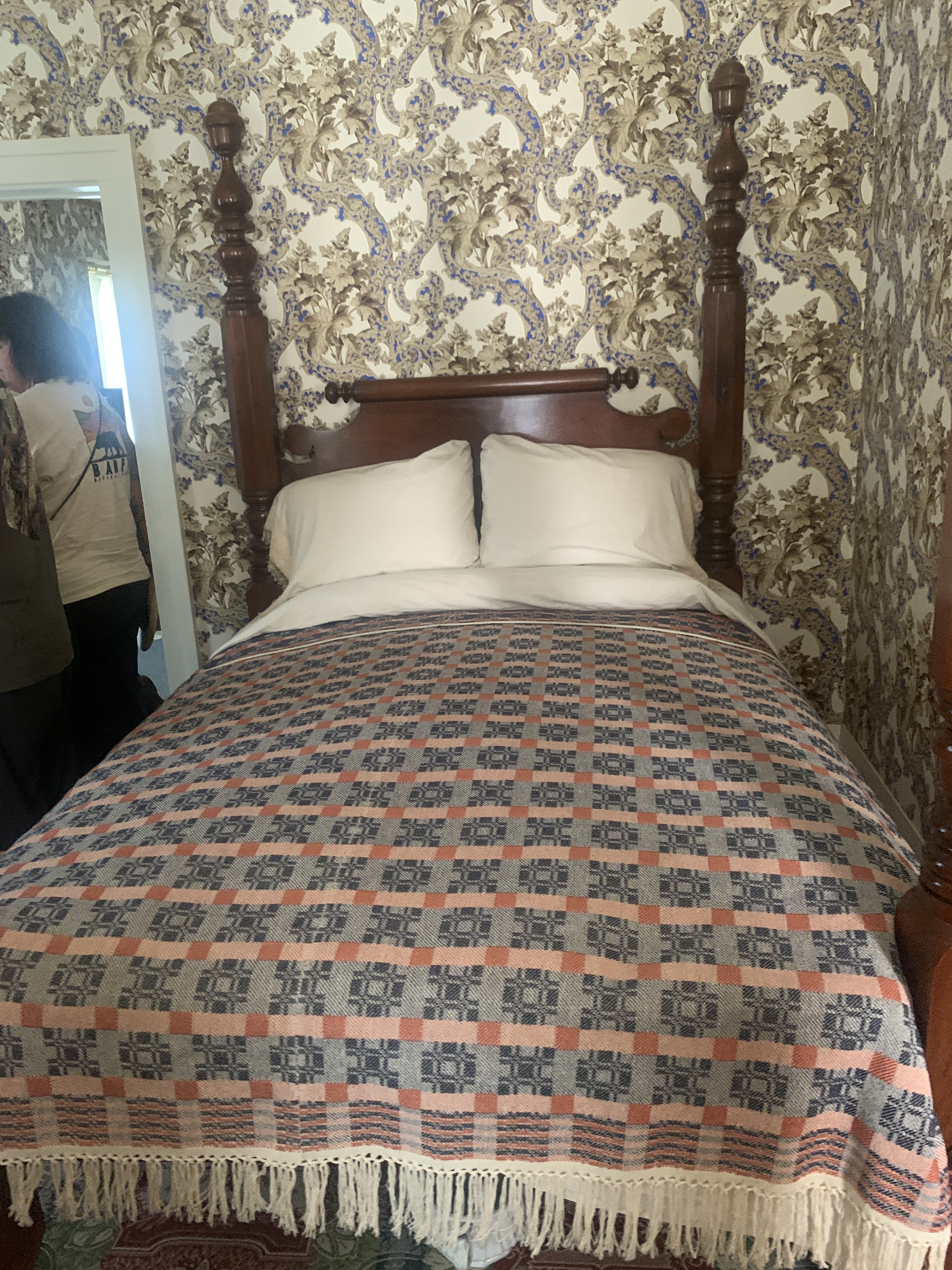
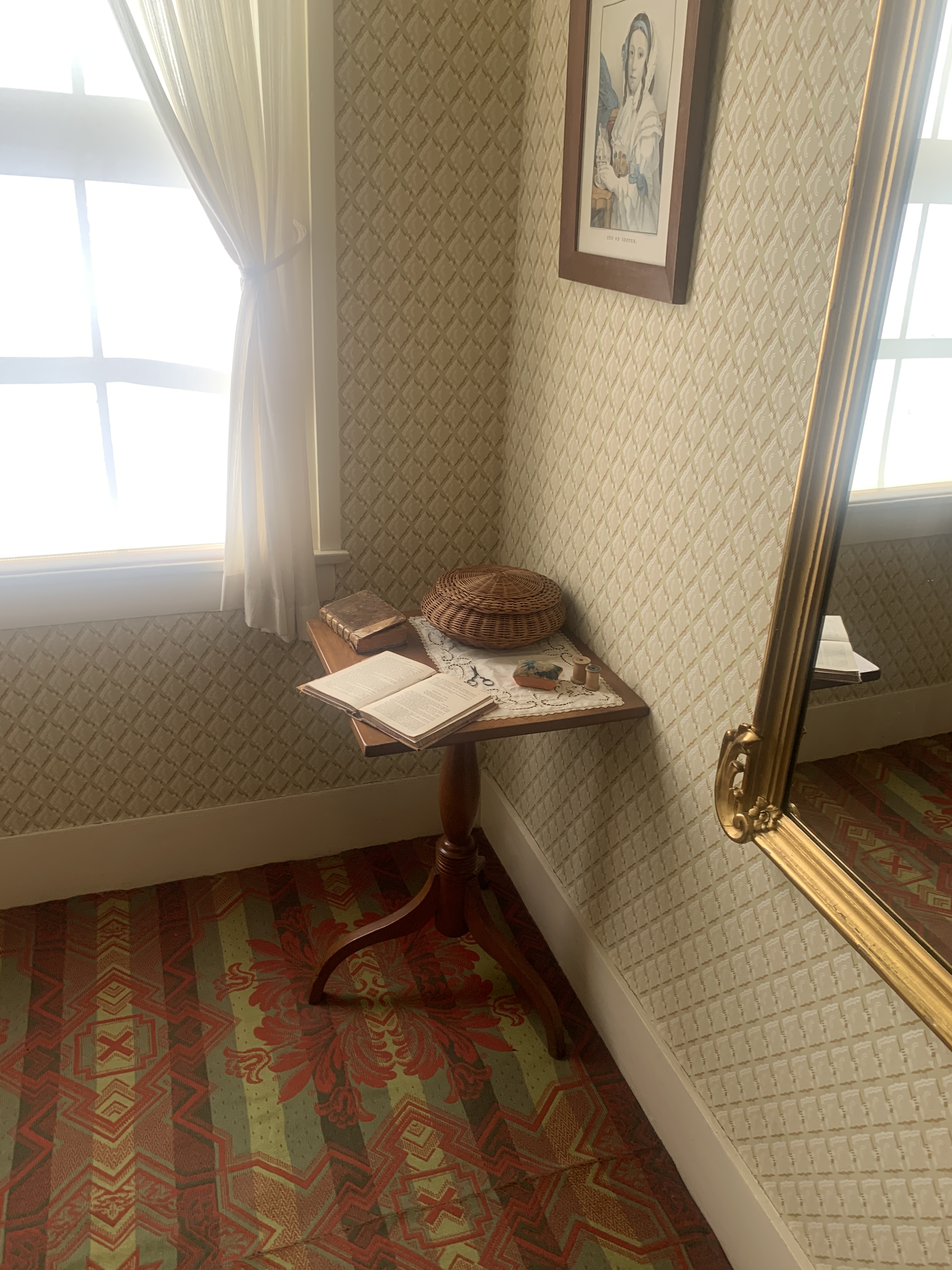
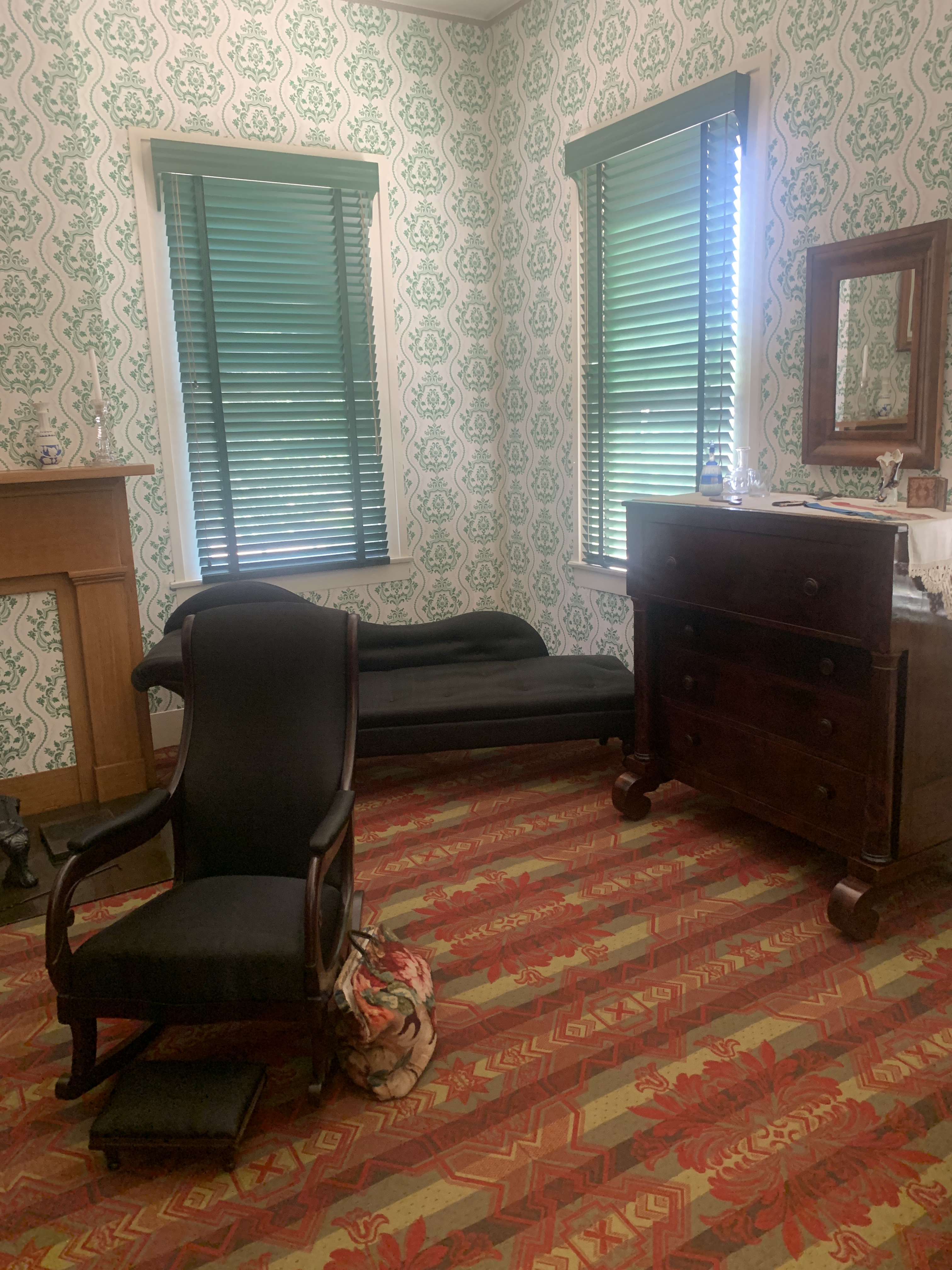
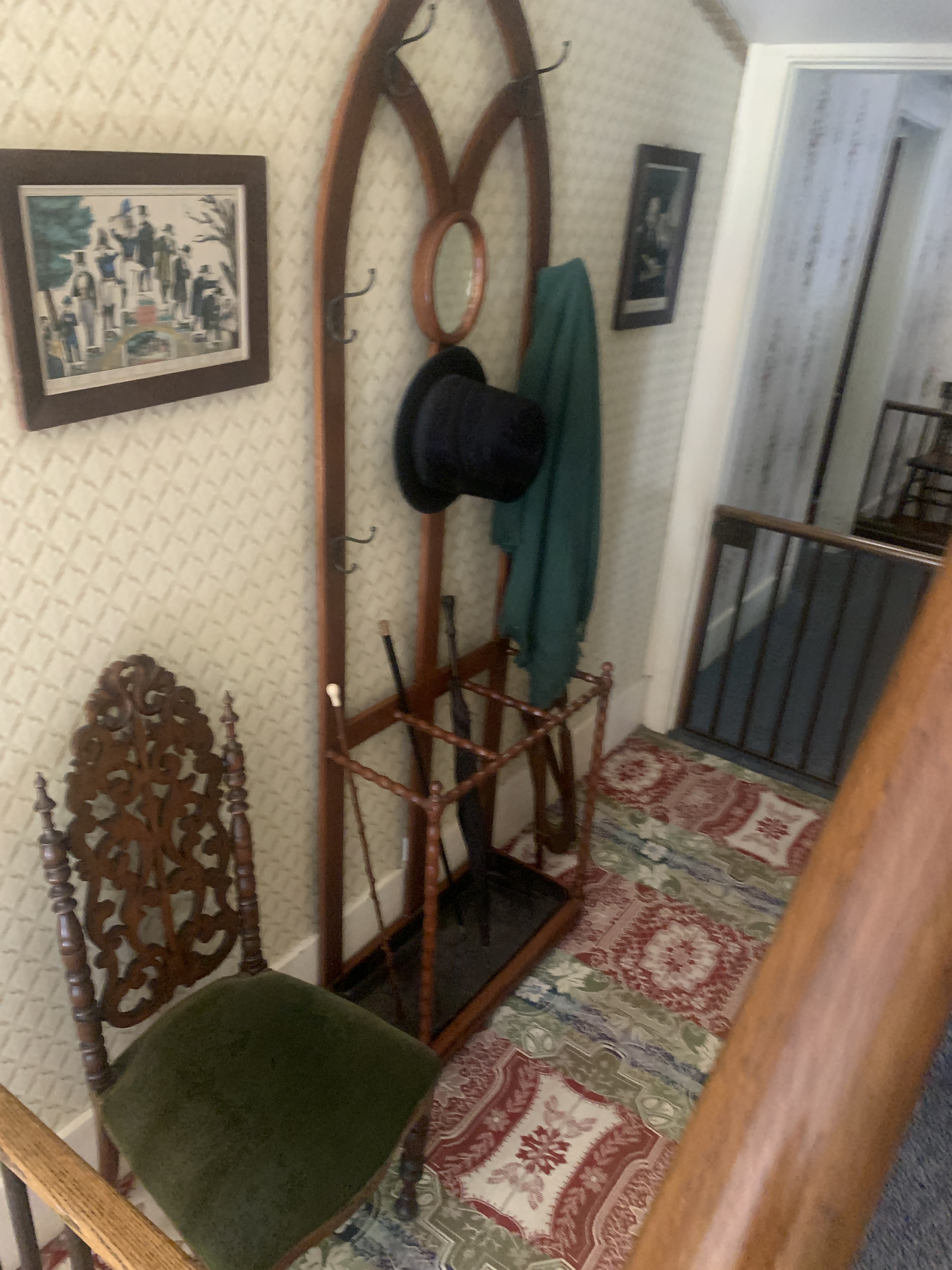
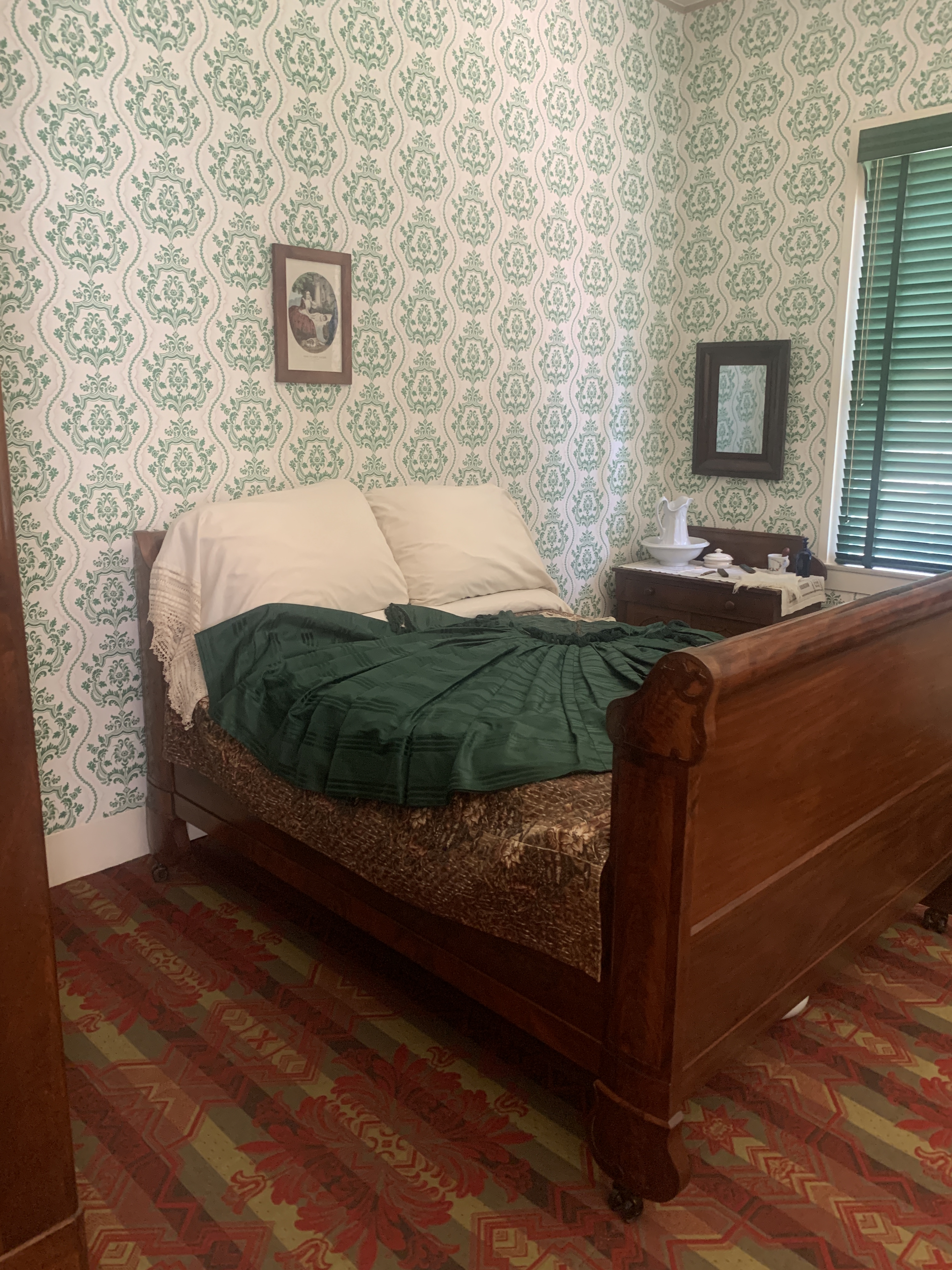
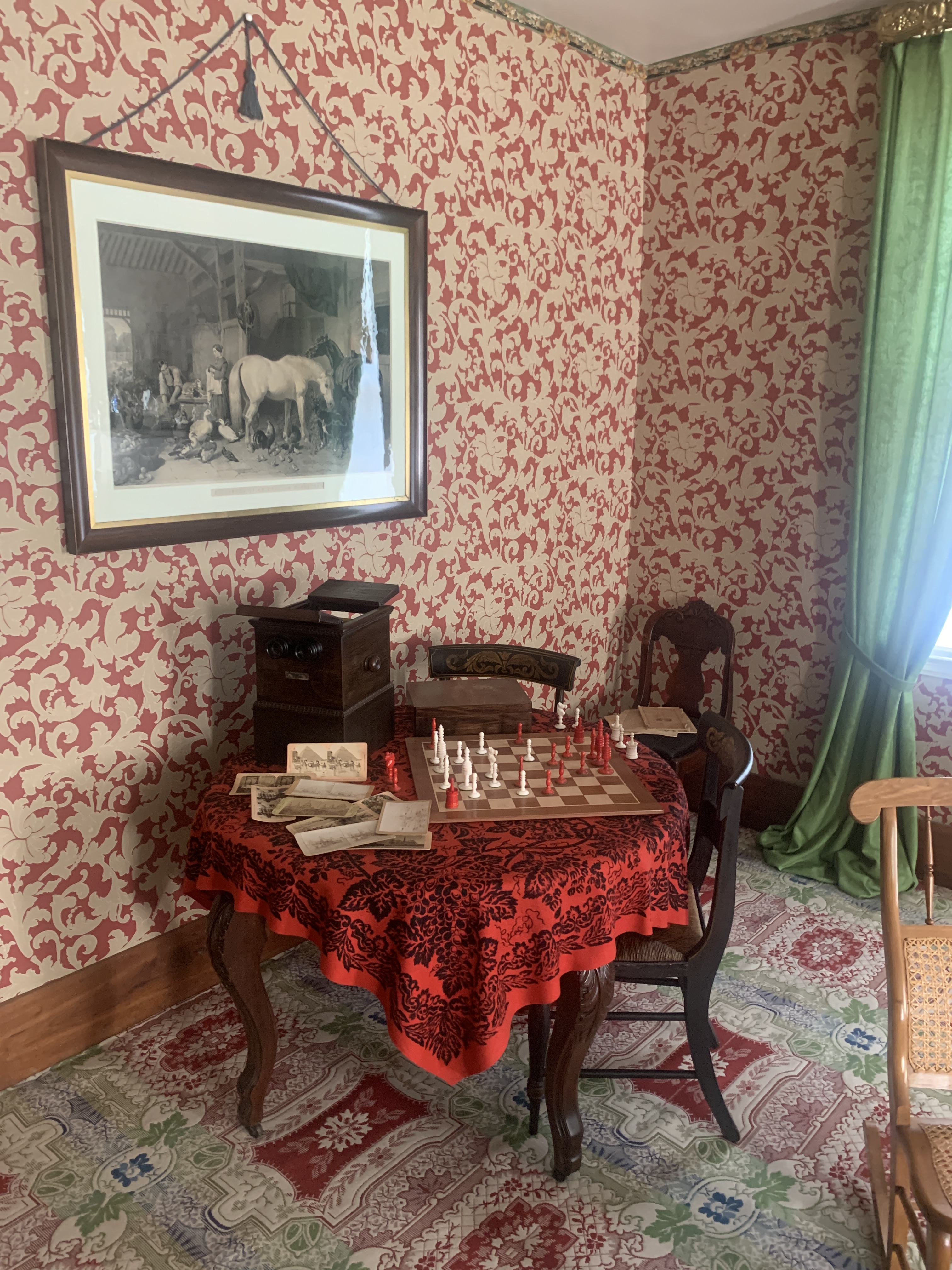
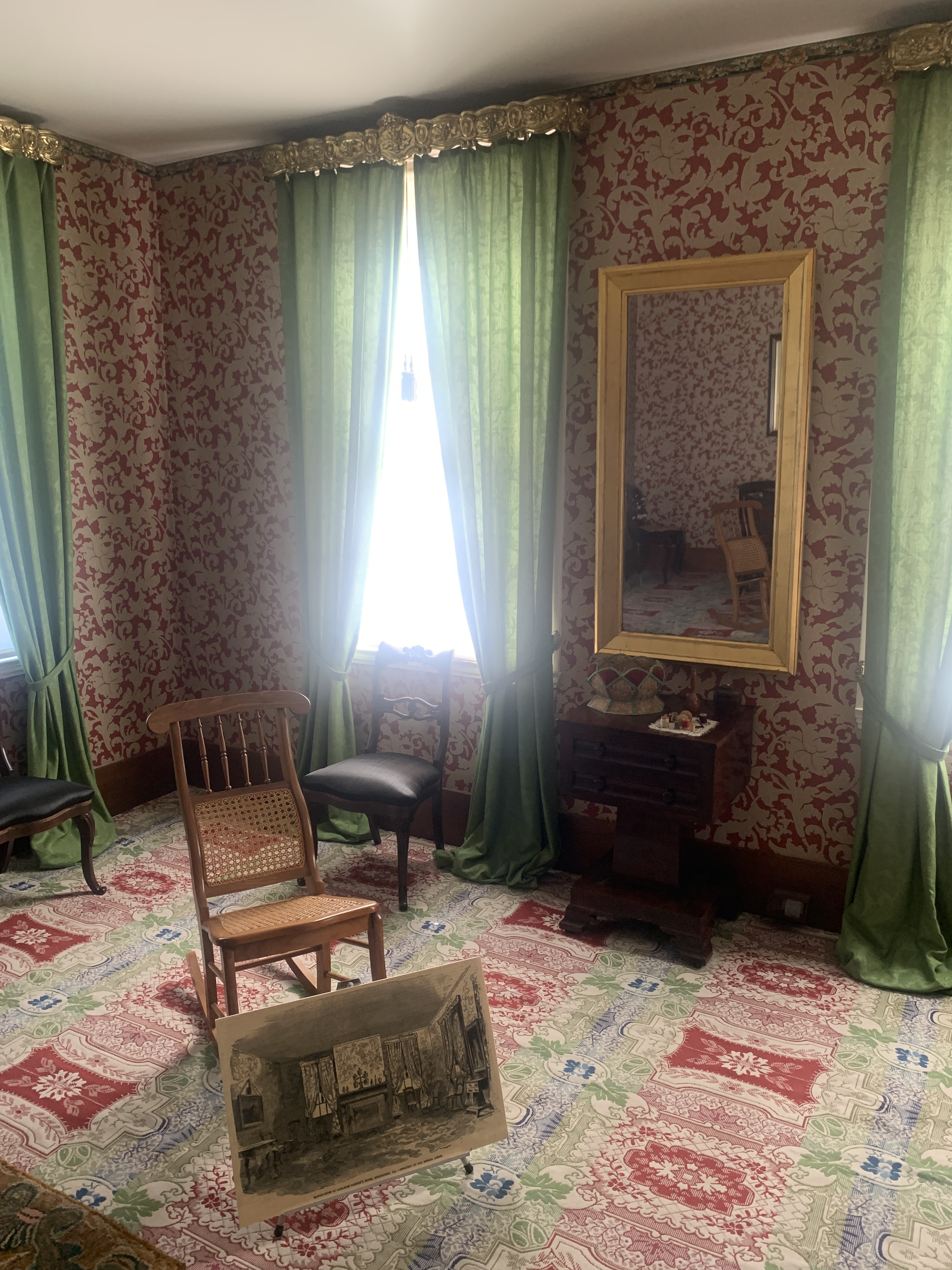
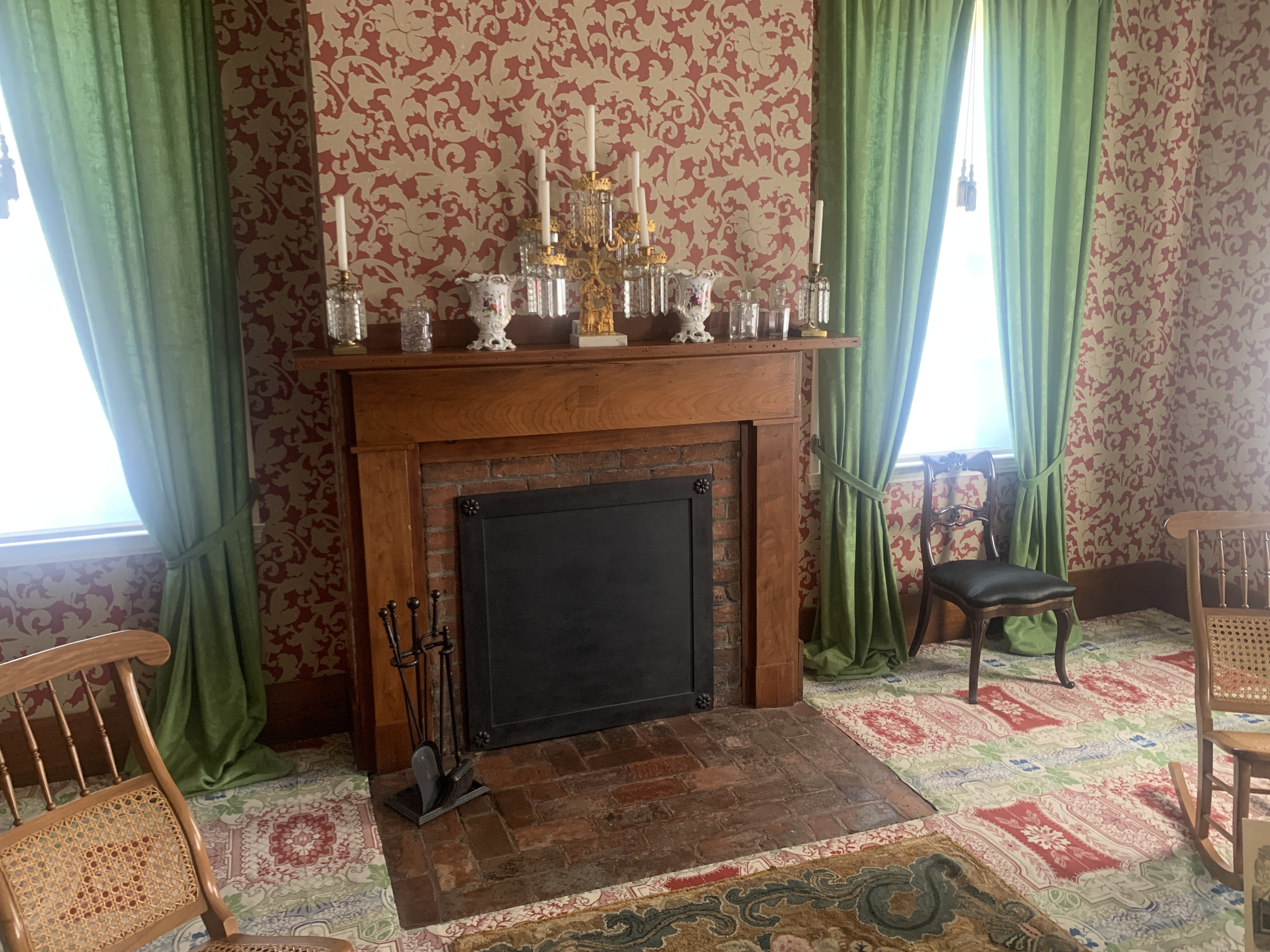
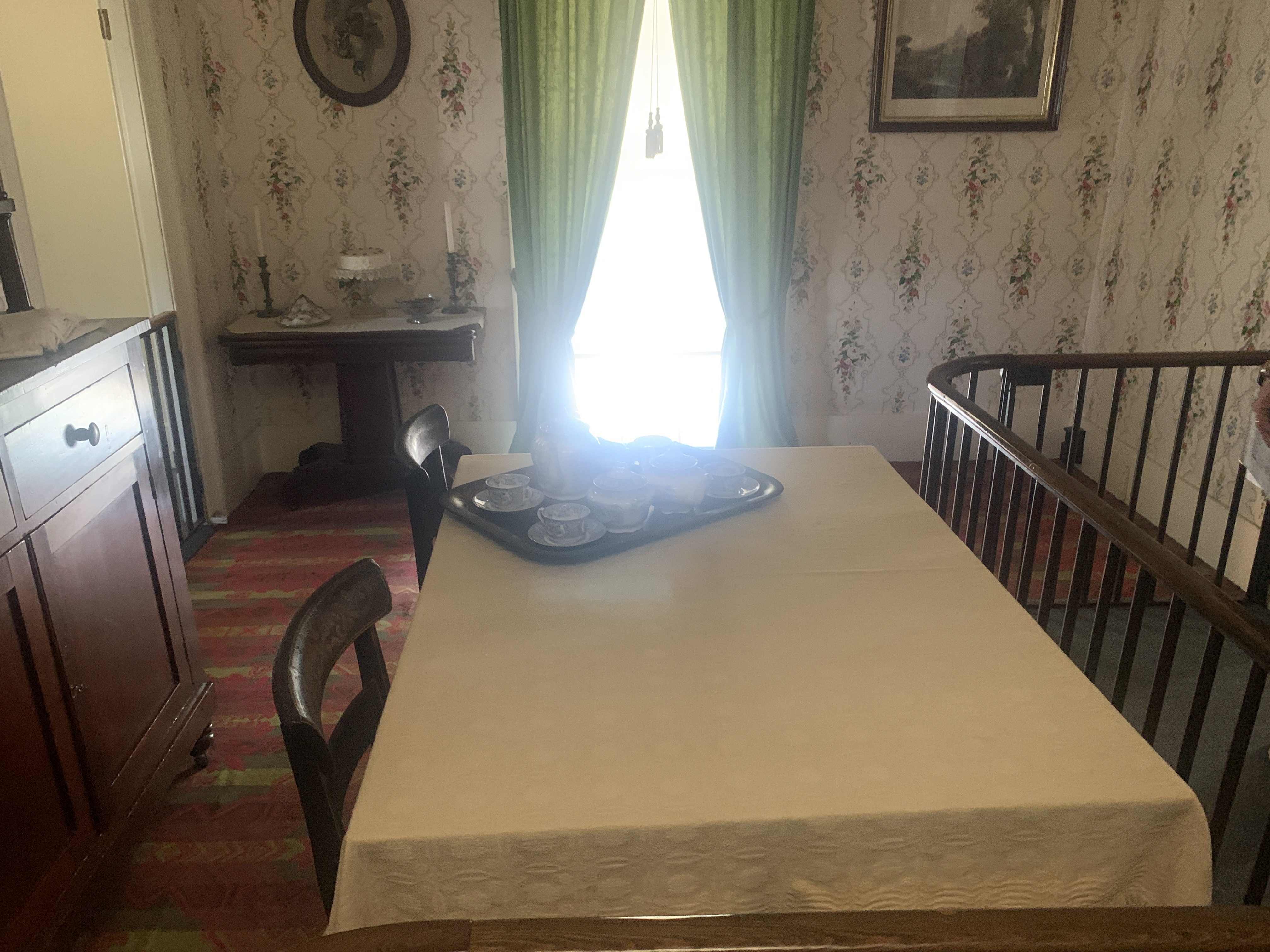
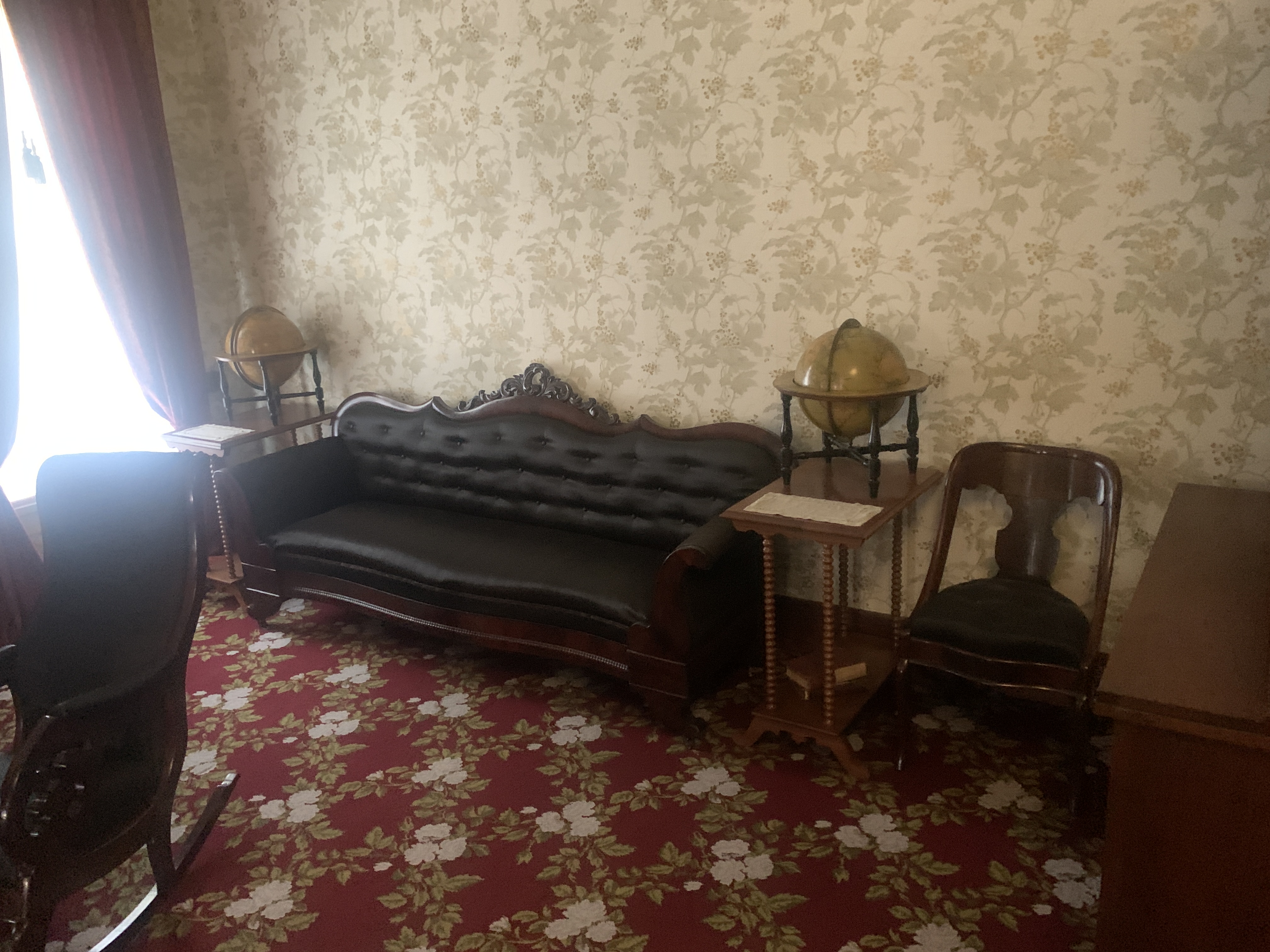
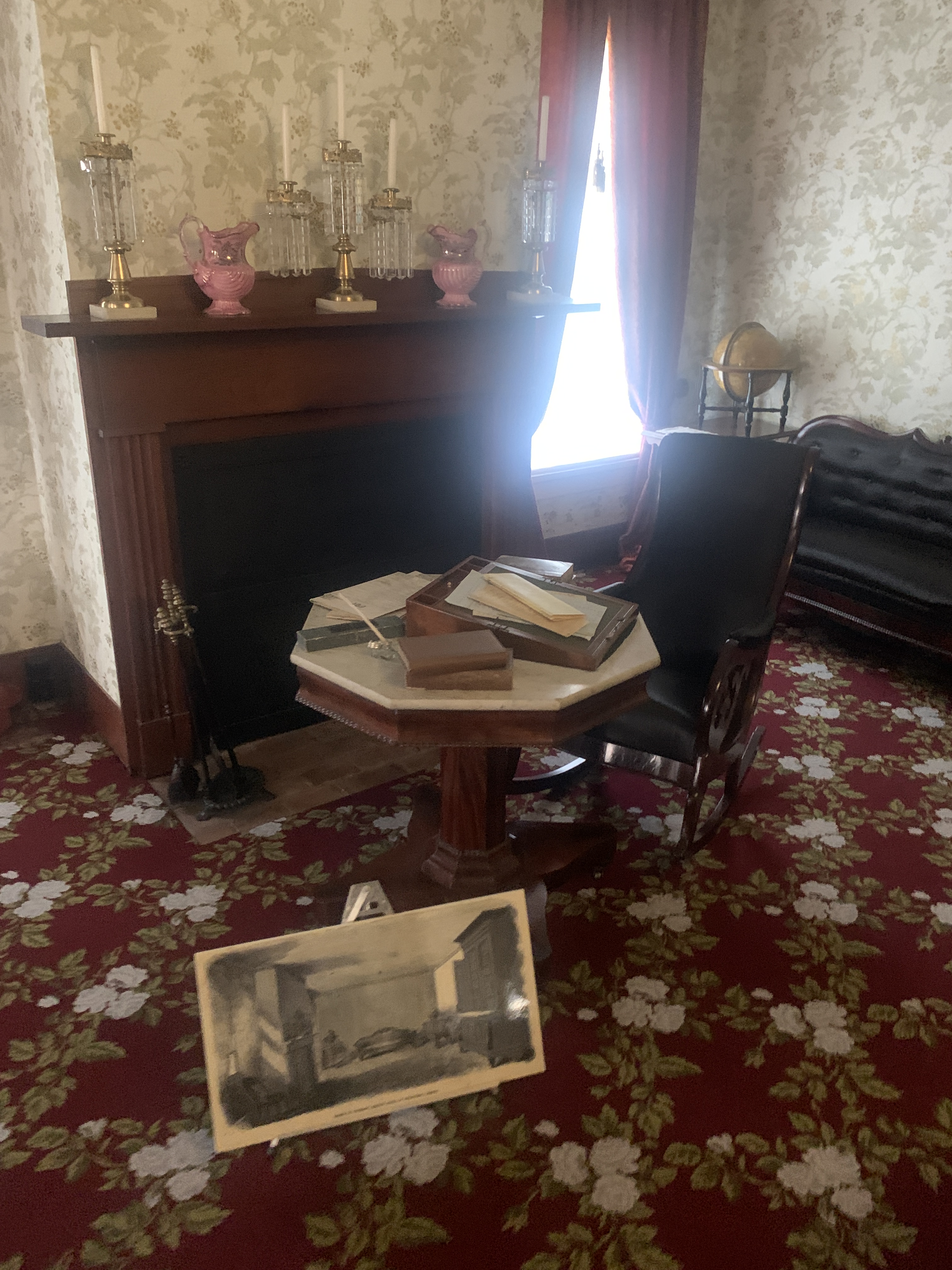
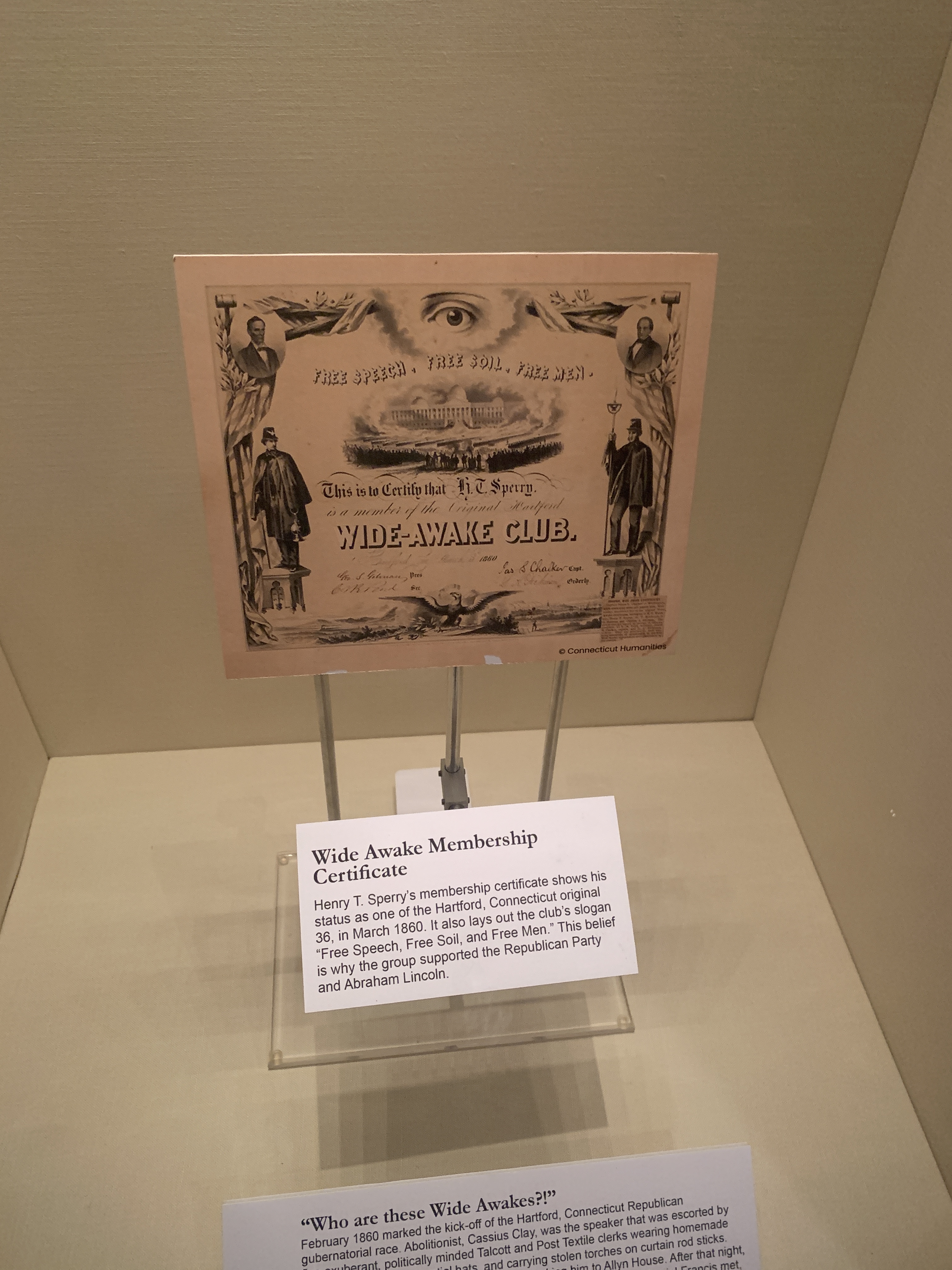
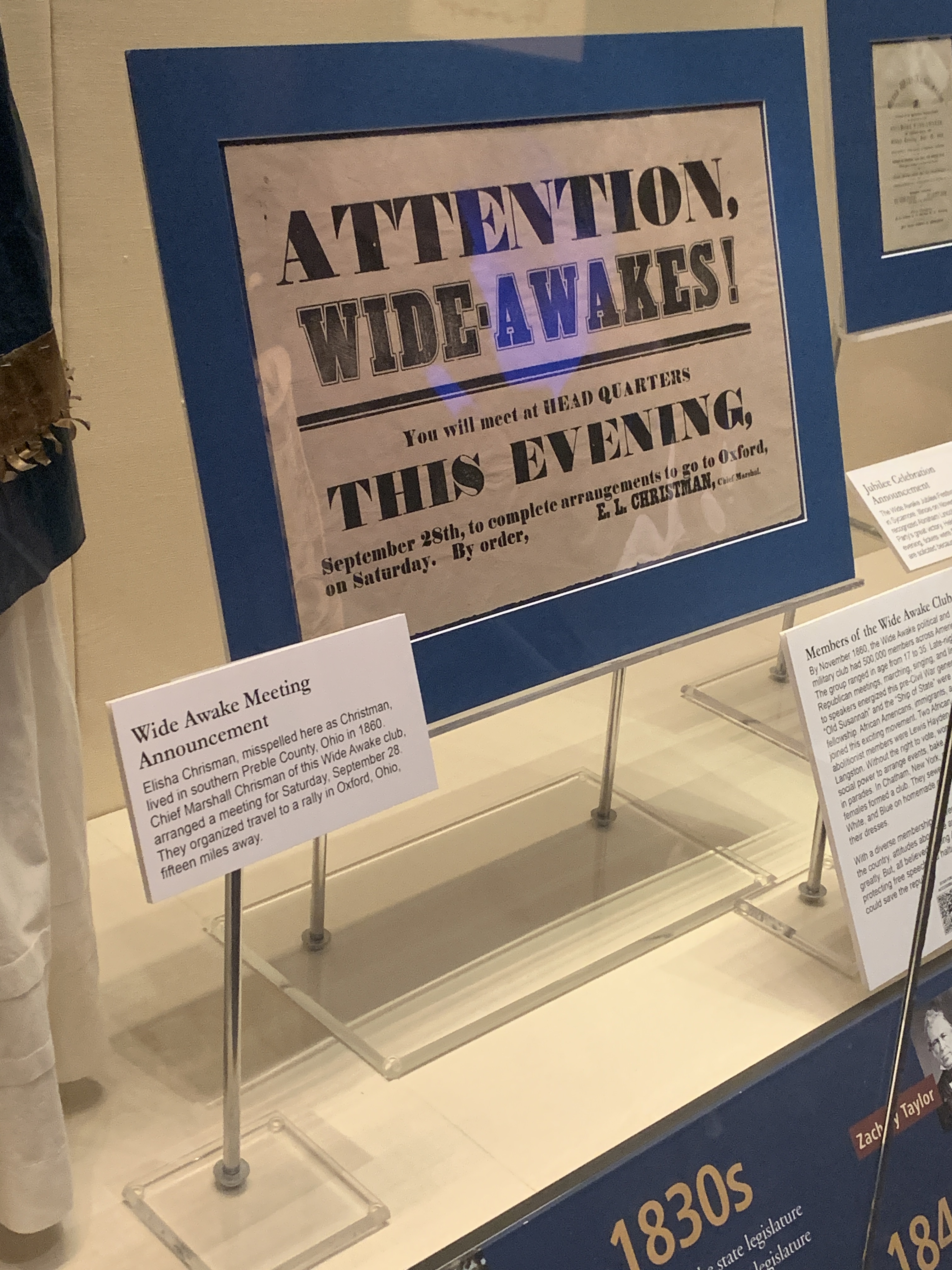
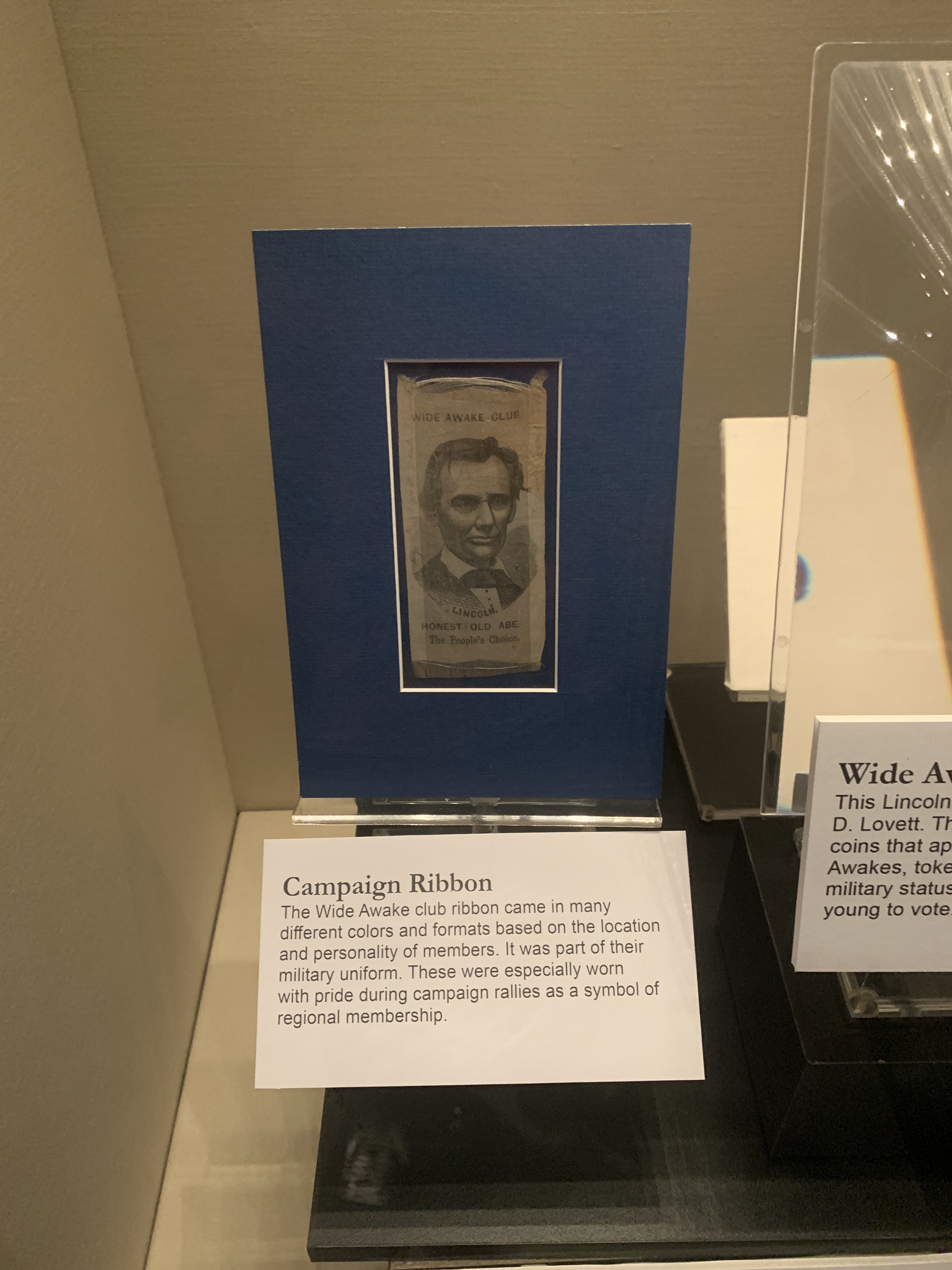
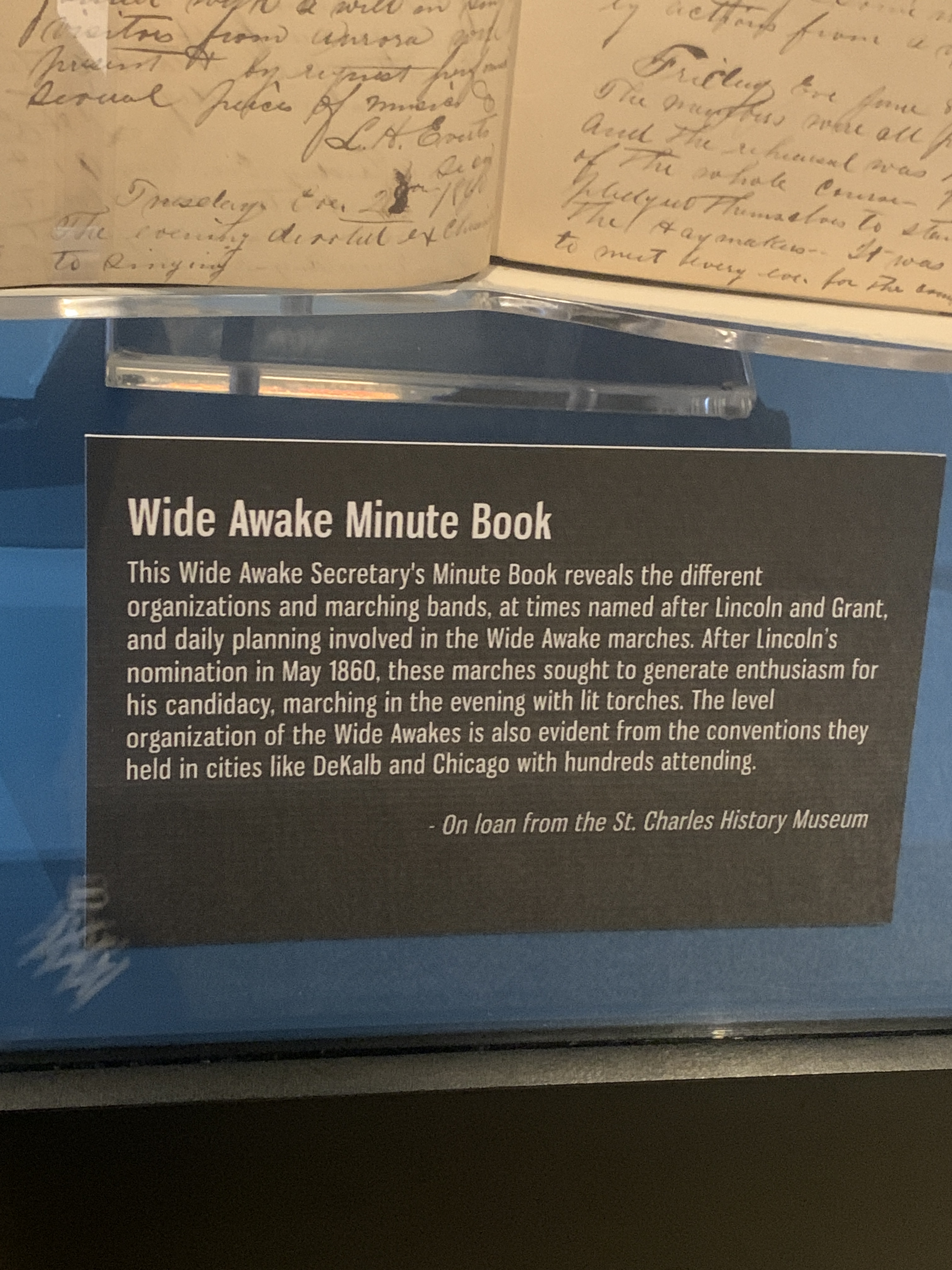
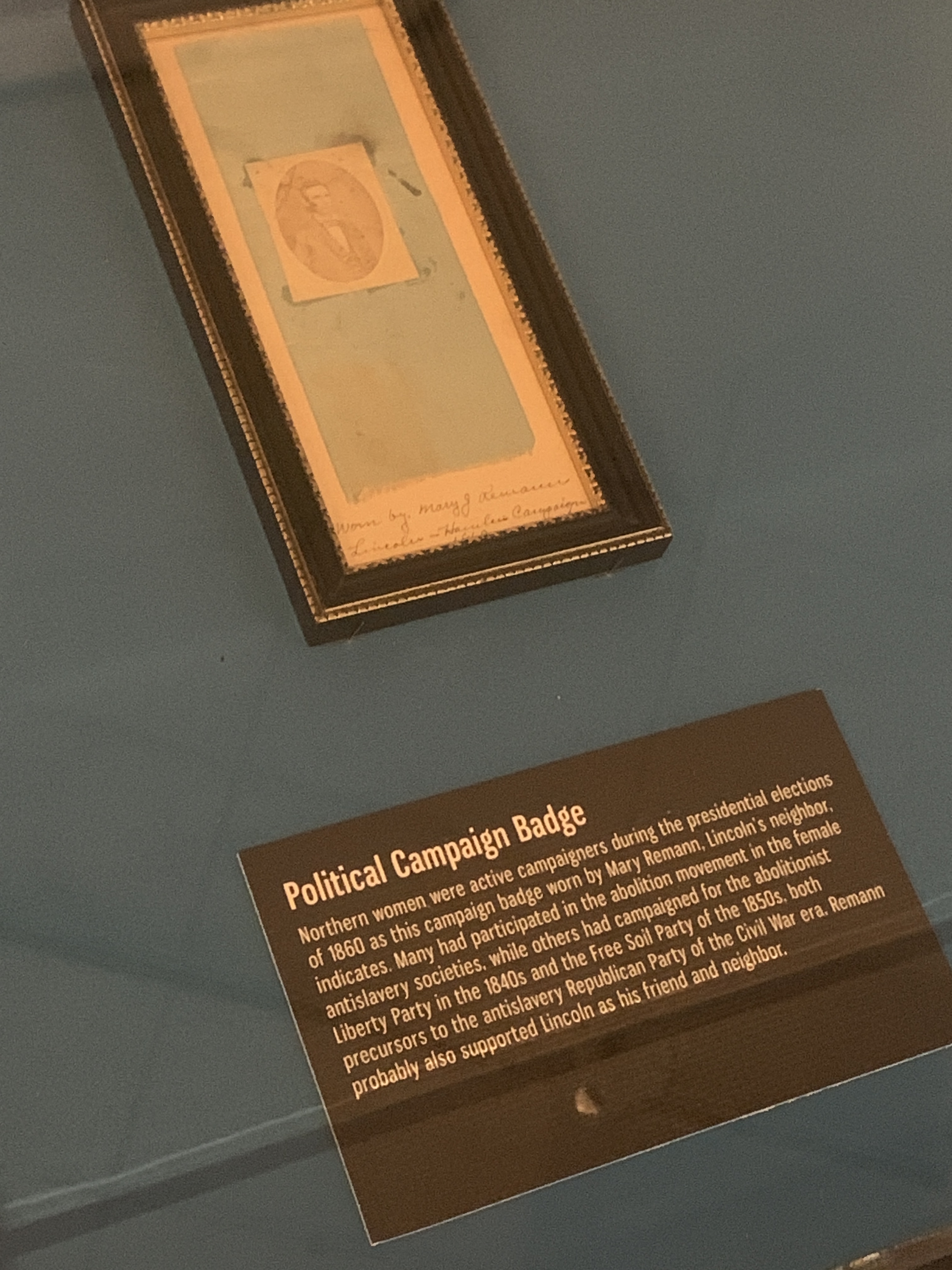
I ended my Friday of touring Springfield at the Lincoln Home National Historic Site. What an impressive historic site because they could have just preserved Lincoln’s Springfield home; instead, they’ve preserved the entire neighborhood to give you a sense of the milieu in which Lincoln marinated in prior to his final destination, the White House. That milieu includes the childhood home of Julius Rosenwald, a notable businessman (Sears, Roebuck & Co.) and philanthropist, who established the “Rosenwald Fund” to help African Americans in the South, where segregation and racism “severely limited access to education and other opportunities.” By 1932, more than 600,000 African American children attended “Rosenwald Schools” in the South. He also helped support writers, musicians, and scholars. We need more philanthropists of that ilk today. In general, though, it was a vibrant, activist neighborhood. I also was tickled to learn that in 1860, for Lincoln’s first campaign for president, a contingent of his supporters formed Wide Awake Clubs. Woke has been around longer than we thought! In all seriousness, what’s fascinating is how involved women were involved in his campaign despite not being able to vote themselves.
Most humbling from the tour was the view from the street corner of Lincoln’s home after his assassination; it became one of the most frequently photographed spots. Naturally, this spot and New Salem in nearby Petersburg, became rife for historical inquiry after Lincoln’s death as Americans grieved and yearned to learn more about the man. One of the throughlines of all these sites, however, is the endeavor to elucidate Lincoln the man rather than Lincoln the myth and legend. That is also why showcasing his entire neighborhood, for example, is so powerful.
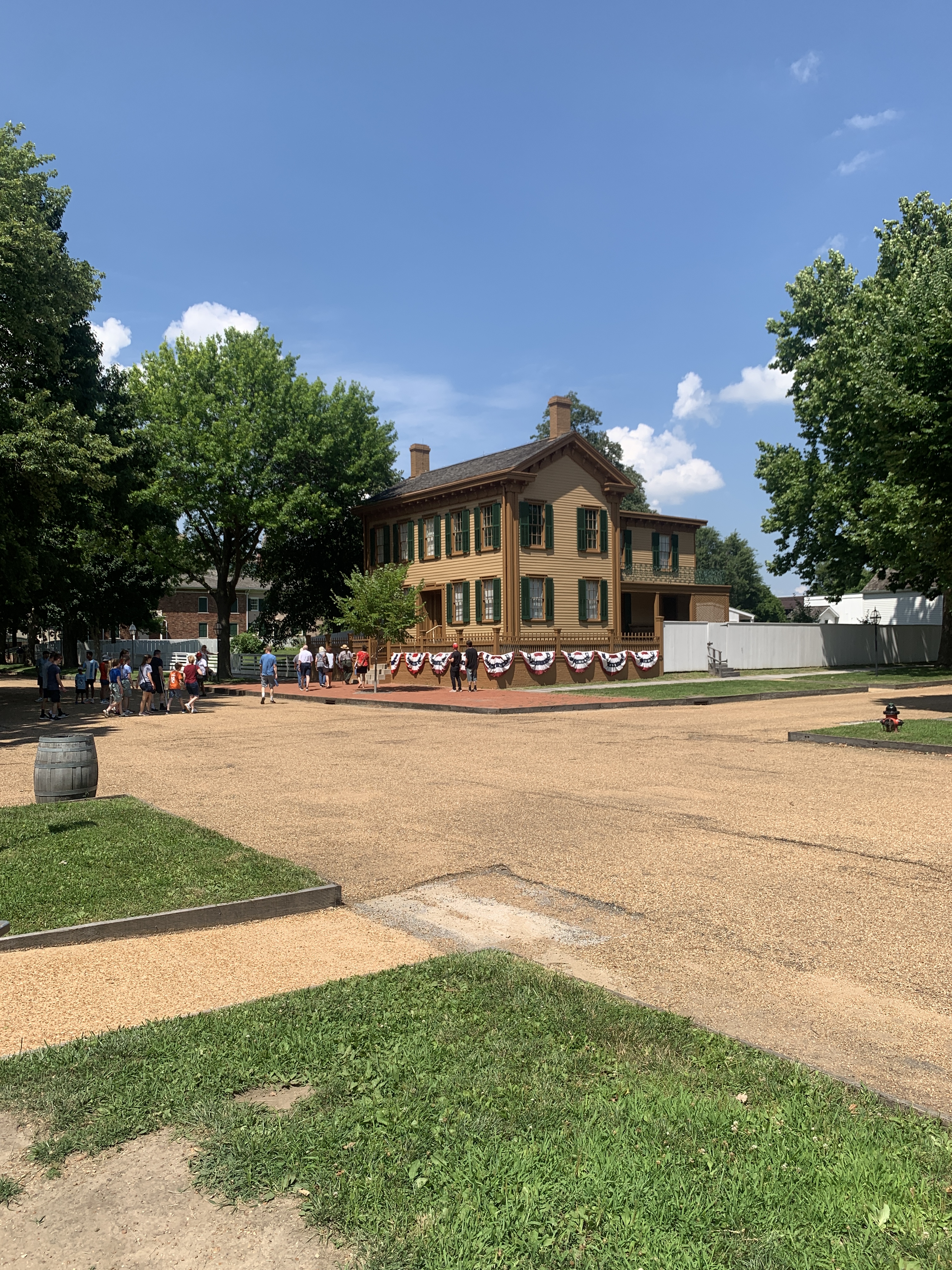
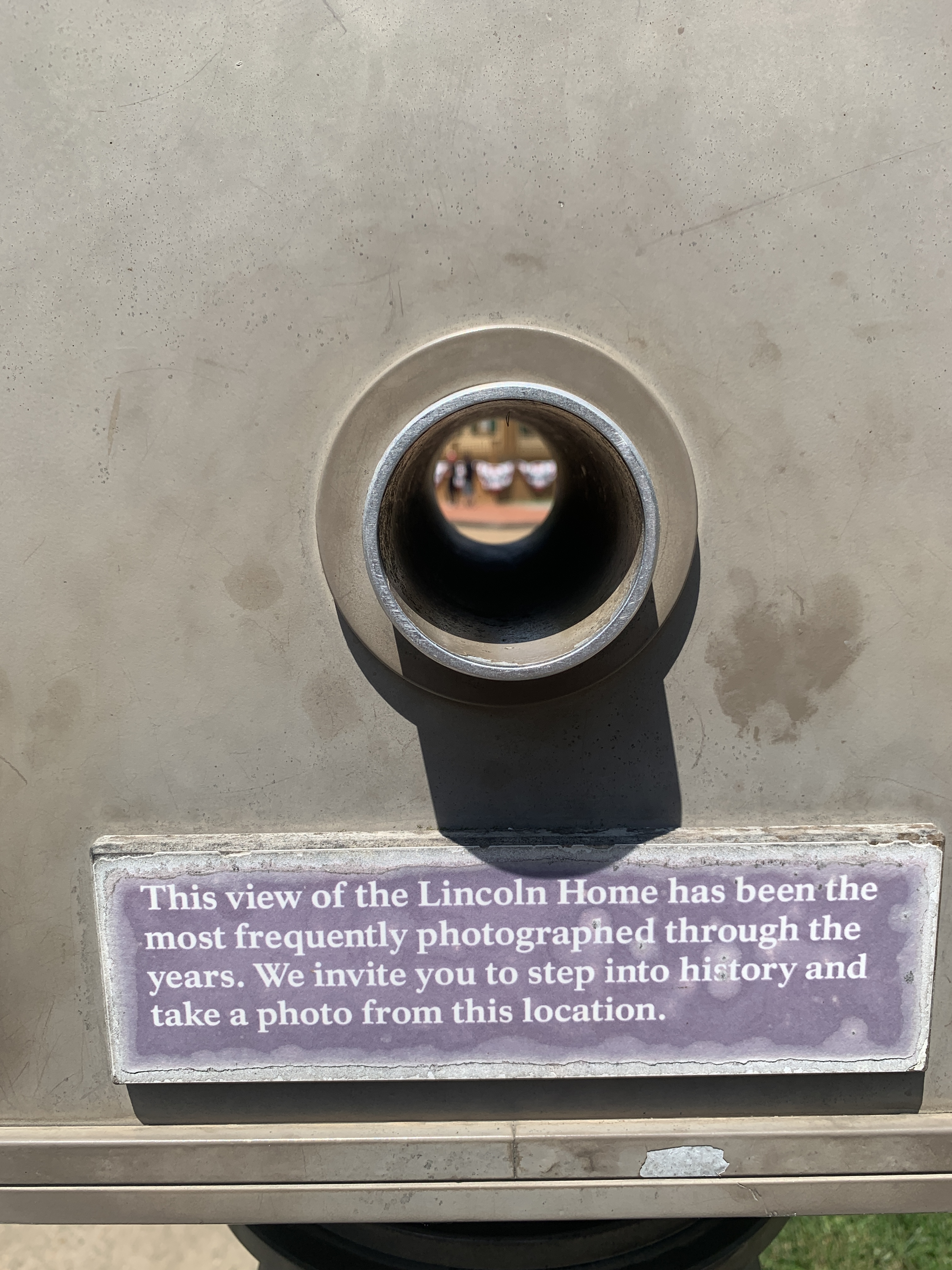
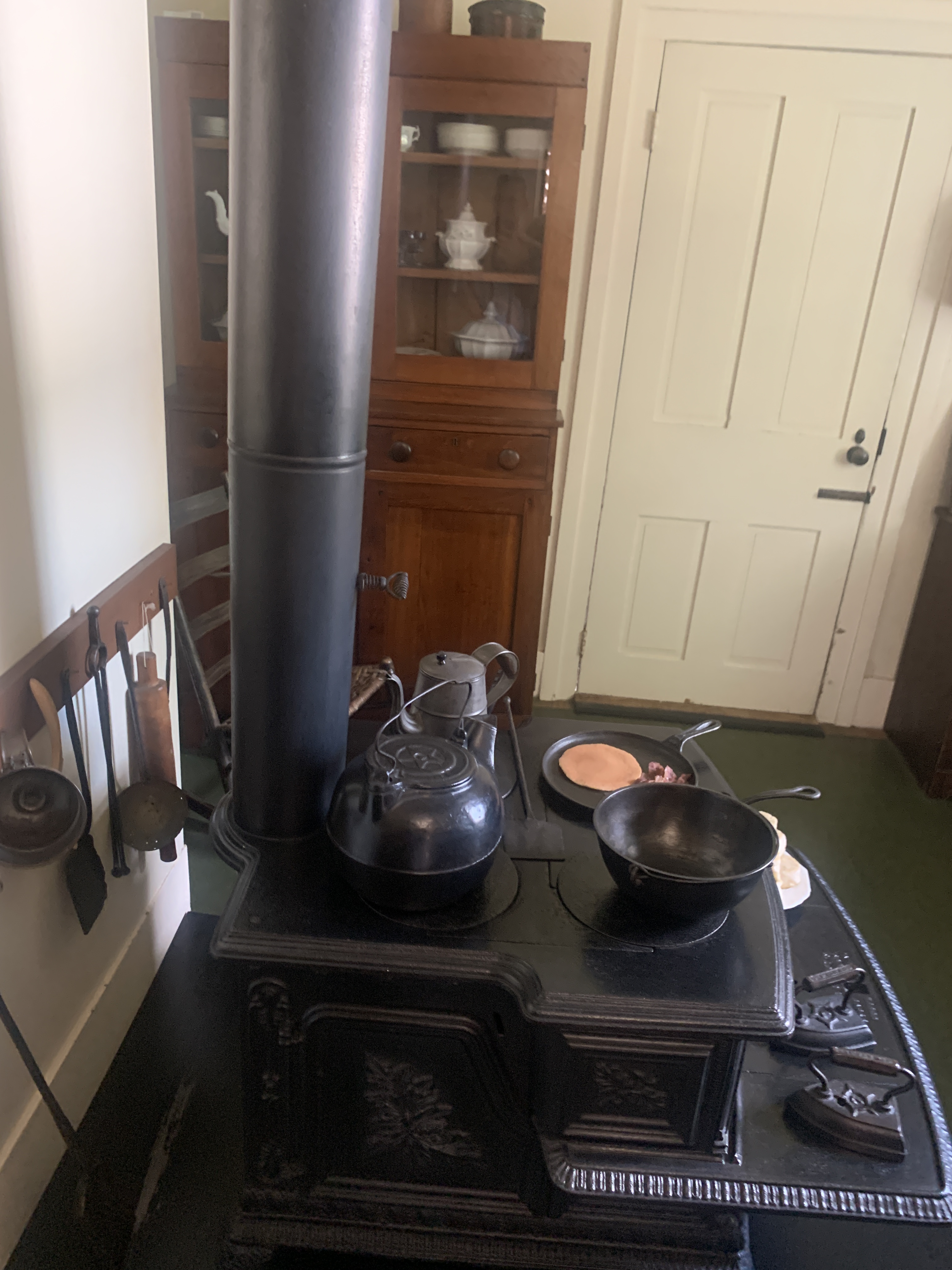
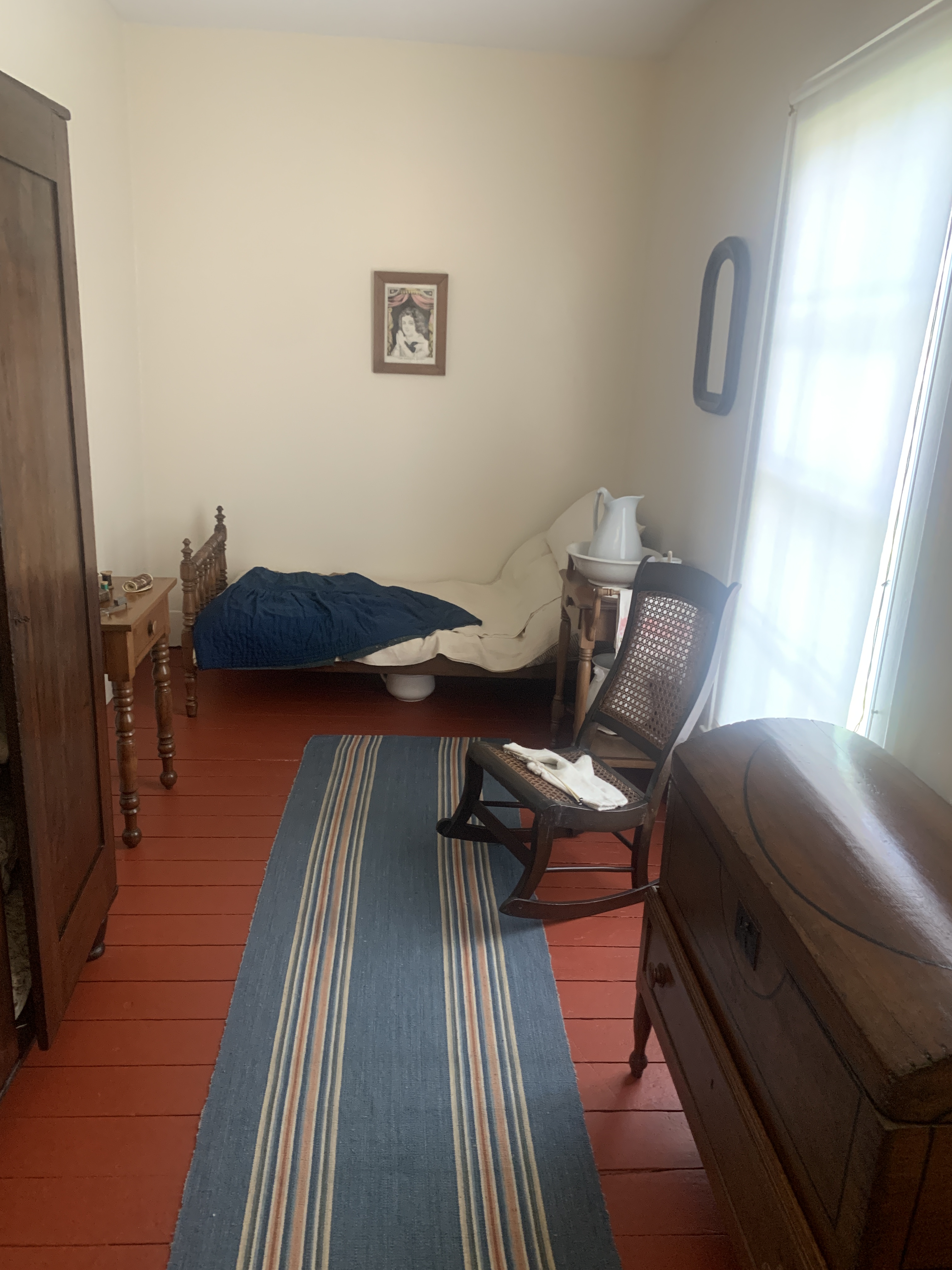
Otherwise, what is always notable to me whenever I tour an older home is reflecting on how fortunate we are. Seriously. Abraham Lincoln, the future president of the United States, existed in a house without indoor plumbing or air condition, among other lacking amenities. Yes, they persisted and that’s what they knew, but I’ll take indoor plumbing and air condition, please! That may seem like a silly reflection, but I personally see it as a remarkable reflection of our progress and important material wellbeing.
Prior to entering the home, there was a neat period-attired choir singing, “Johnny Goes Marching On,” among other songs.
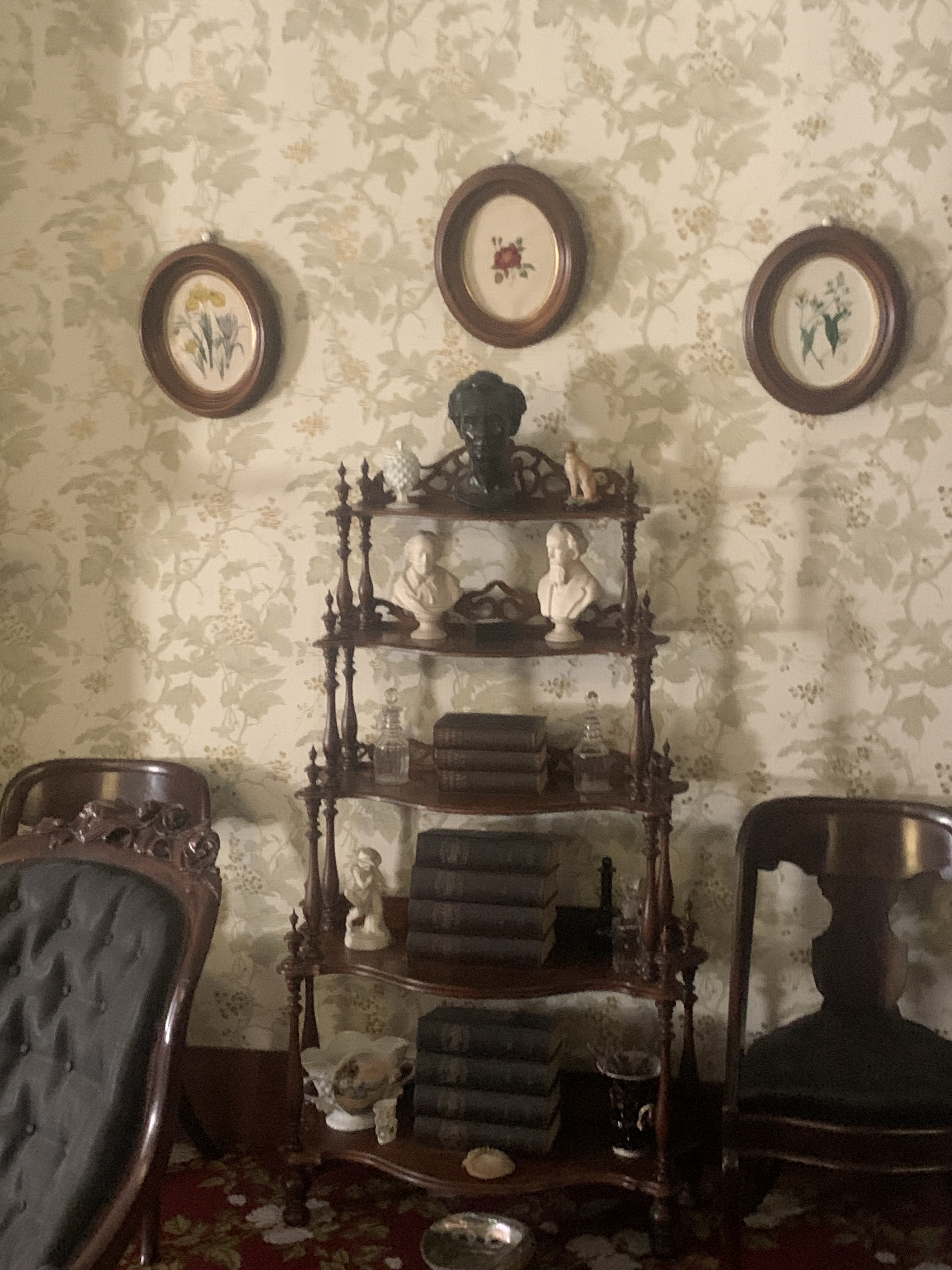
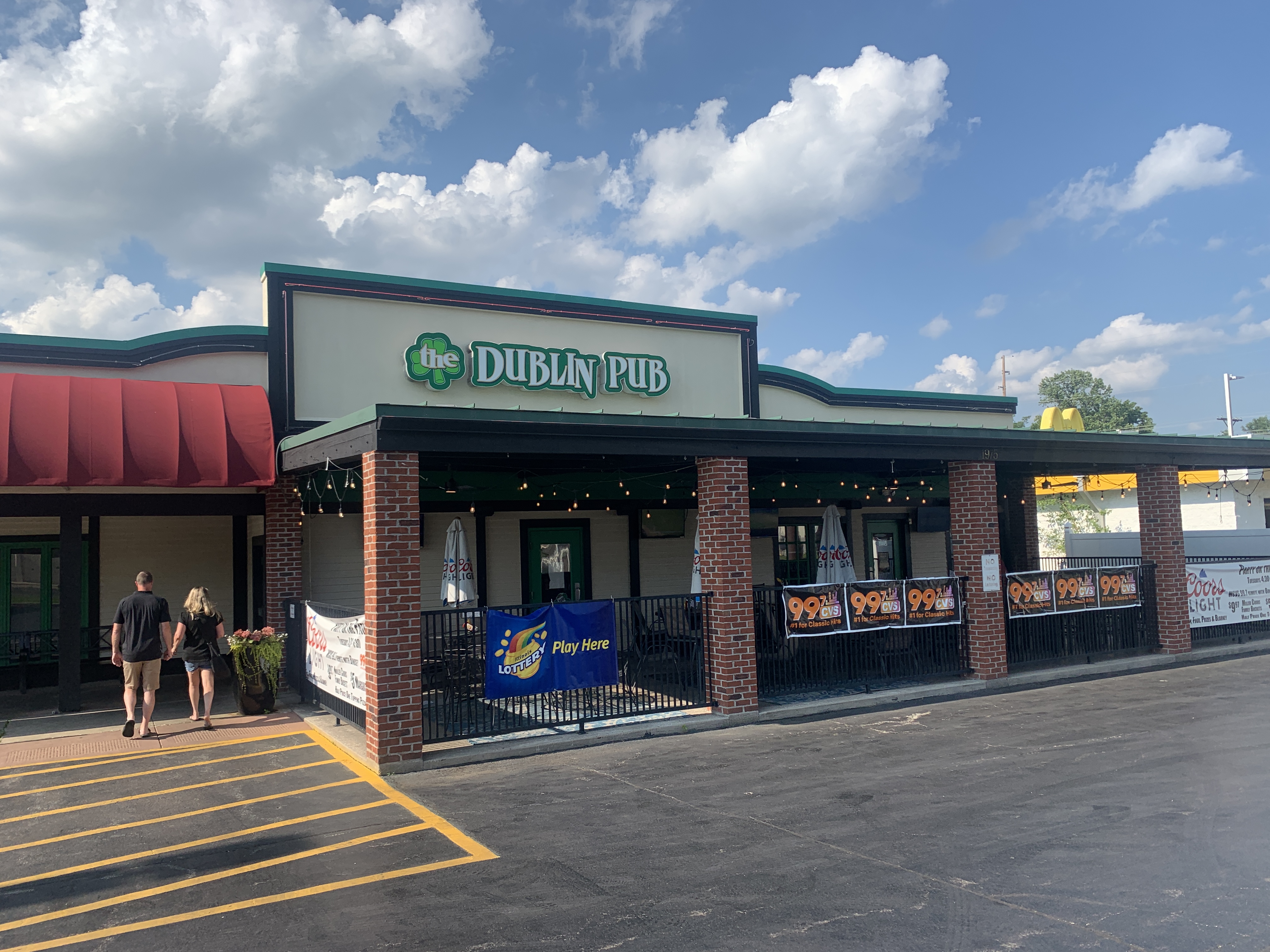
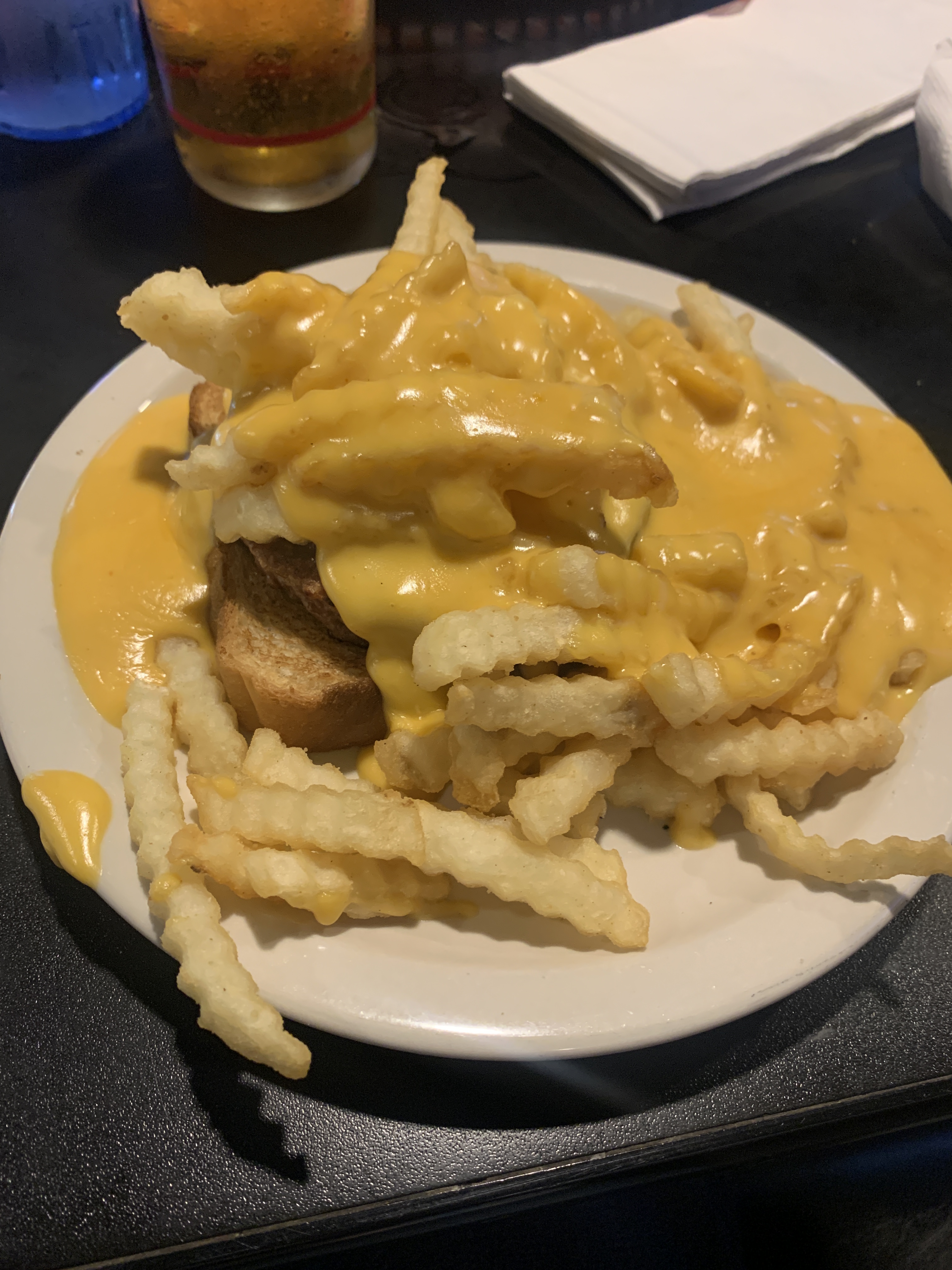
For dinner Friday night, I went to another food place on my list, the Dublin Pub. Now, what I learned while researching Springfield is that they are known for their horseshoes or “the shoe,” which is a dish of one’s choice of meat (for me, a vegetarian burger), French fries, and copious amounts of cheese sauce. The Dublin Pub was noted as having one of the best horseshoes. It was decadent as hell. And delicious, of course.
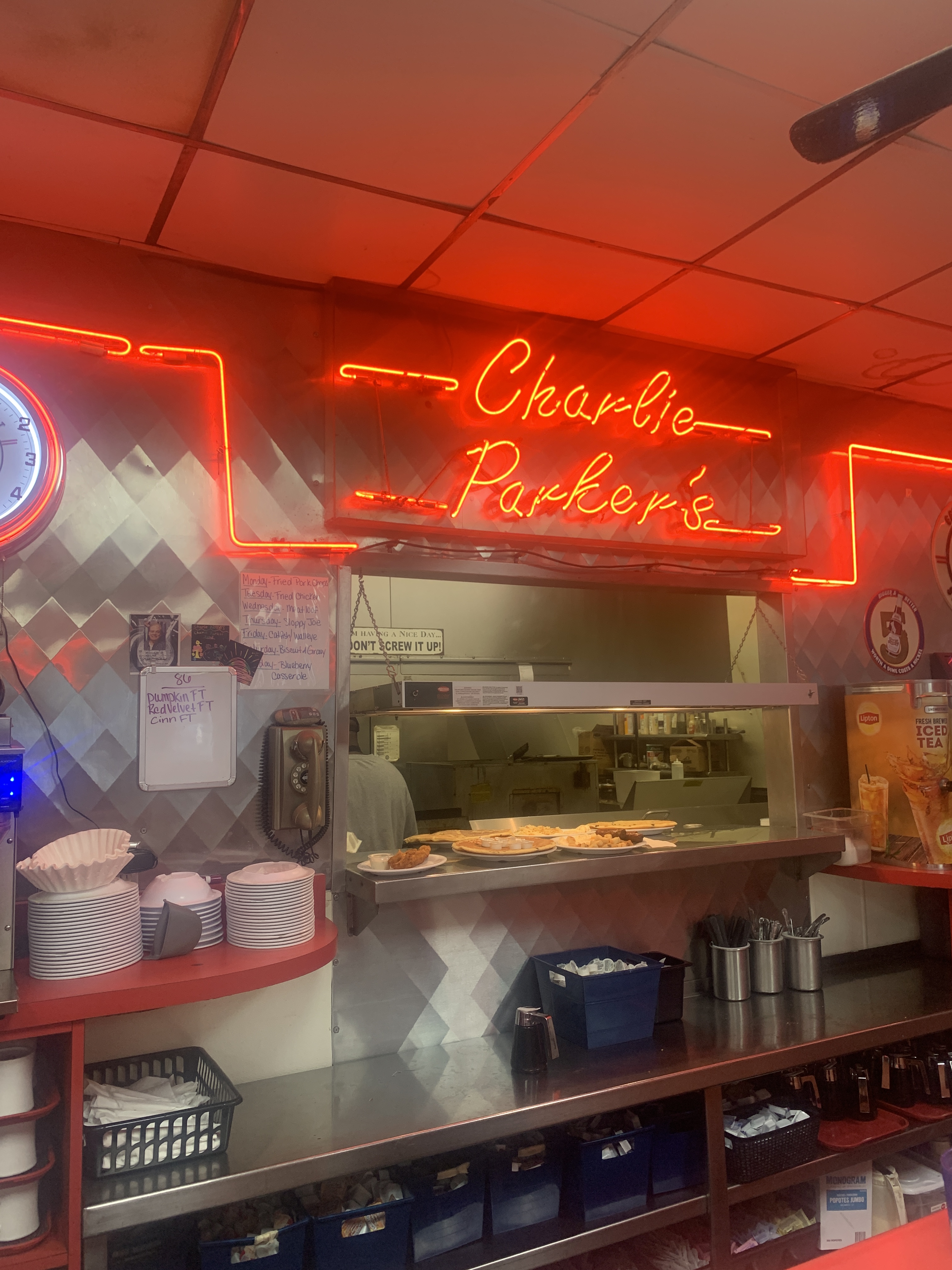
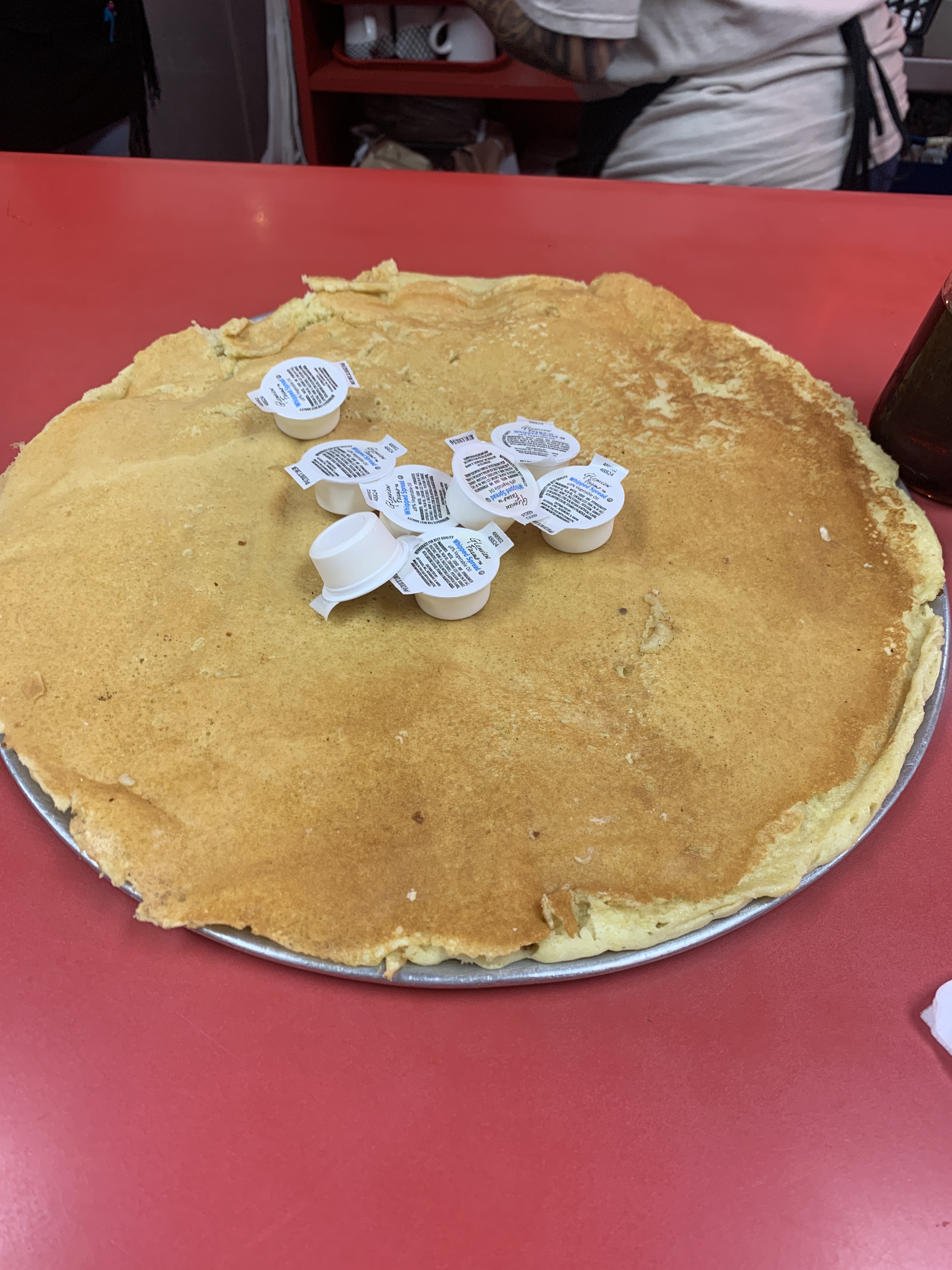
On Saturday morning, I endeavored for more decadence. Charlie Parker’s diner is known for their 16-inch pancake. Or, as the waitress warned me, it’s as big as a pizza. Indeed. Somehow, some people take up the challenge of eating four of these things for a $25 gift card and a T-shirt. I ate about three-fourths before tapping out. Also, for a quintessential hole-in-the-wall type place, which is one of my favorite ways to partake in food while traveling, they had great coffee.
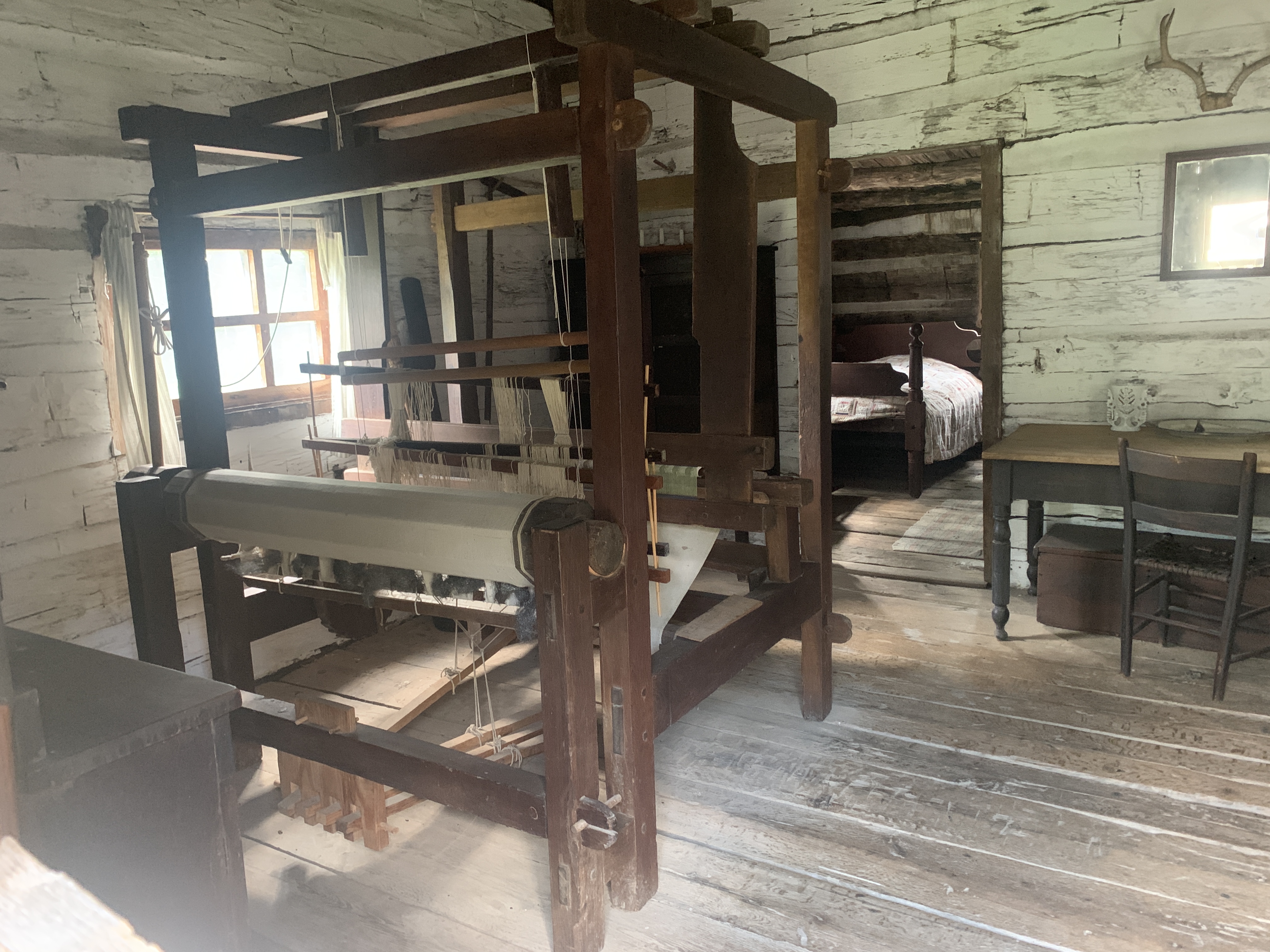
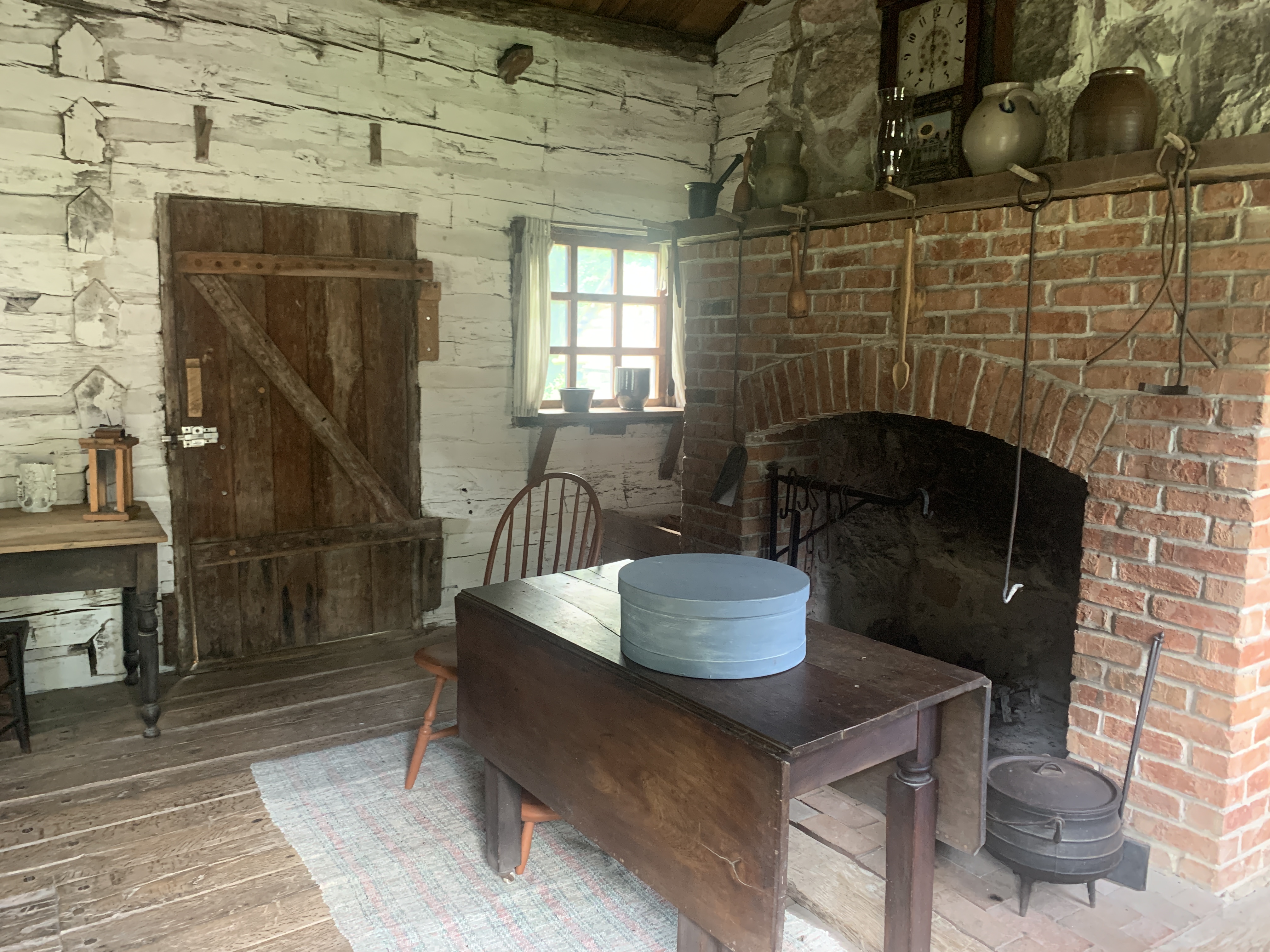
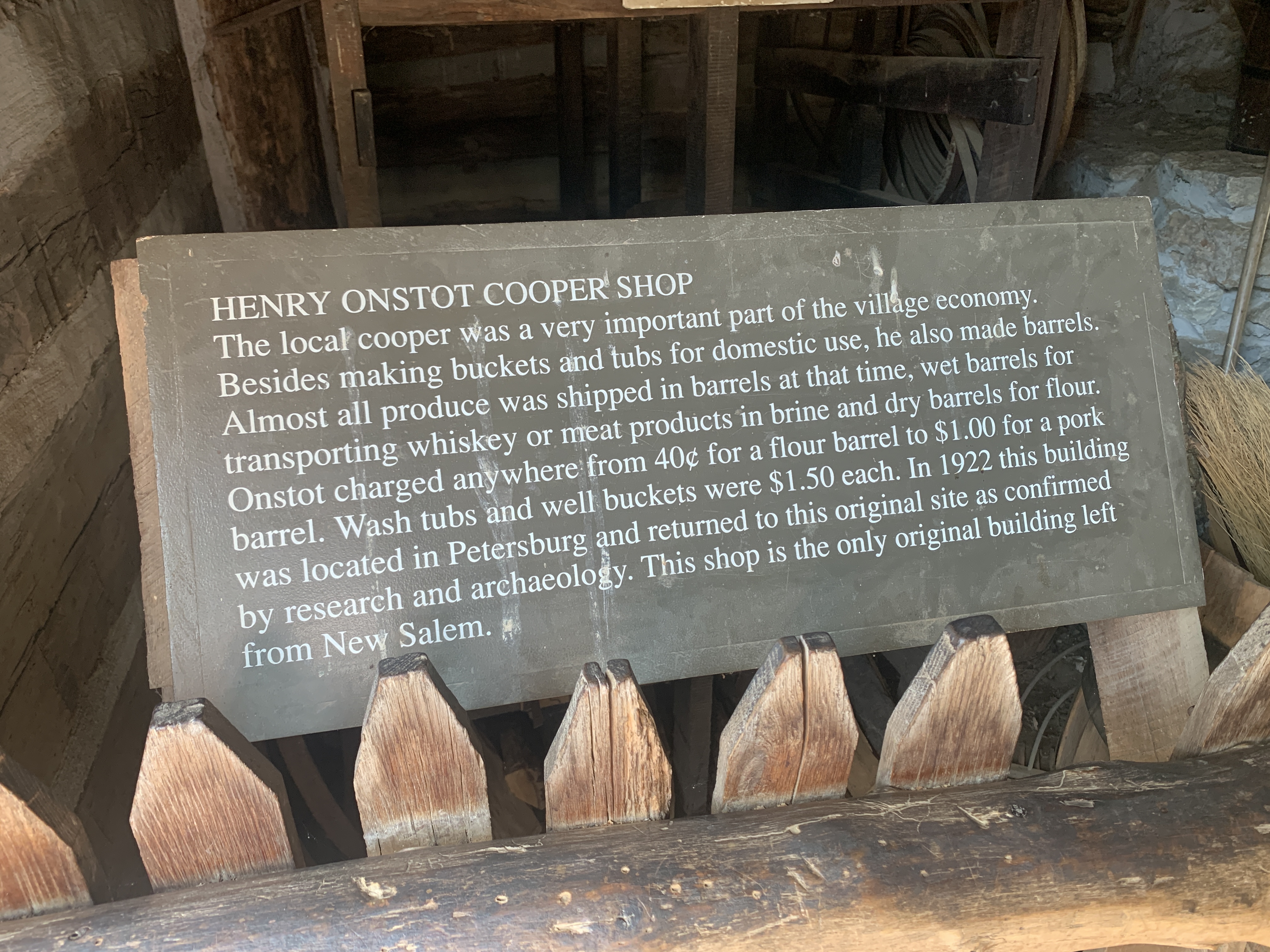
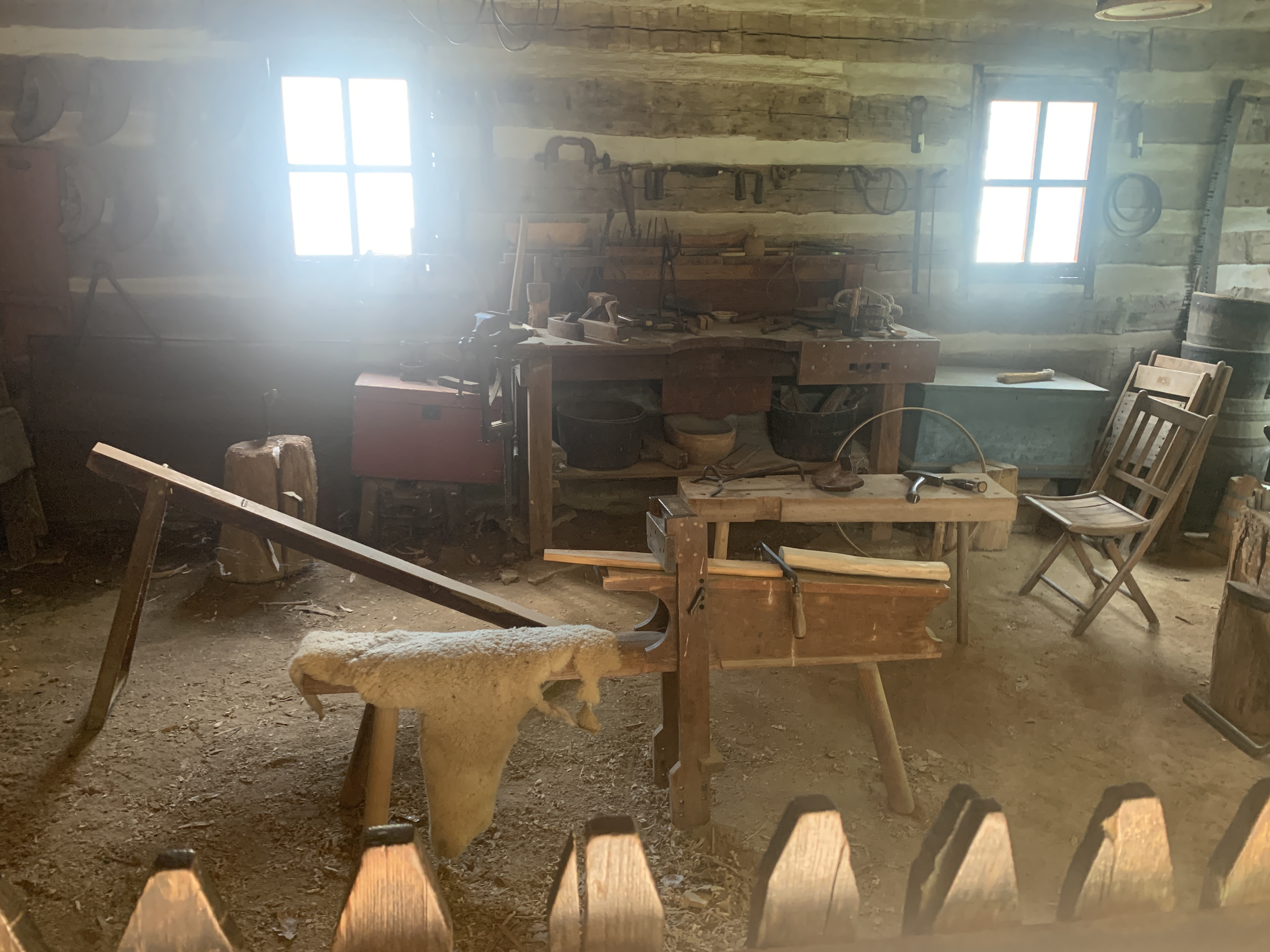
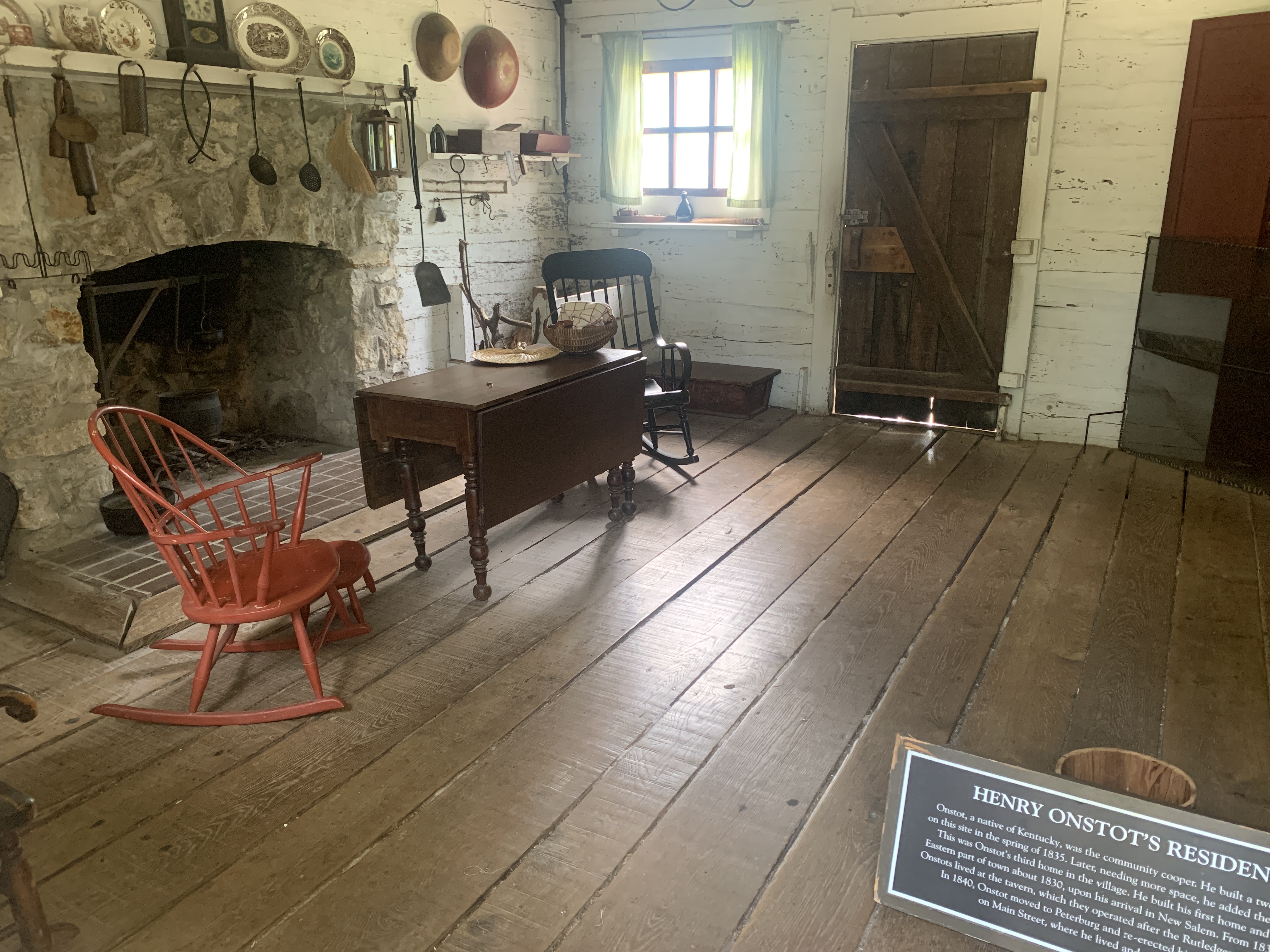
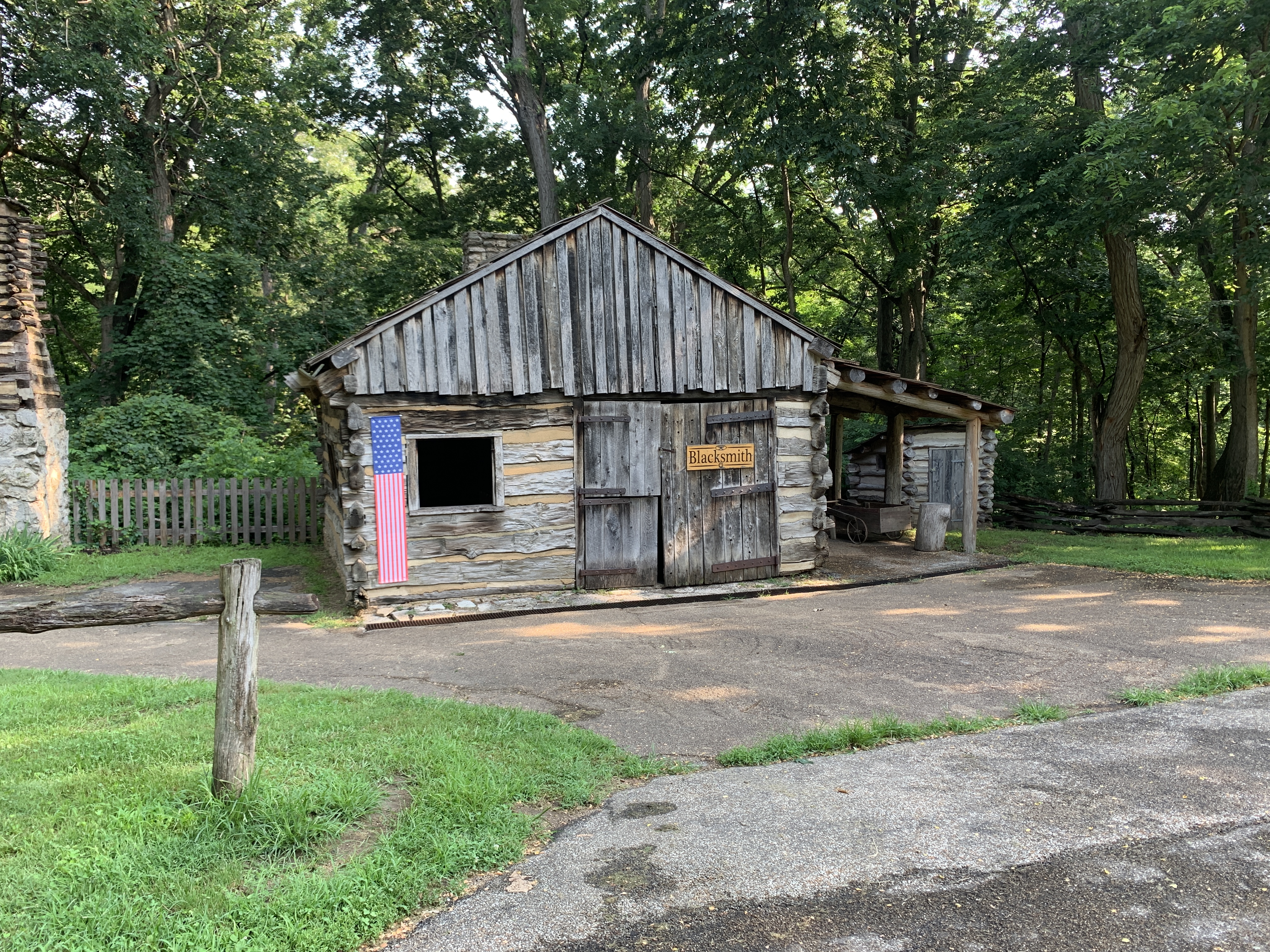
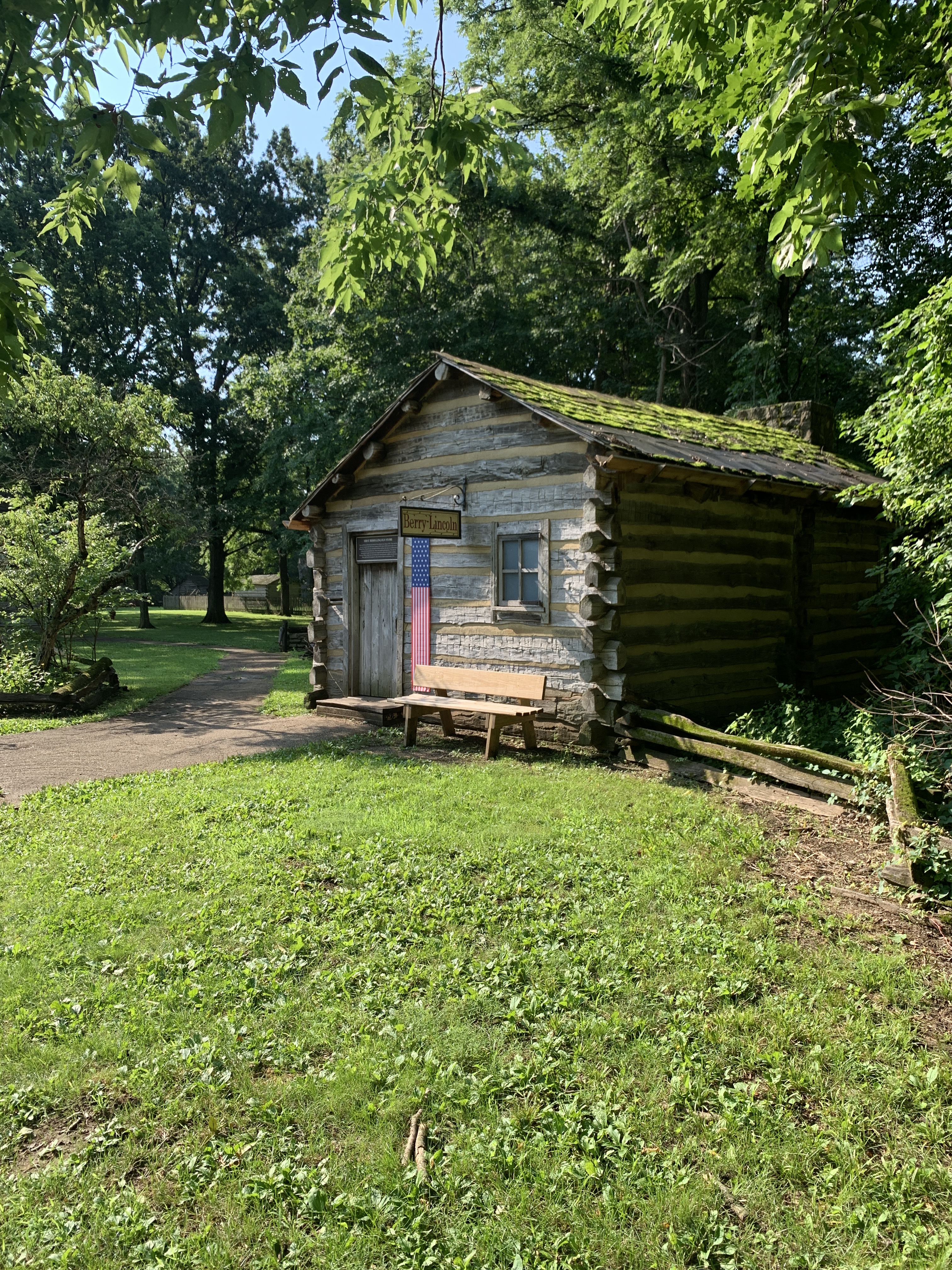
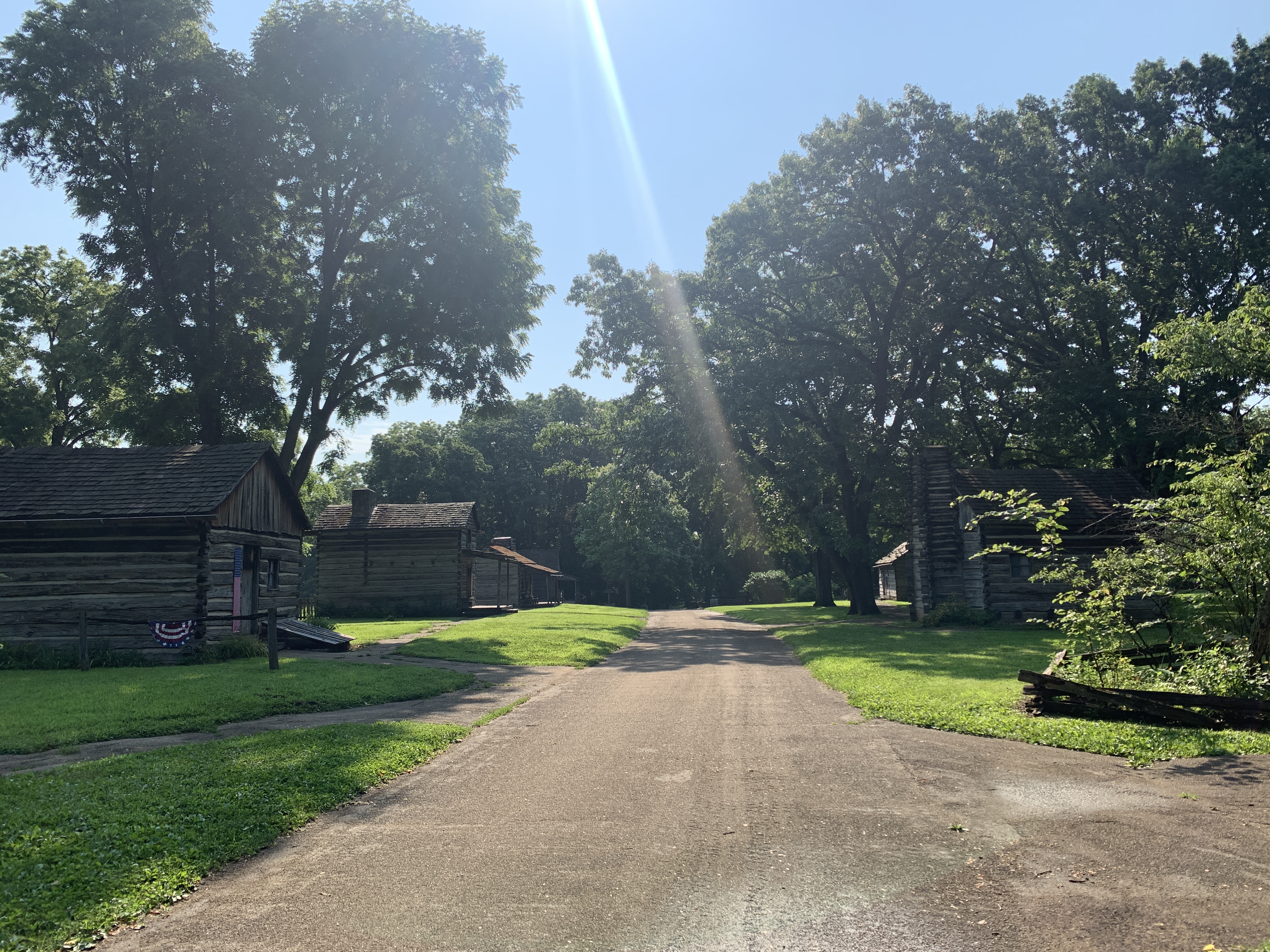
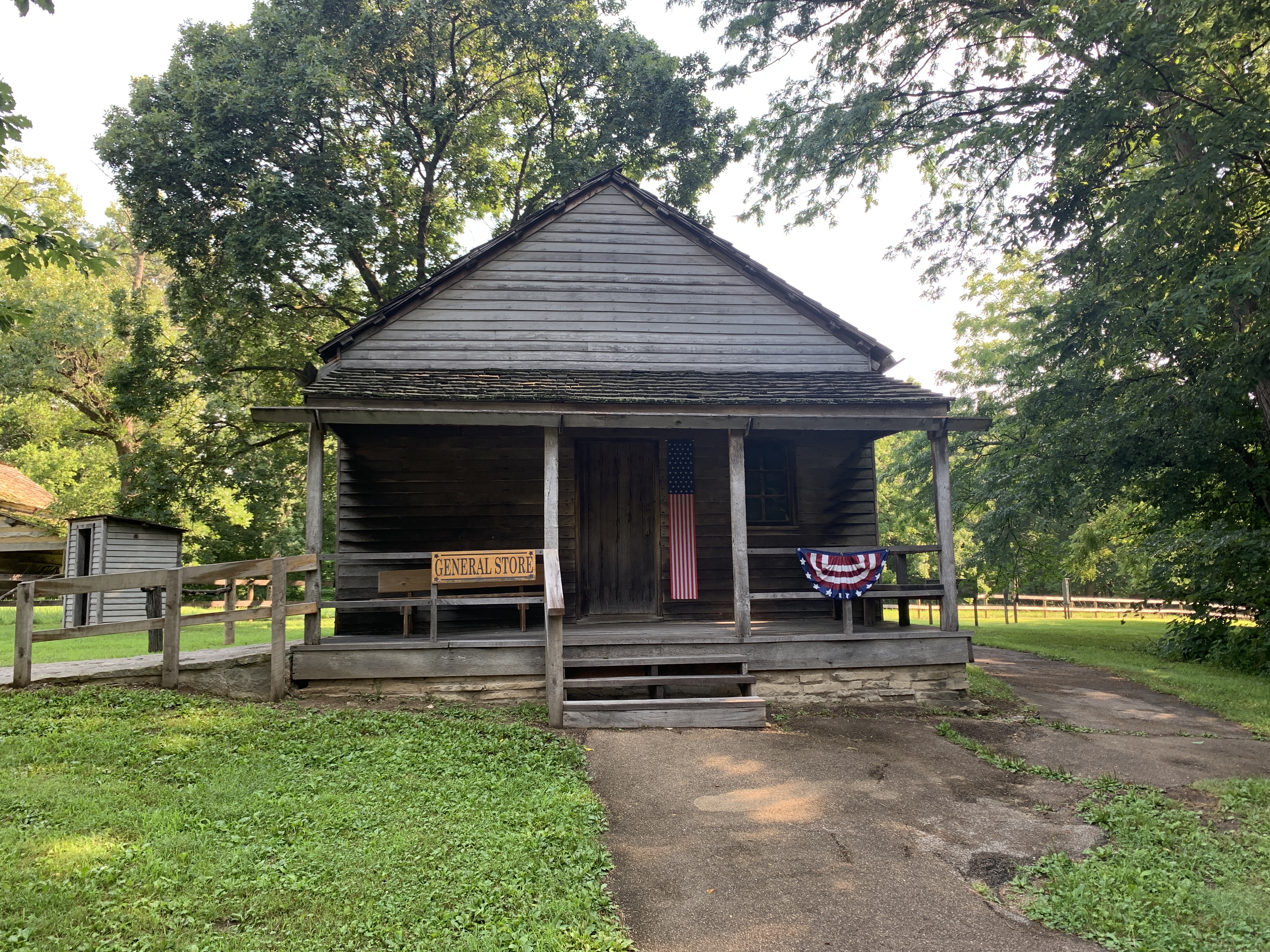
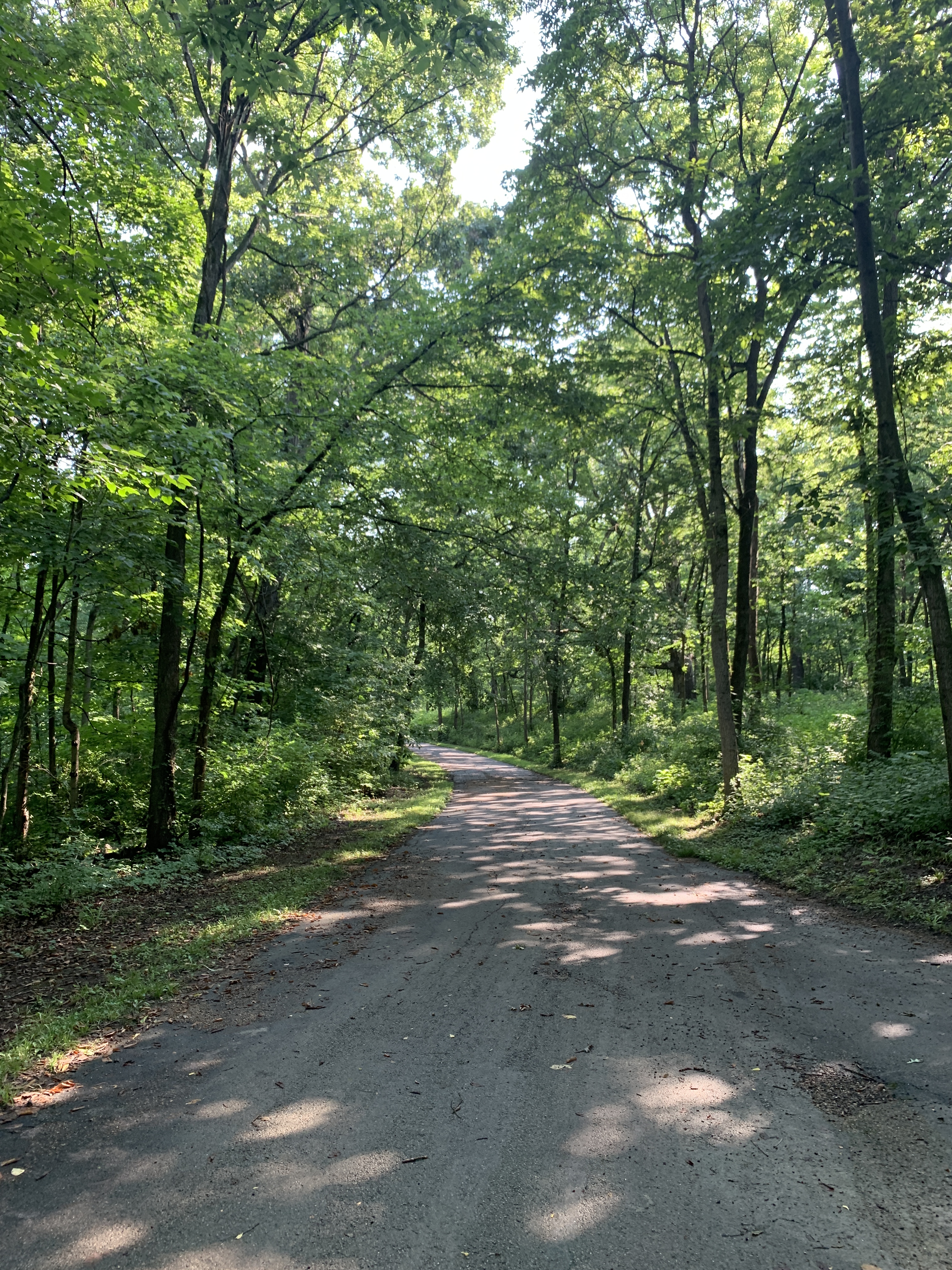
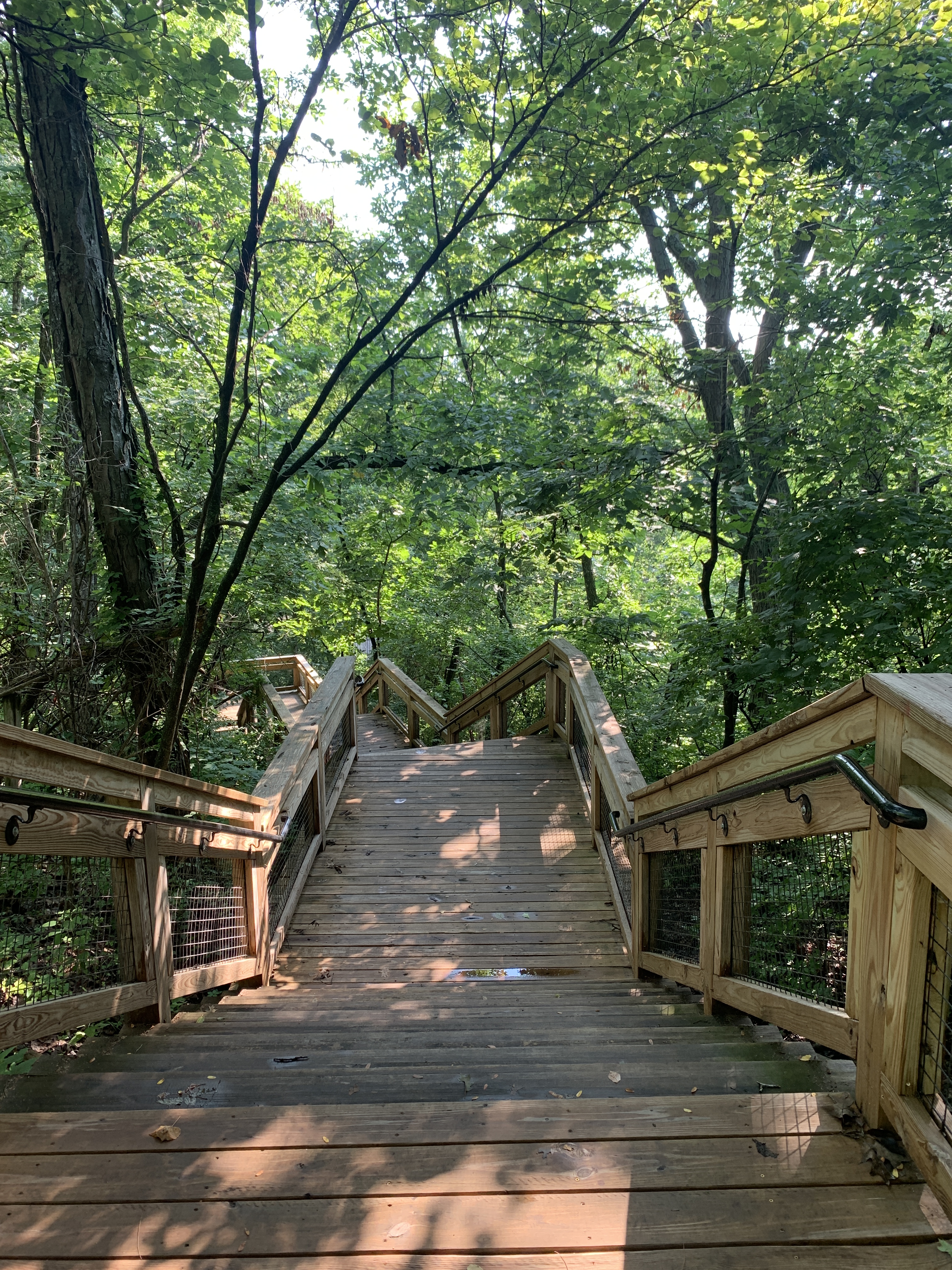
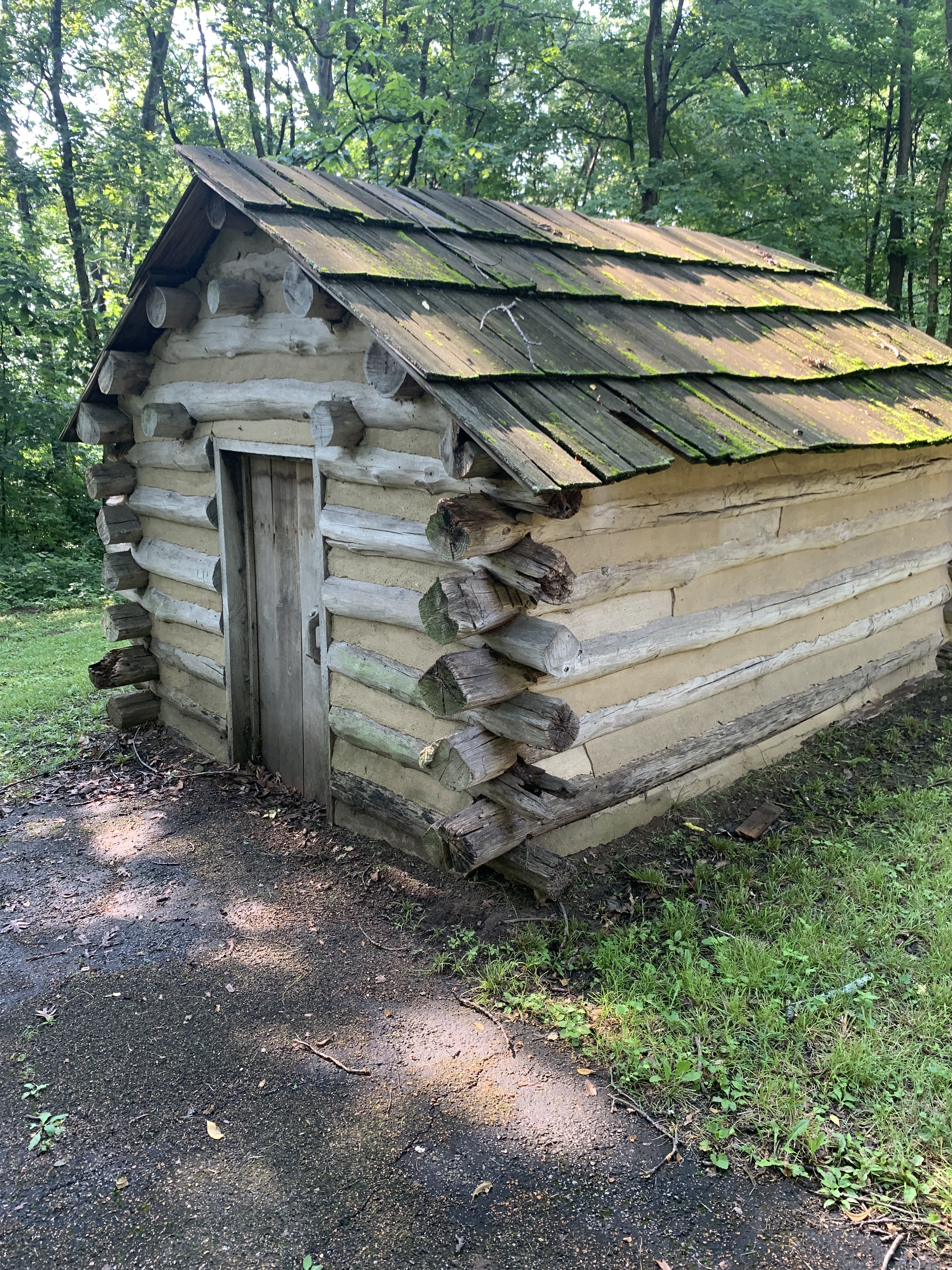
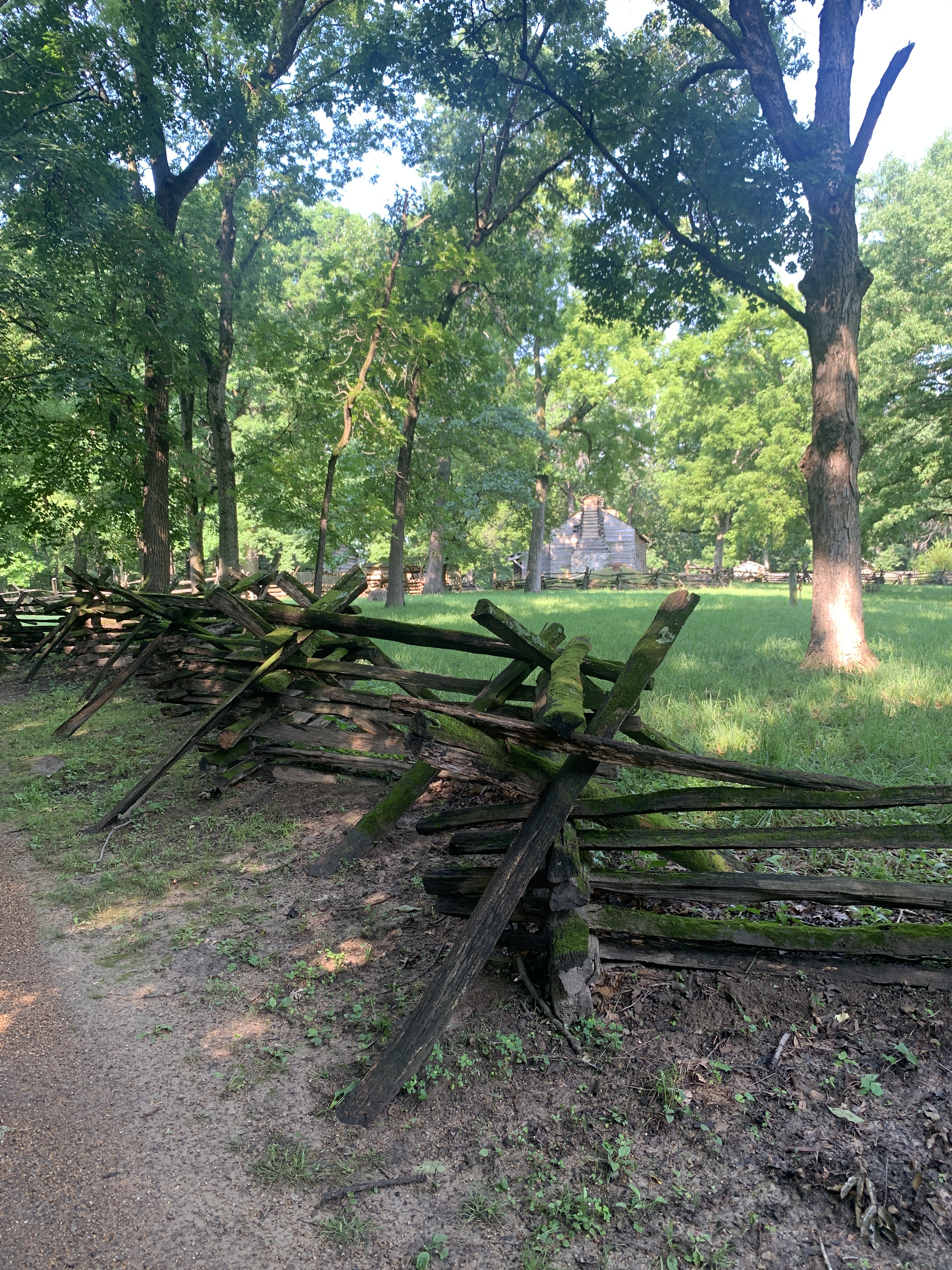
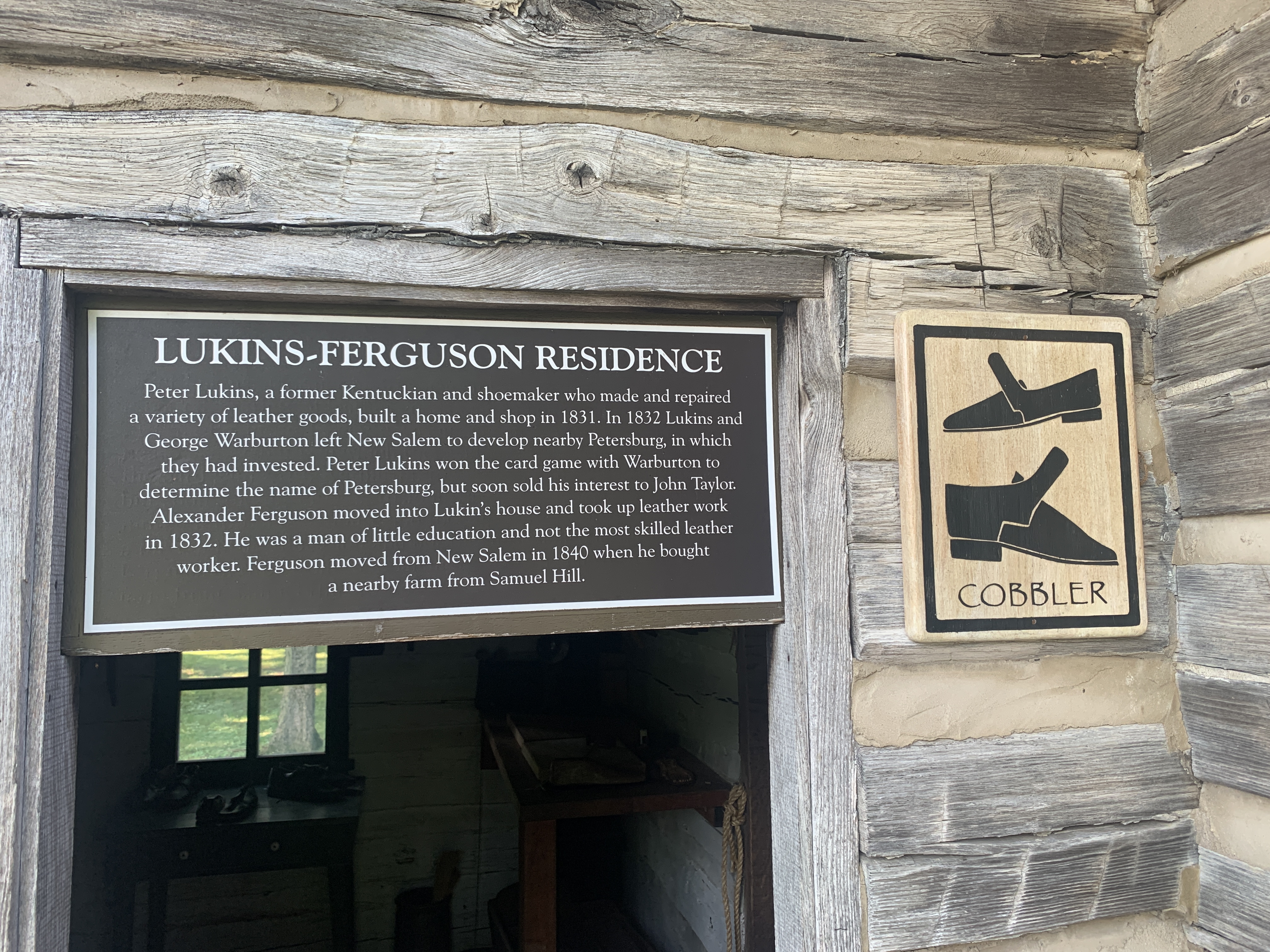
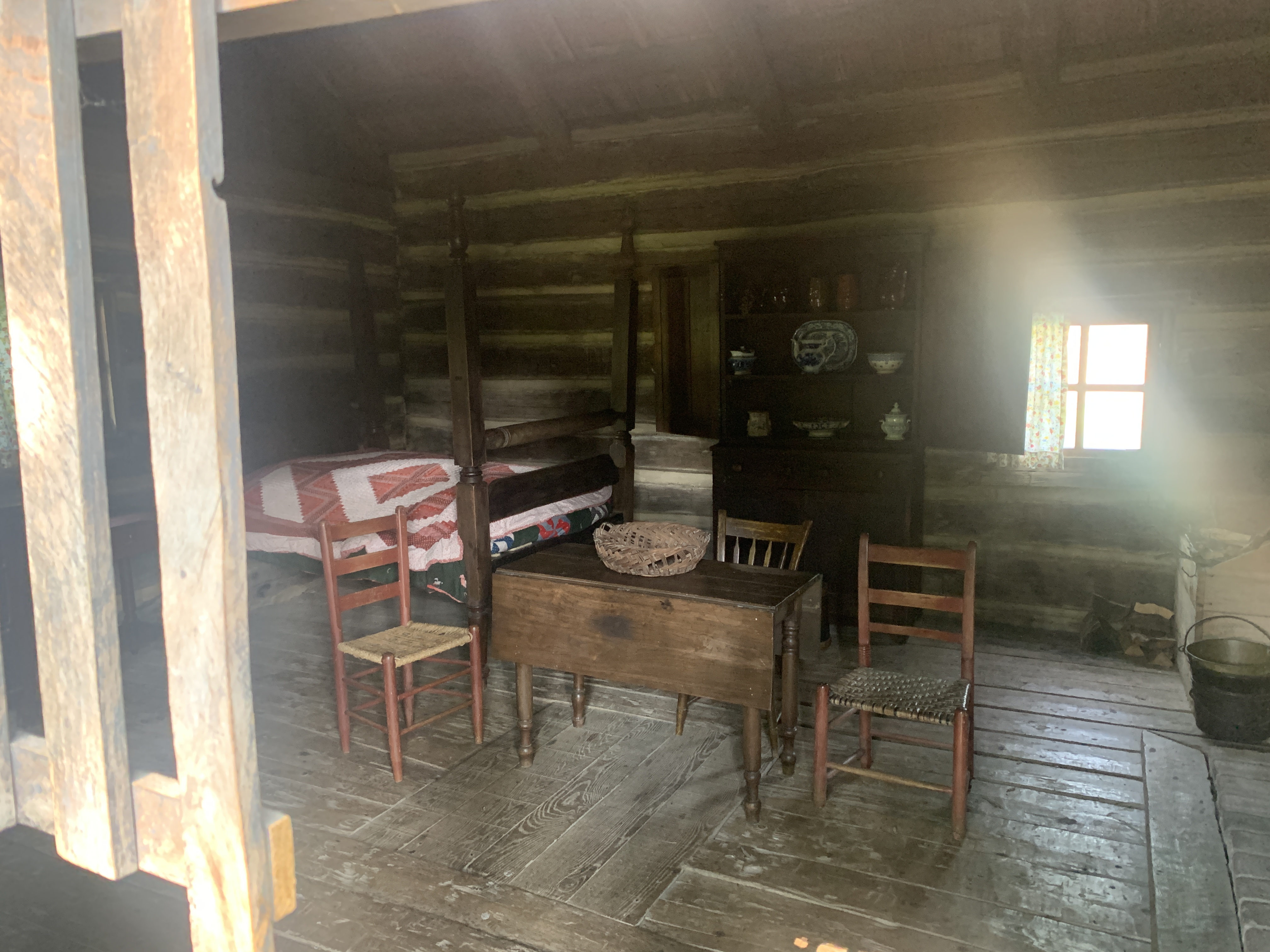
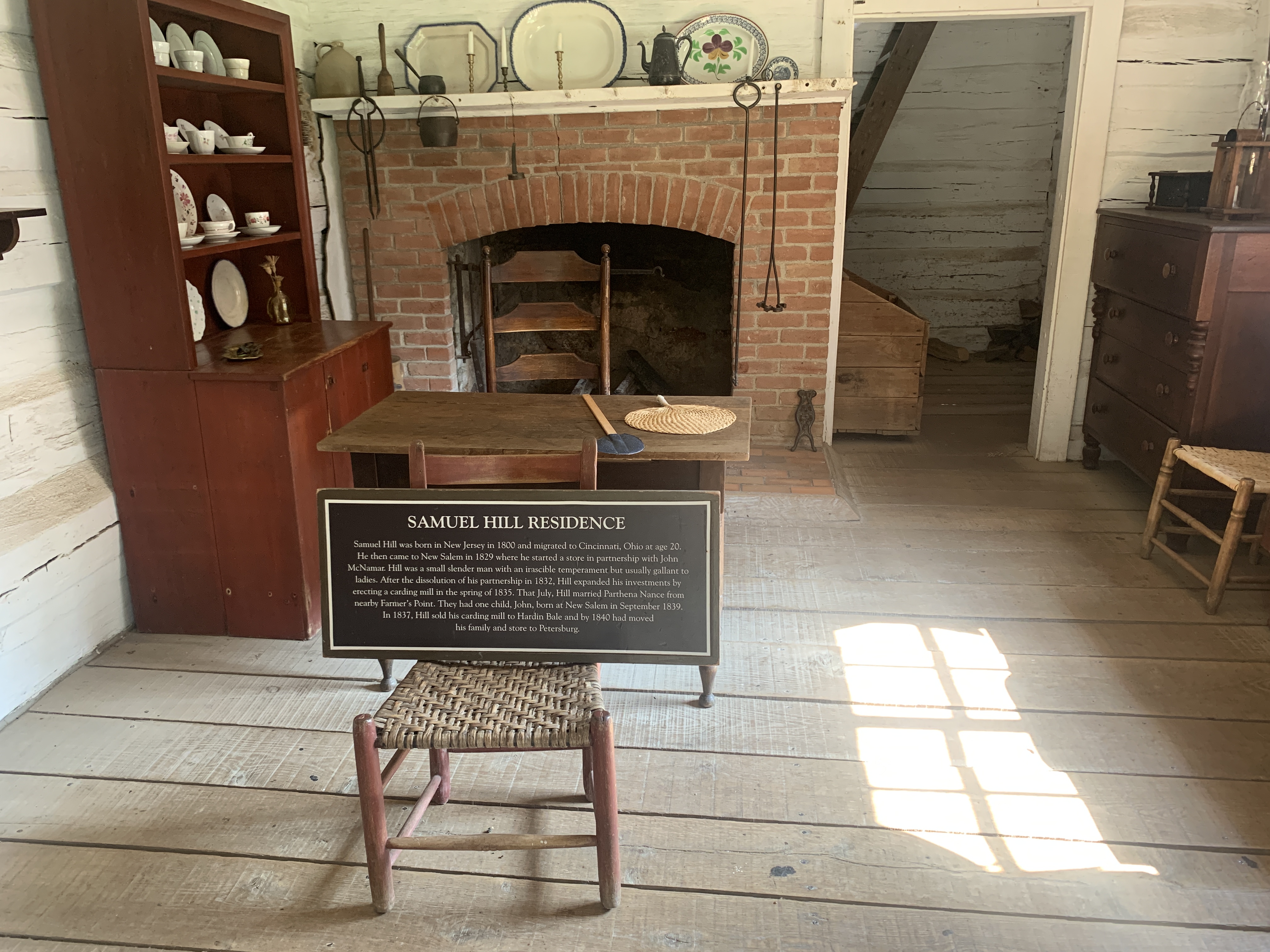
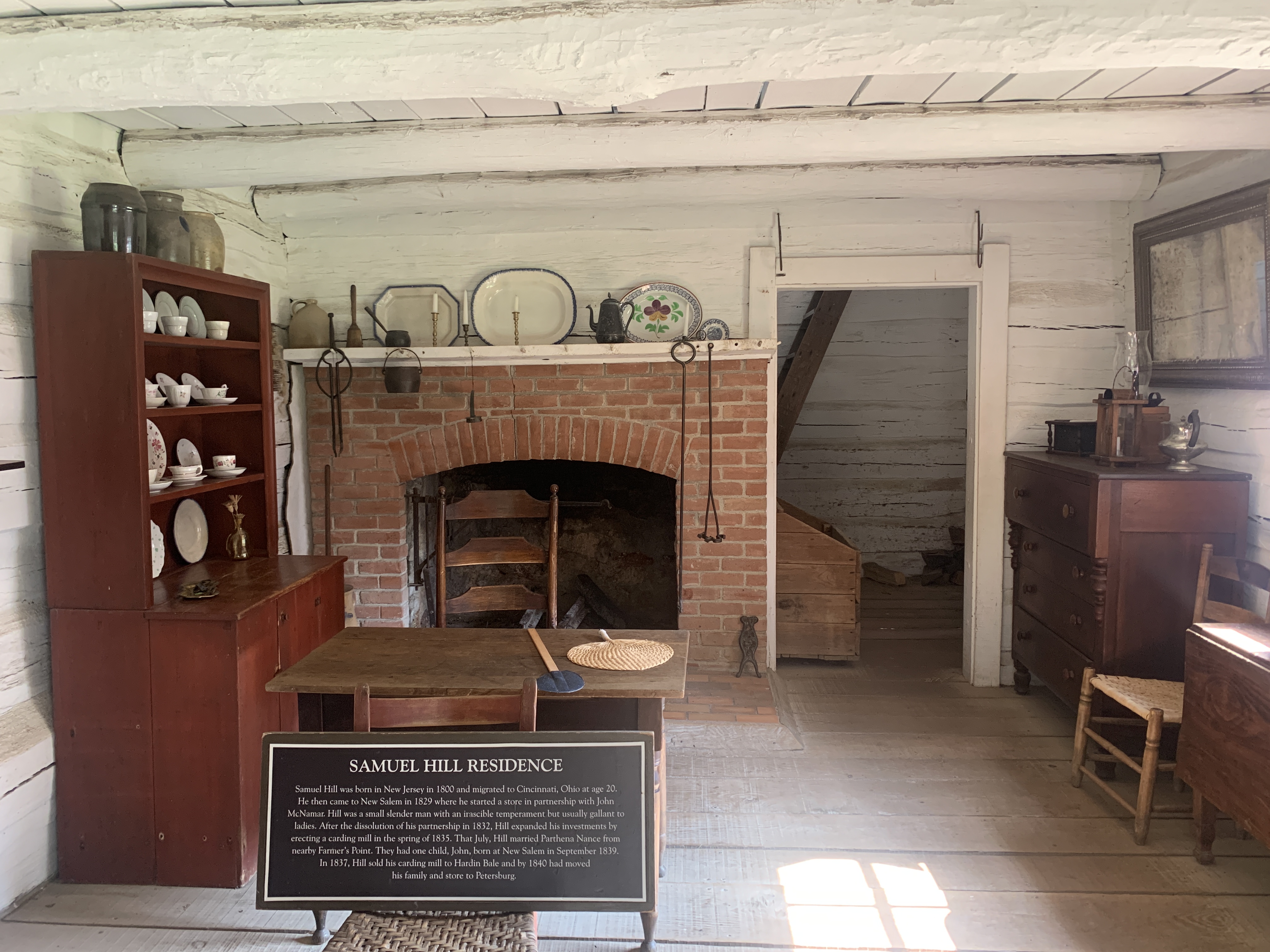
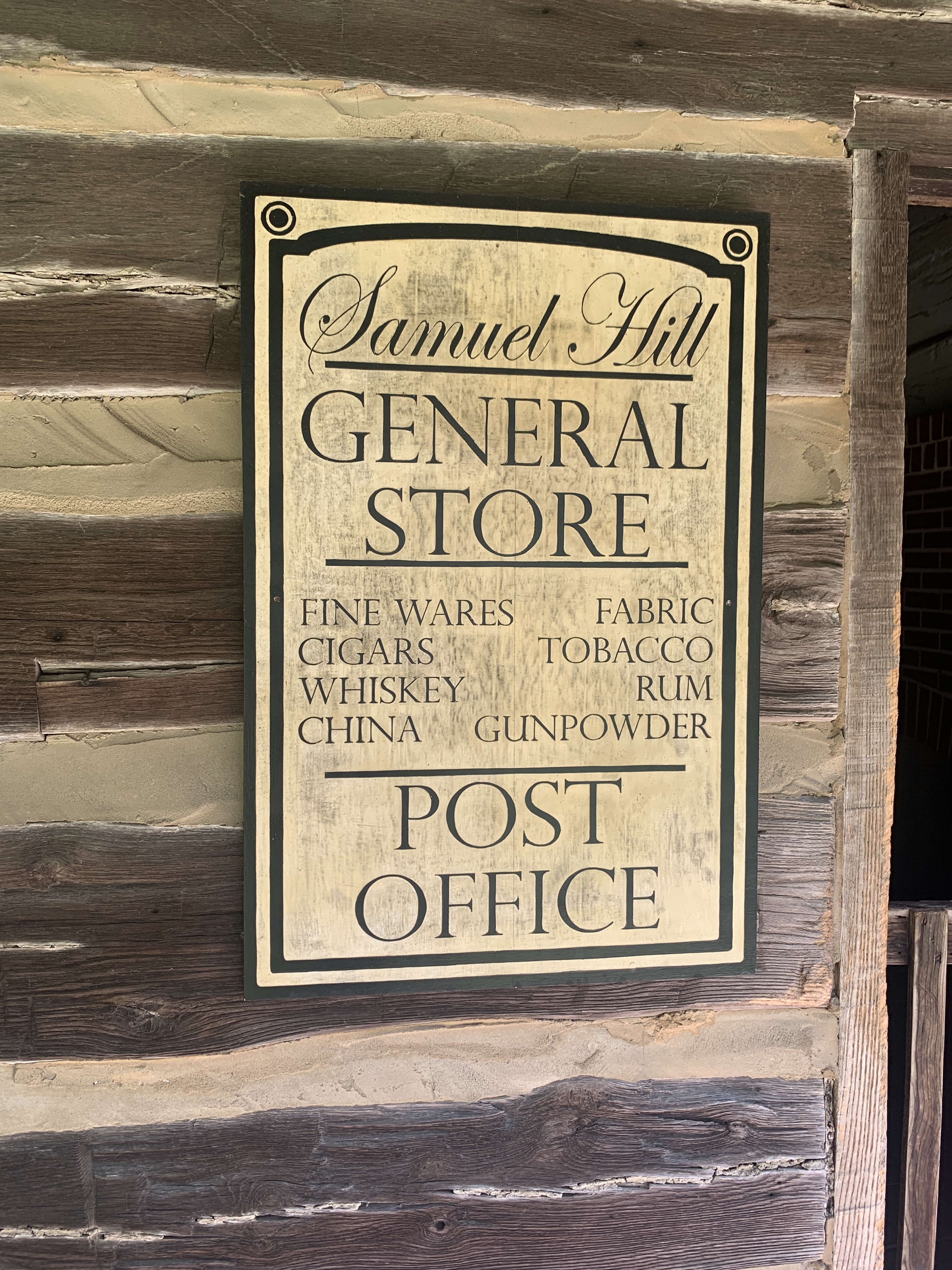
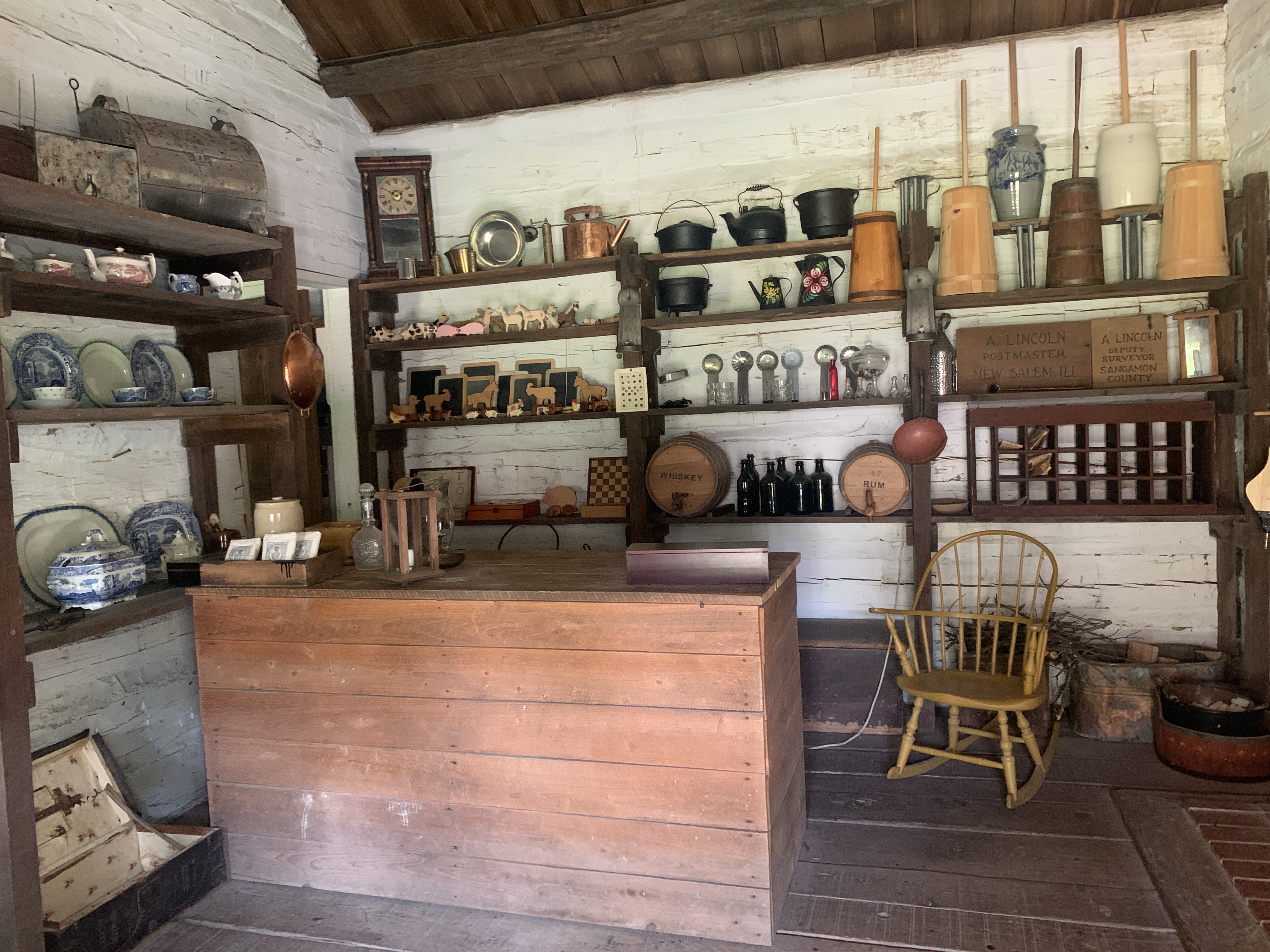
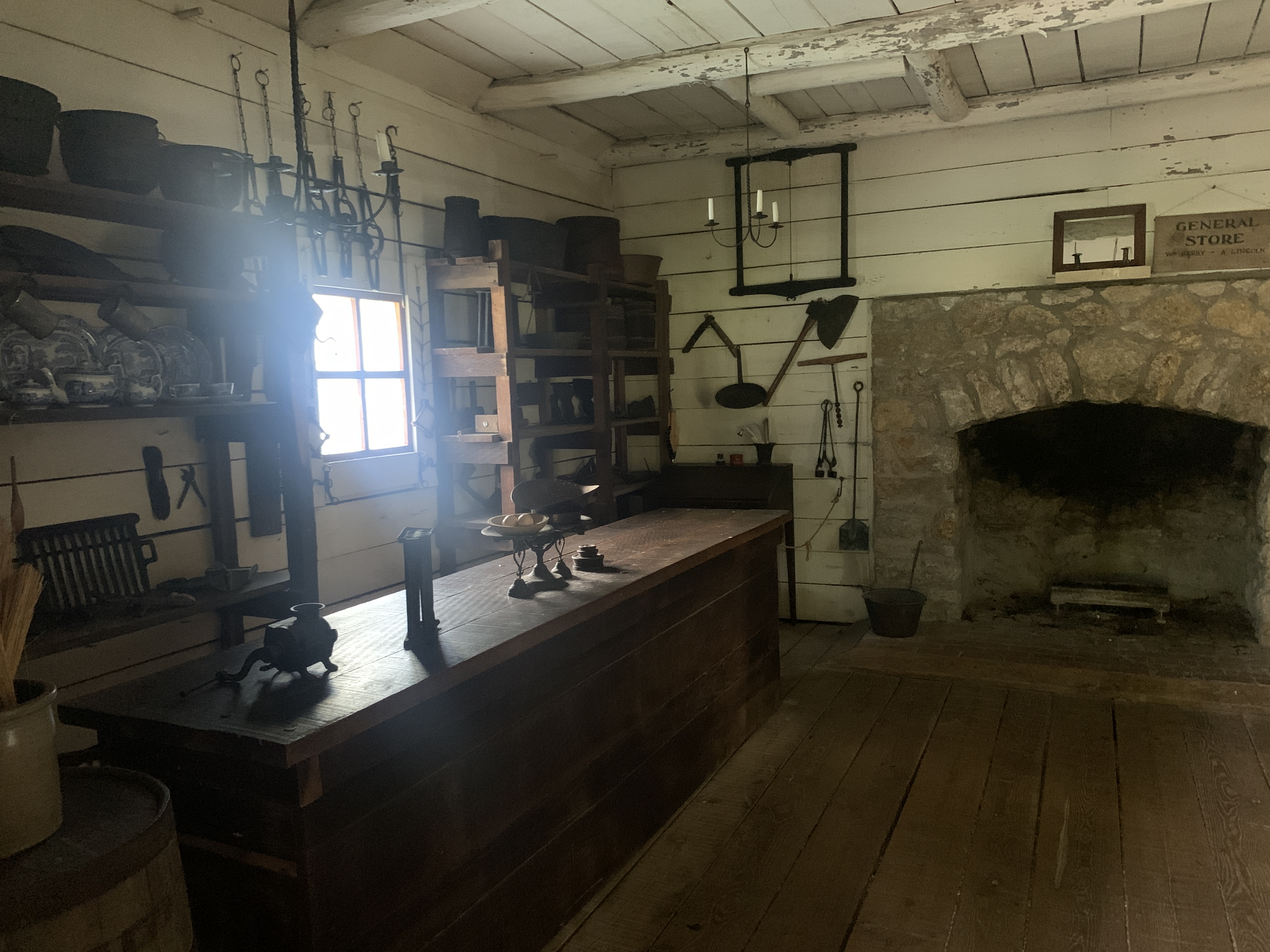
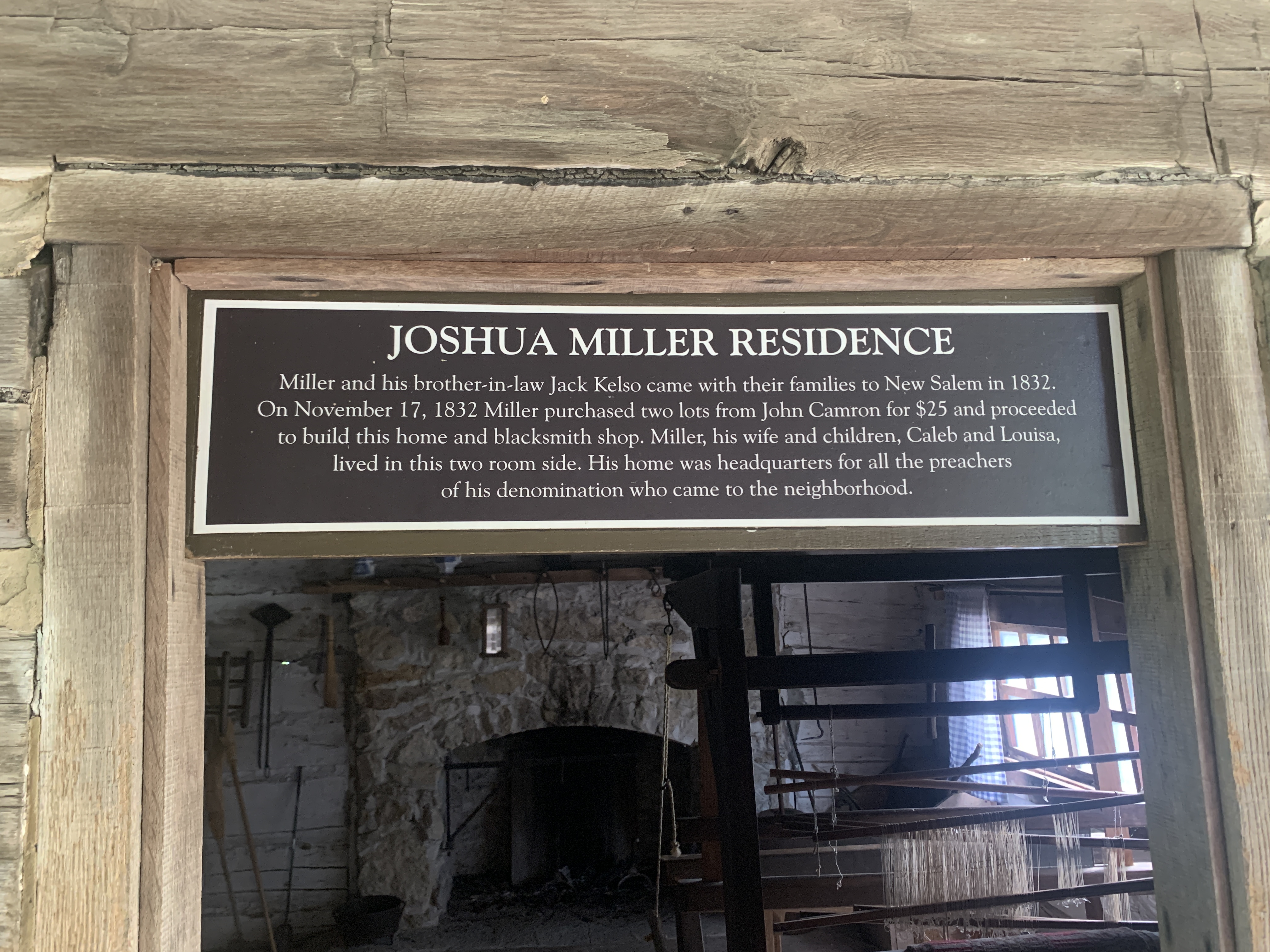
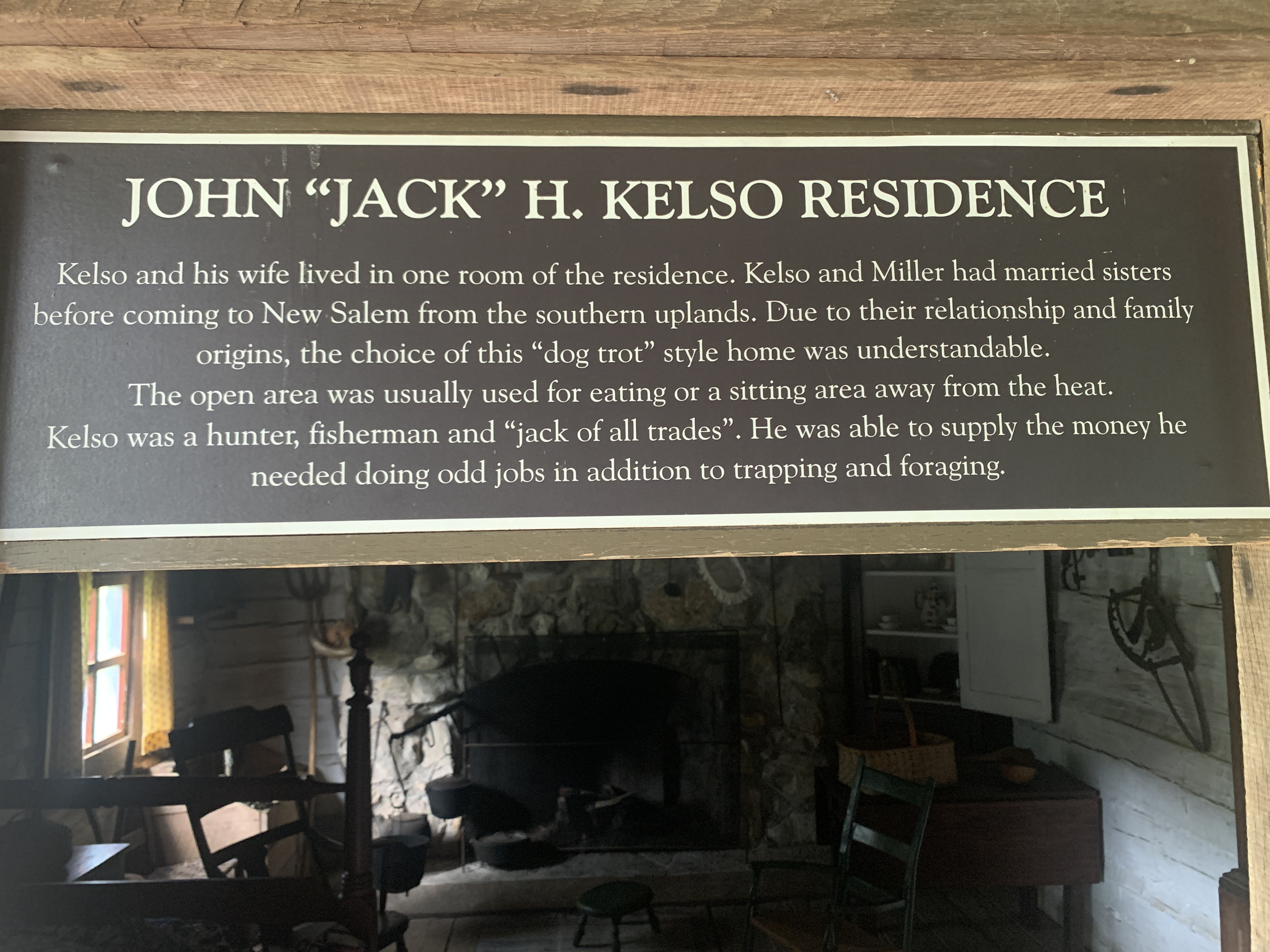
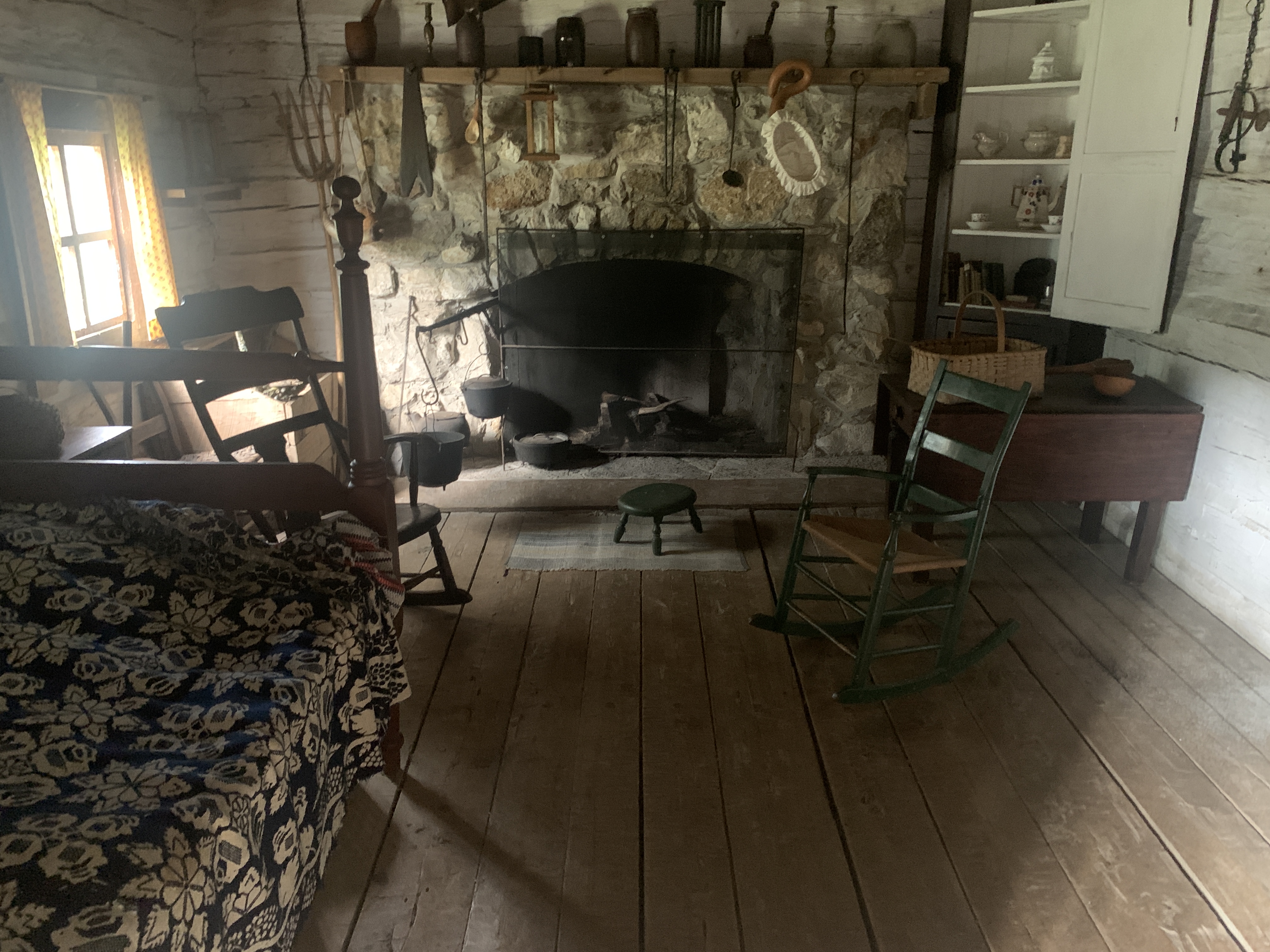
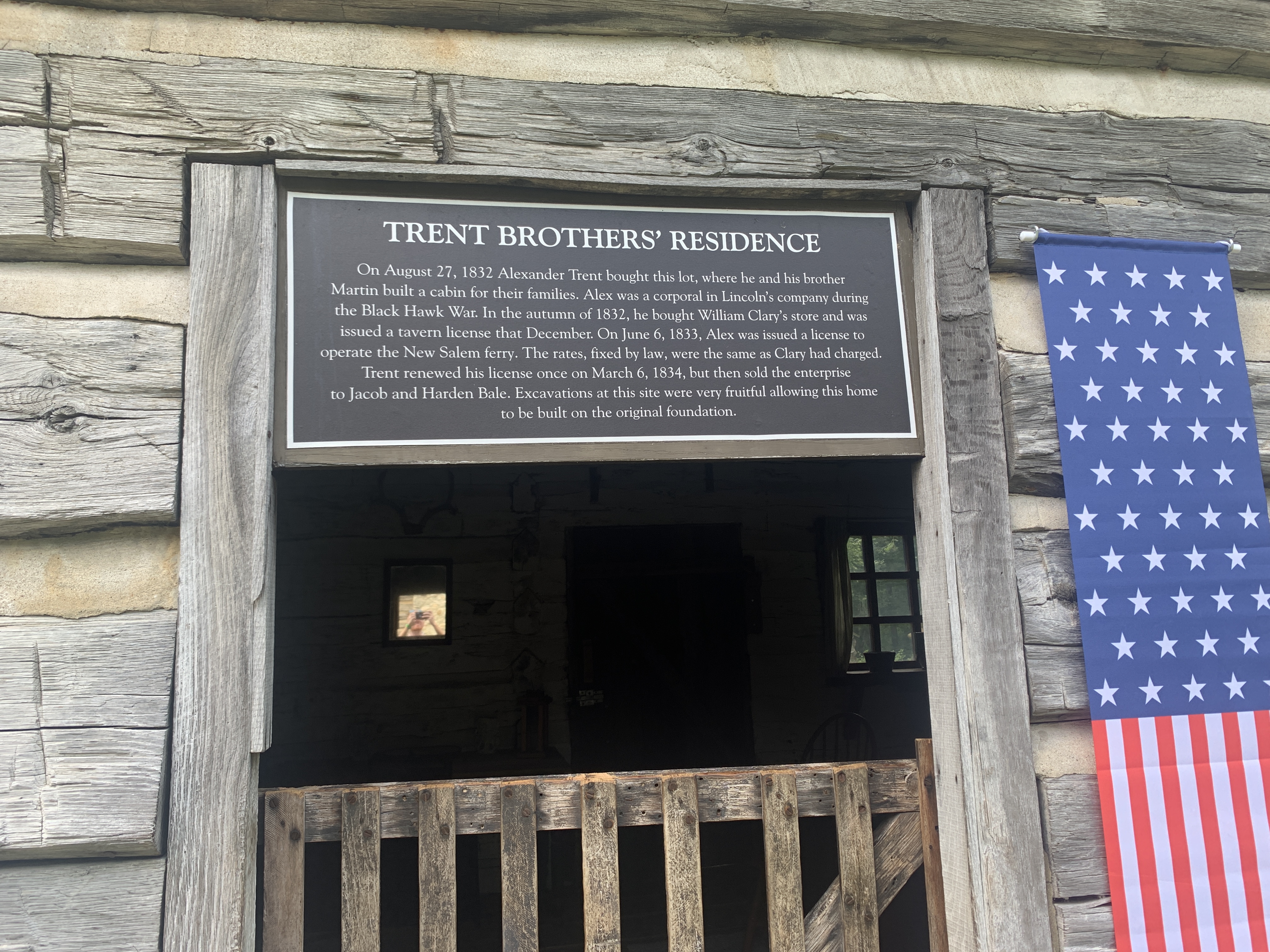
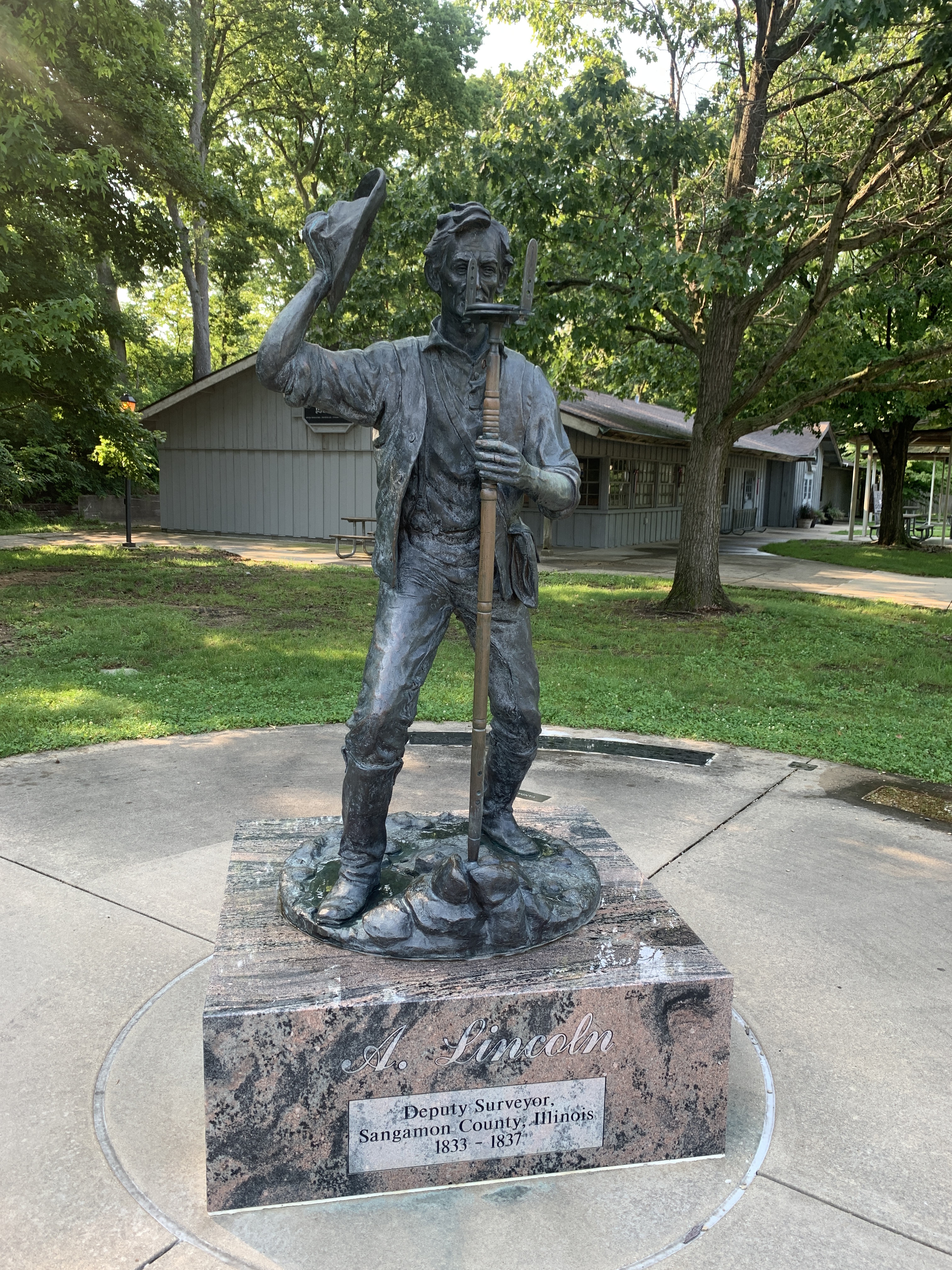
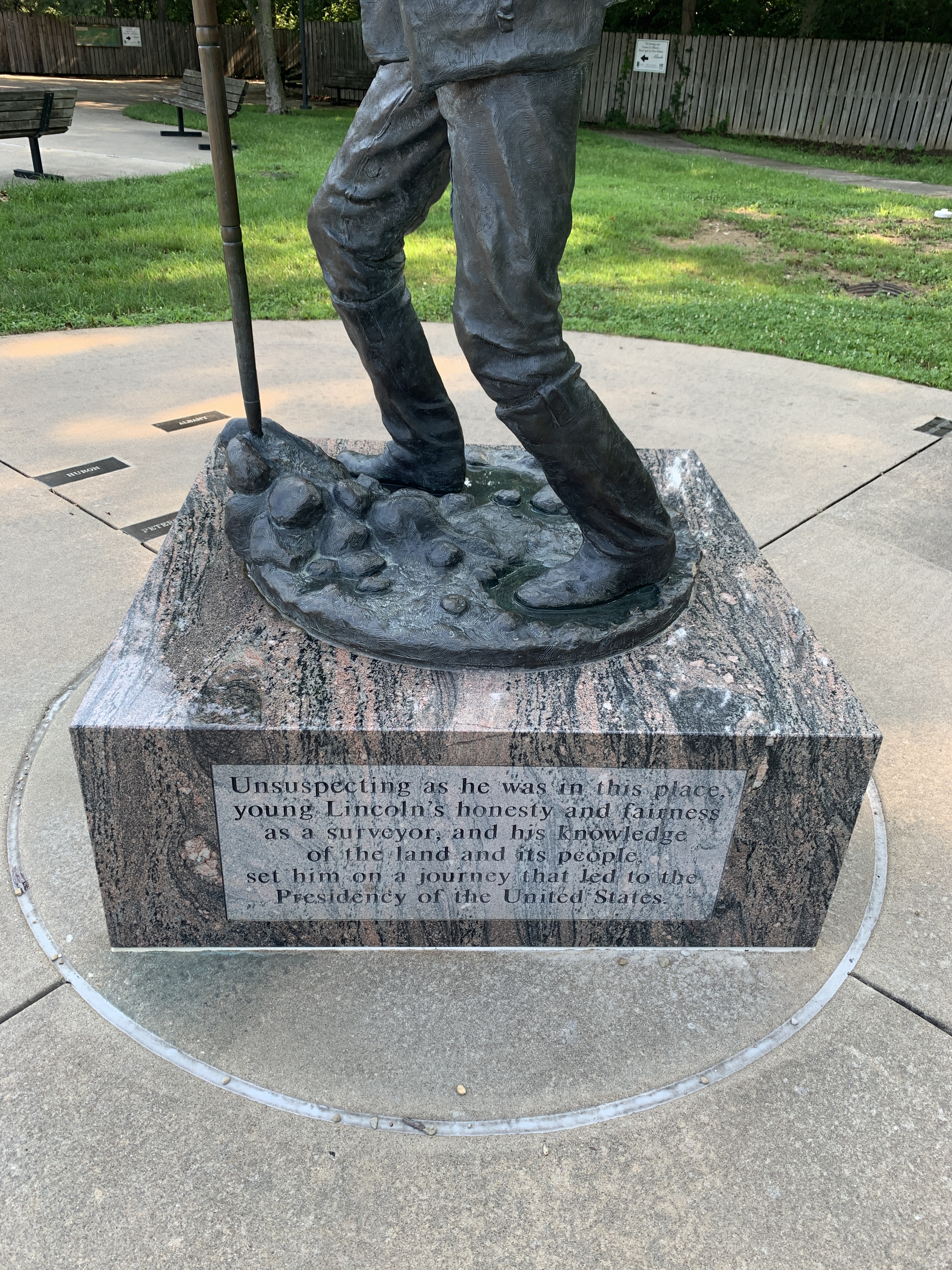
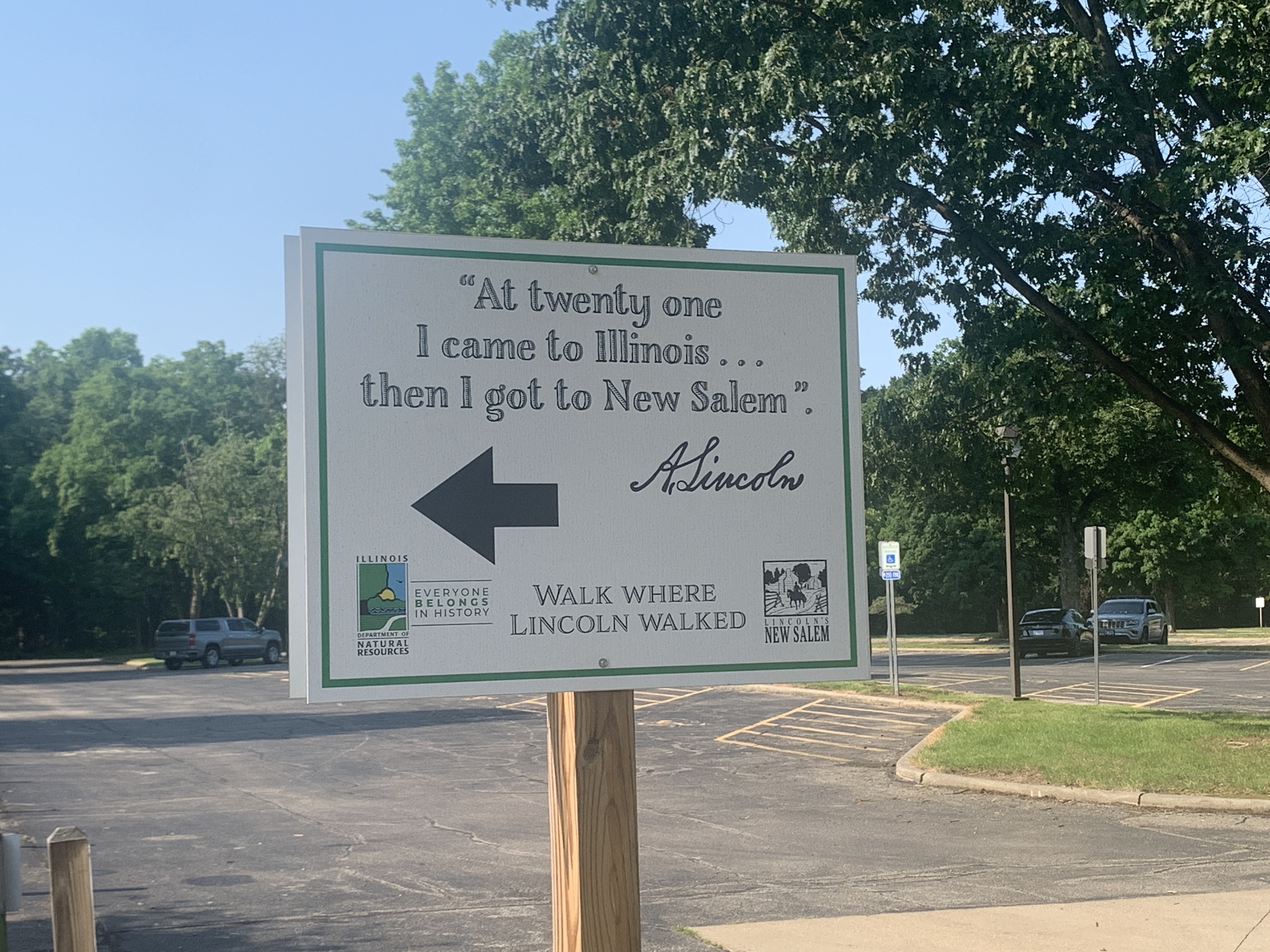
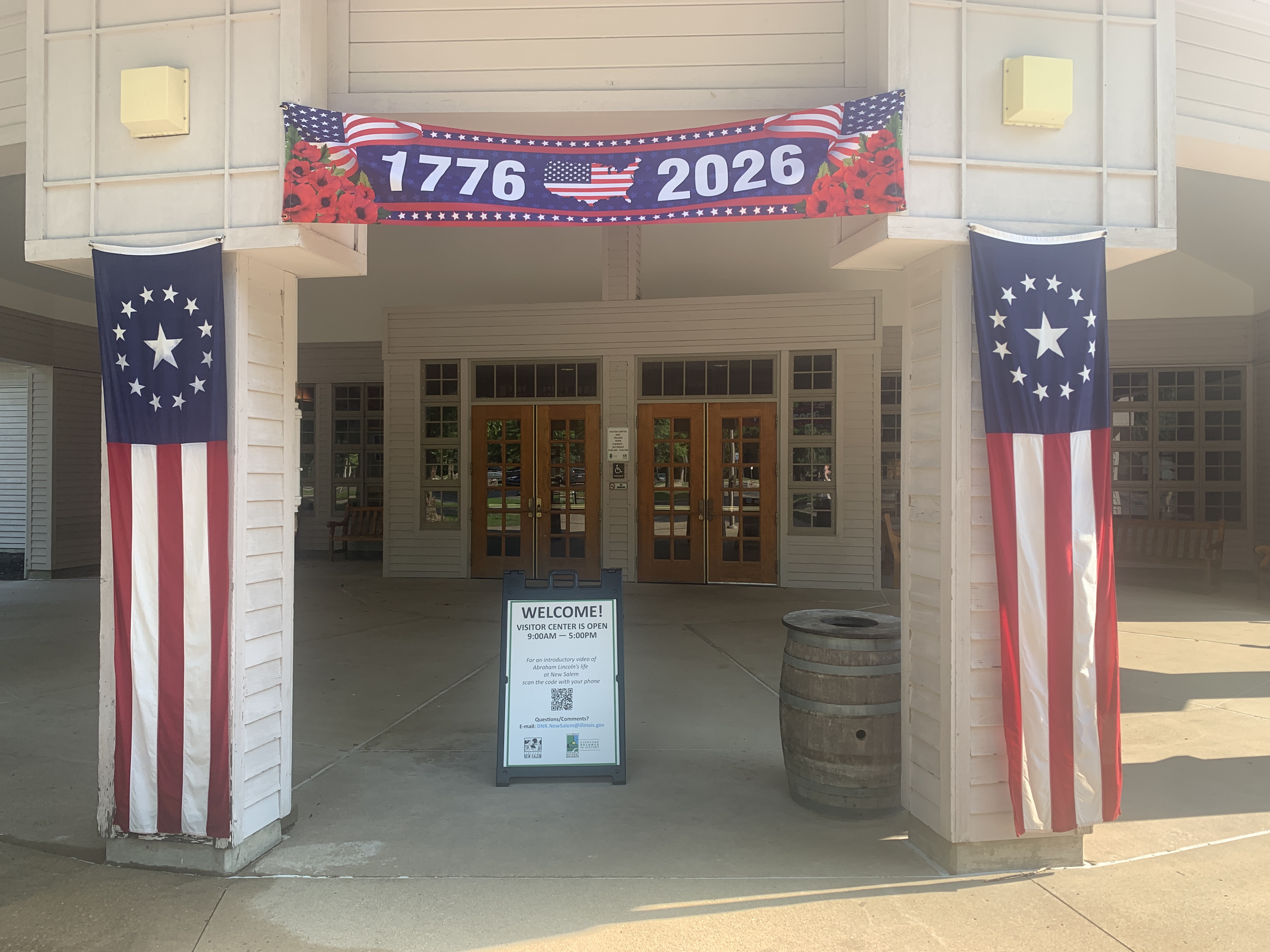
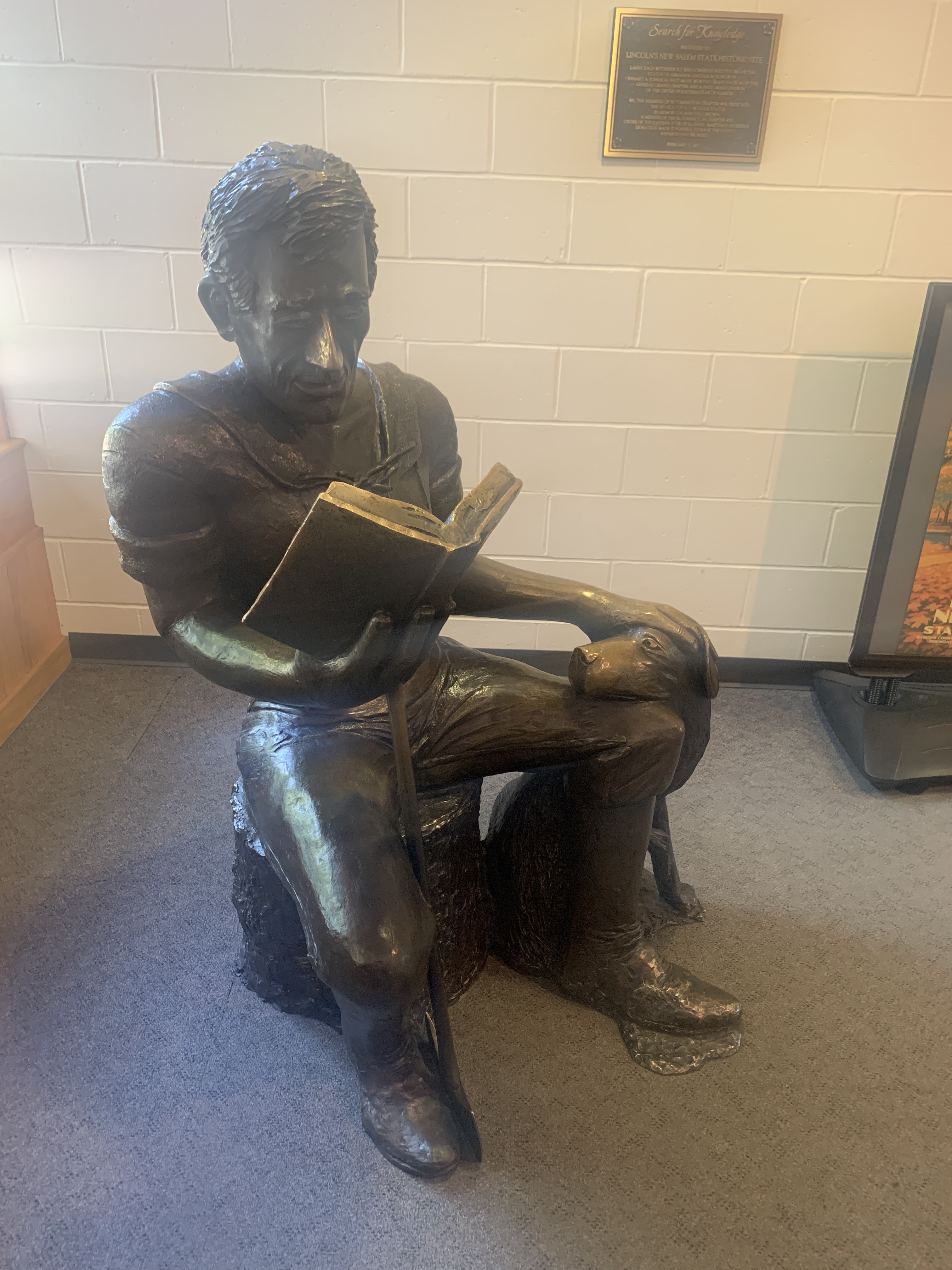
Thankfully, I had a lot of walking ahead of me. But first, I had to drive. I ventured about 30 minutes outside of Springfield to Petersburg, Illinois, where Lincoln lived for a spell in New Salem. Like the Lincoln Home National Historic Site, Lincoln’s New Salem State Historic Site has preserved the whole neighborhood, with the blacksmith, doctor, businessman, Lincoln’s home, and so on in order for visitors to better contextualize Lincoln’s time there in the early-to-mid 1800s. The most notable aspect of New Salem is how soon everyone left New Salem, including Lincoln. Essentially, people came for the promise of the nearby river, but realized it was a bust and ventured elsewhere. Still, to walk on the same path Lincoln once trod and step back into time — replete with volunteers reenacting blacksmithing or wearing appropriate period clothing — was fun. It also makes you appreciate the industriousness and ingenuity of our American ancestors, who weren’t afraid to travel and ply their trade, craft, and brains to make a living for themselves and their families. Take William Clary, who started a General Store in New Salem in 1829. He obtained a license to sell liquor, ranging from $.125 for brandy to $.25 for gin and whisky. But within two years, sold the store and moved to Texas. There was also a neat little museum inside the Visitor’s Center that showed more of Lincoln’s history and the history of New Salem.
Before entering the site fully, there was a neat period-attired choir singing, “When Johnny Comes Marching Home,” among other songs.
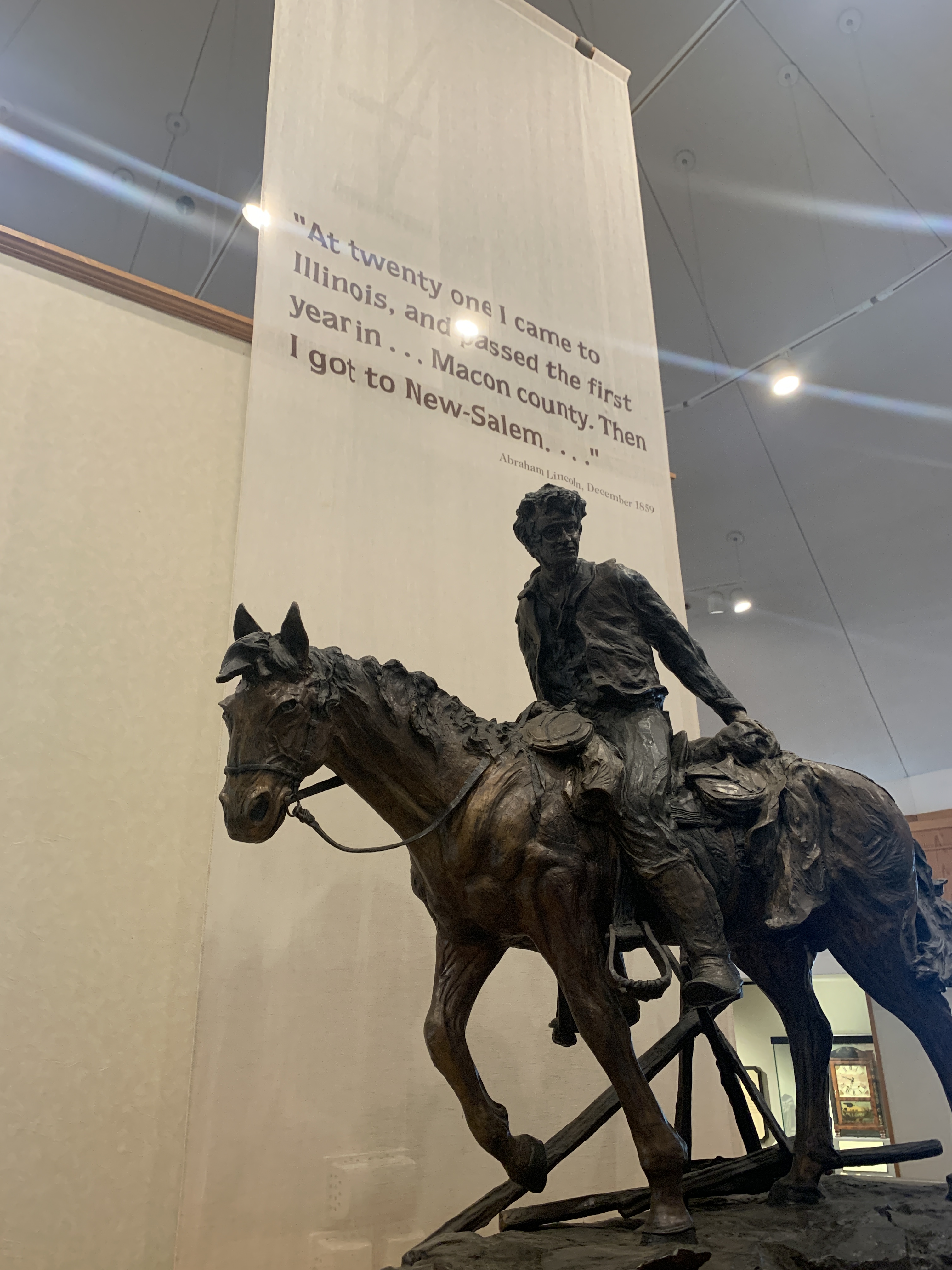
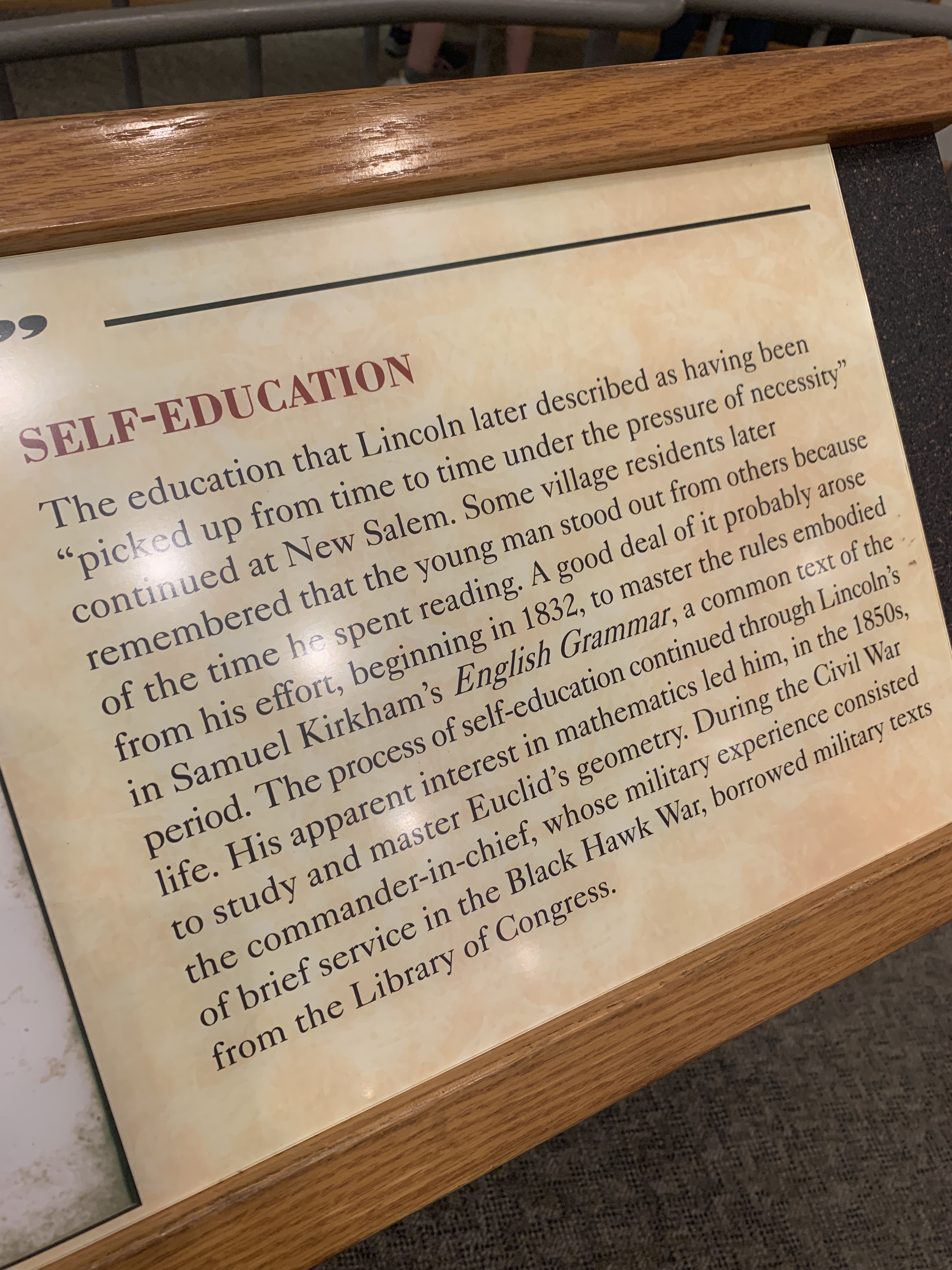
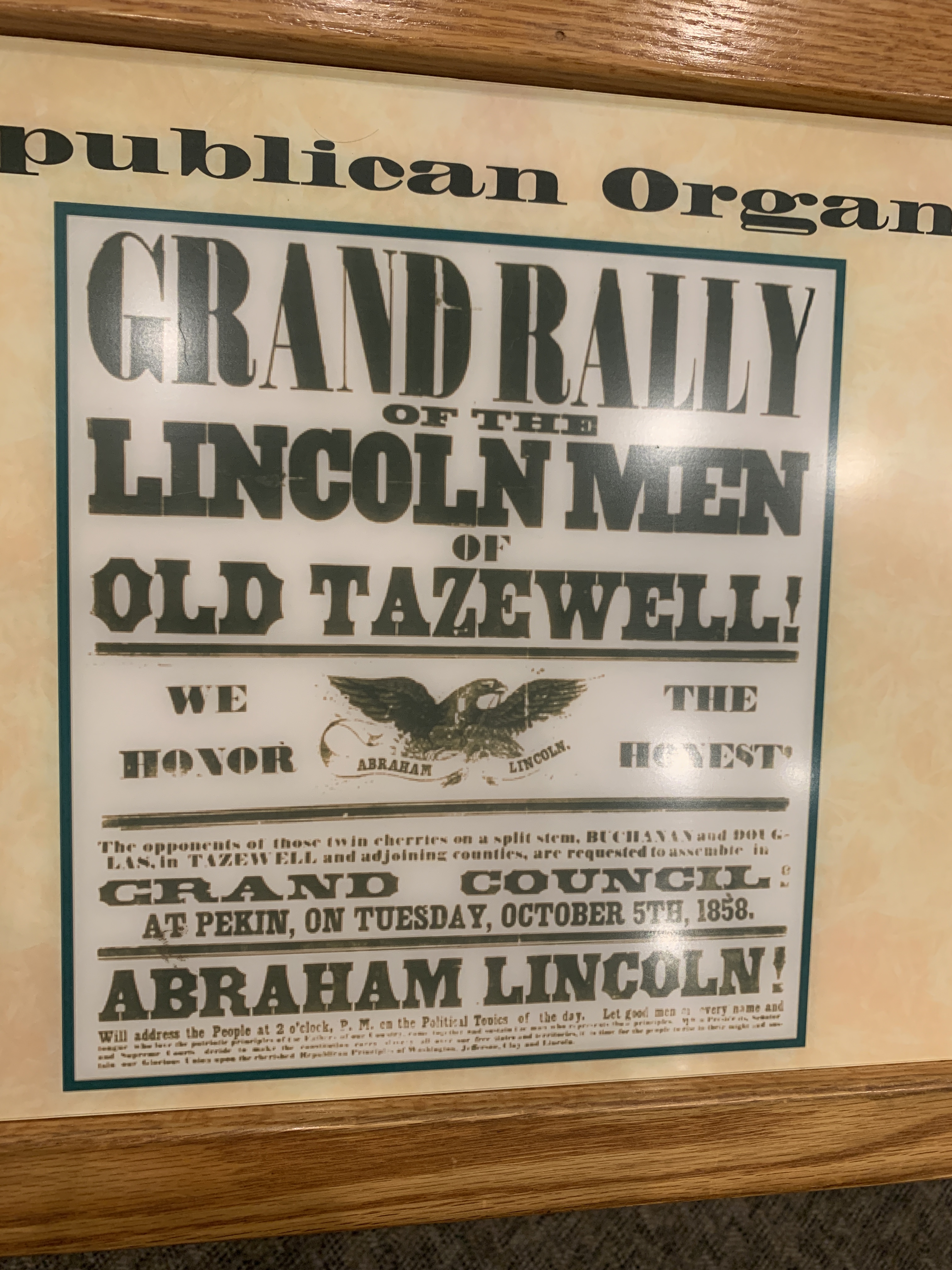
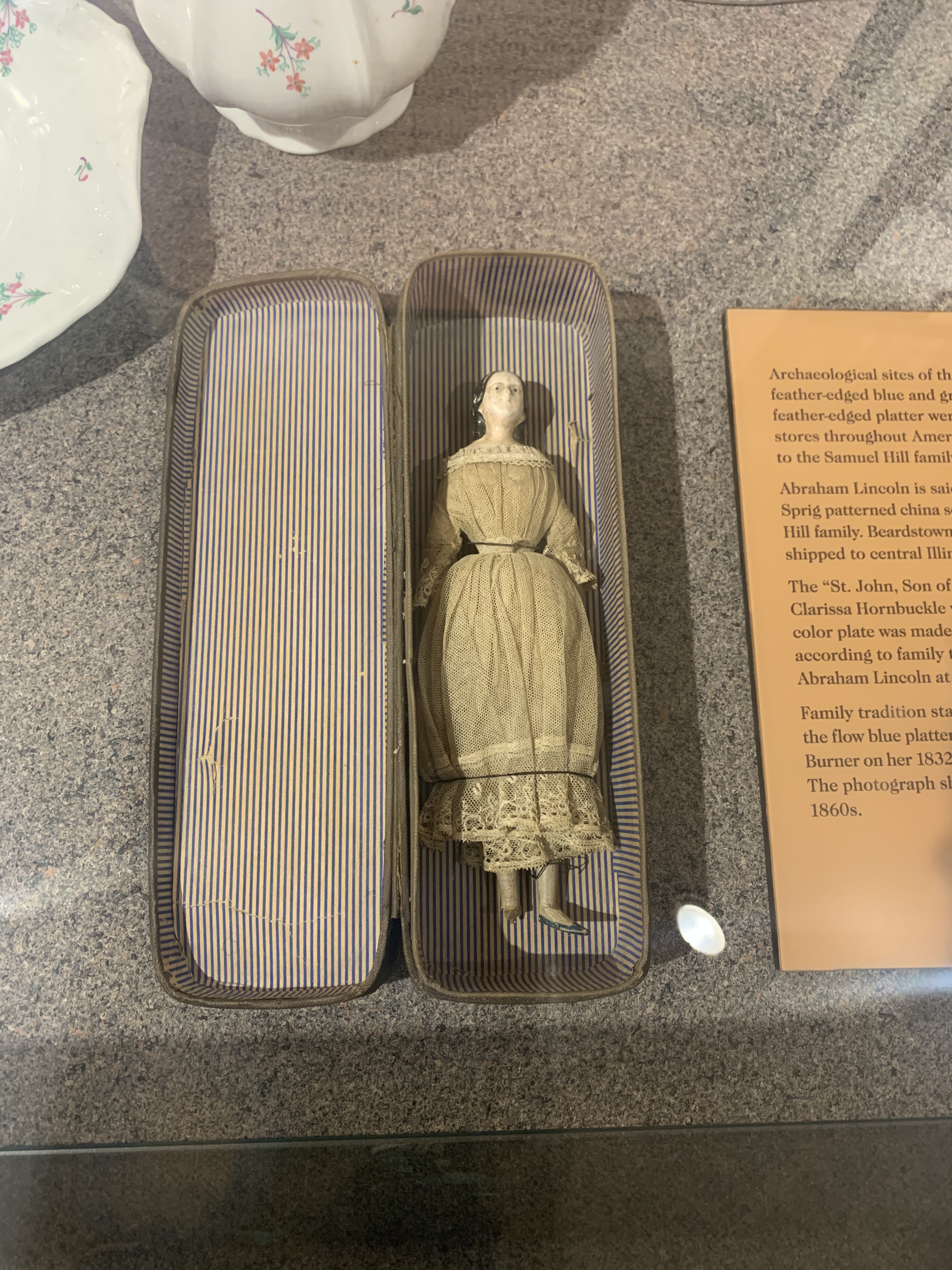
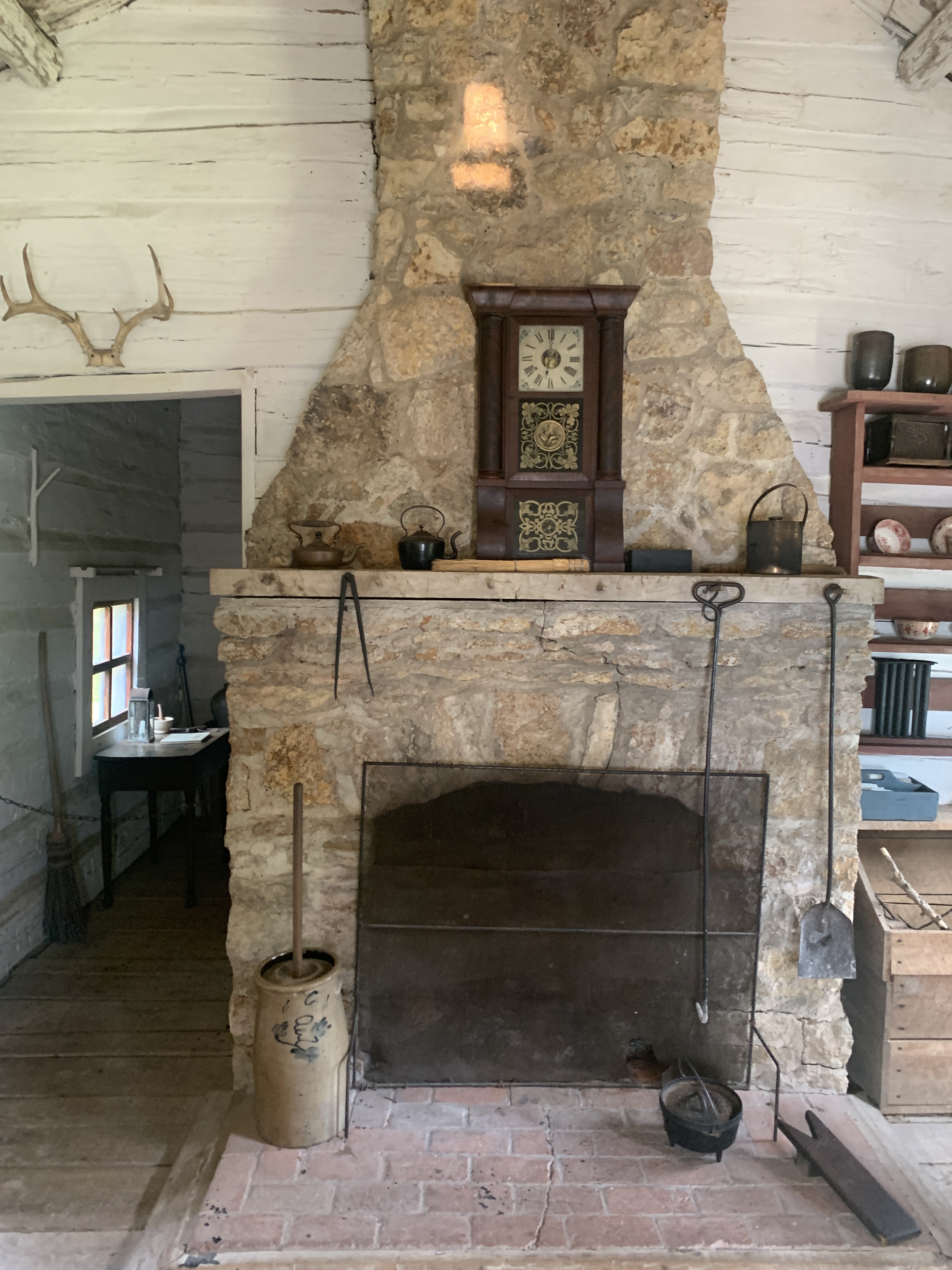
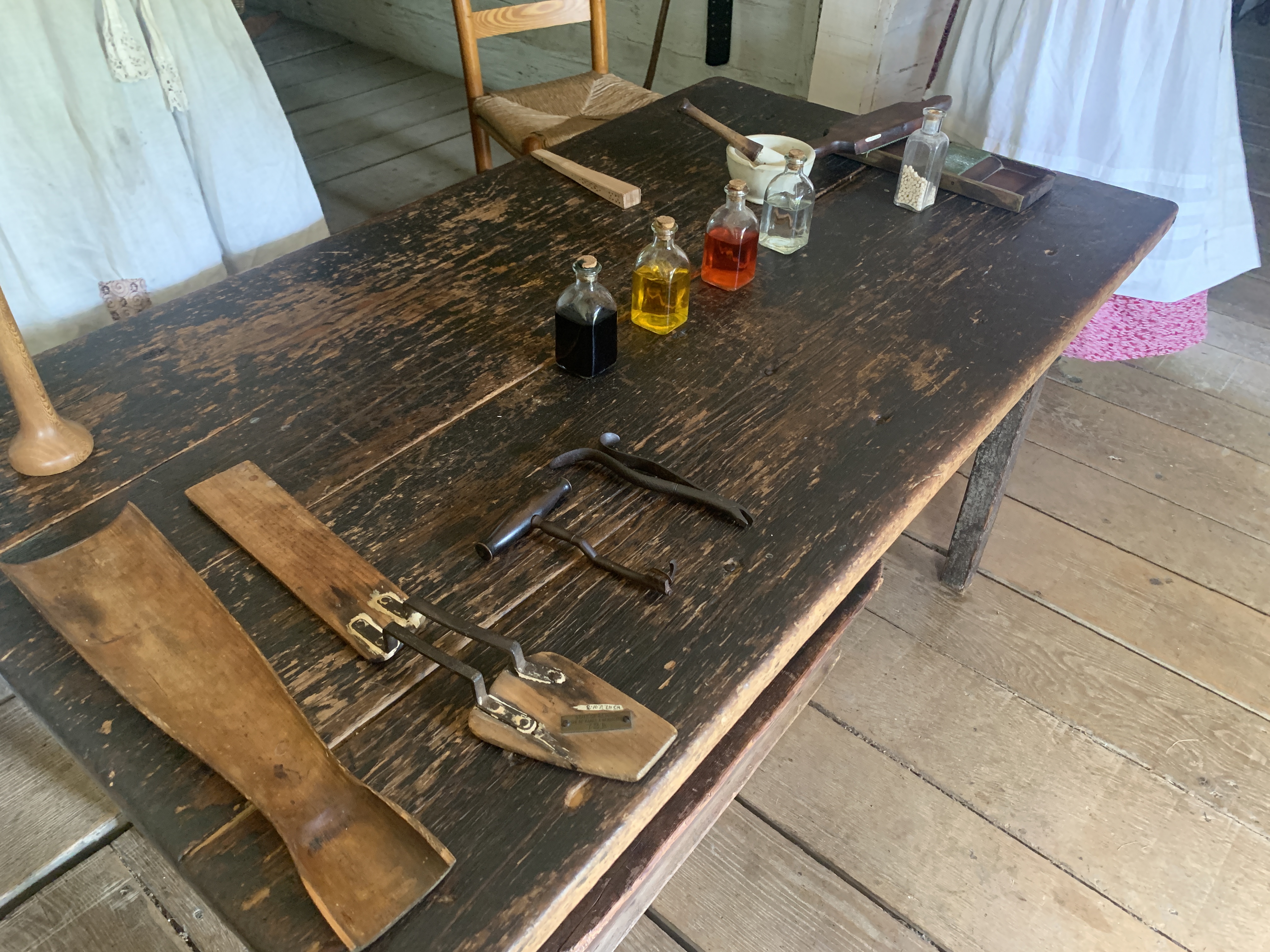
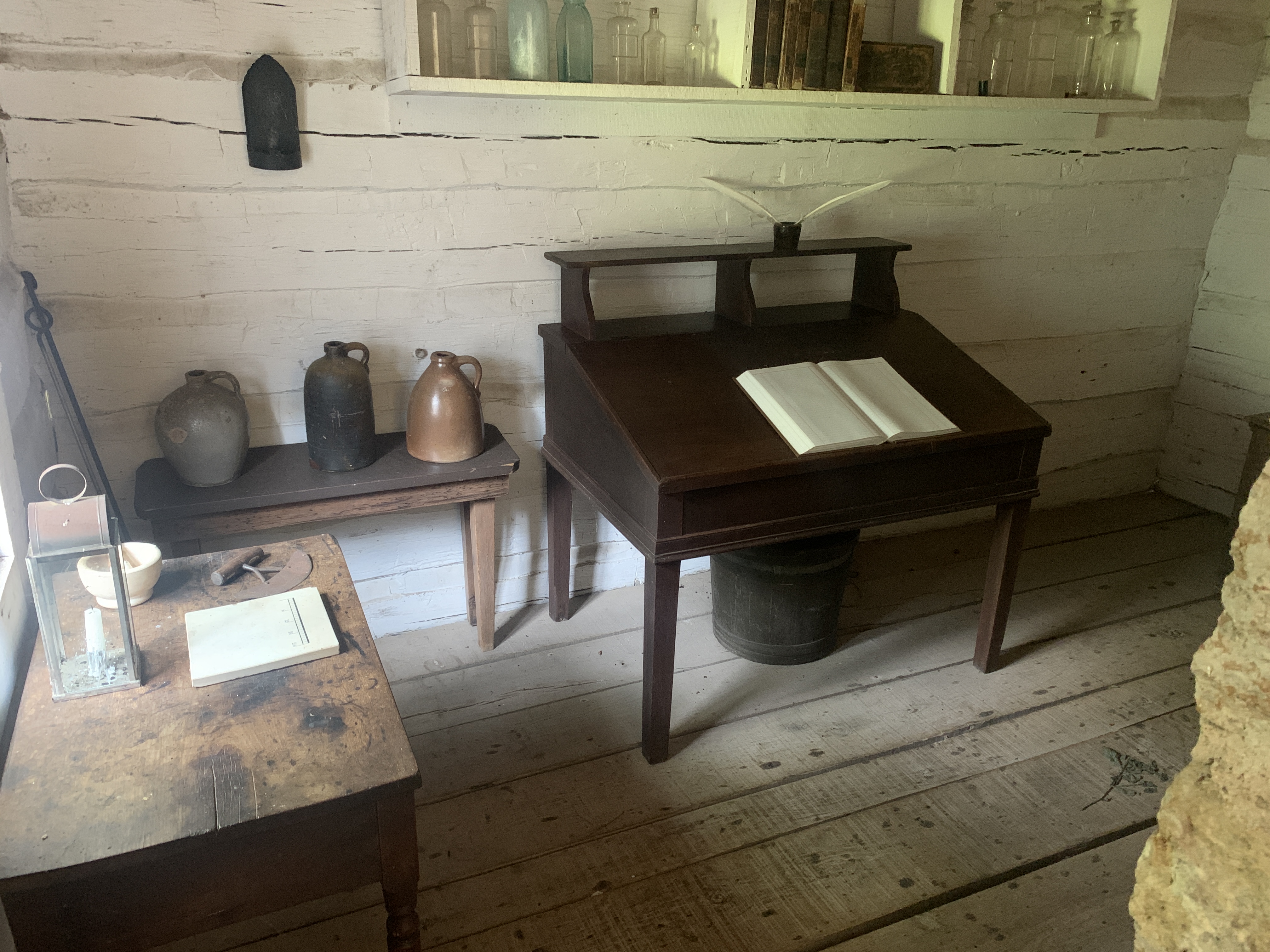
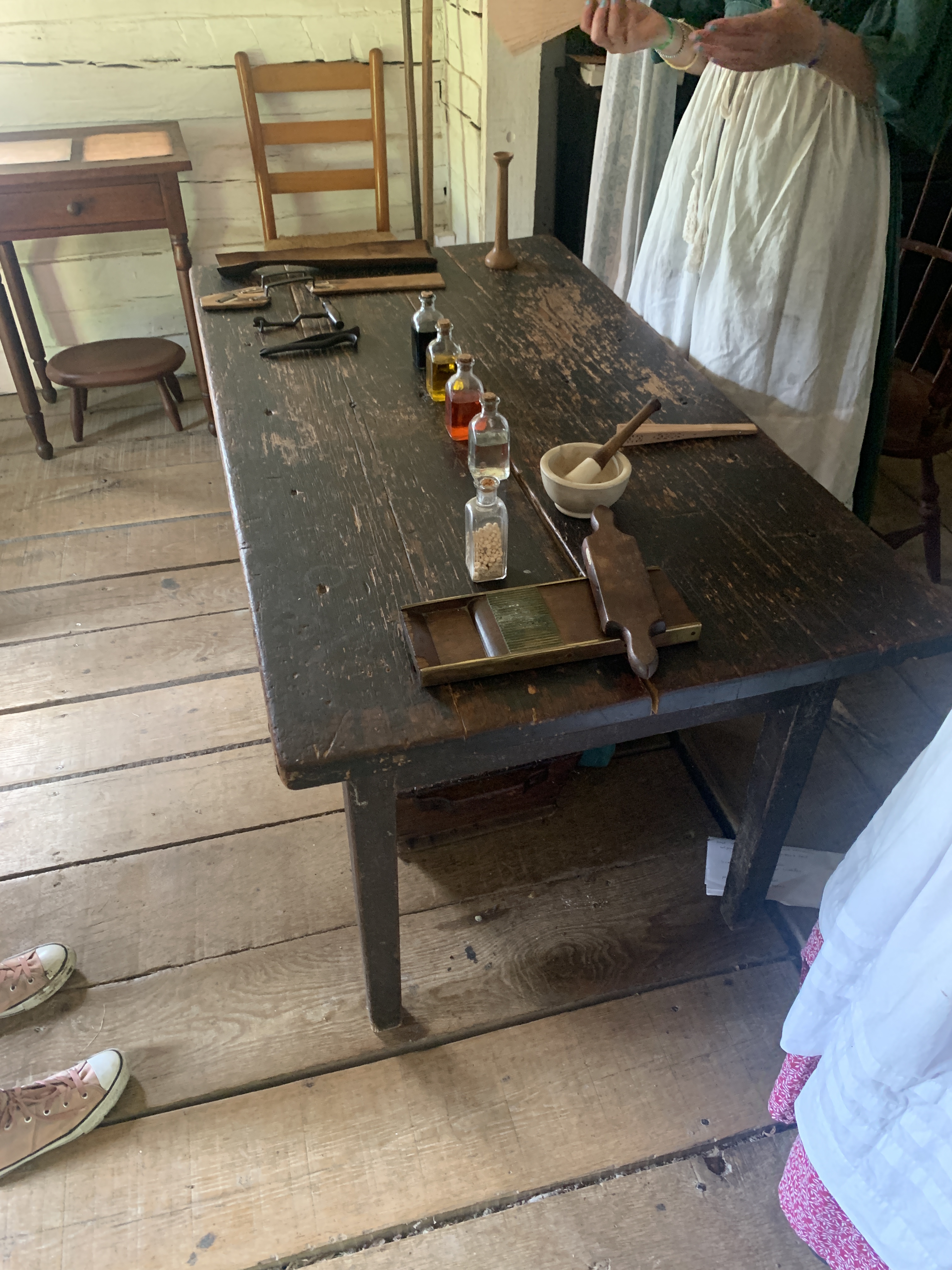
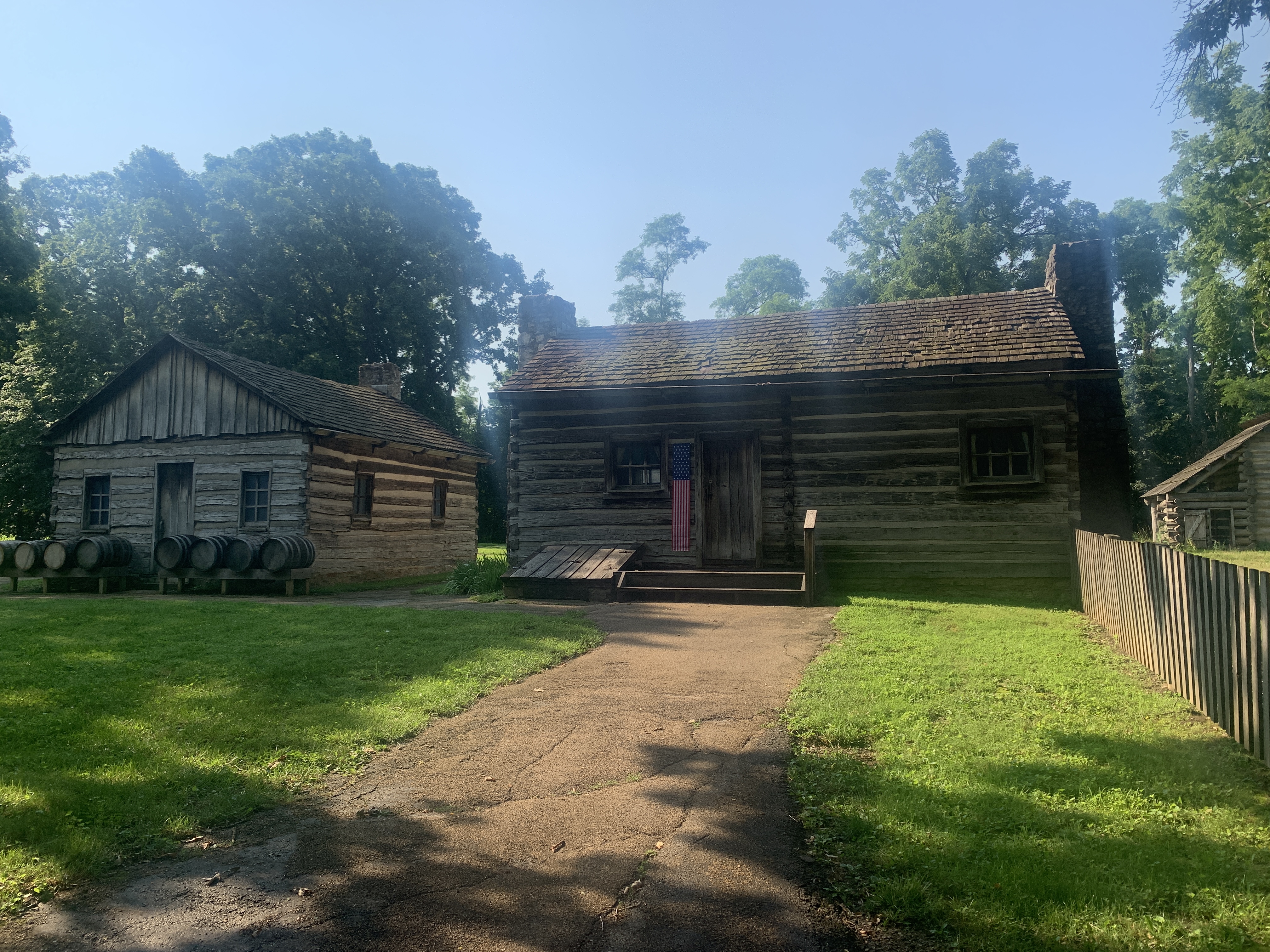
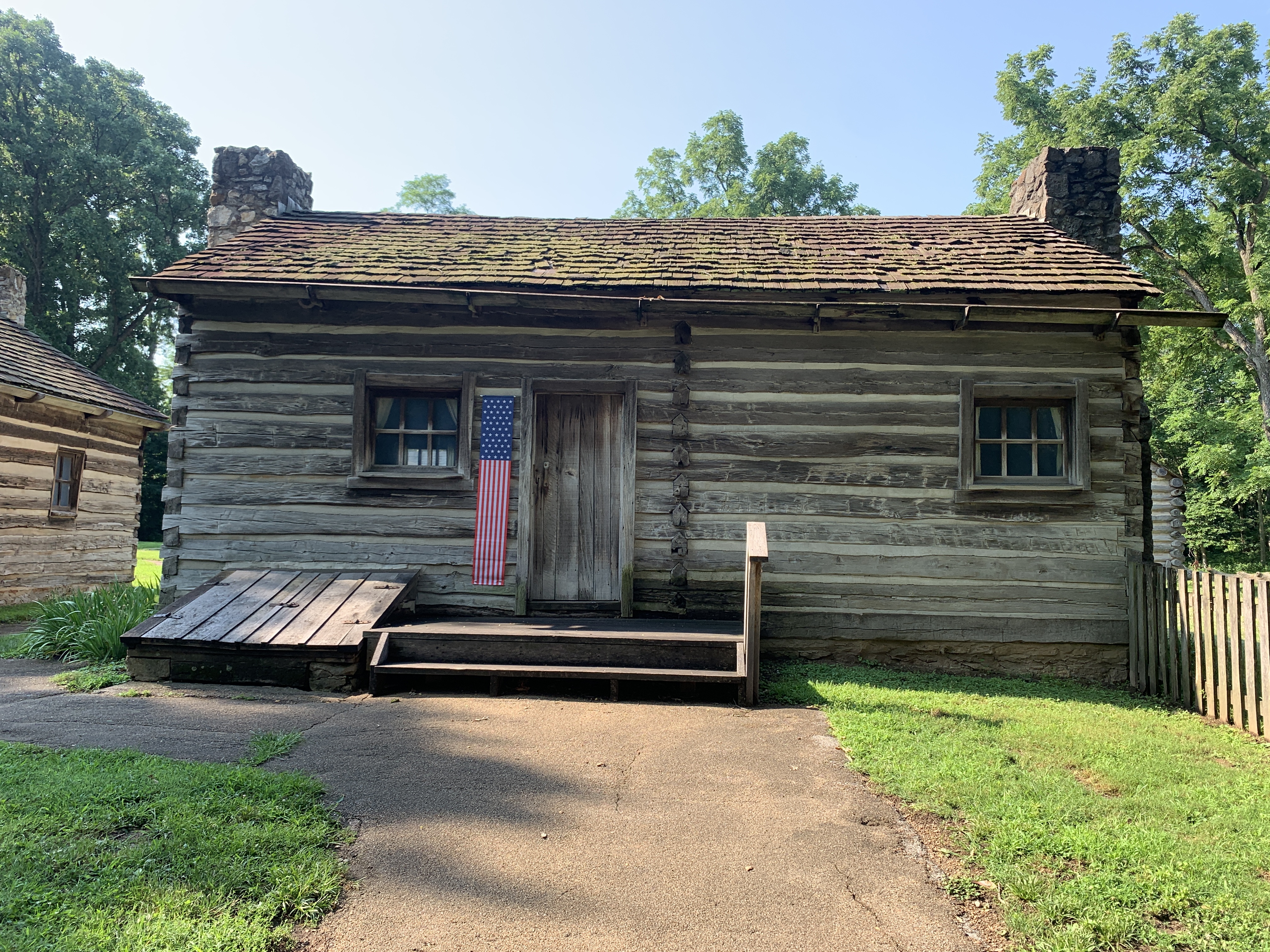
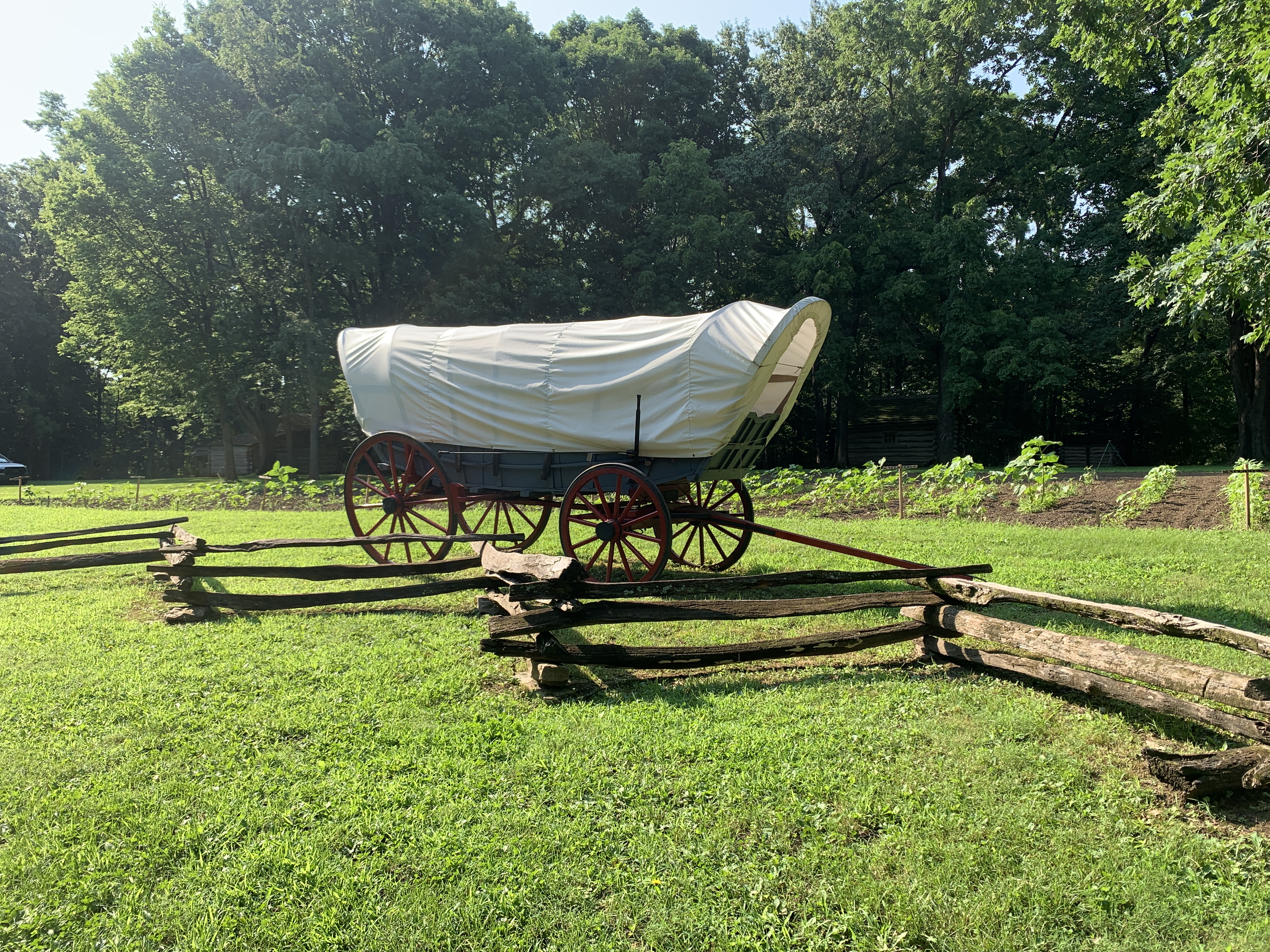
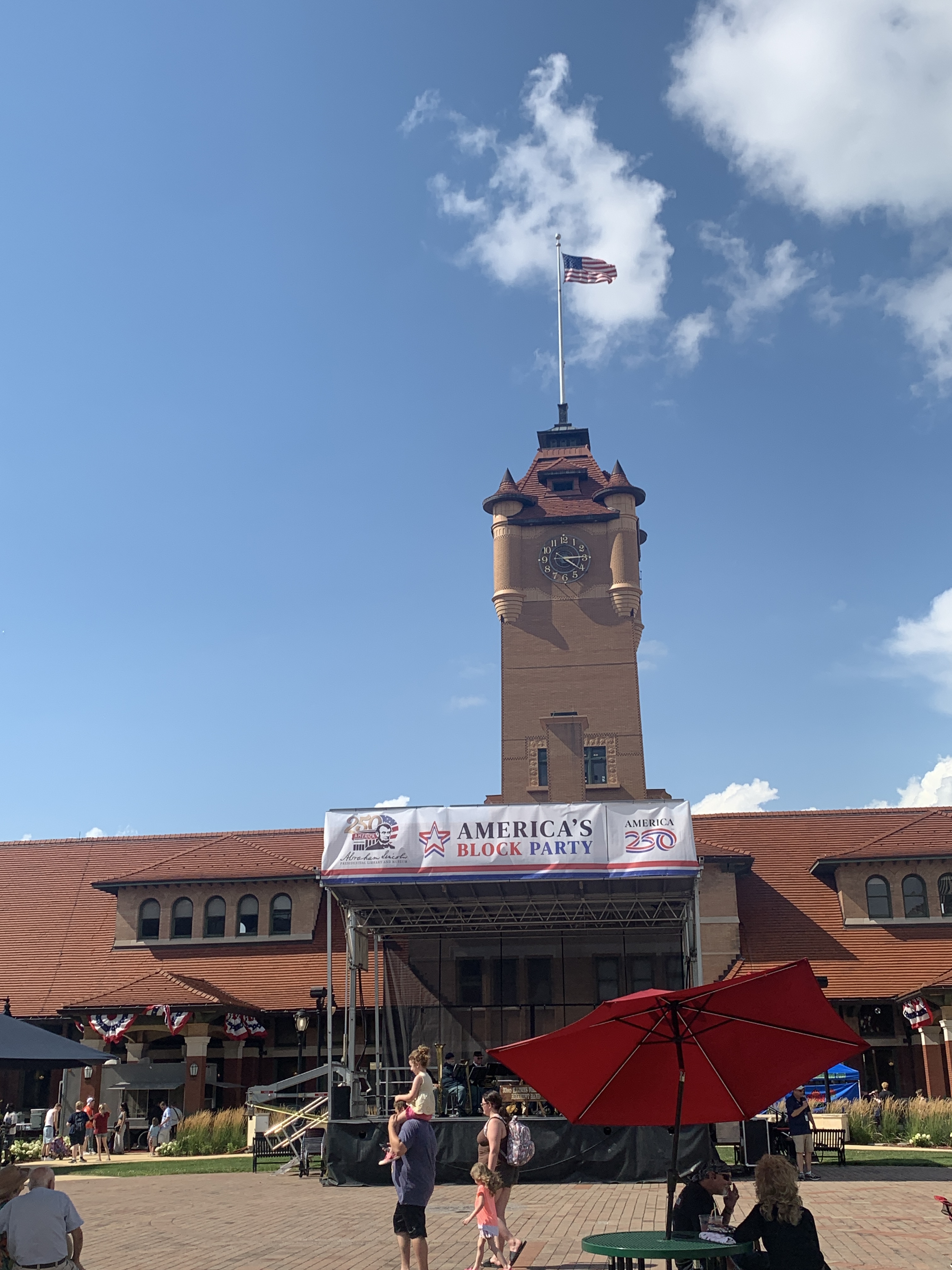
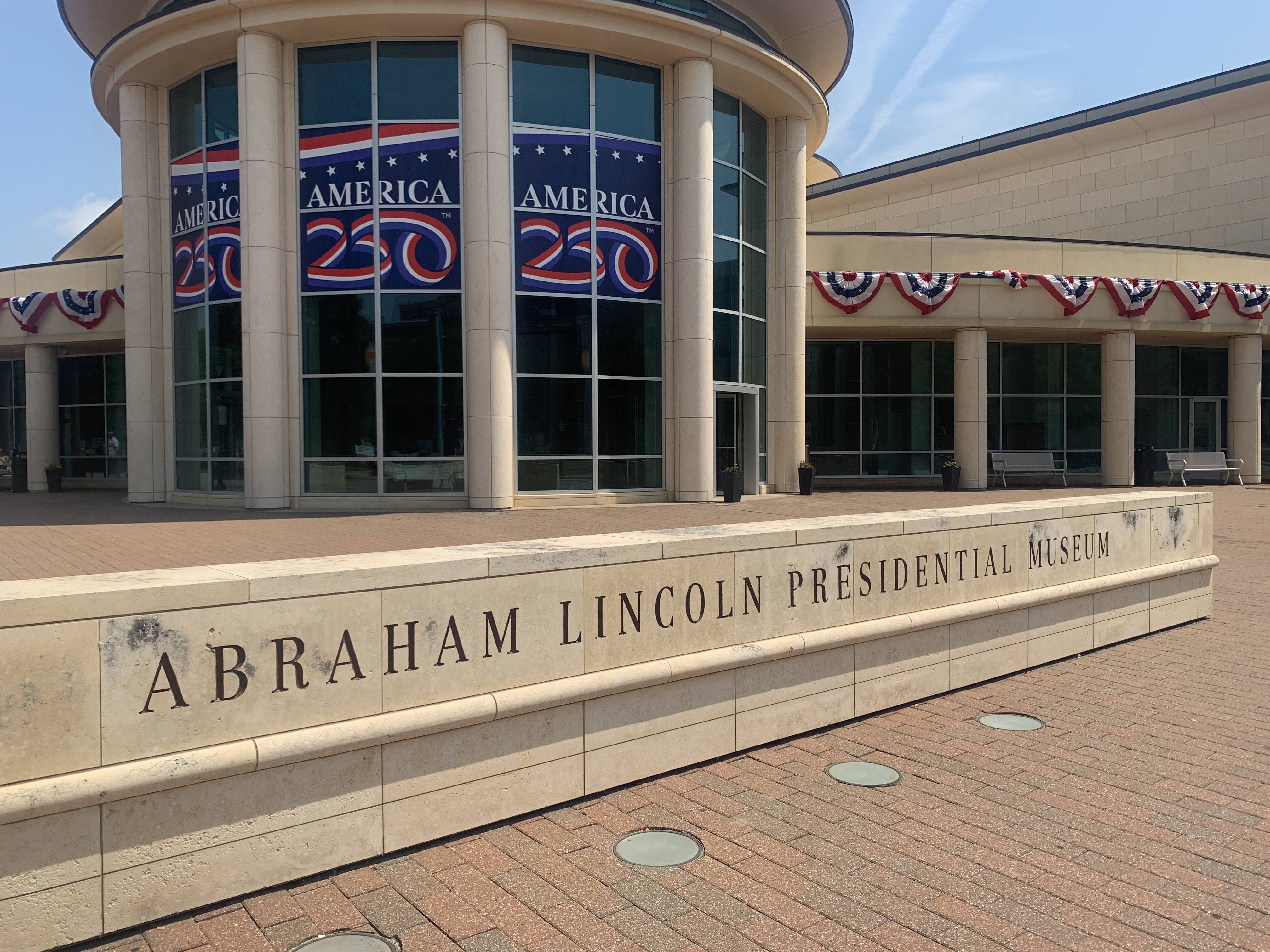
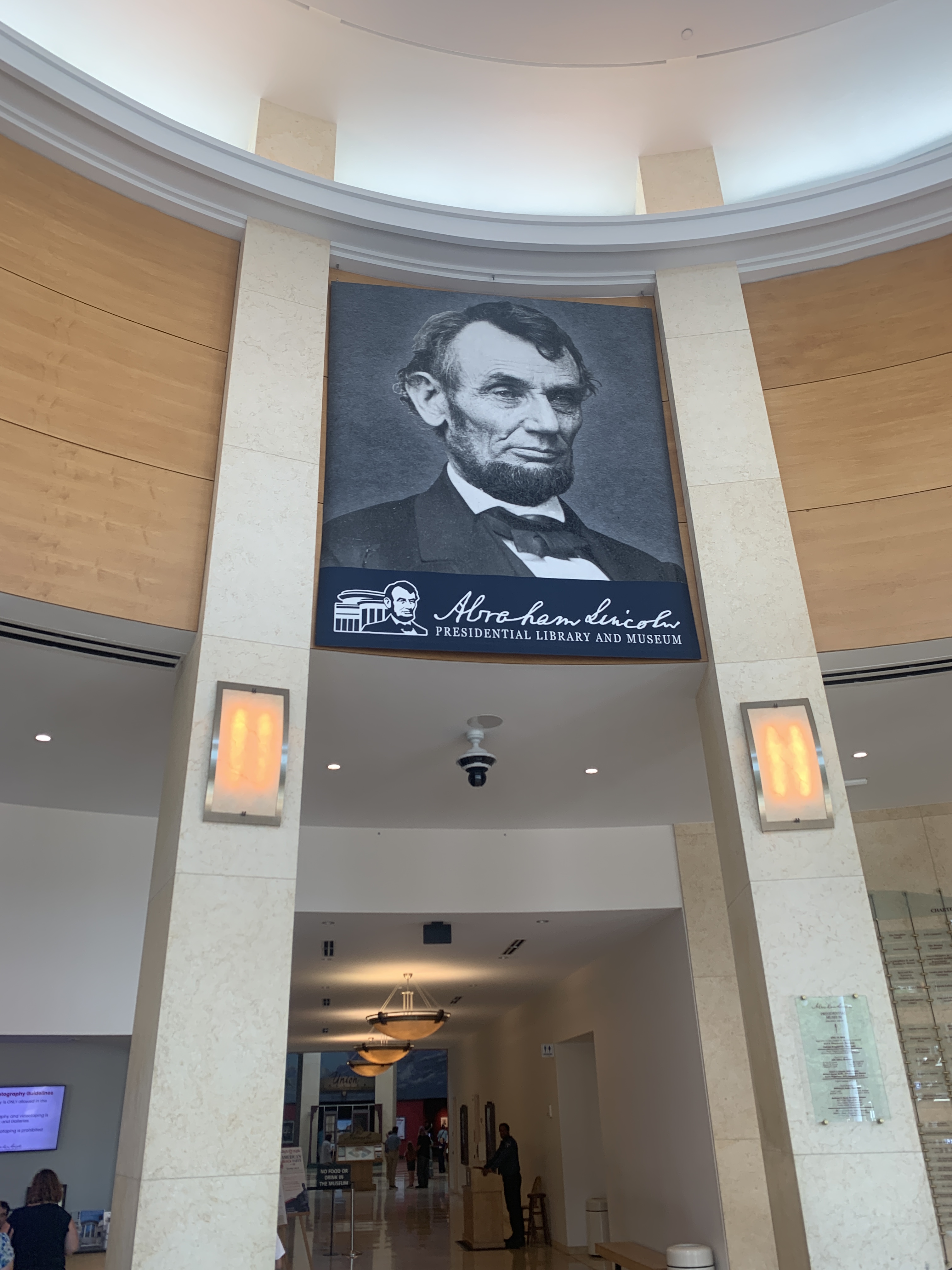
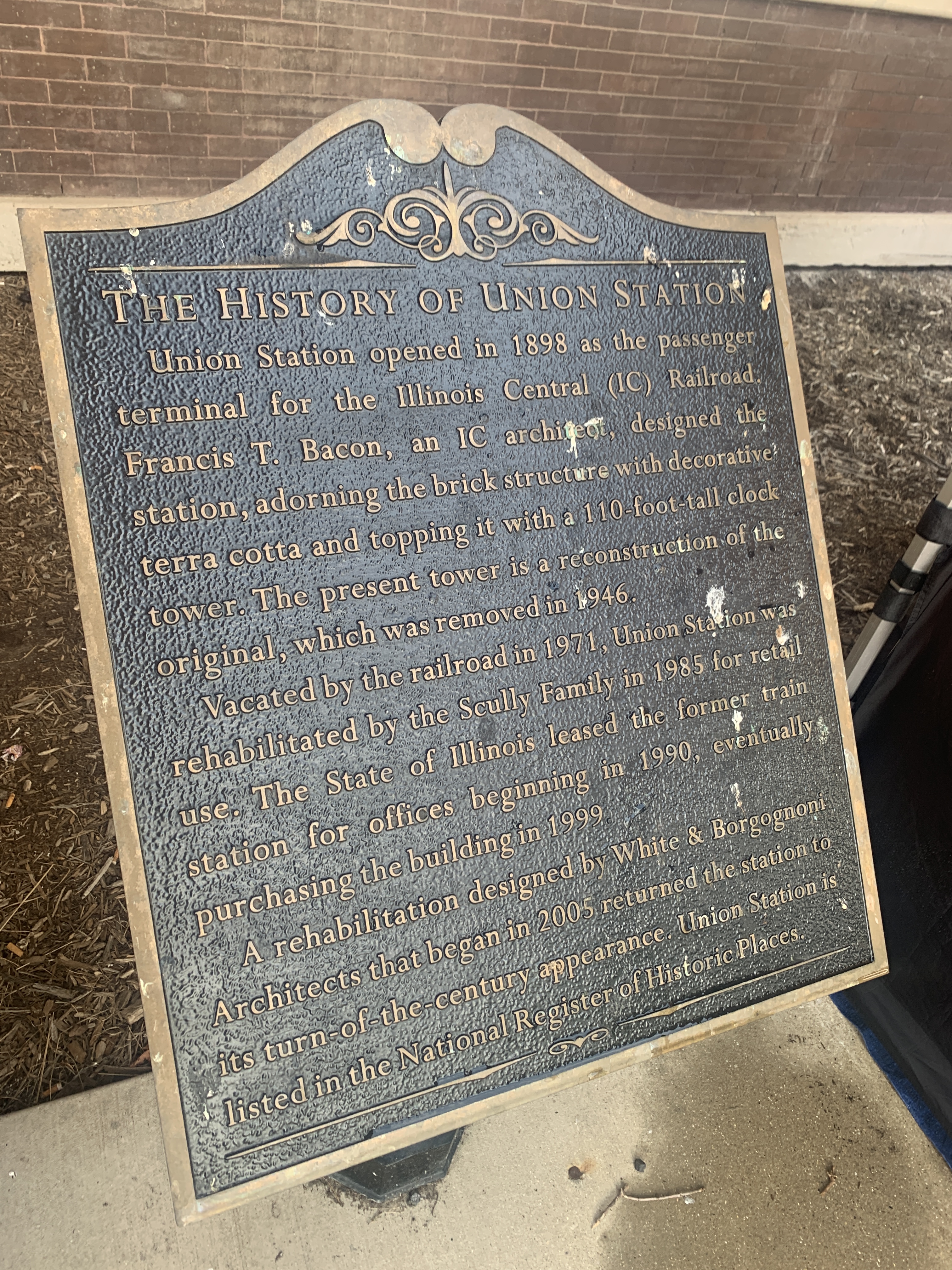
By mid-Saturday, it was time for what I considered the main attraction and reason I came to Springfield (after seeing a Conan O’Brien clip about it, incidentally!): the Abraham Lincoln Presidential Library and Museum. Plus, owing to it being July 4th, they offered free admission and then at 3 p.m., a 250th block party would begin outside near Union Station with its beautiful clock tower.
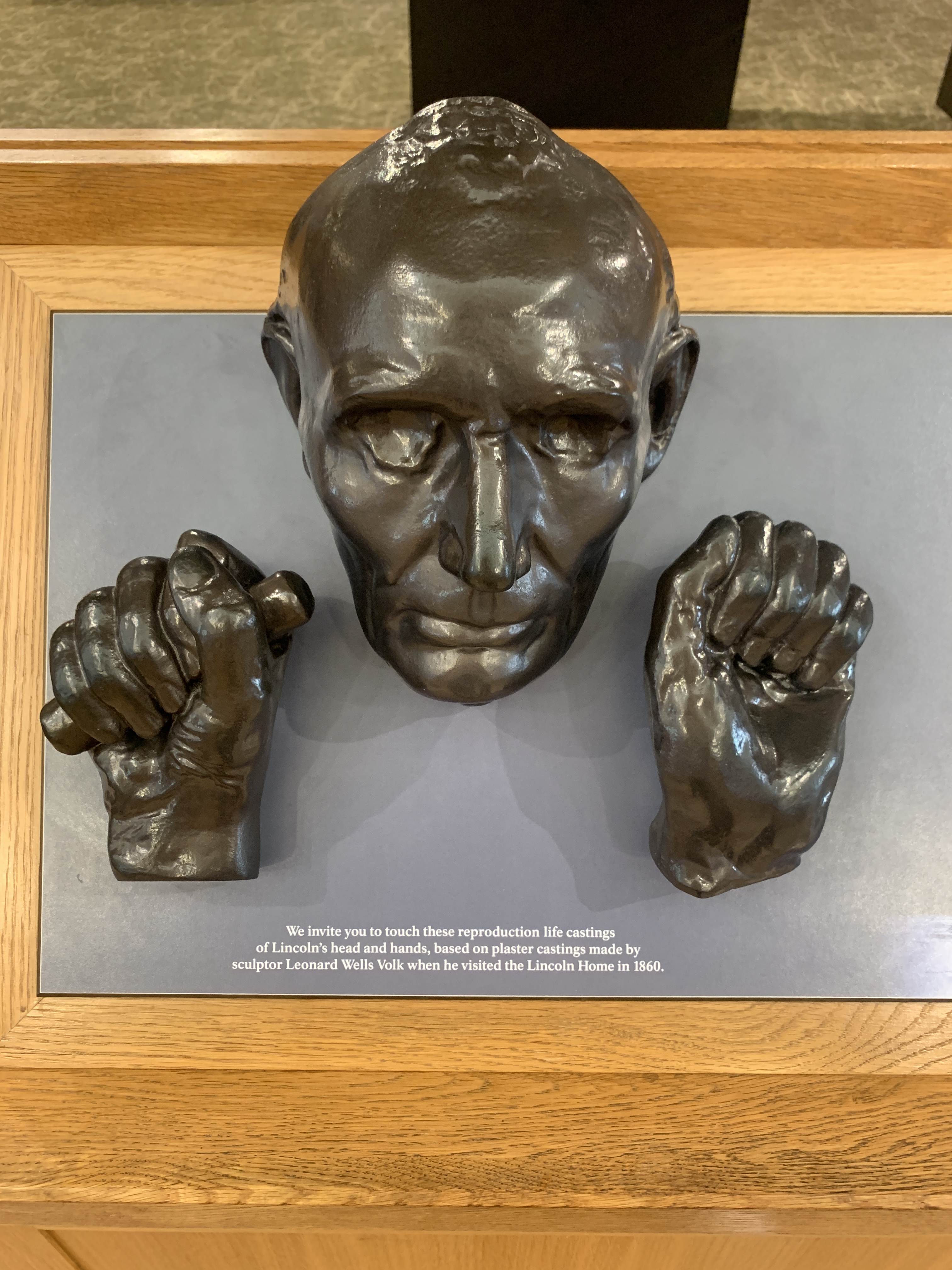
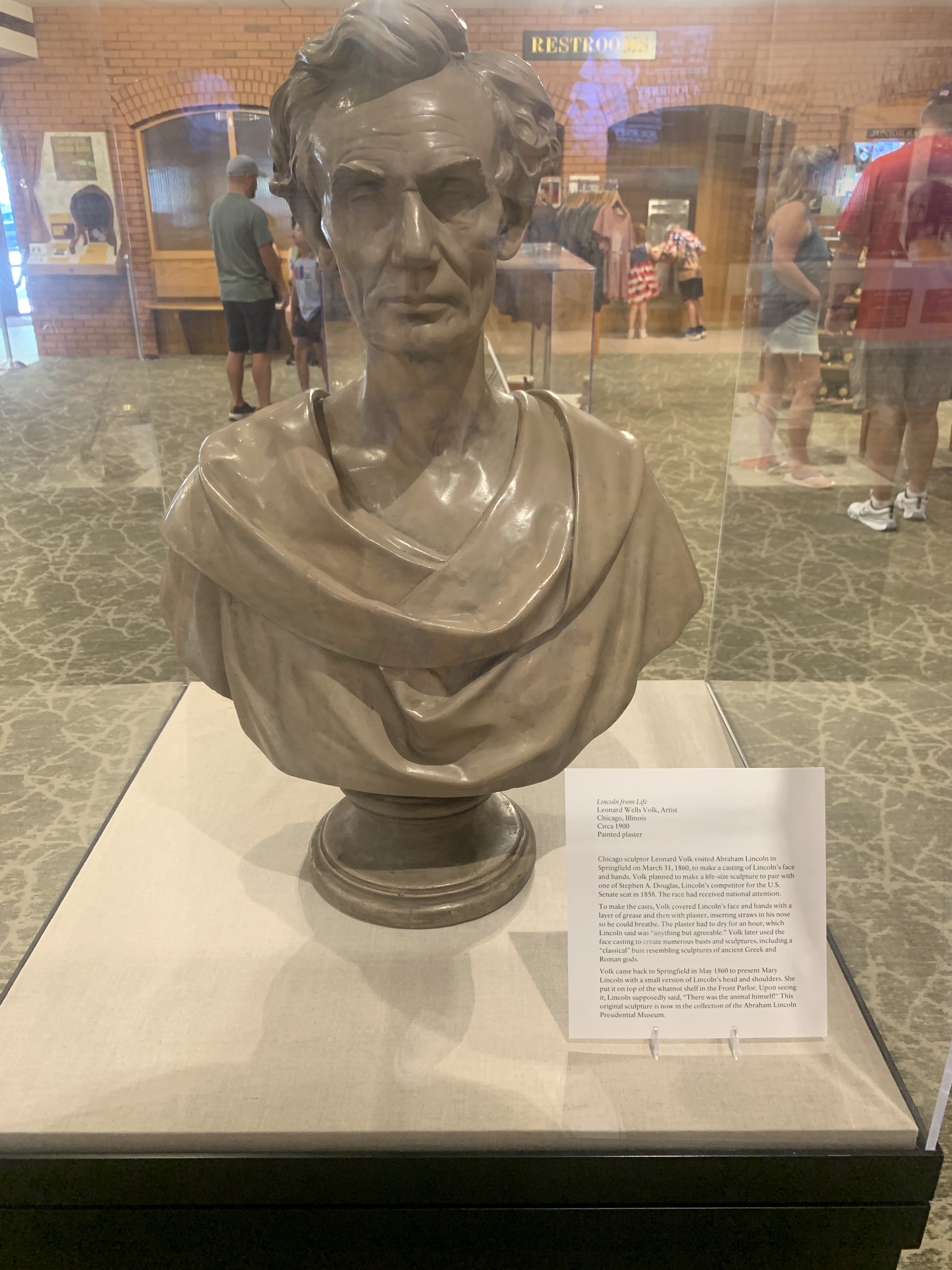
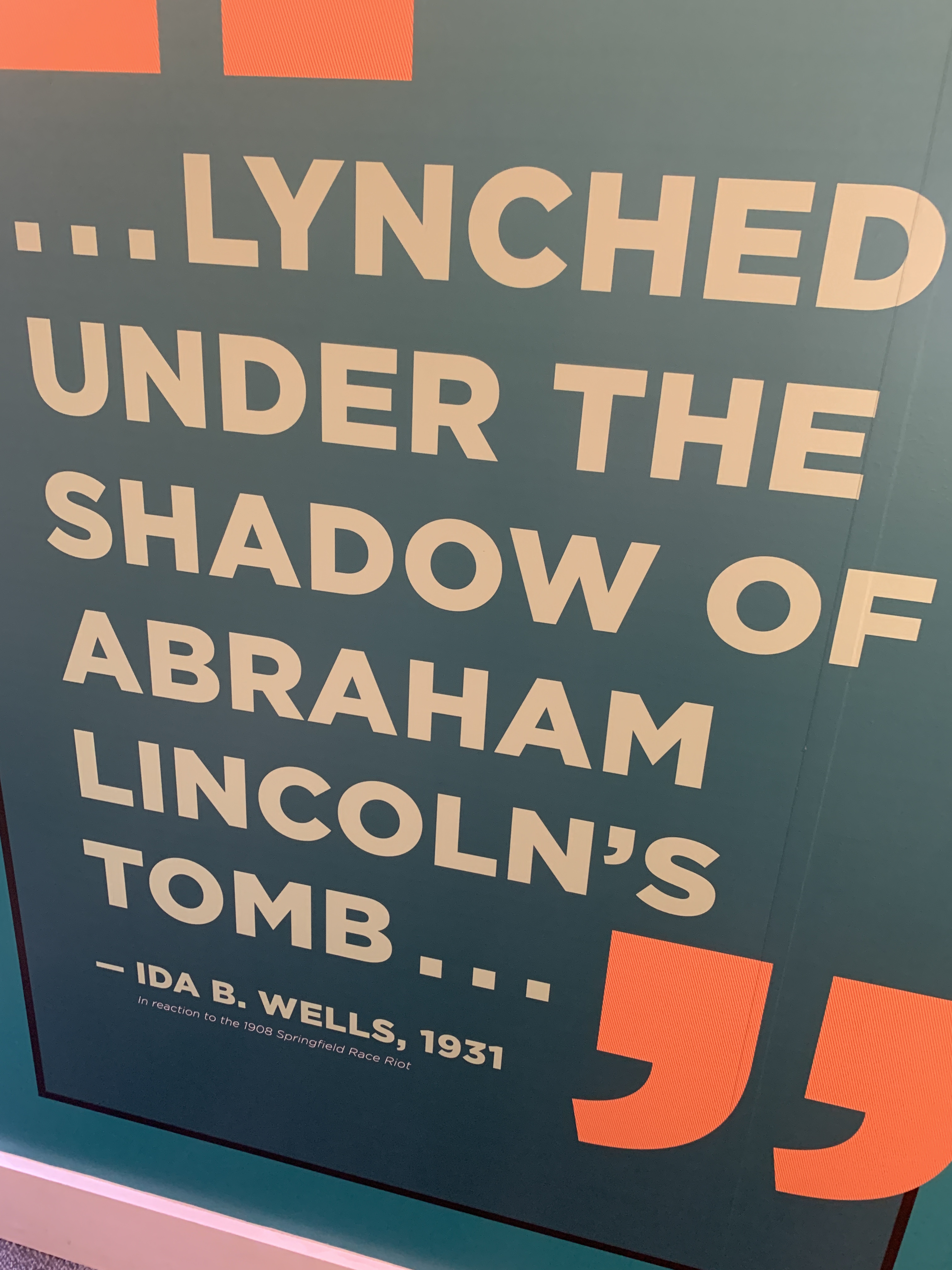
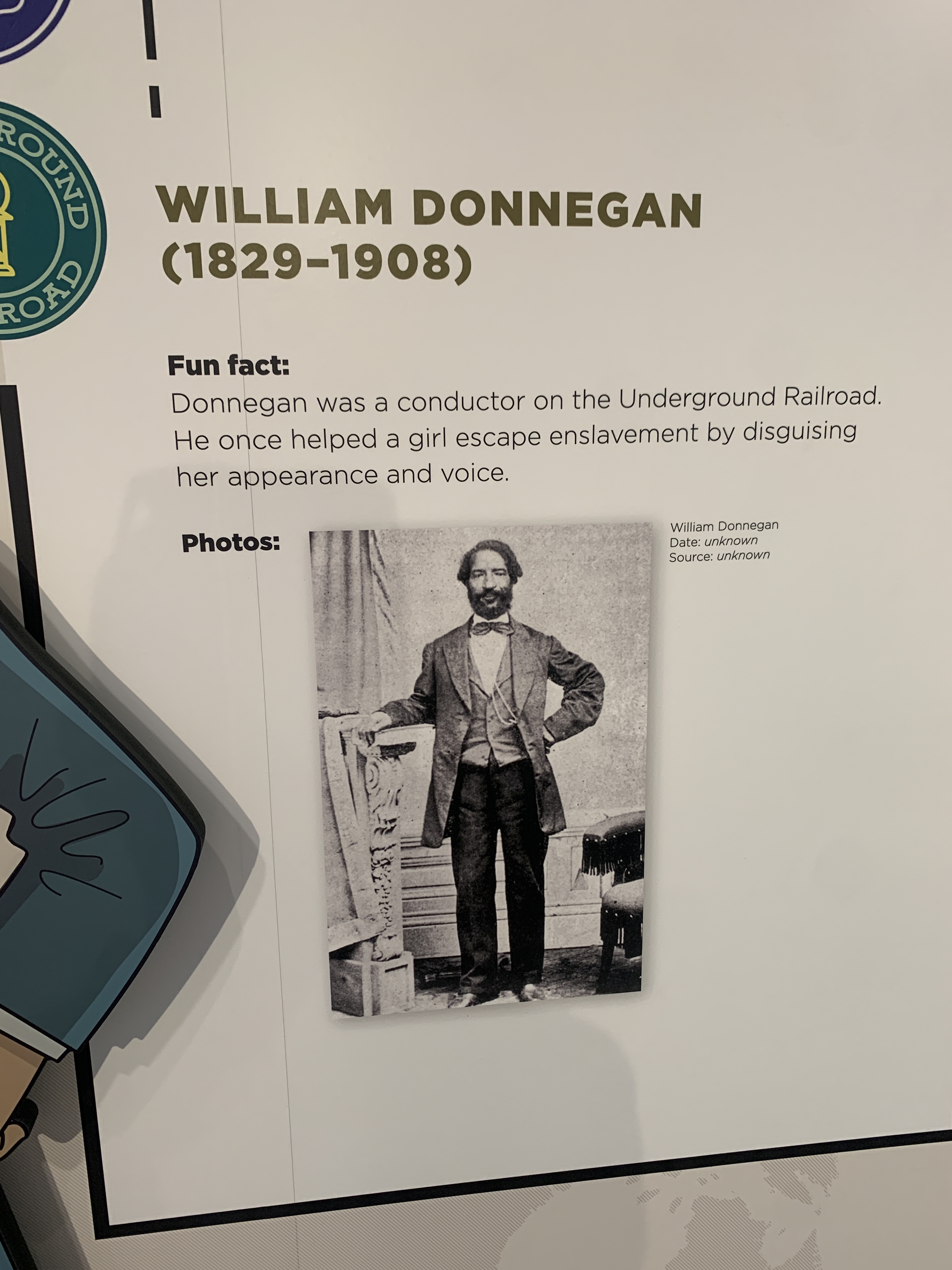
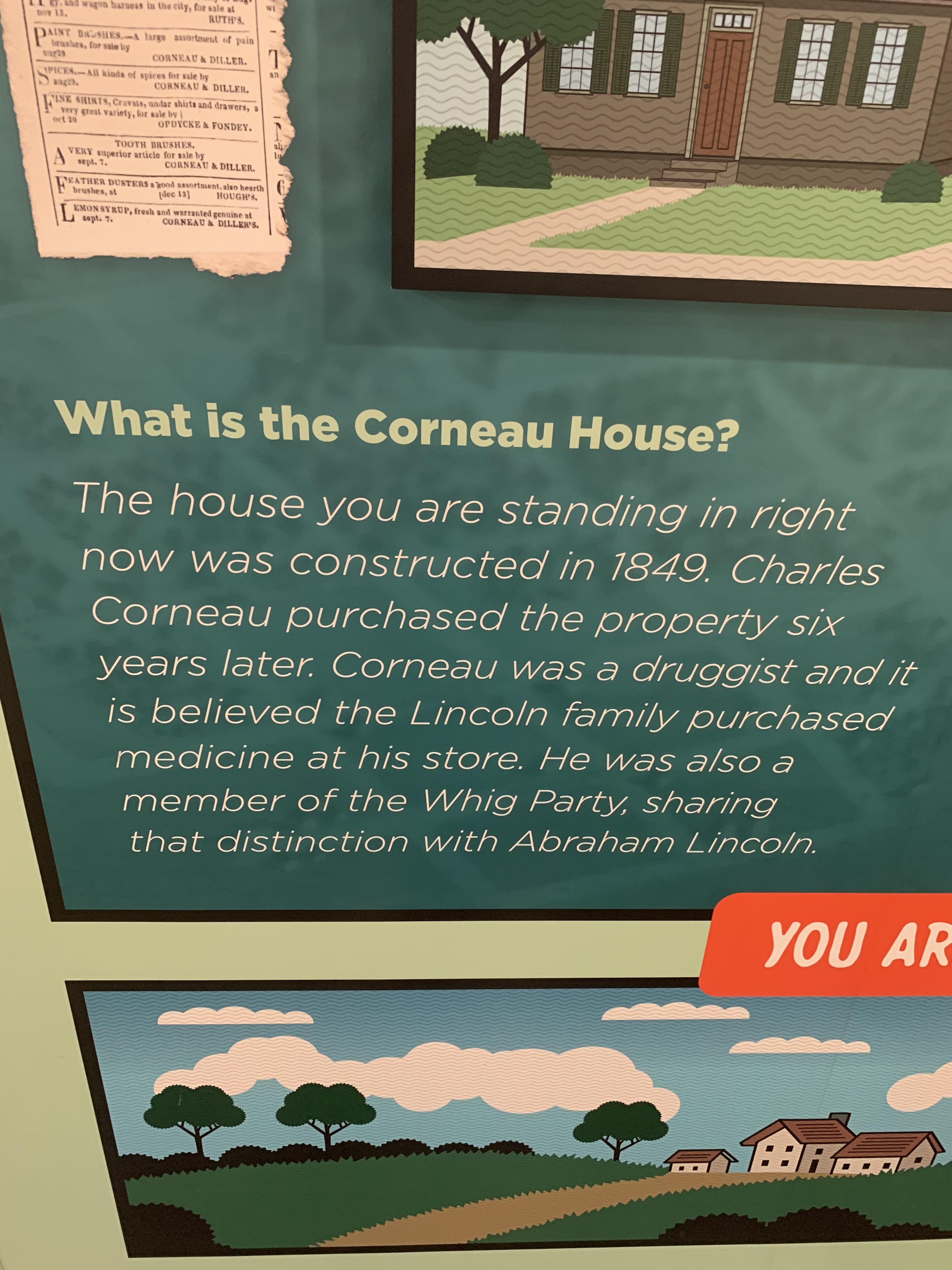
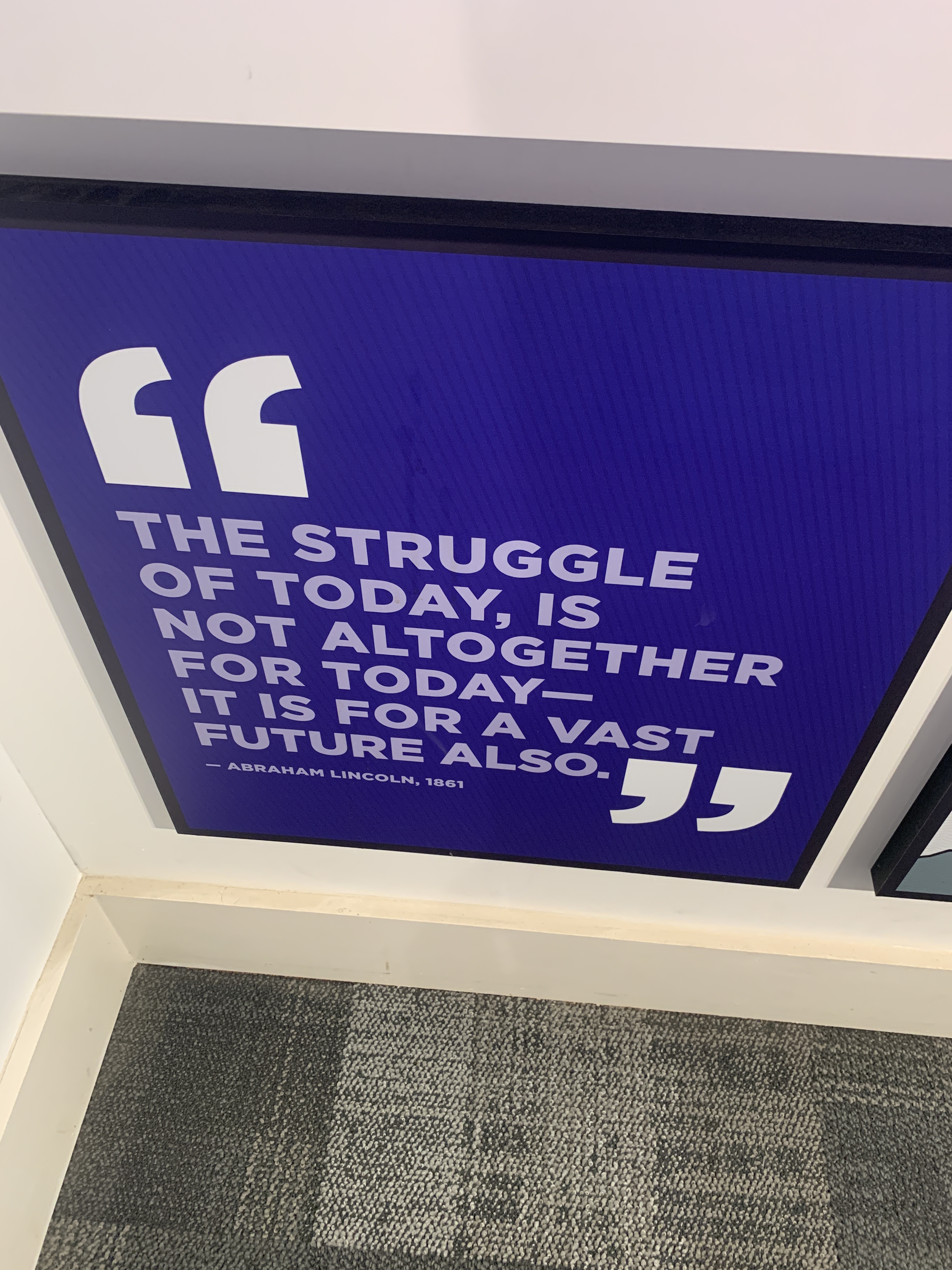
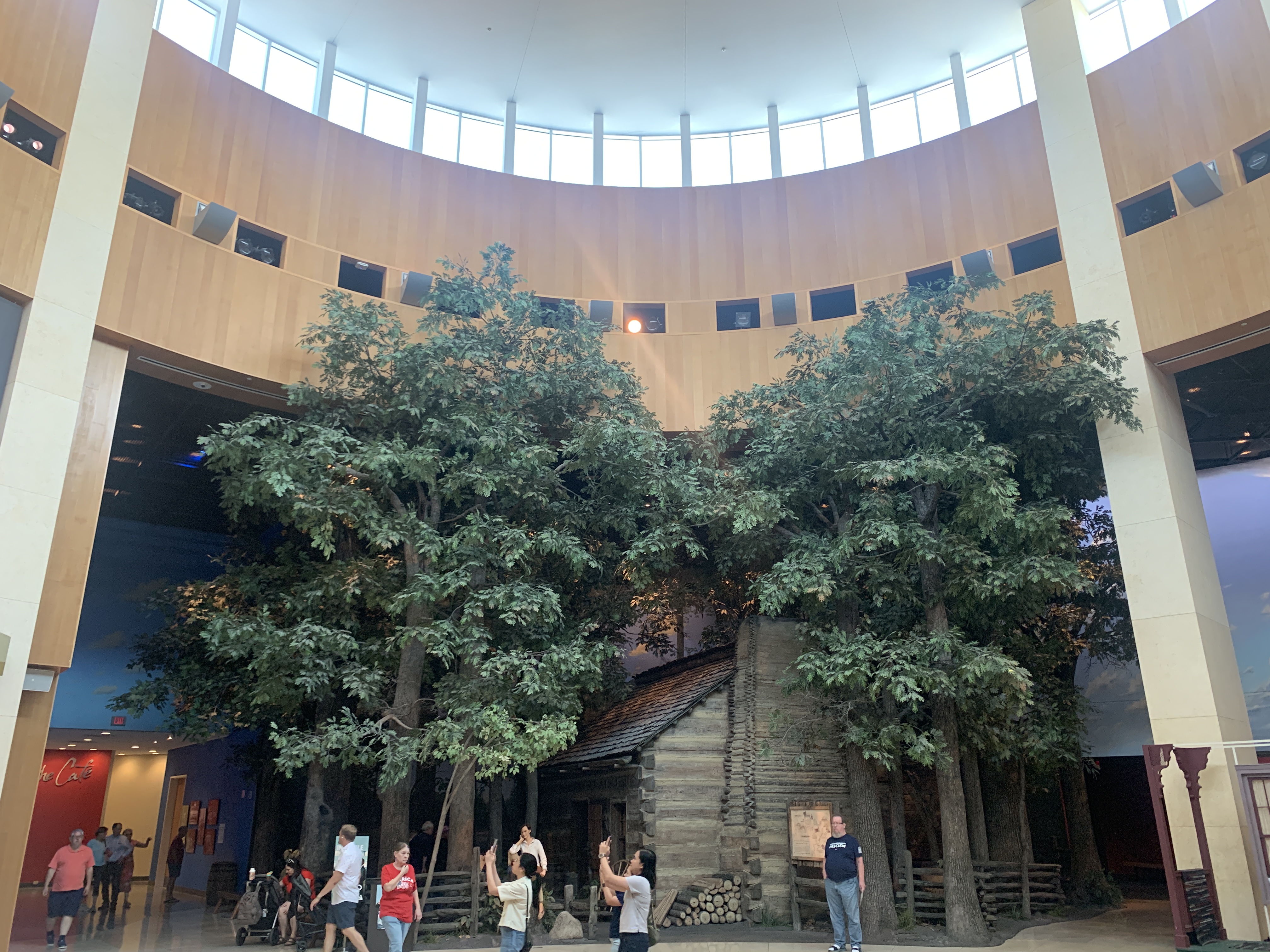
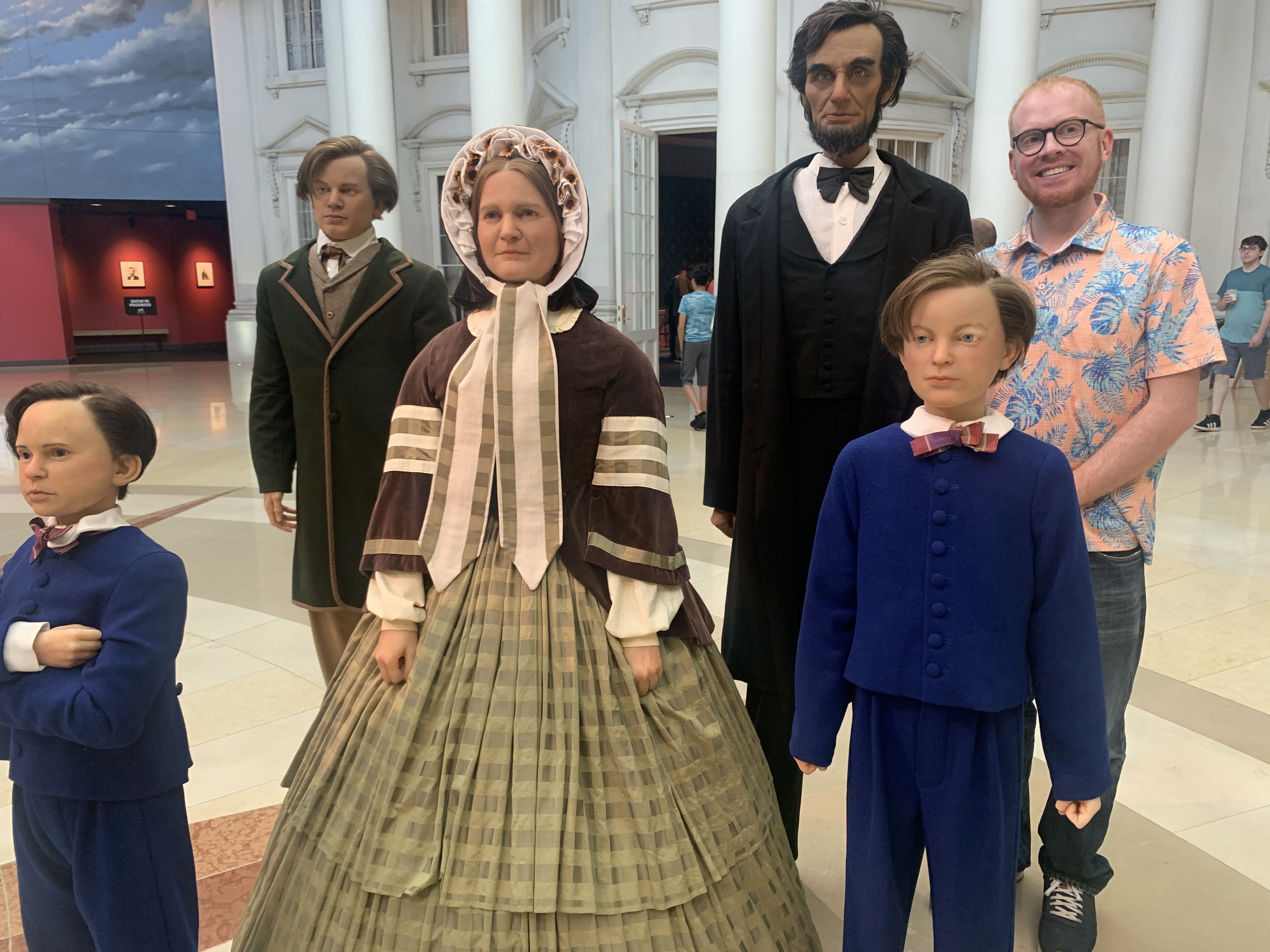
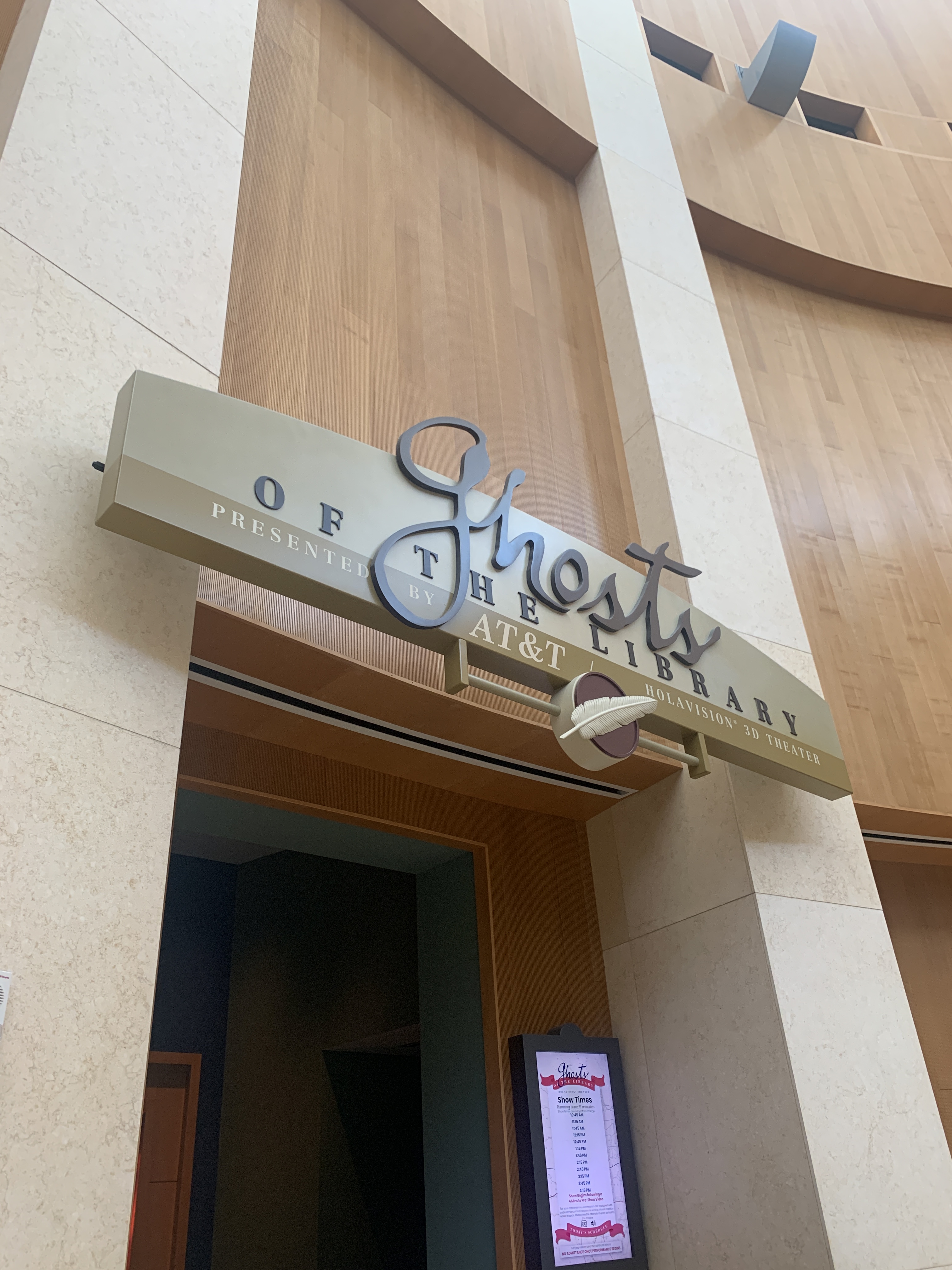
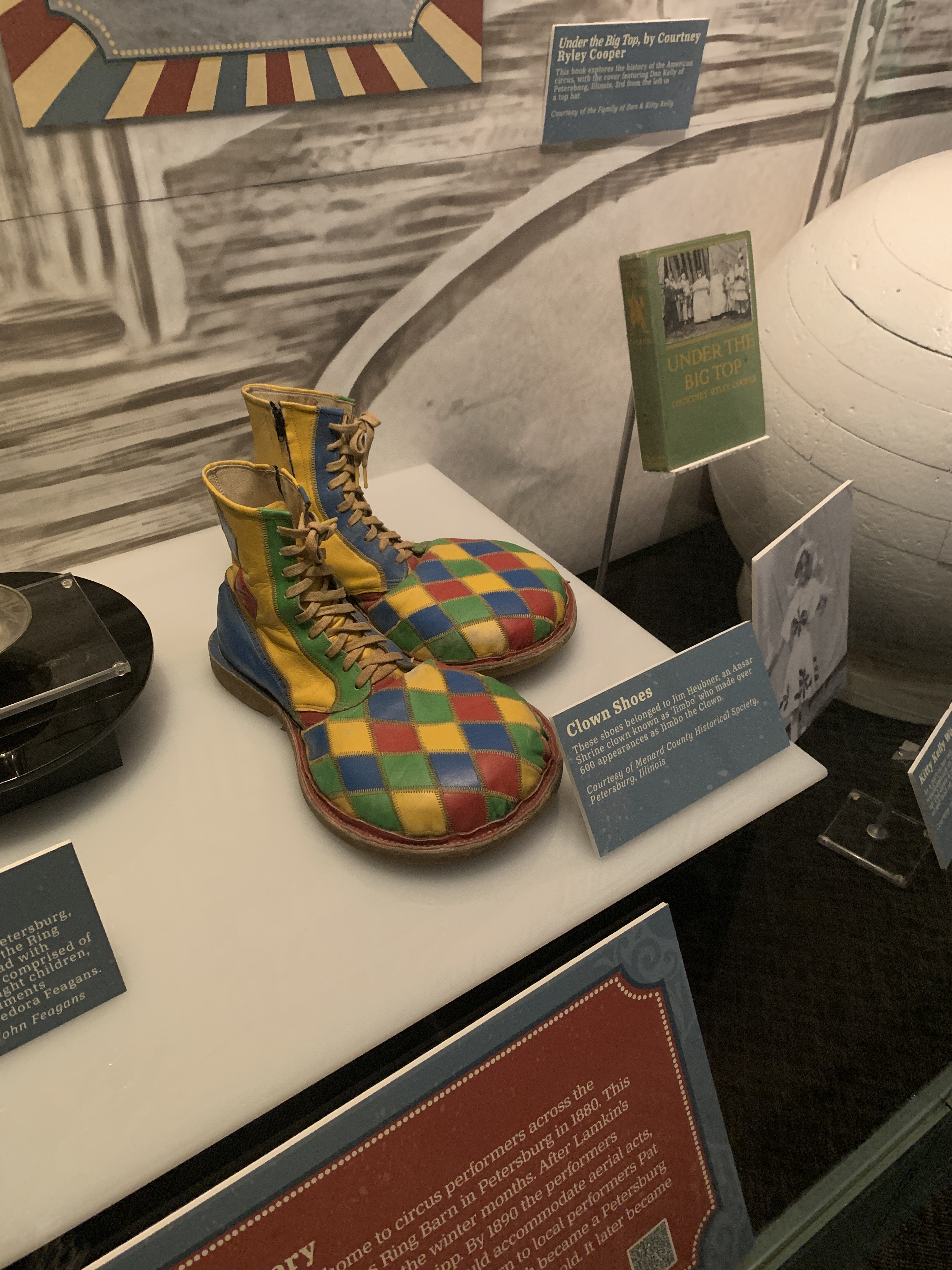
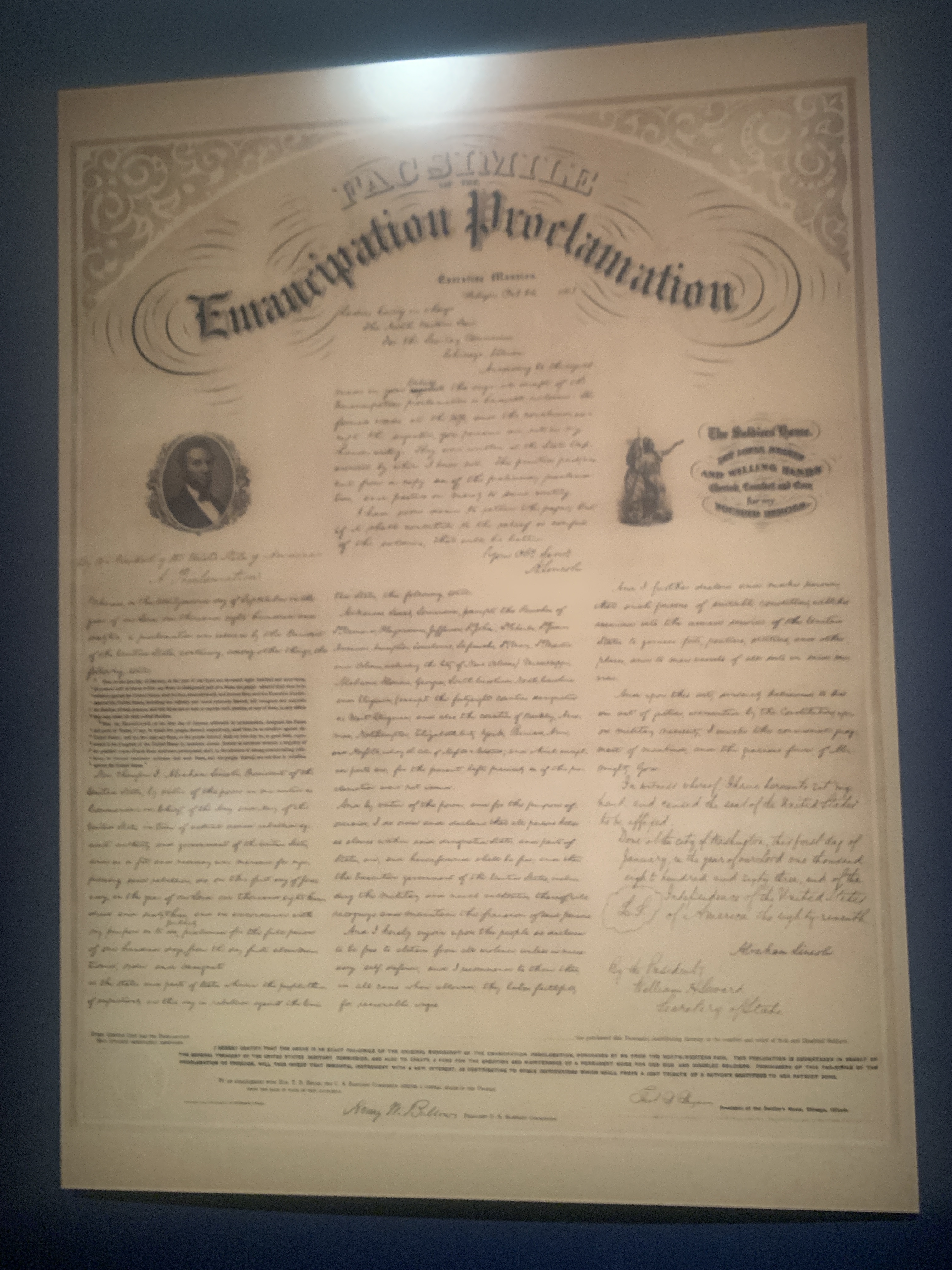
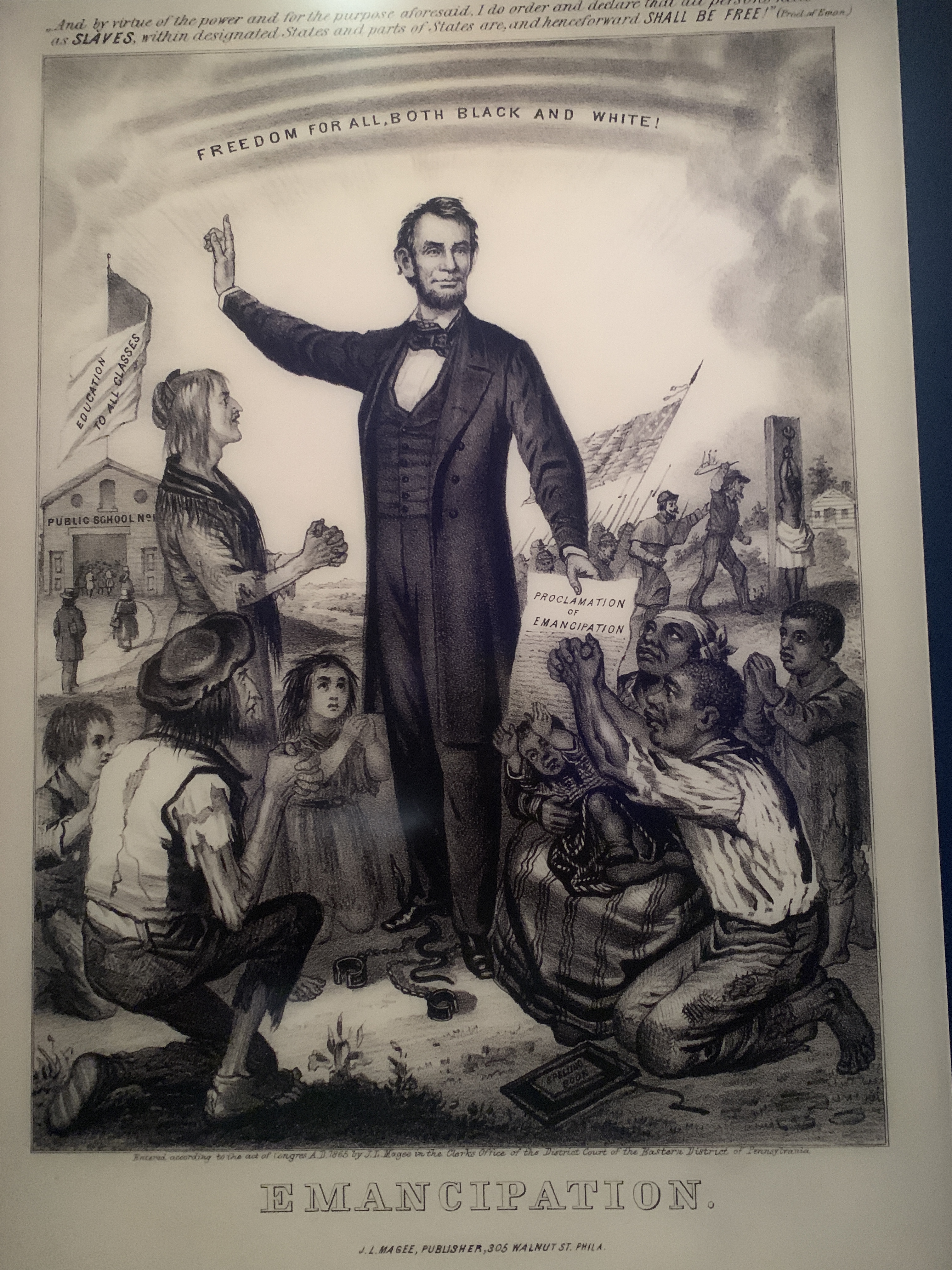
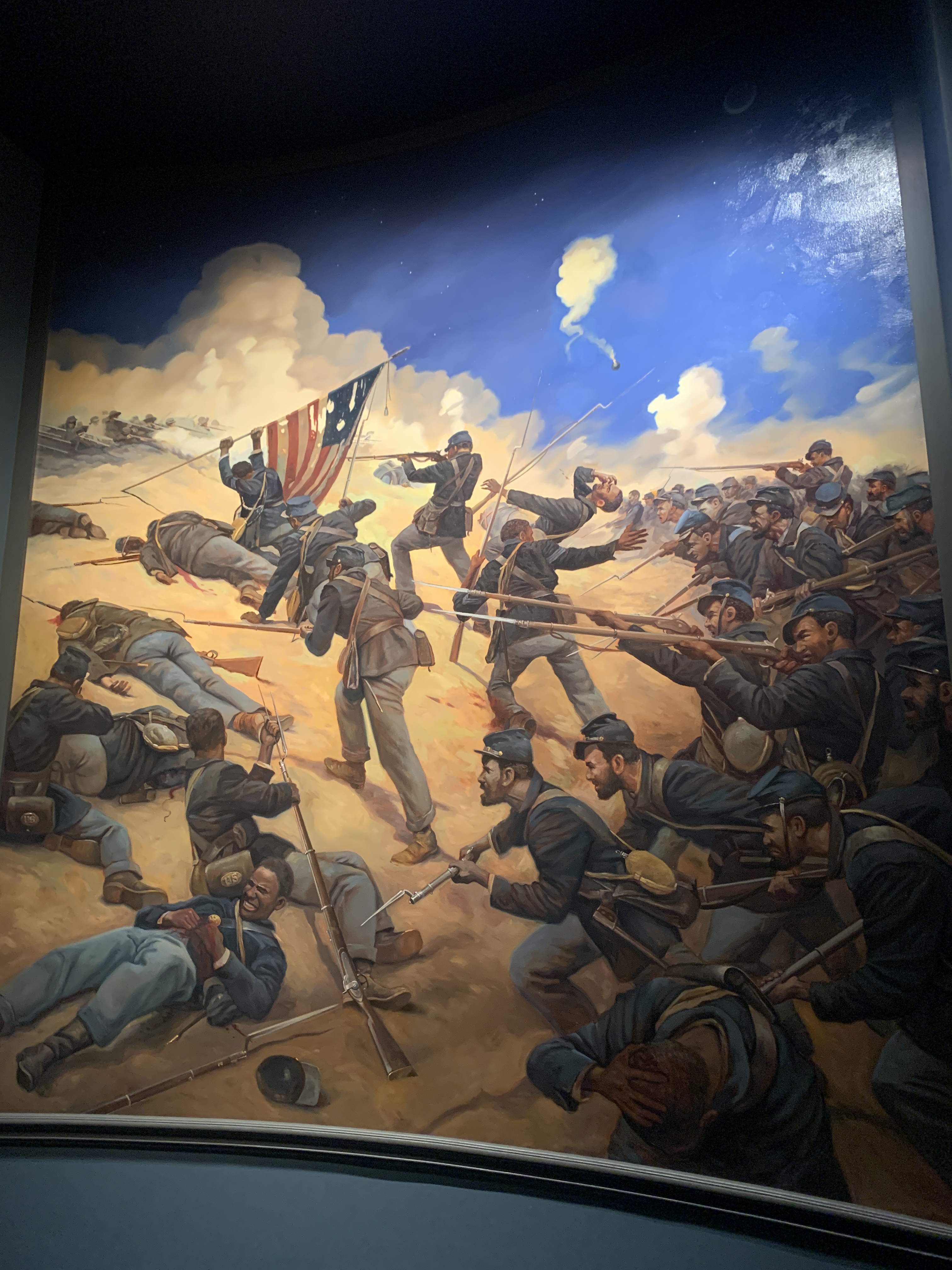
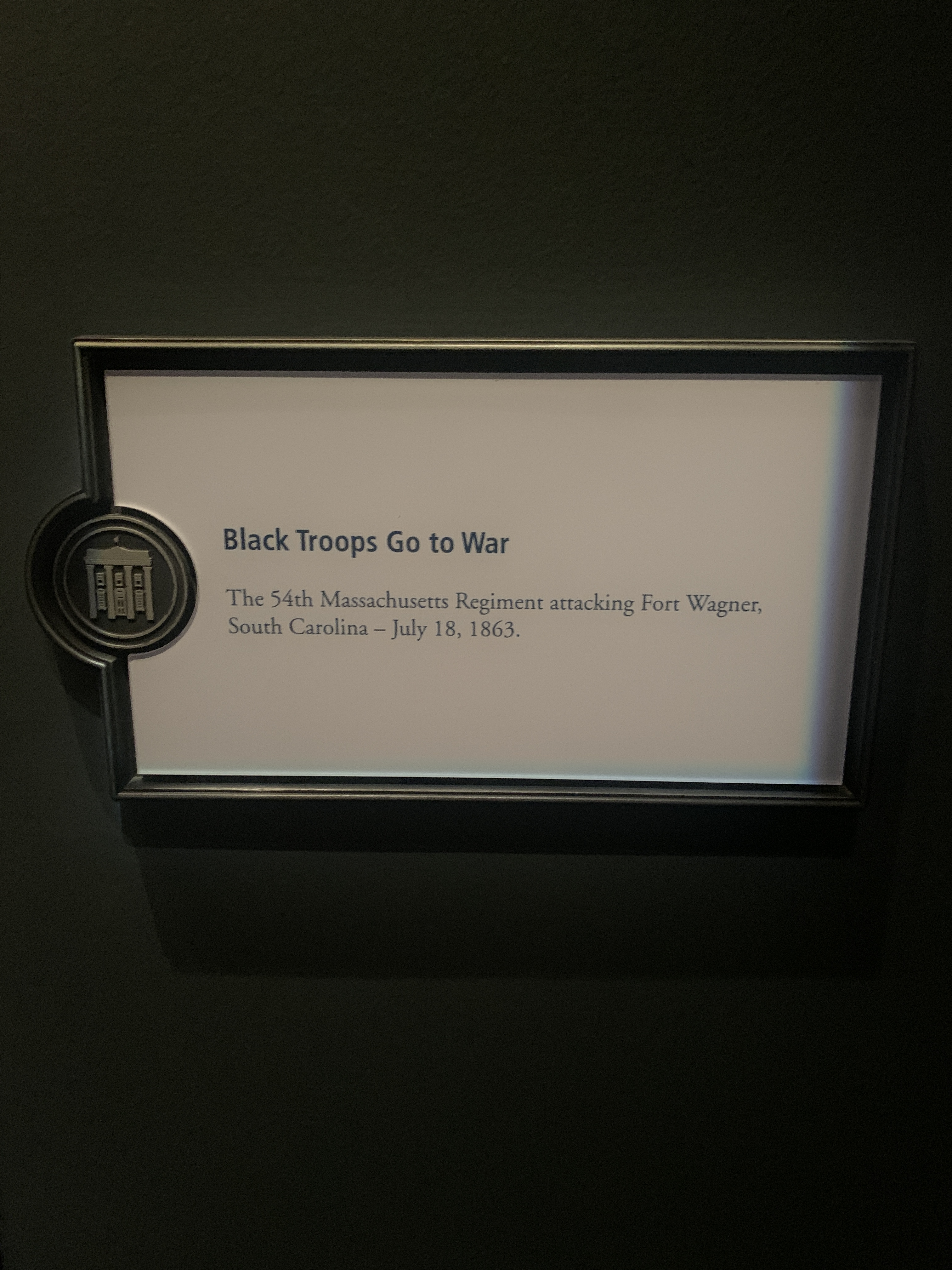
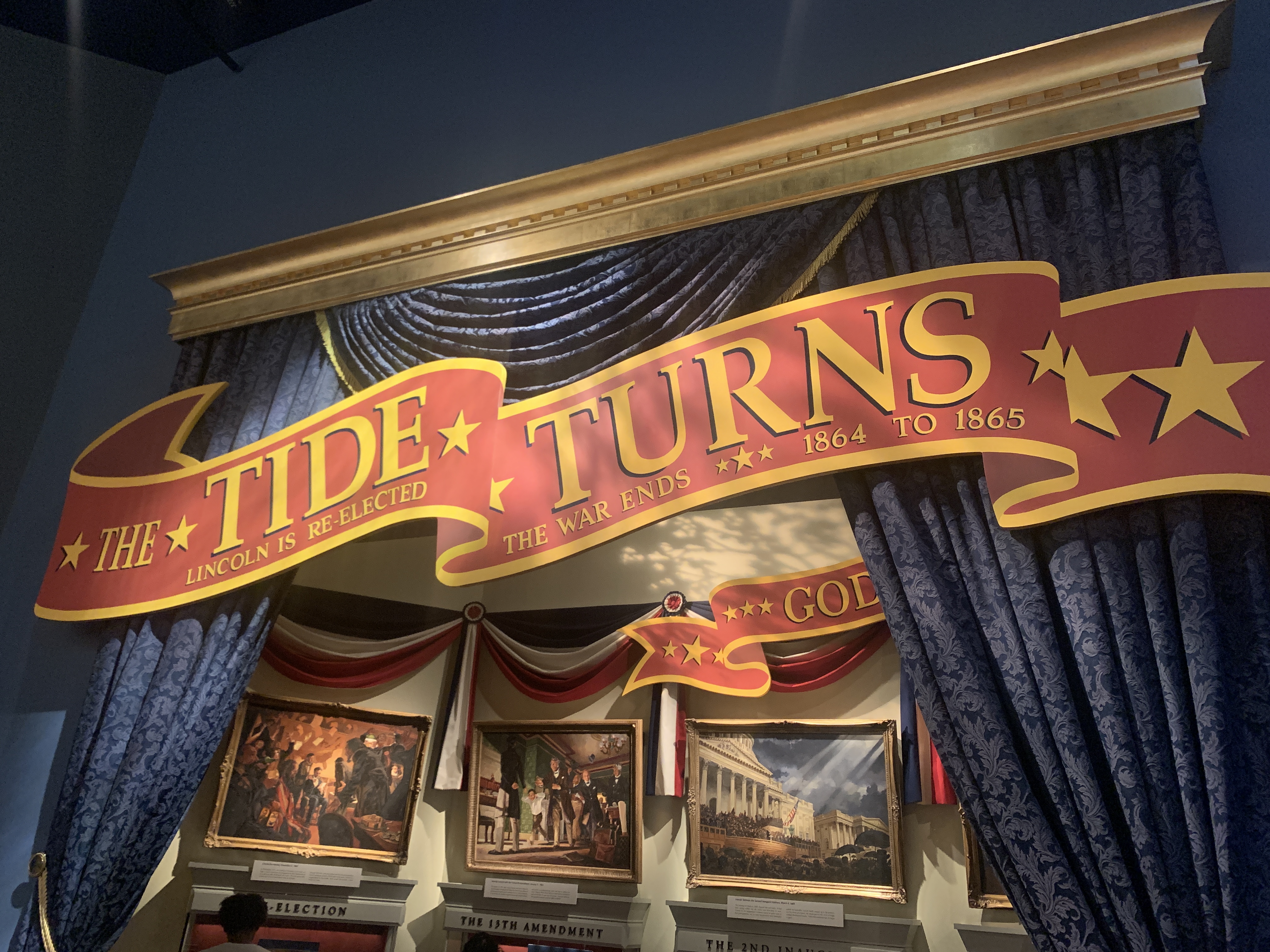
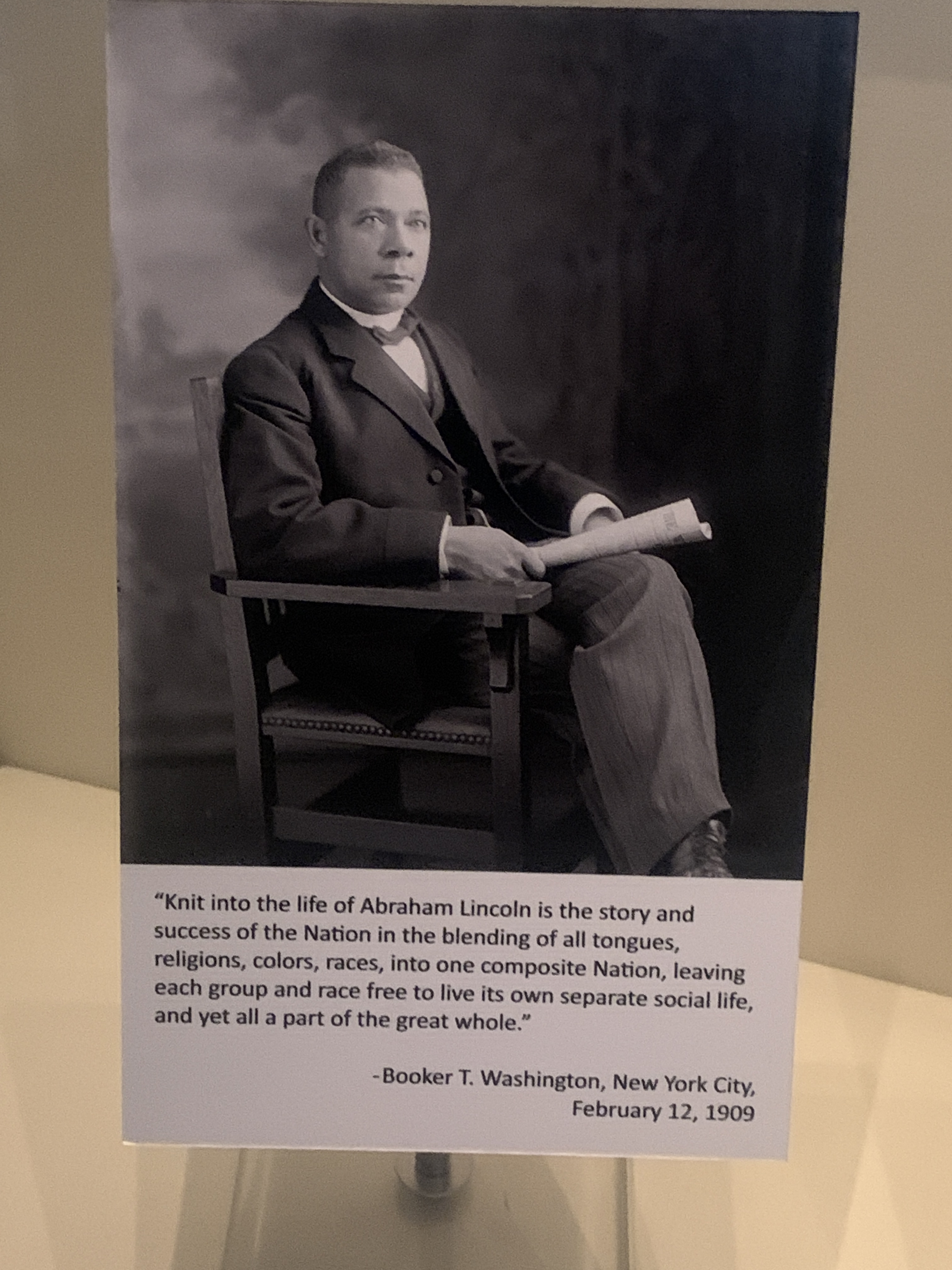
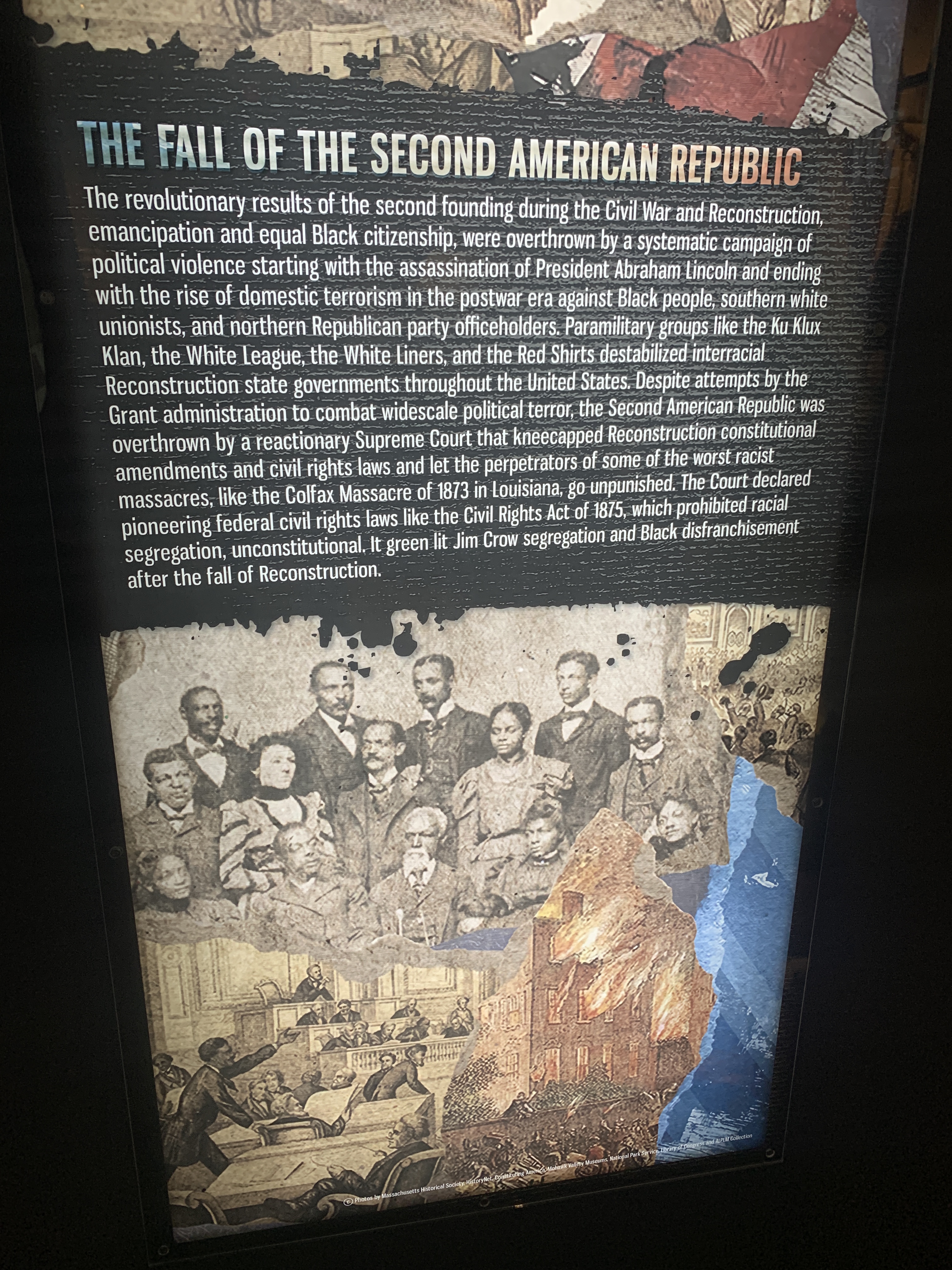
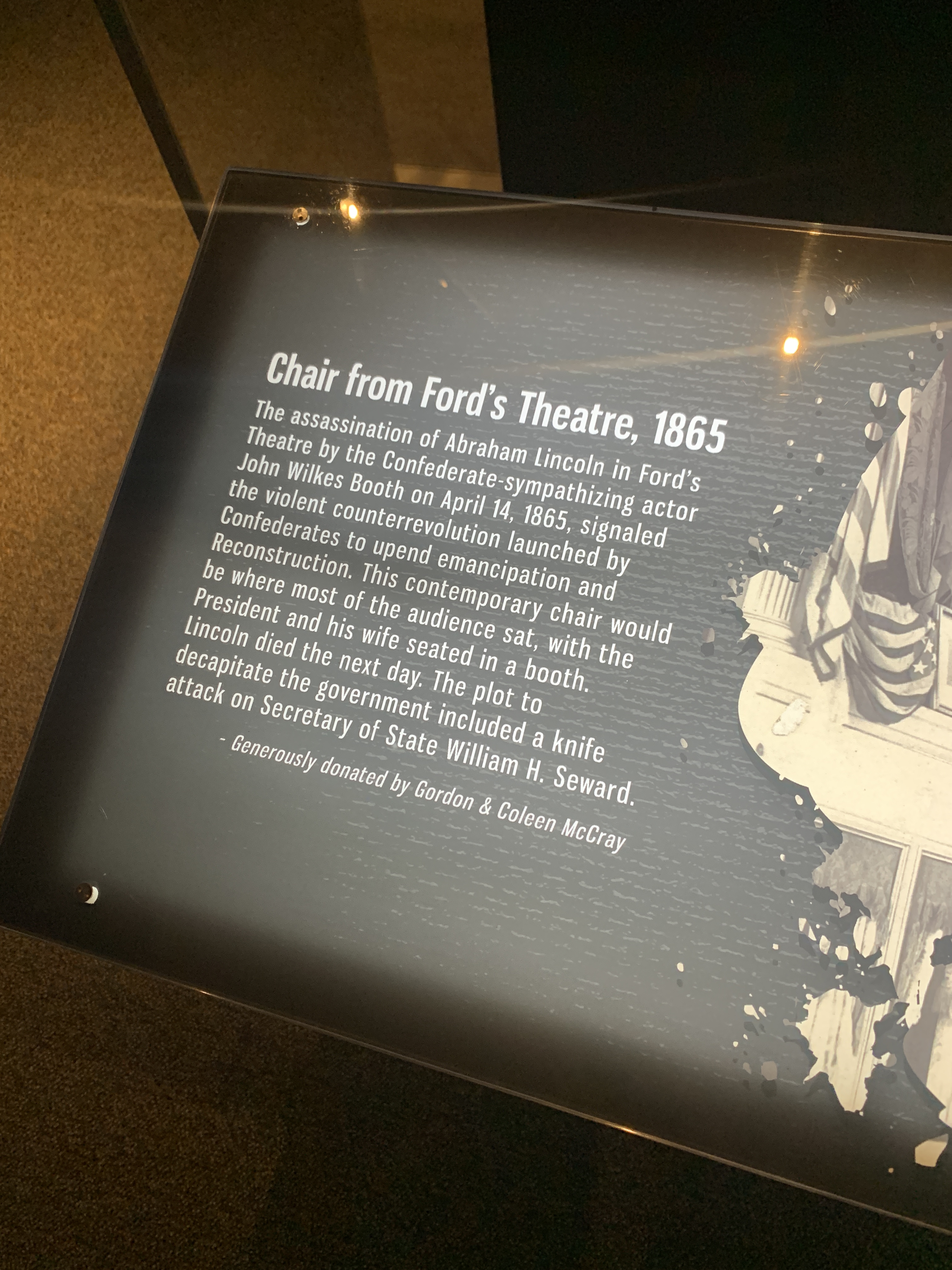
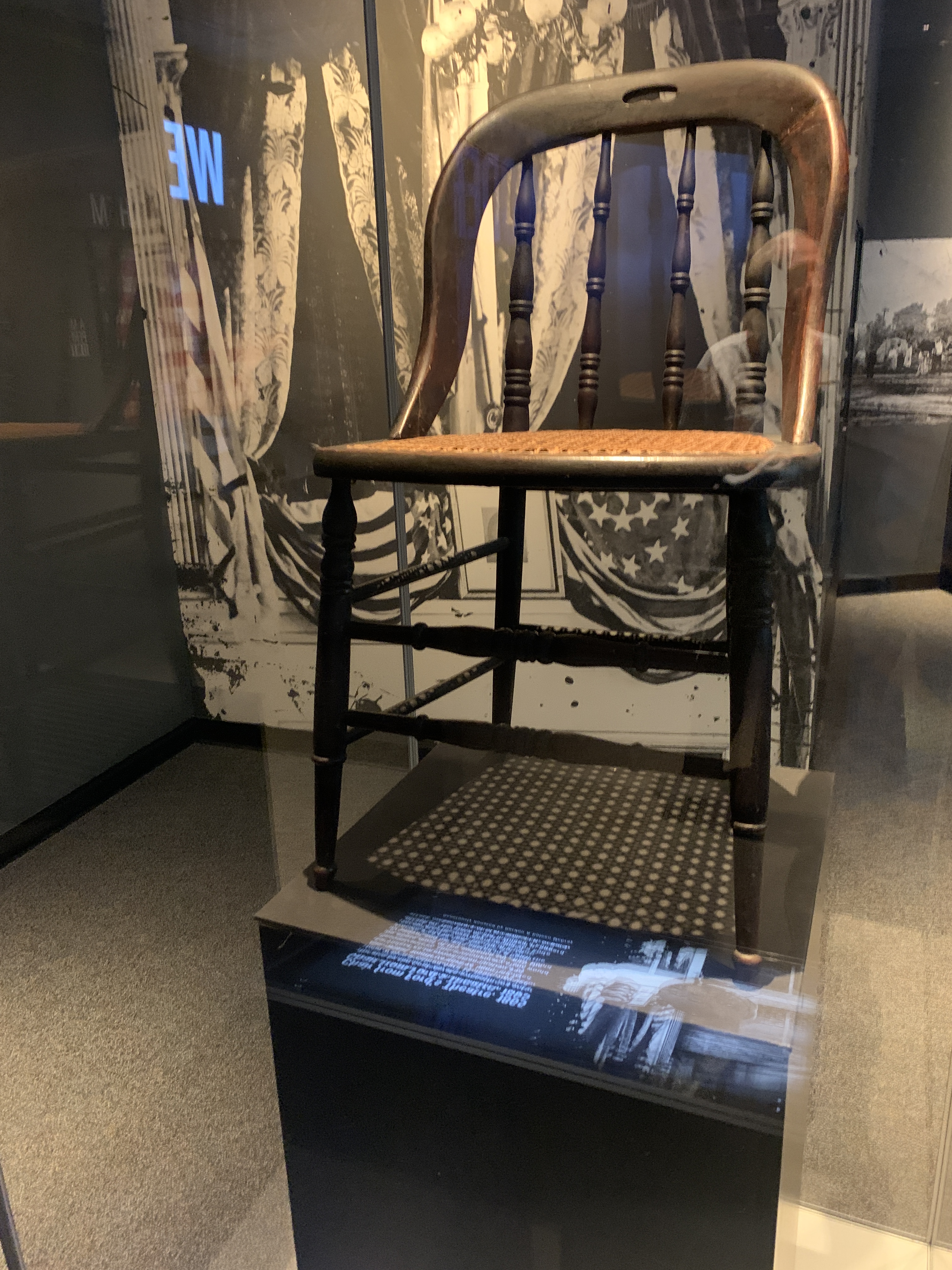
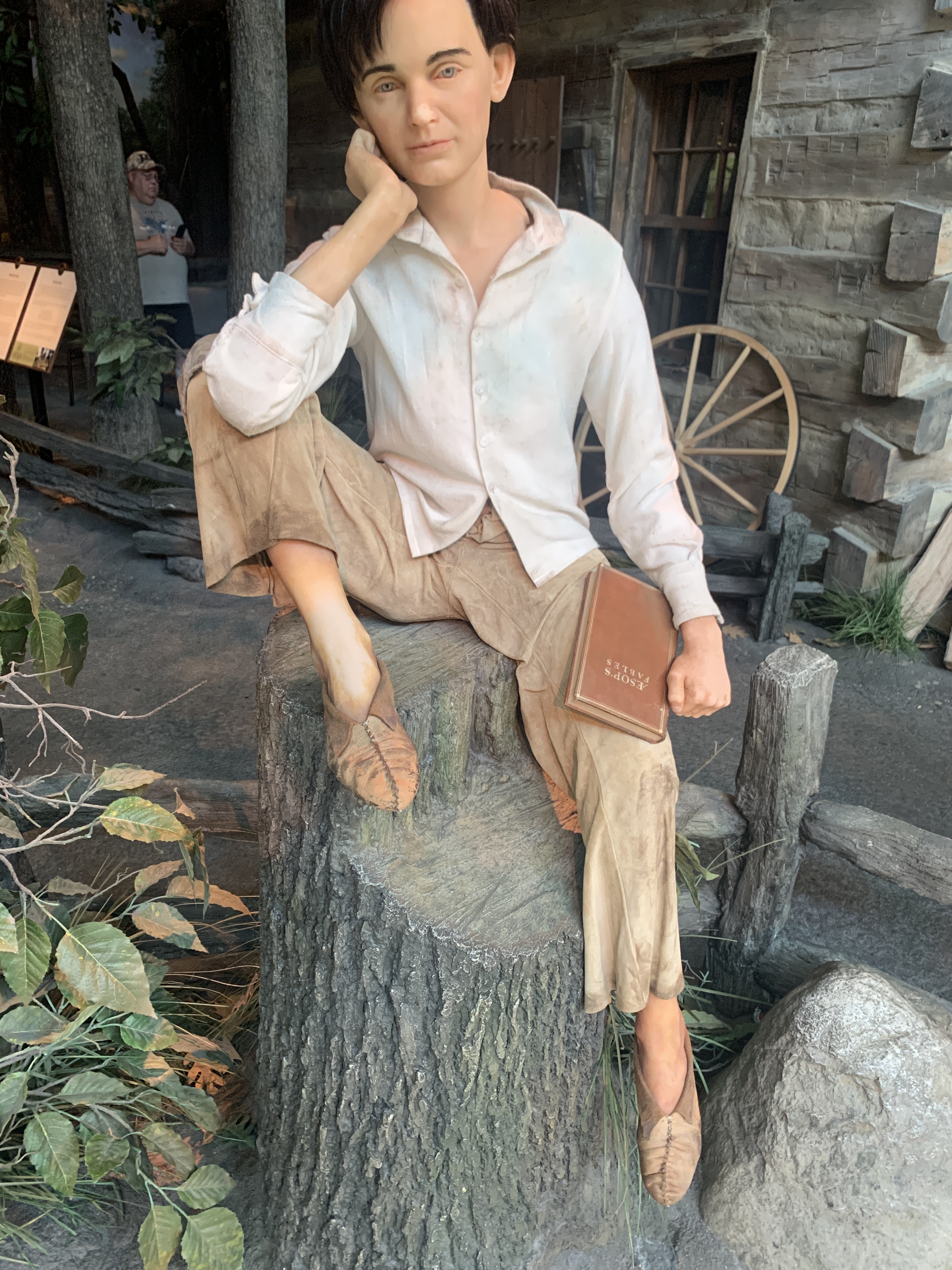
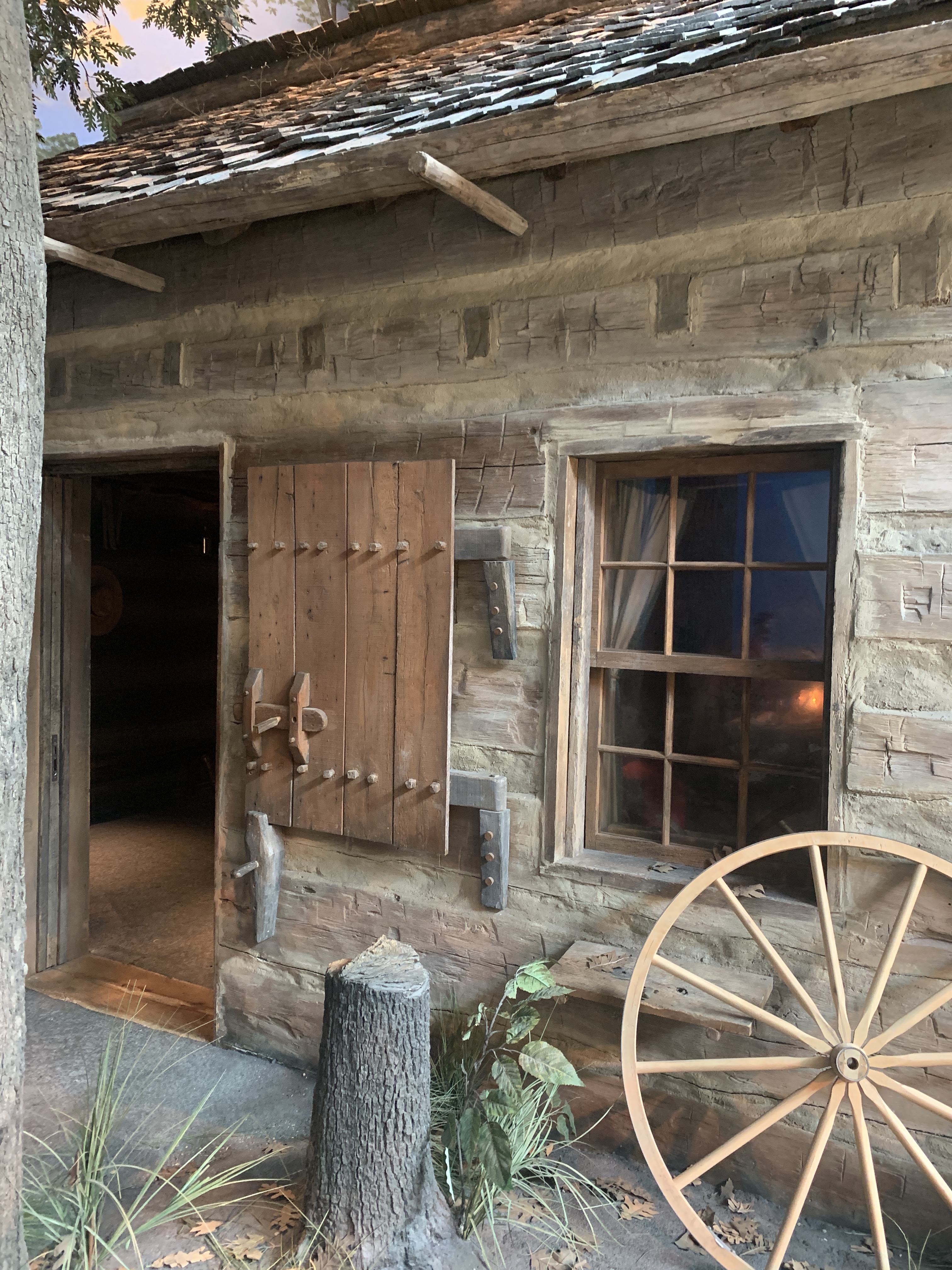
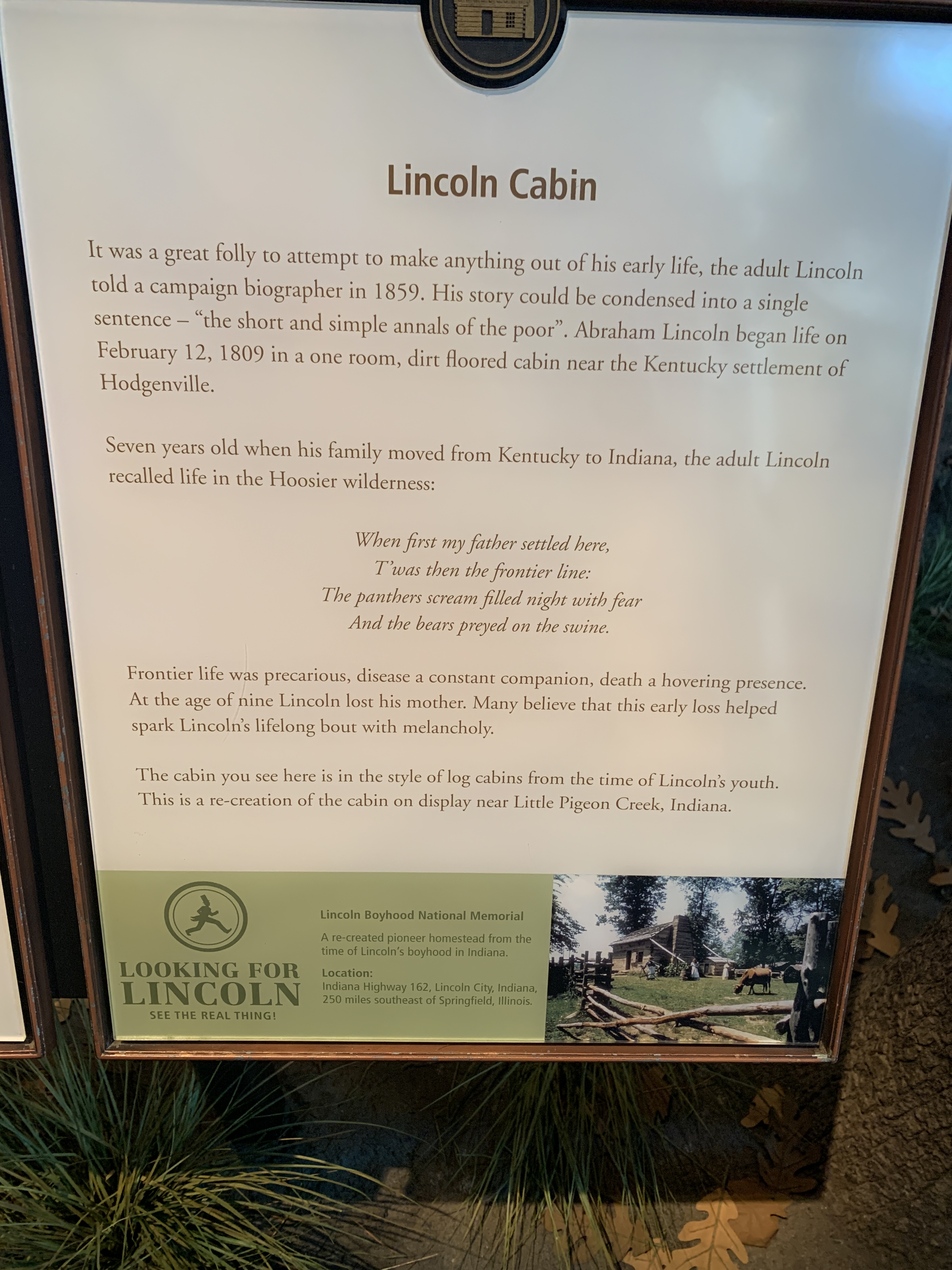
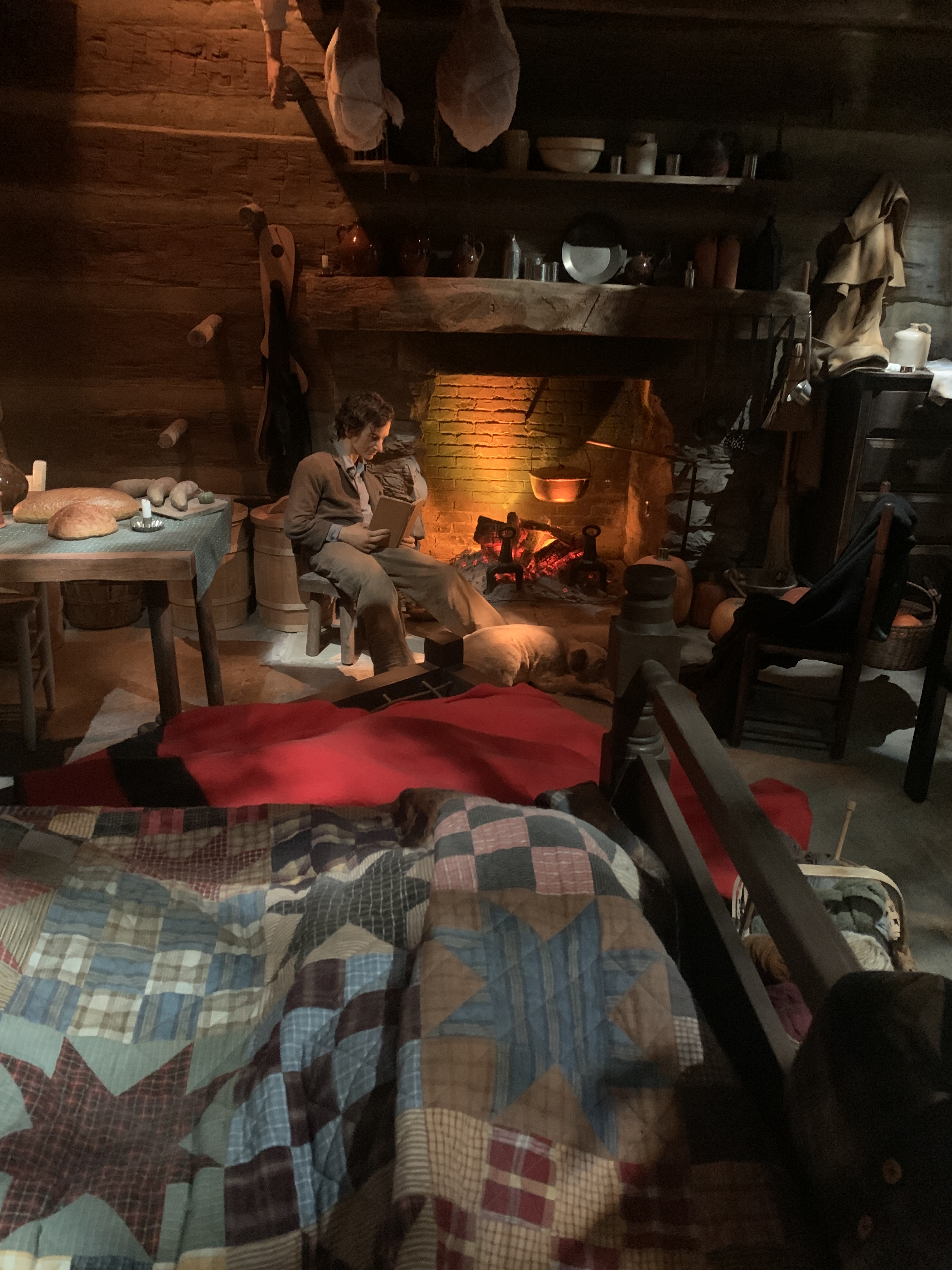
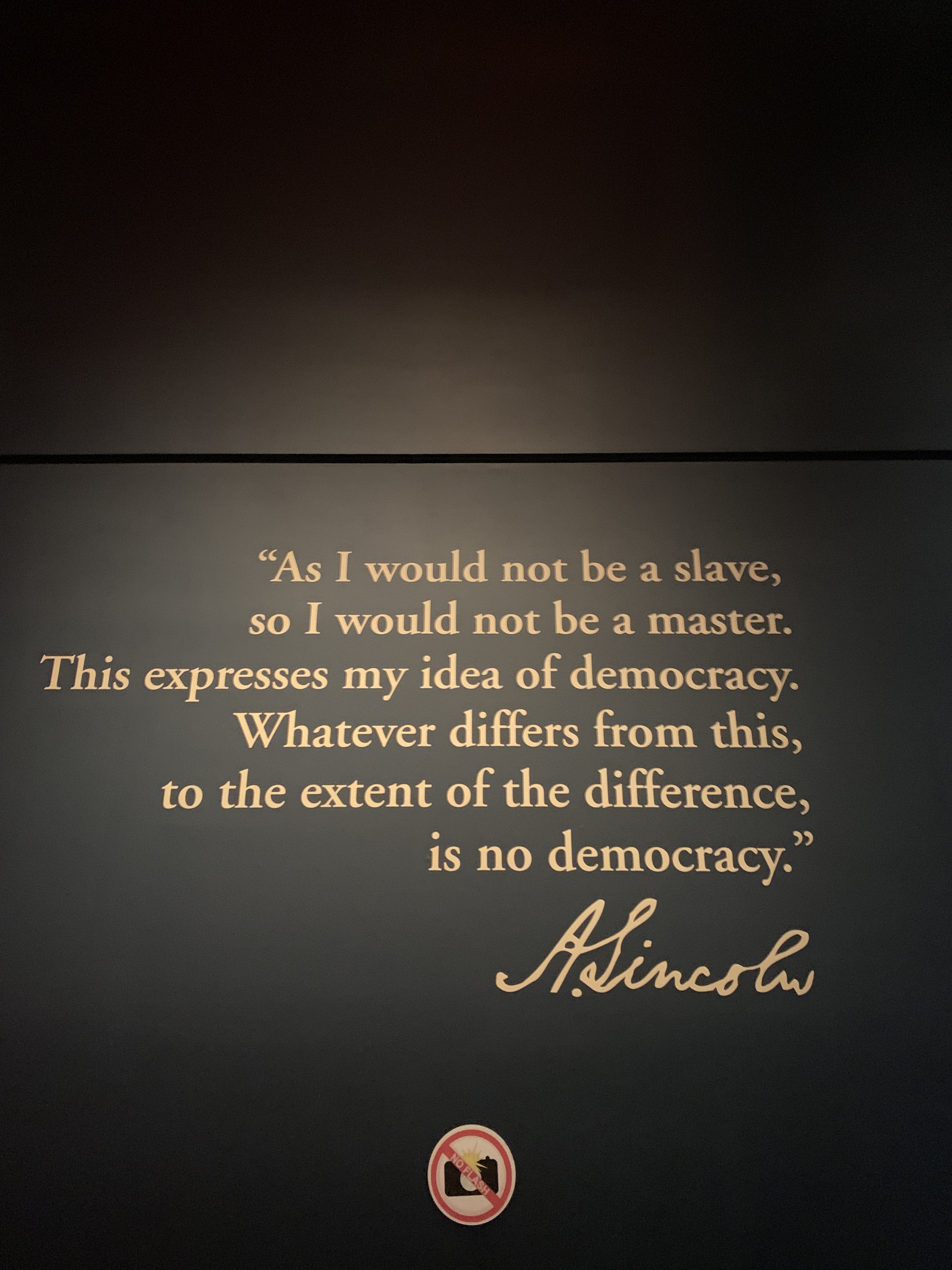
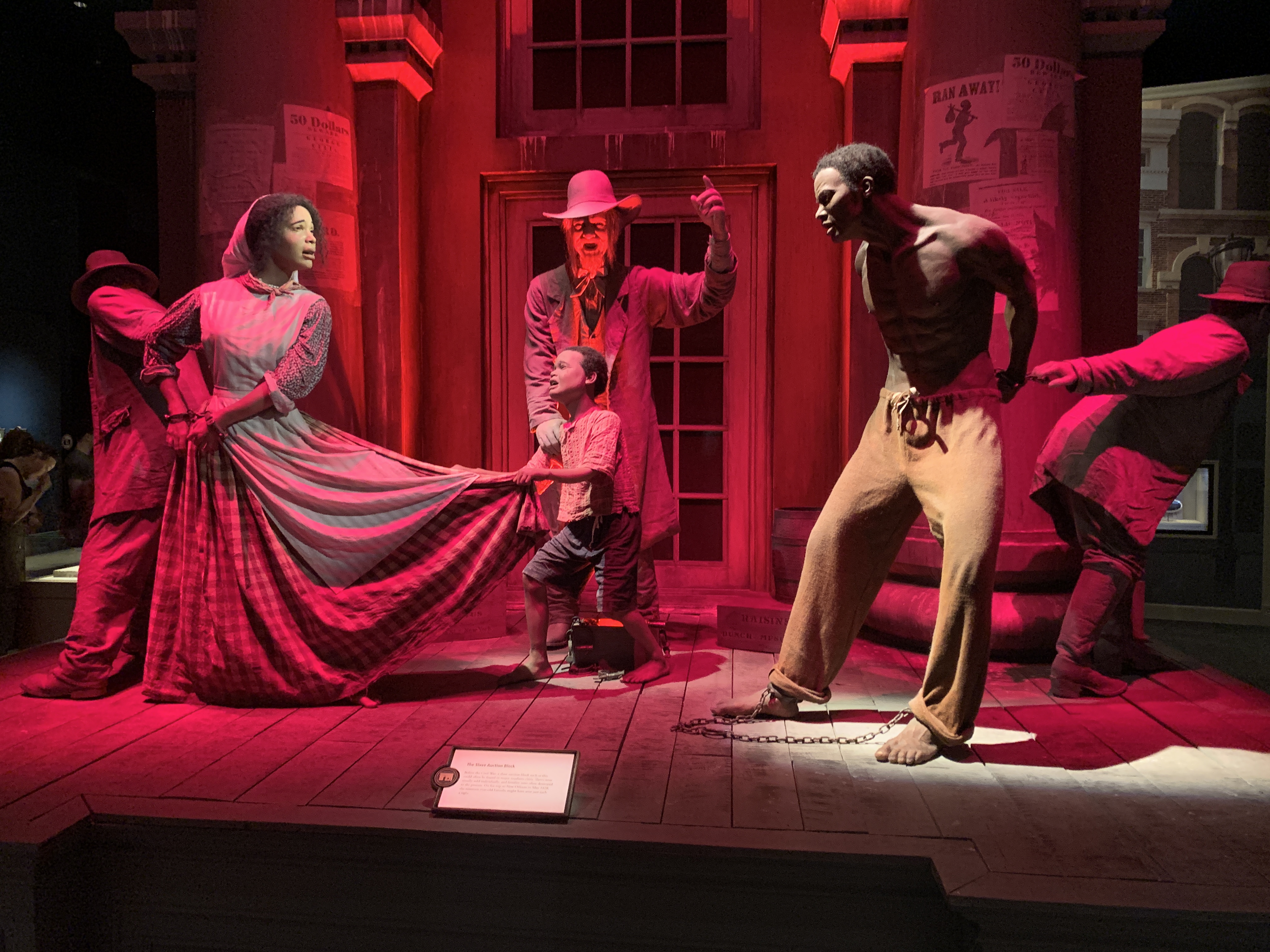
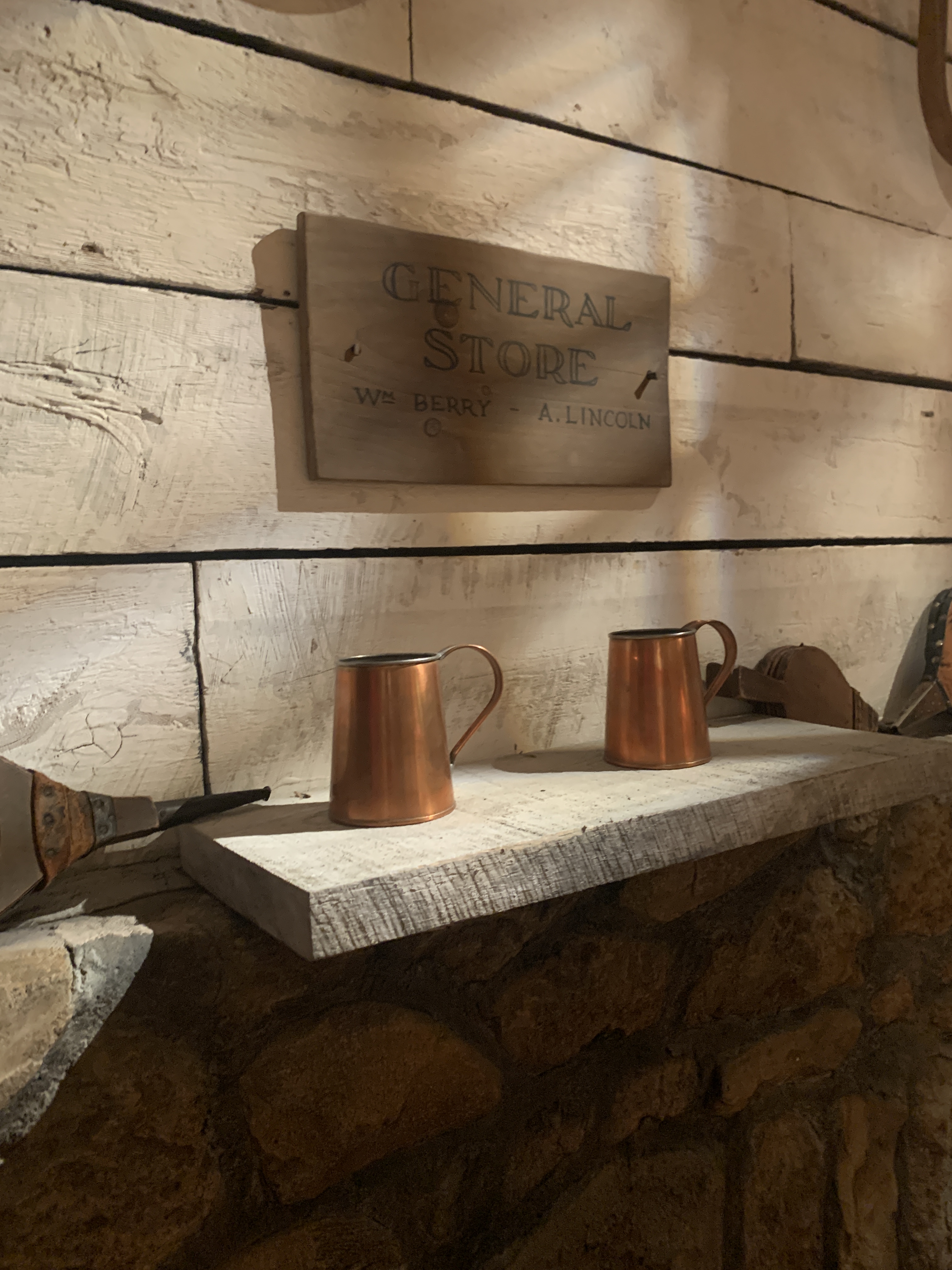
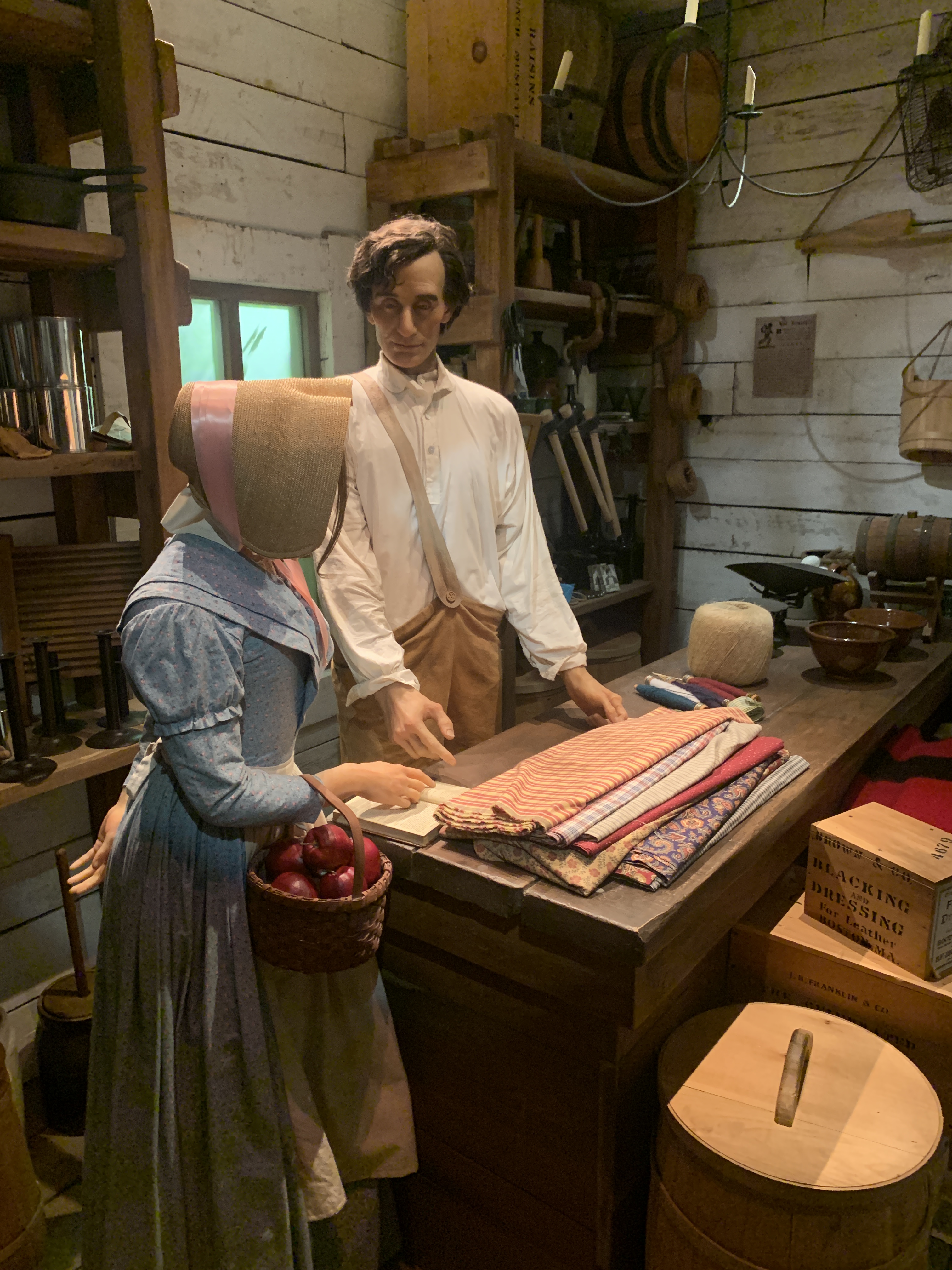
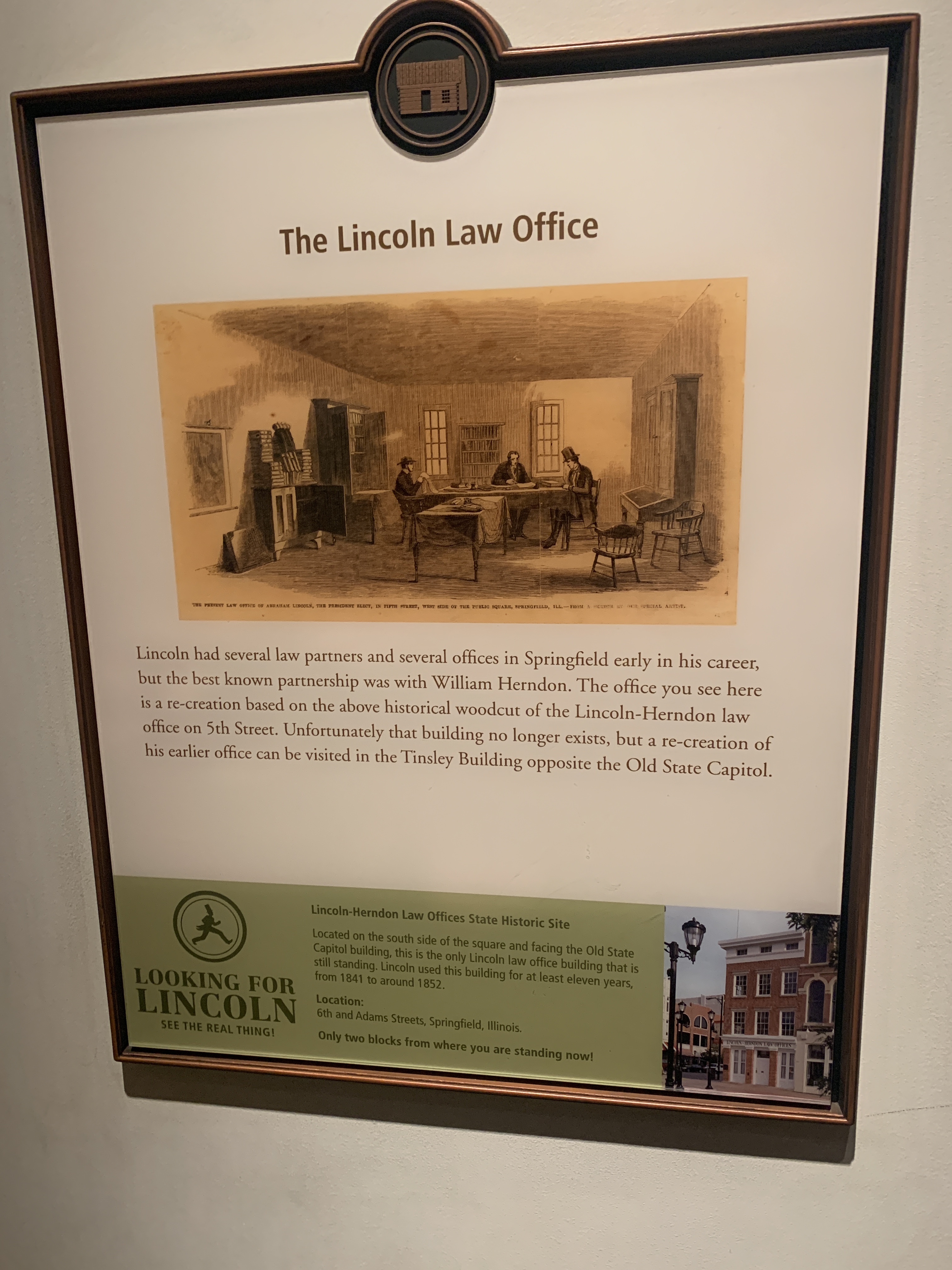
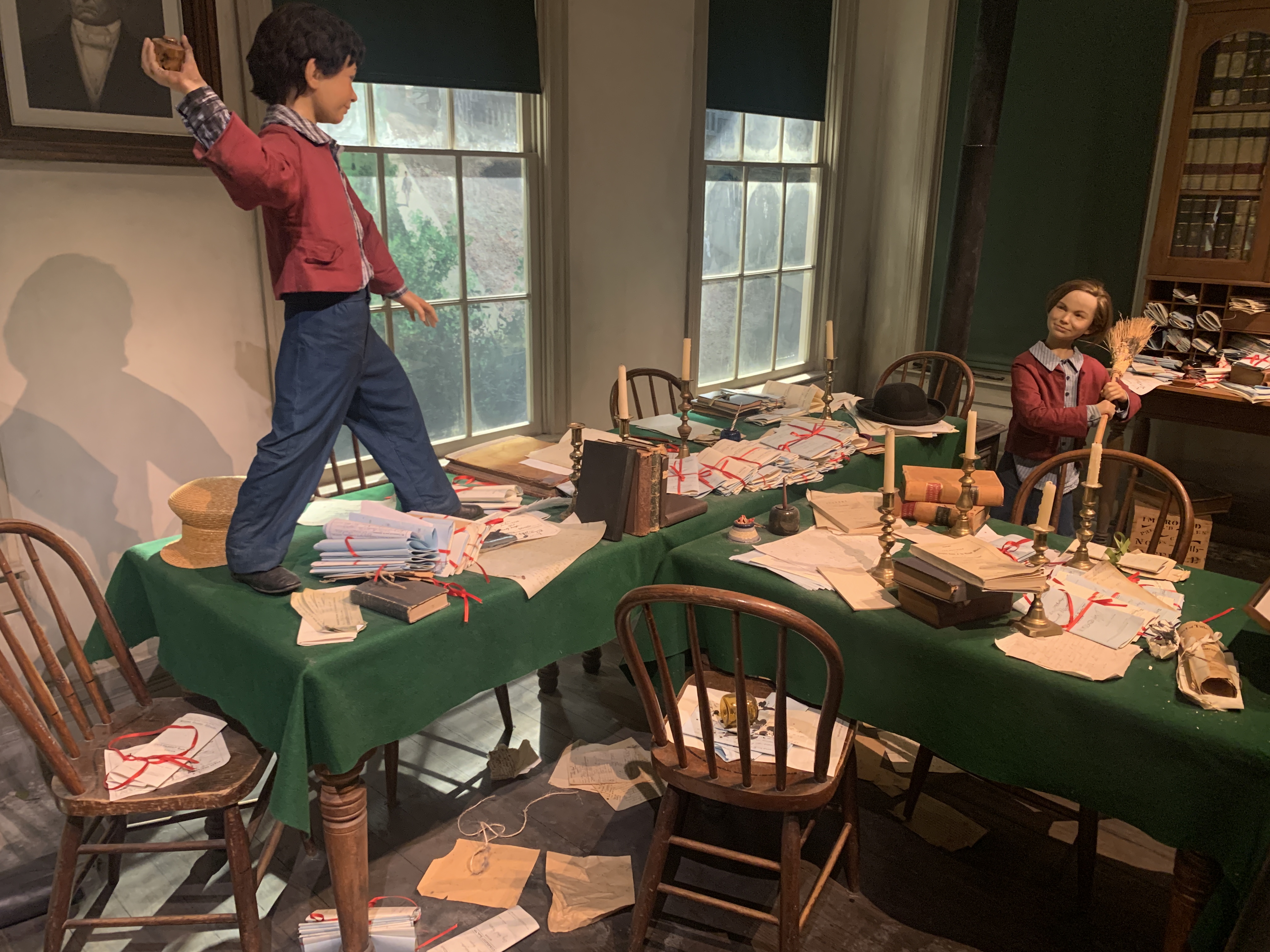
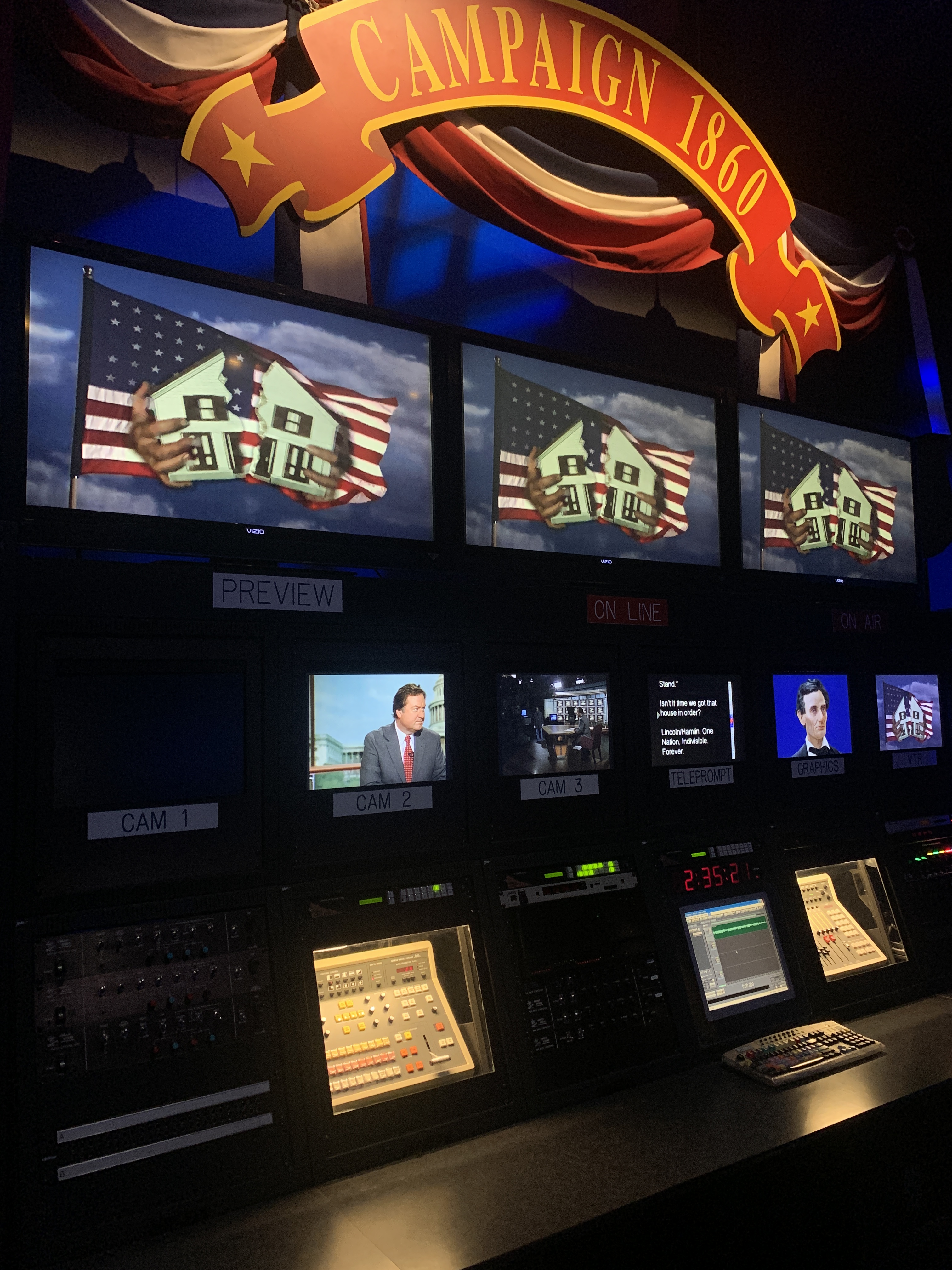
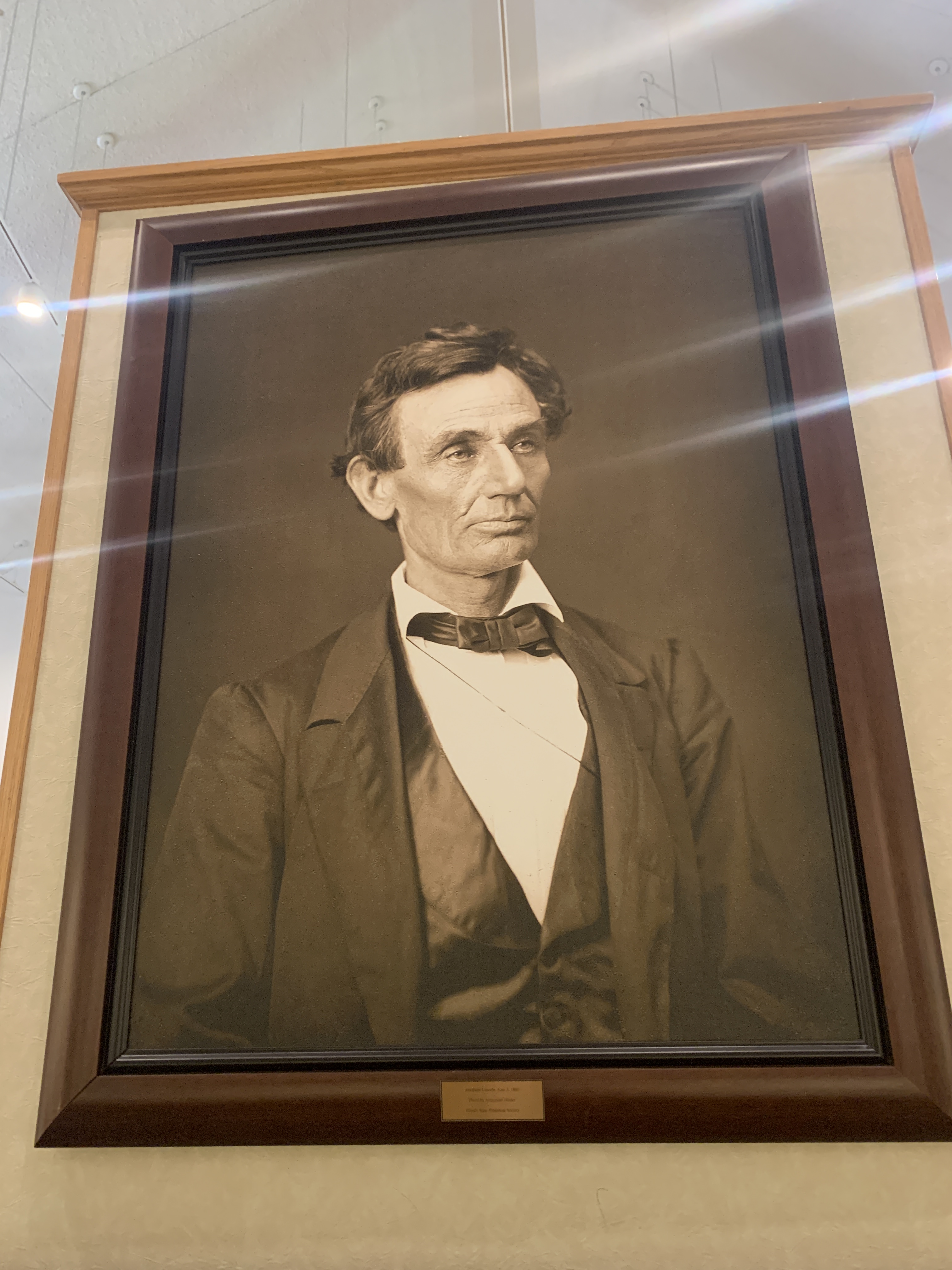
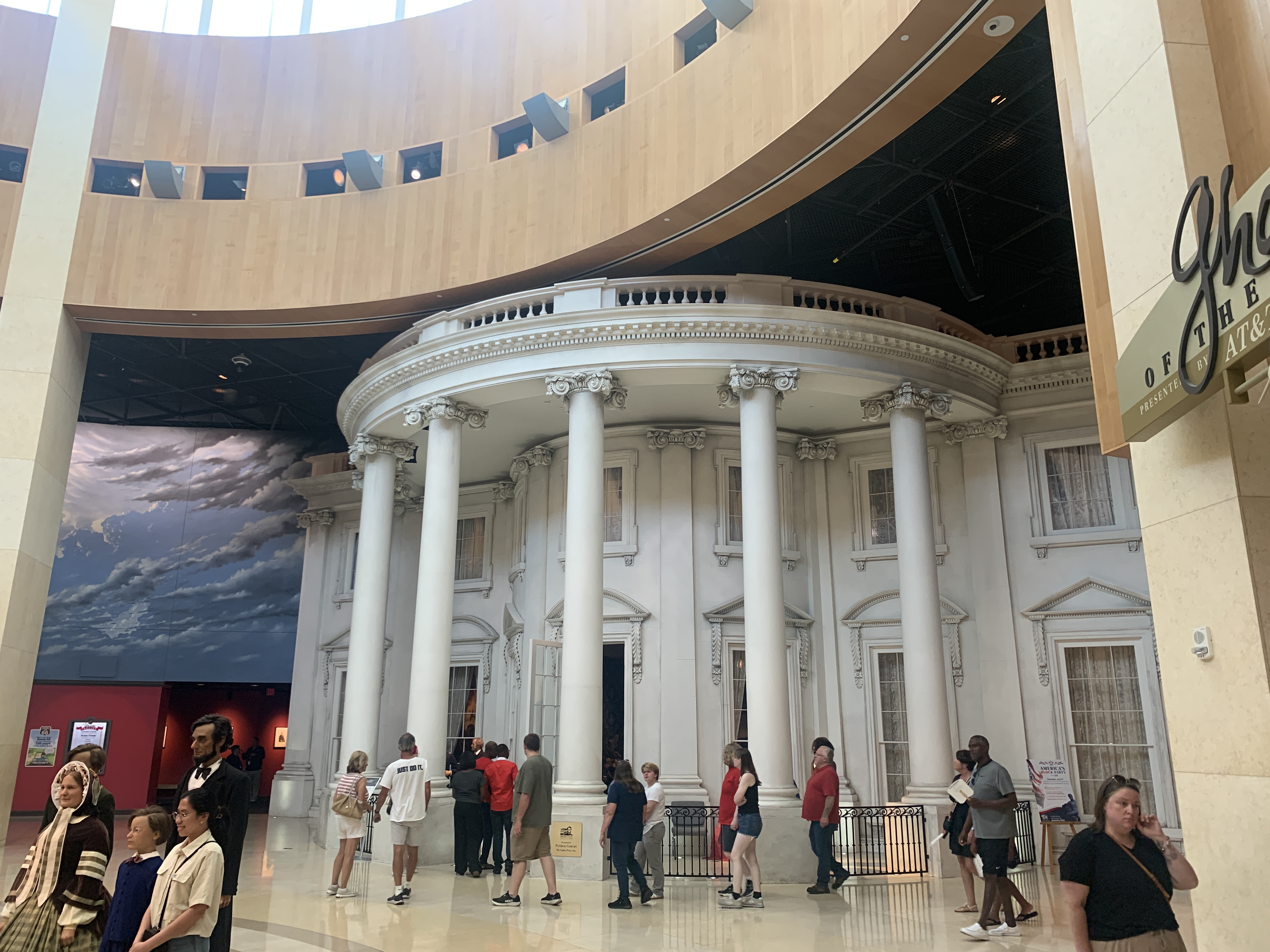
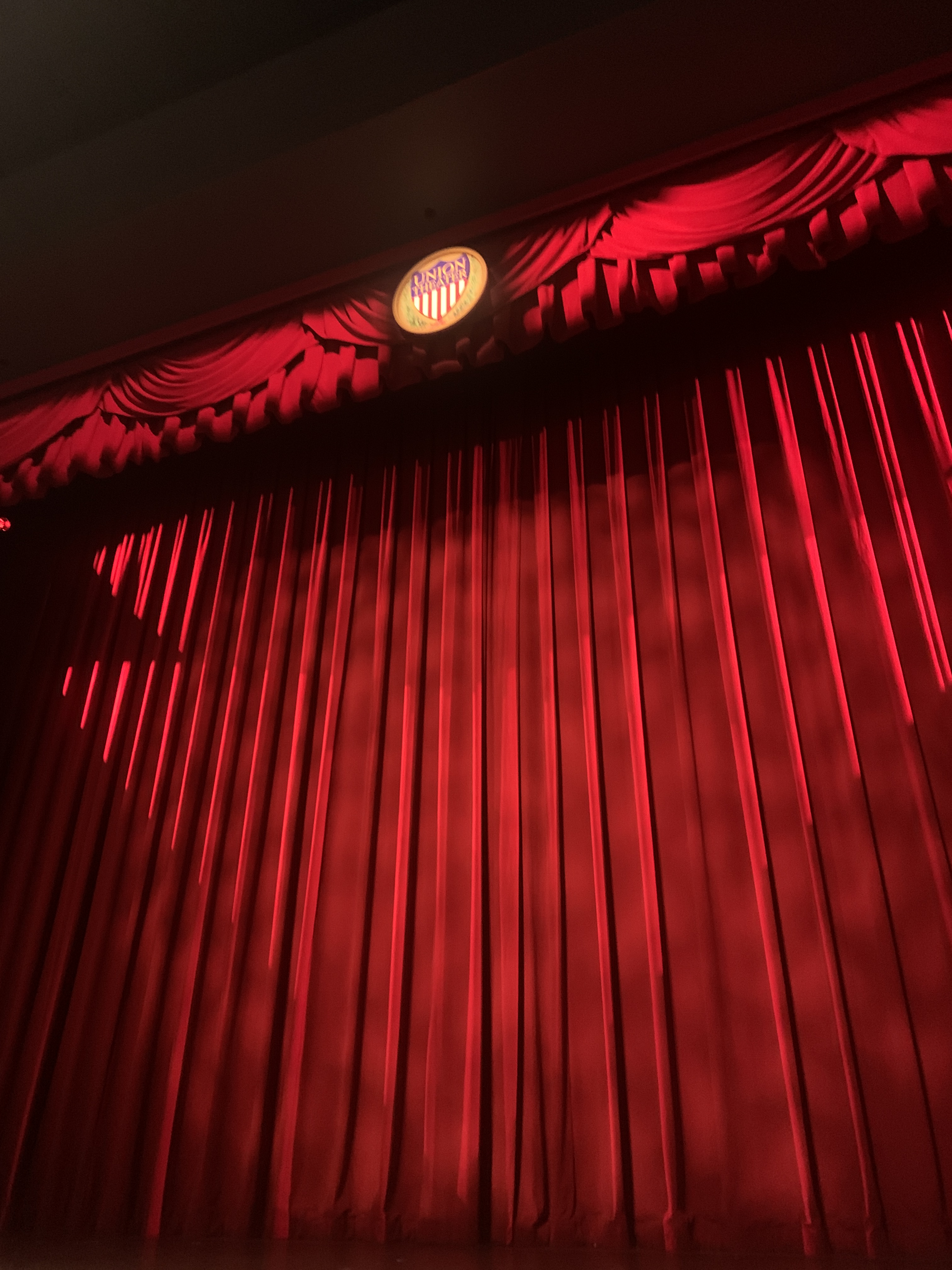
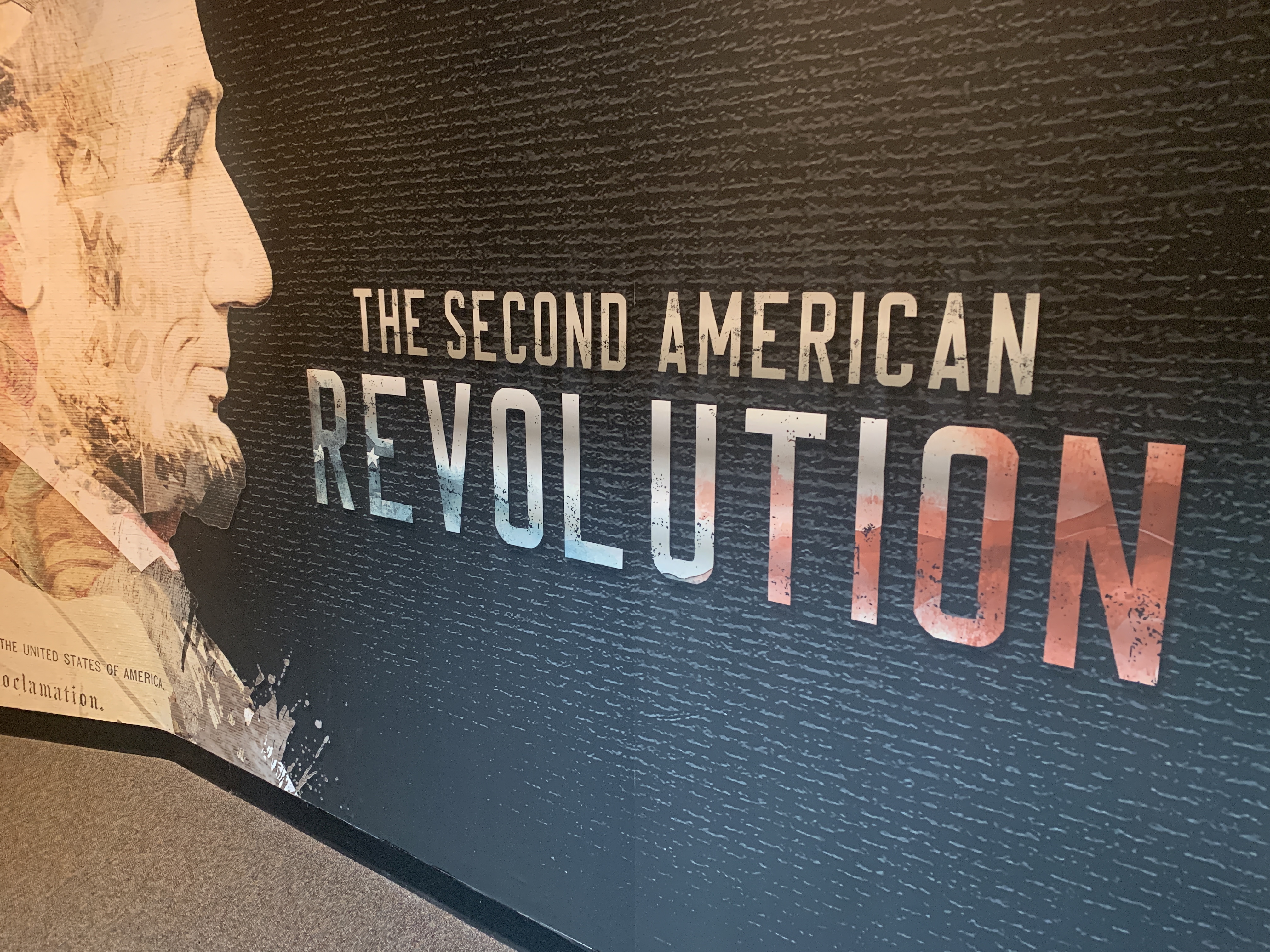
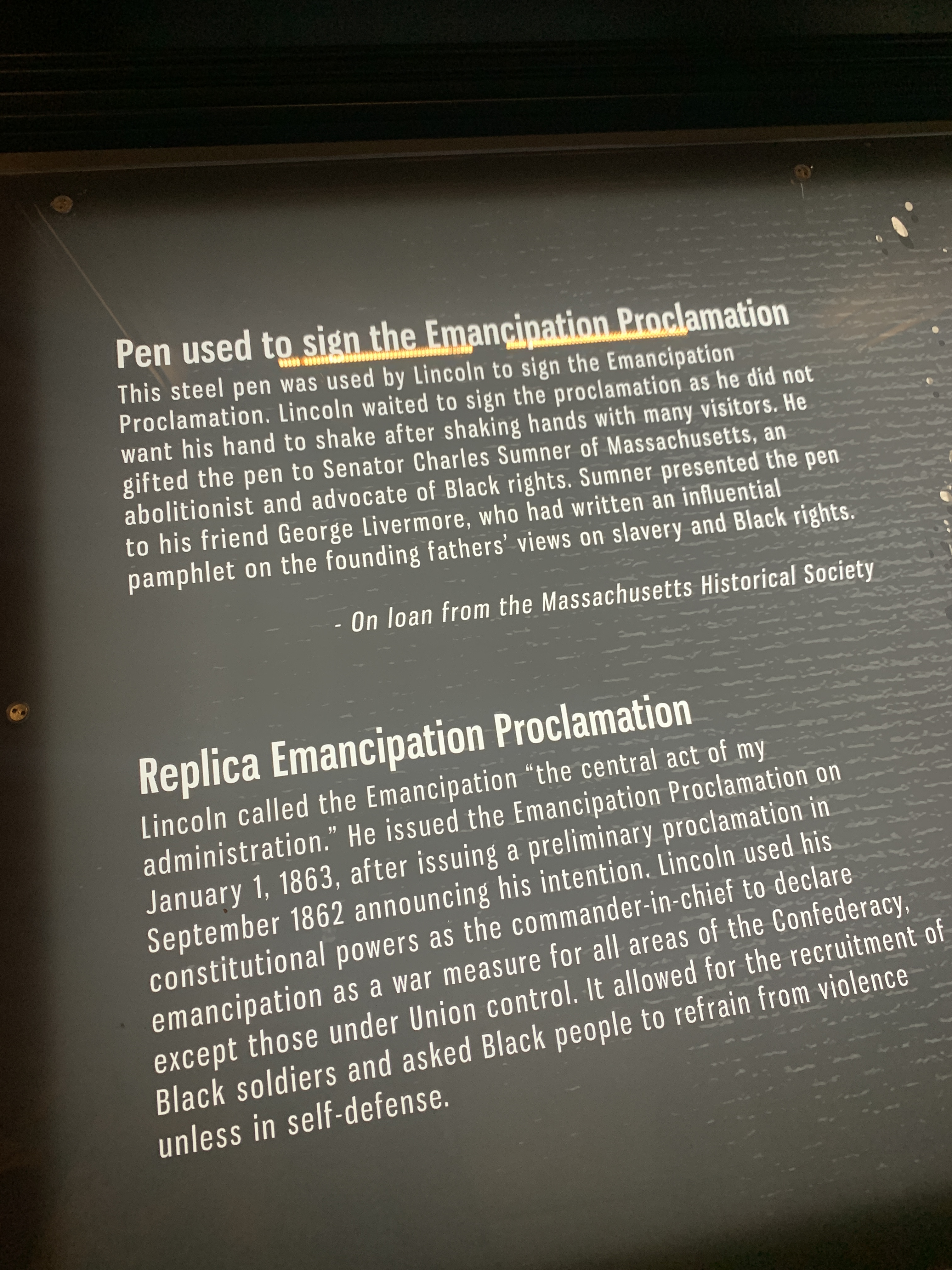
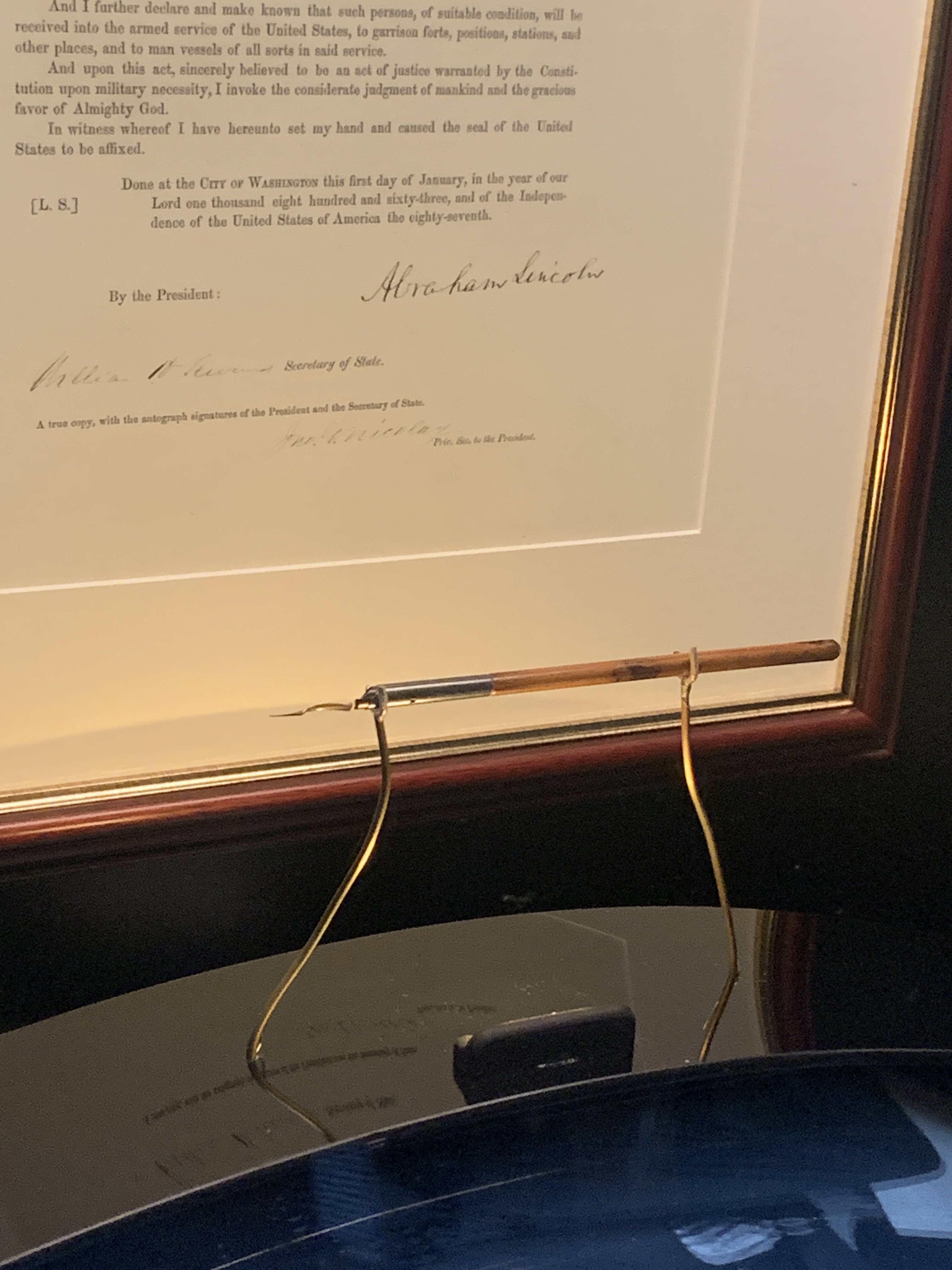
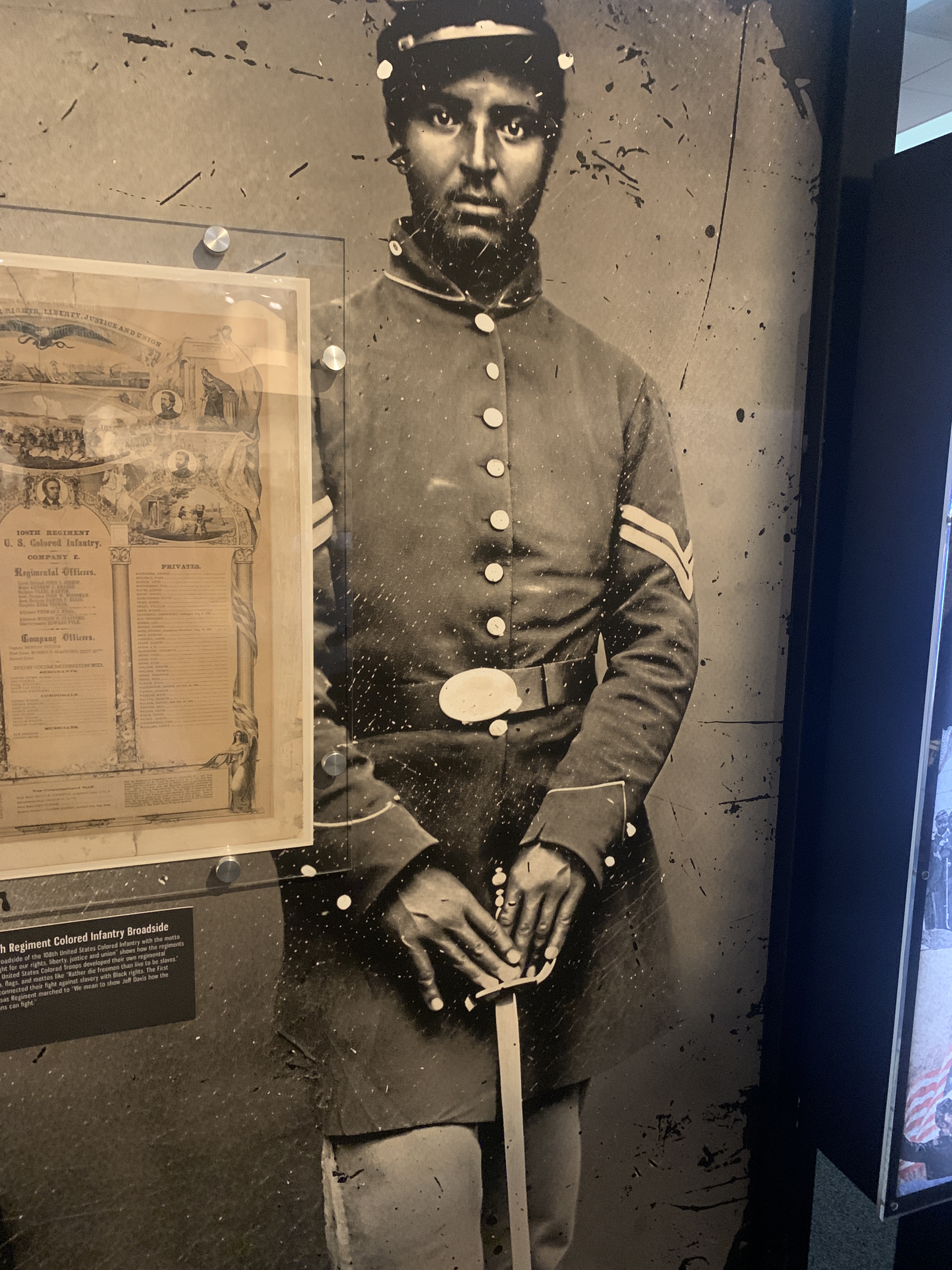
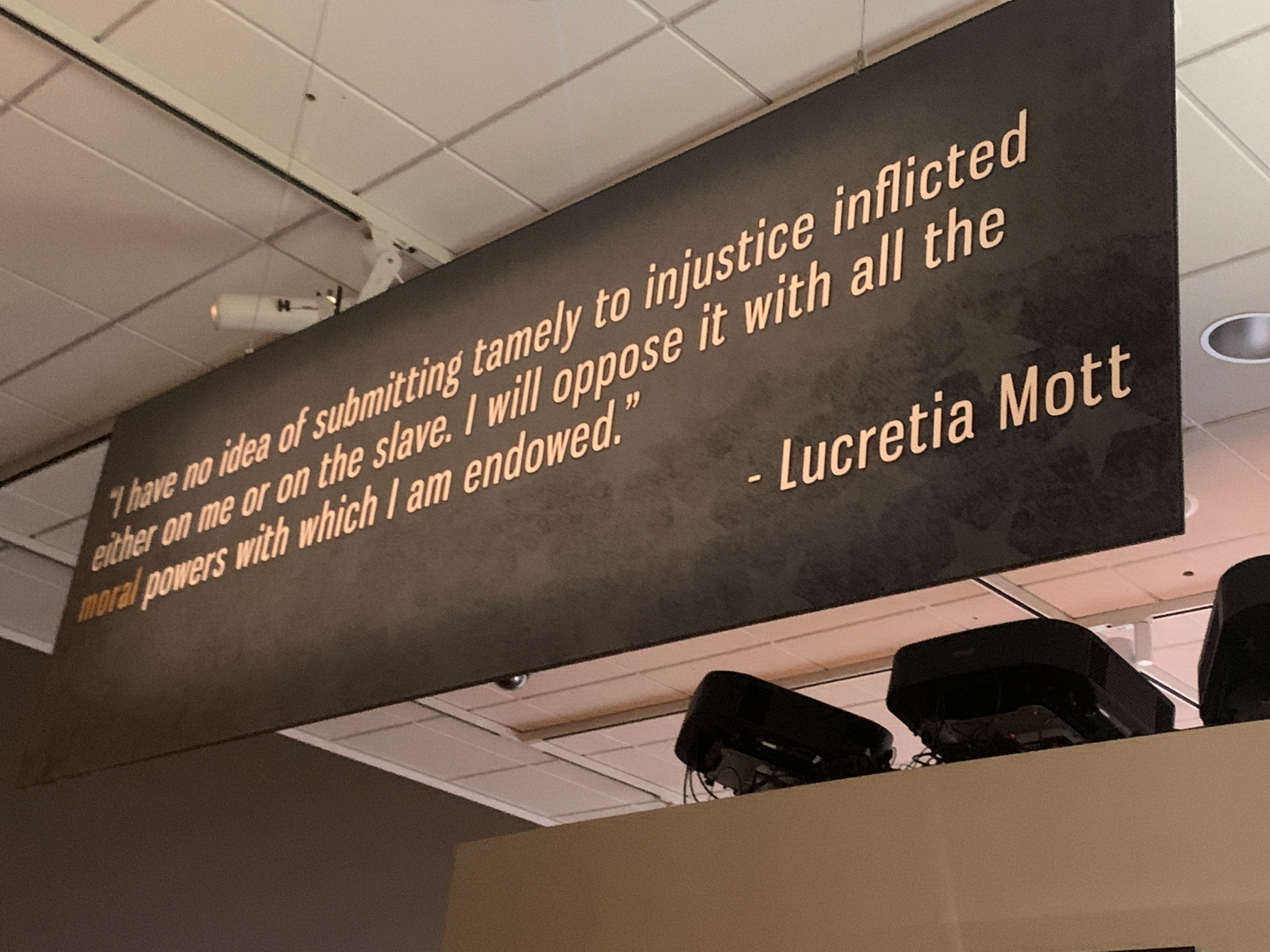
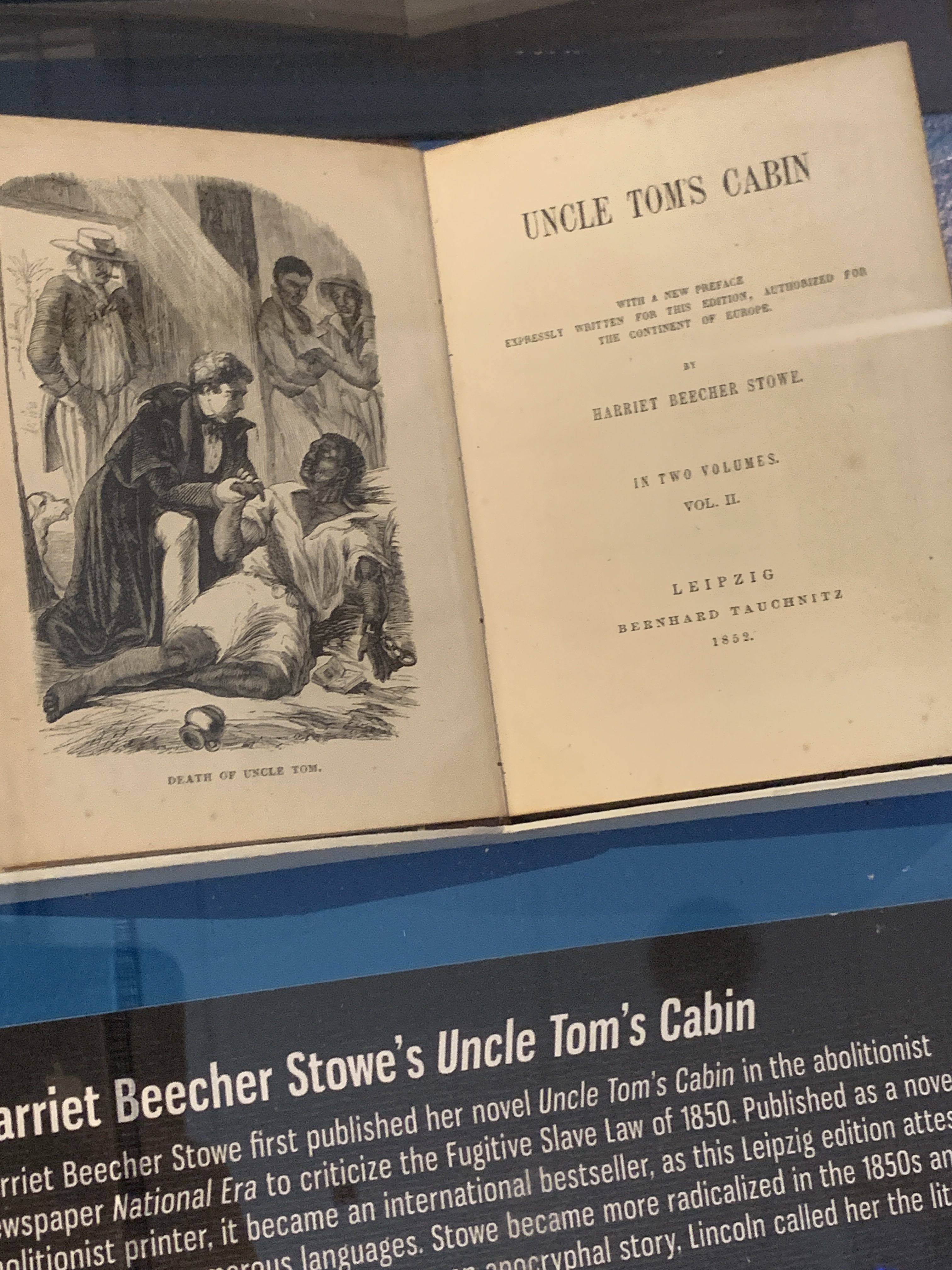
Spoiler alert: The Abraham Lincoln Presidential Library and Museum is one of the best museums I’ve ever toured, if not the best. Not just because it’s Lincoln, and not even just because they maintain that throughline of trying to humanize Lincoln, but also because of the ingenuity of the setup. First, you walk through his cabin he grew up in, learning to read by firelight. Then, you go through an impressive exhibit showcasing Lincoln’s campaign to the White House, including the hate he received from the media in both the North and the South, as well as the broader context of American history at the time with Reconstruction, “the second birth of freedom,” and the end of Reconstruction. Finally, you see his time in the White House, replete with an impressive replica facade. There are also two really neat immersive theater experiences. The first is the Eyes of Lincoln, which again, aims to humanize him, and the second is the Ghosts of the Library, which is essentially an ode to historians and the importance of preserving history. Lincoln and American history aside, that was my favorite feature of the museum.
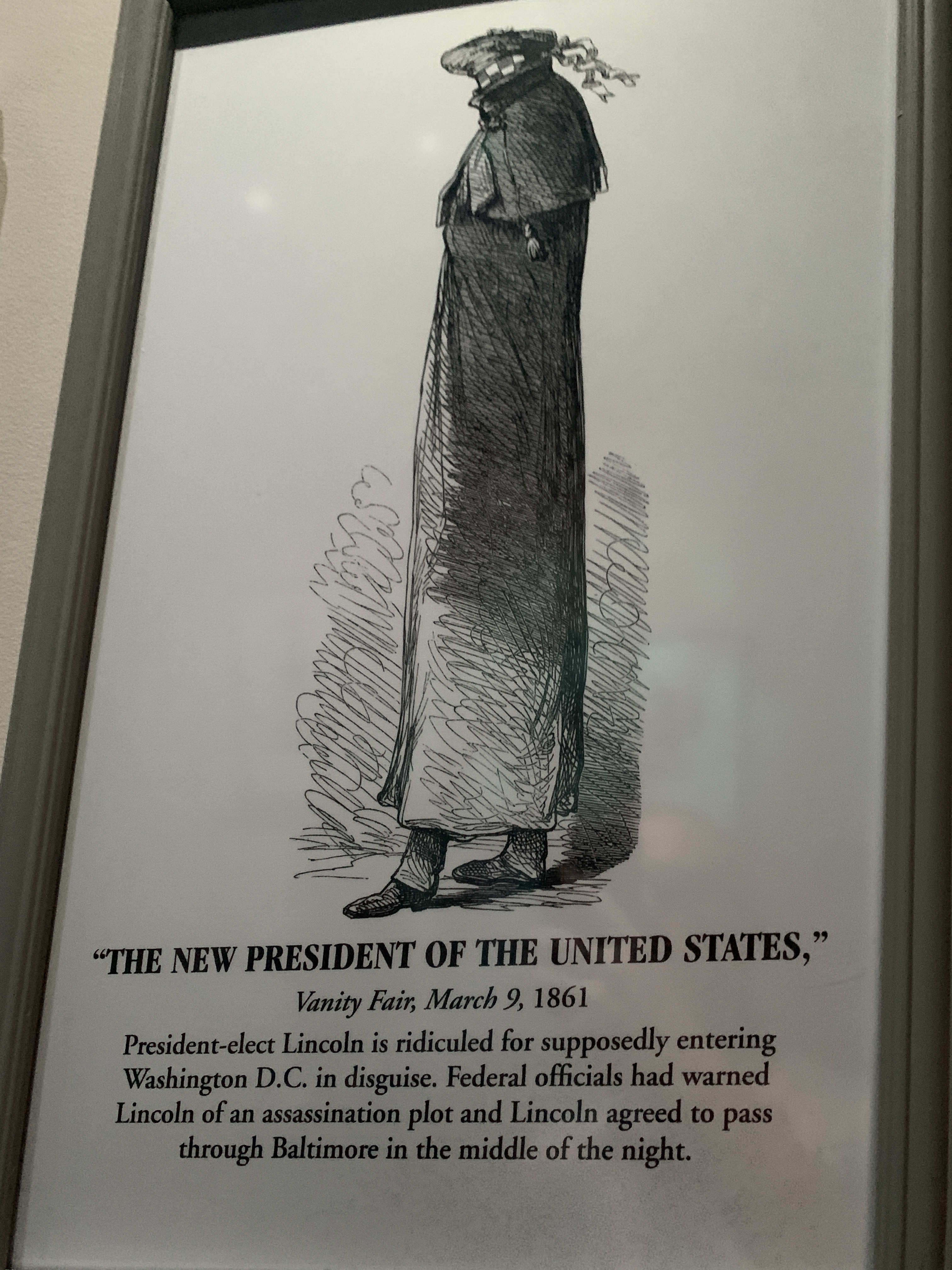
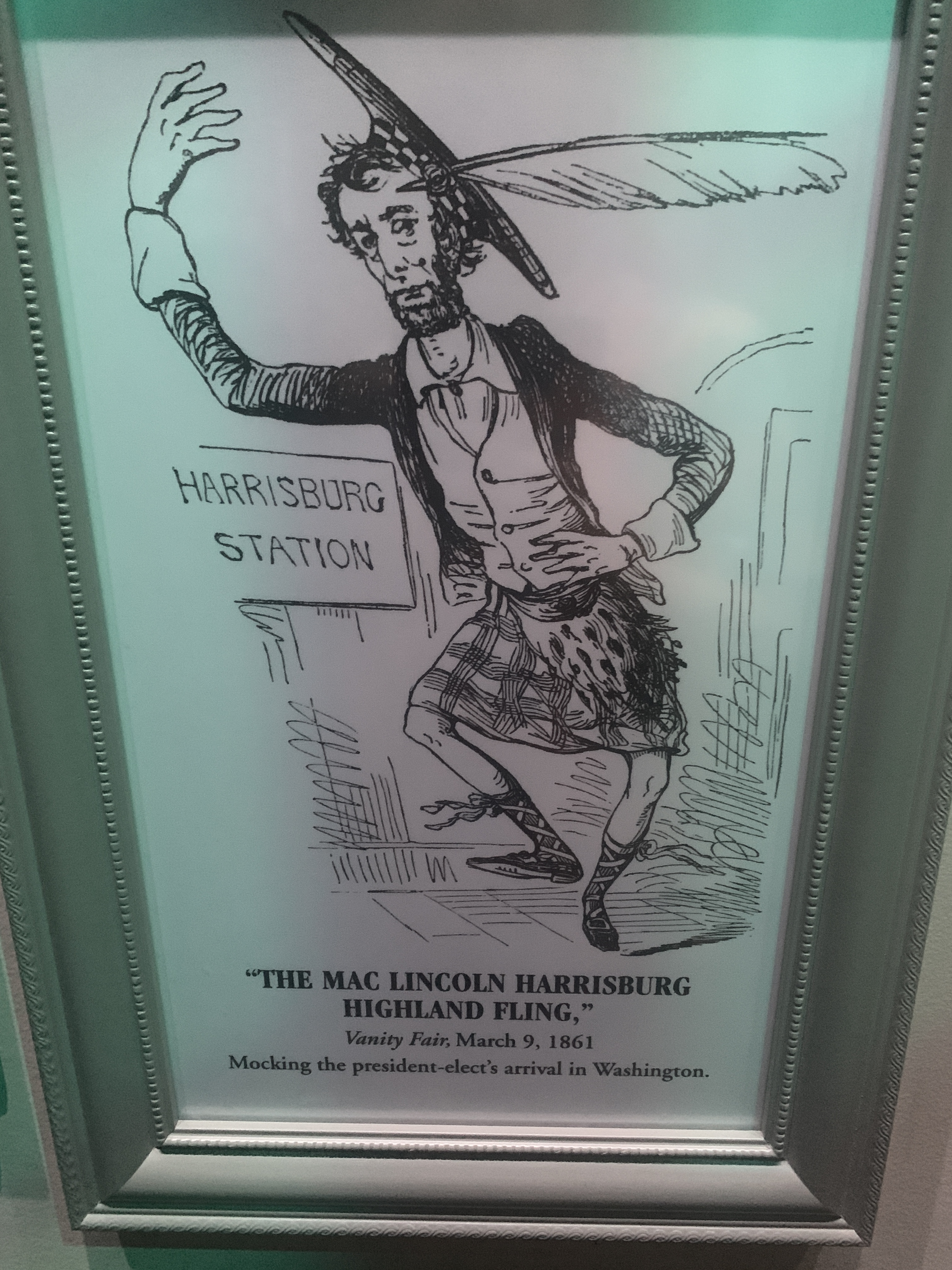
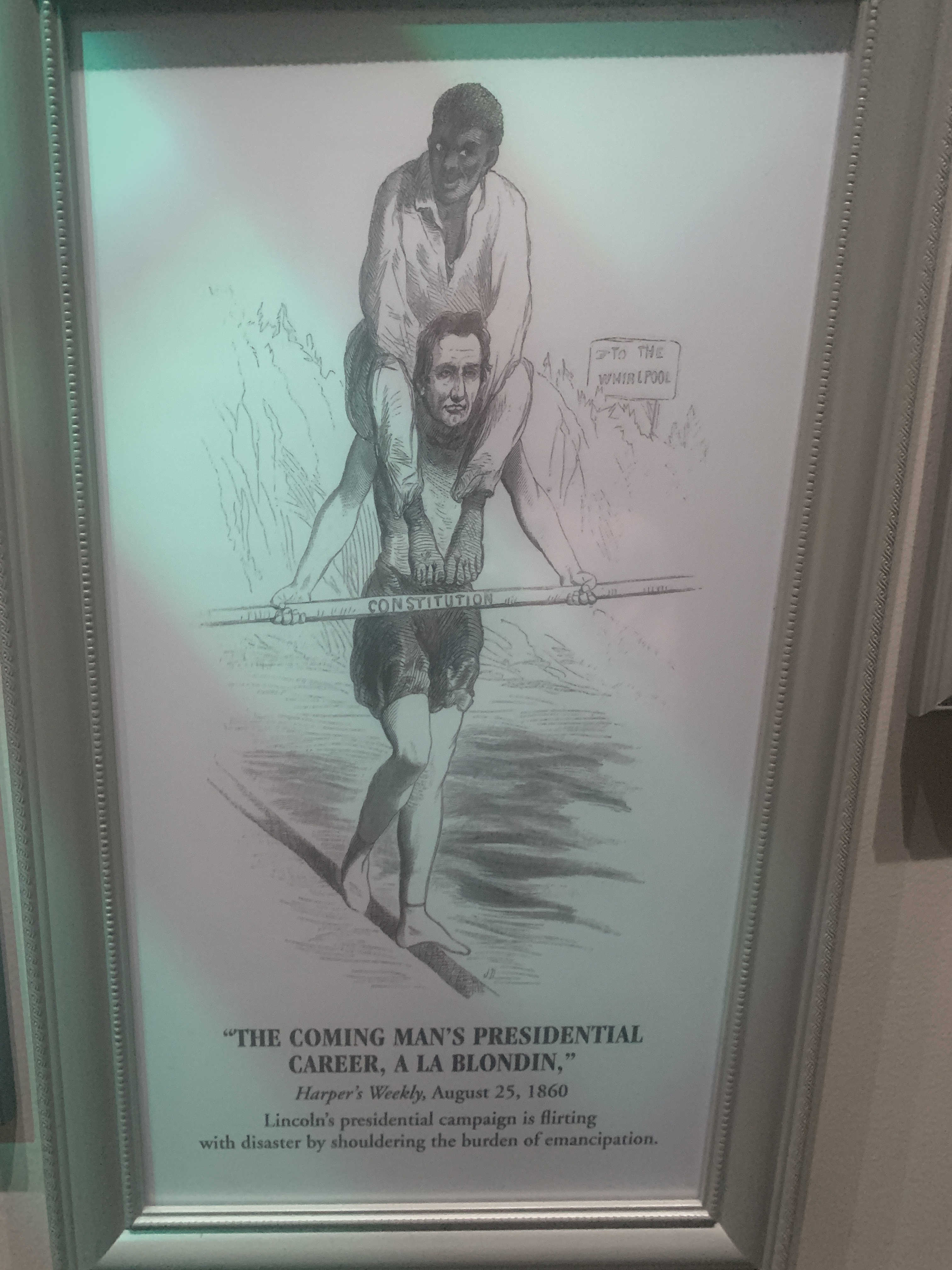
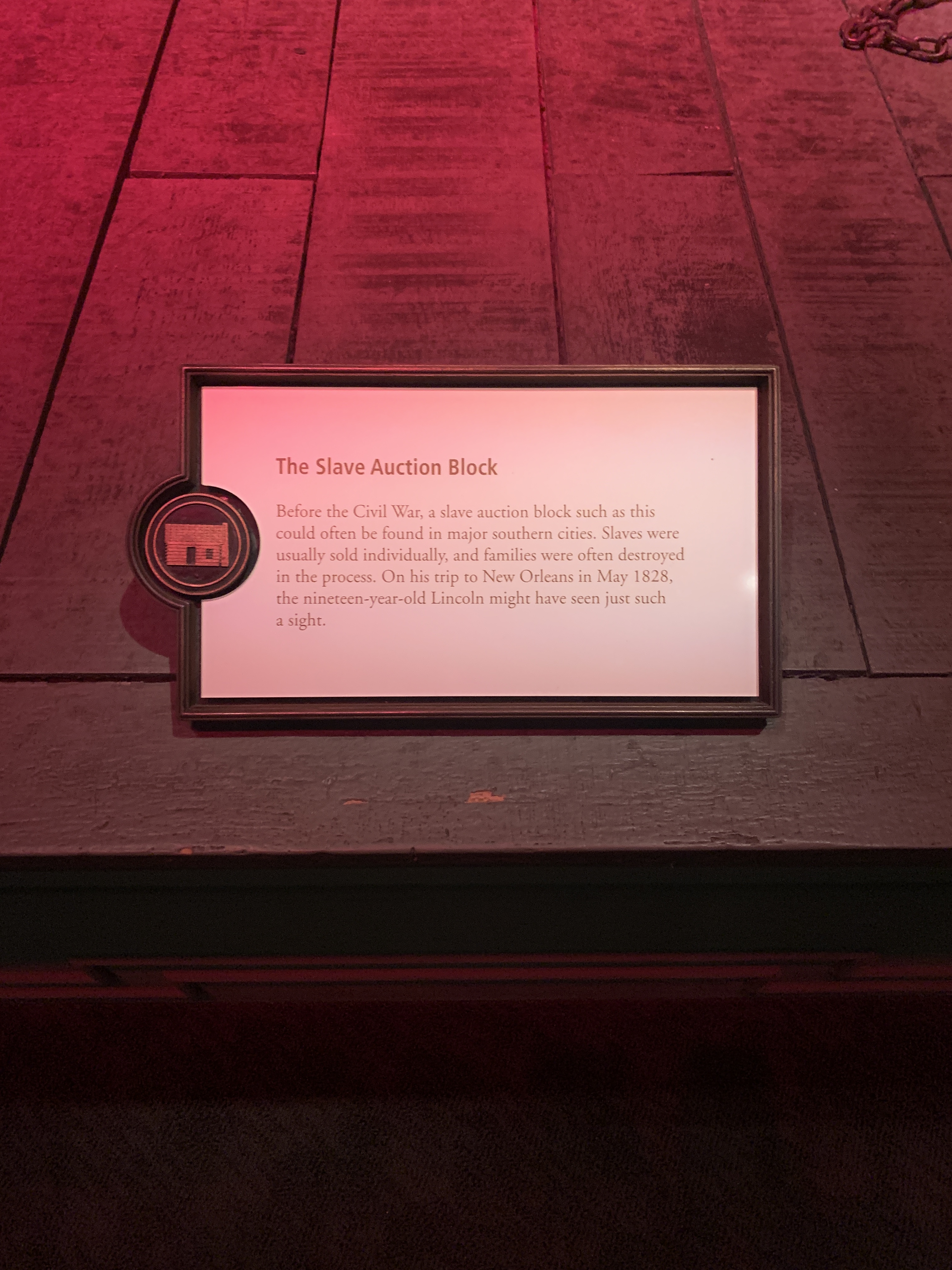
As I mentioned, one of the exhibits takes you through the hate Lincoln (and Mary, for that matter) received during his two campaigns for president and during his time in the White House, primarily via editorial cartoons, again both in the North and the South (with the South being decidedly more racist and ugly). What I took away from that — aside from many of the judgments of Lincoln’s effectiveness and legacy not aging well, obviously — is how quintessentially American and patriotic it is to criticize the most powerful man in the country. It is one of the great American pastimes. Which is why it’s such an affront to our Americanness, if you will, that the current occupant of the White House not only bemoans such treatment (more typical of presidents), but seeks to punish those who criticize him (more beyond the pale). But I would also expect nothing less of someone who doesn’t understand America or its history. I digress.
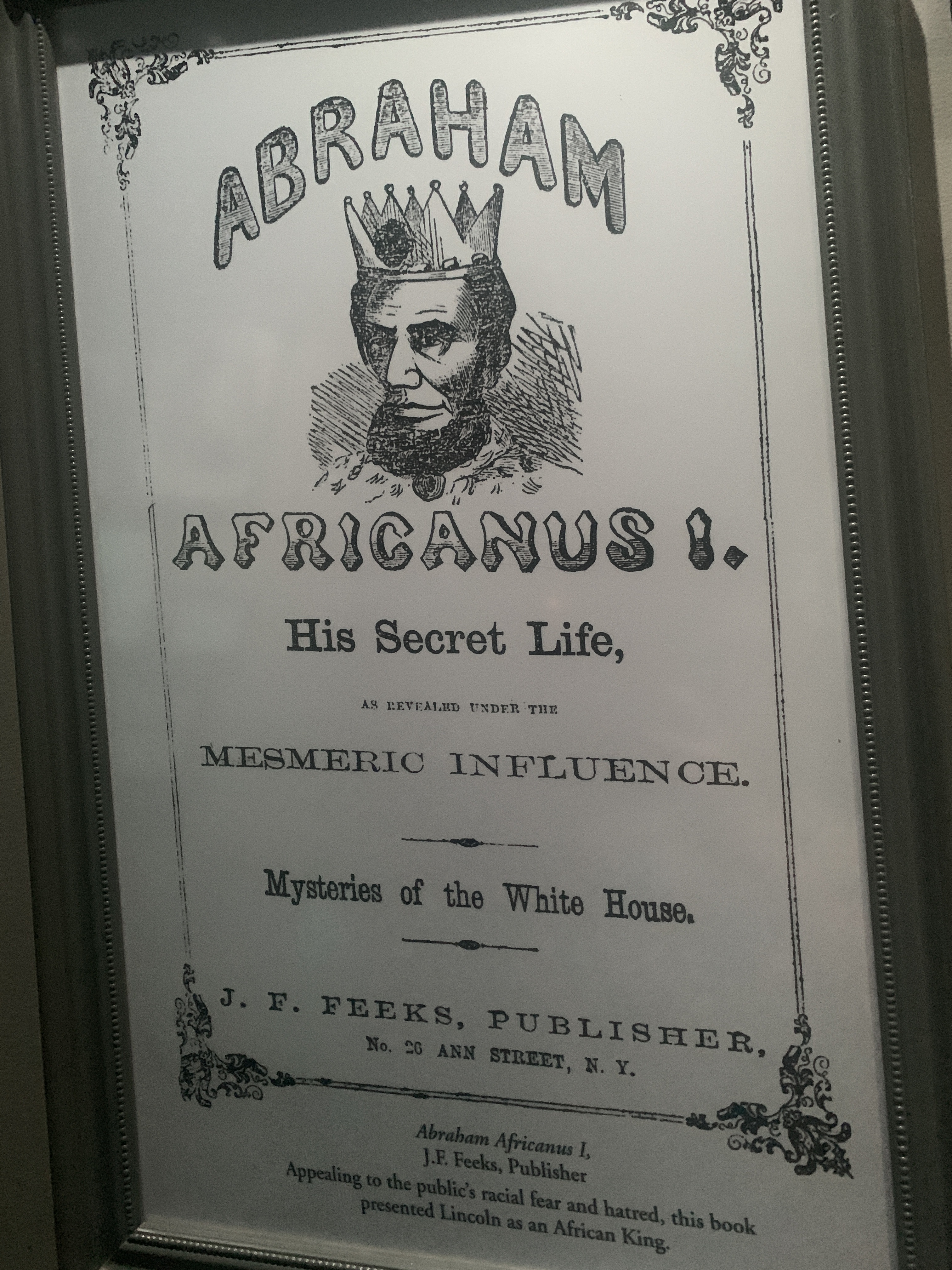
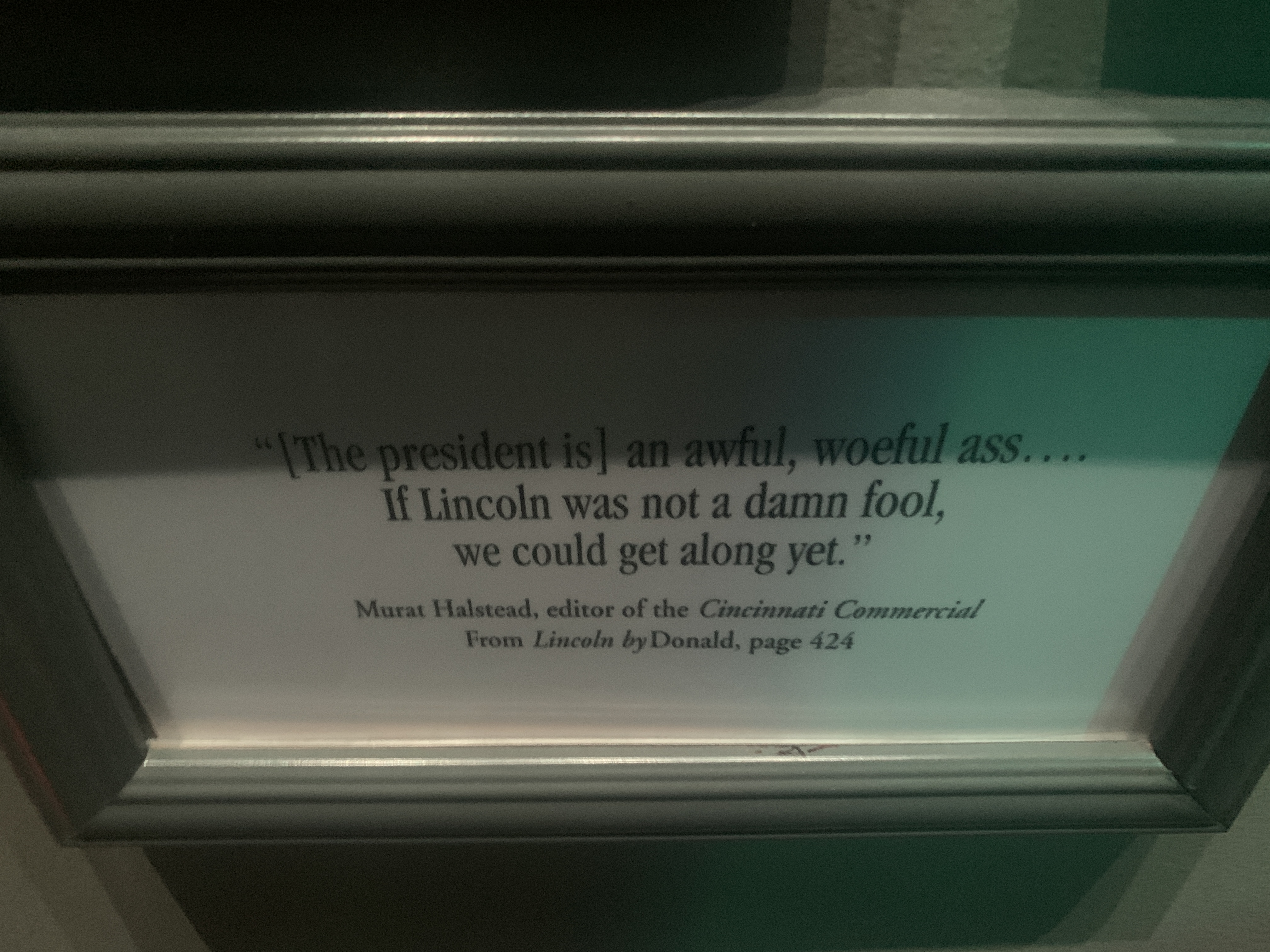
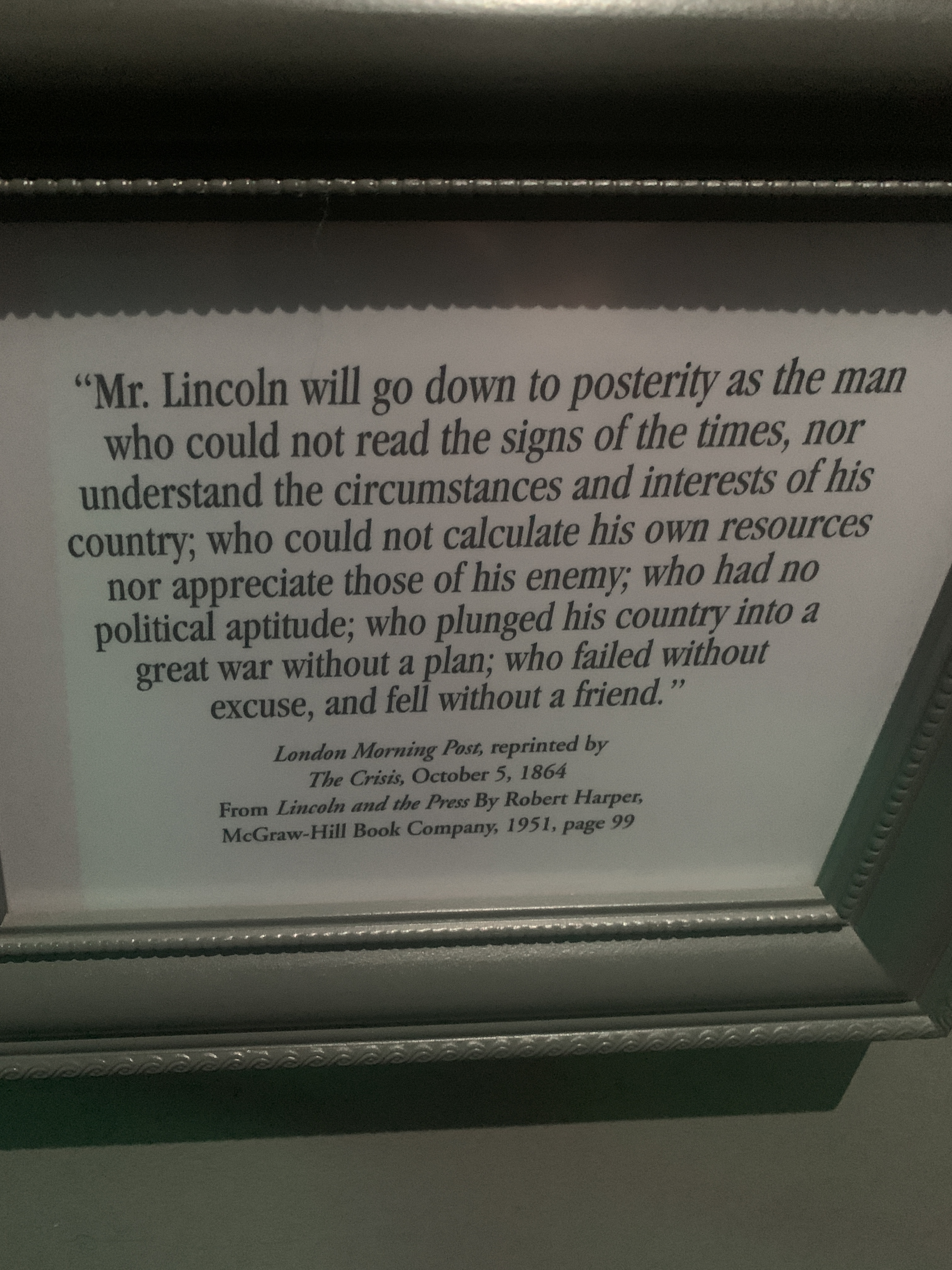
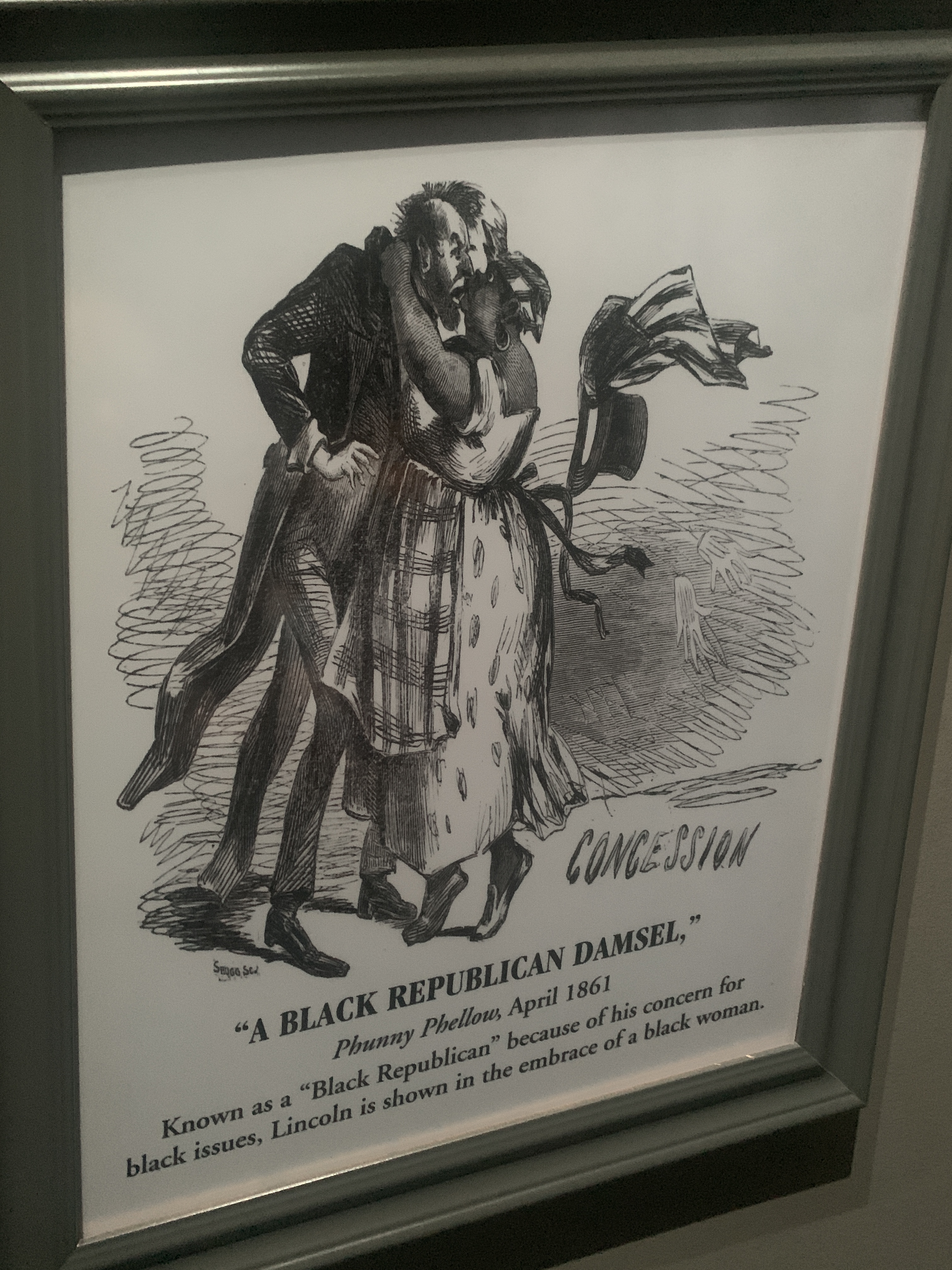
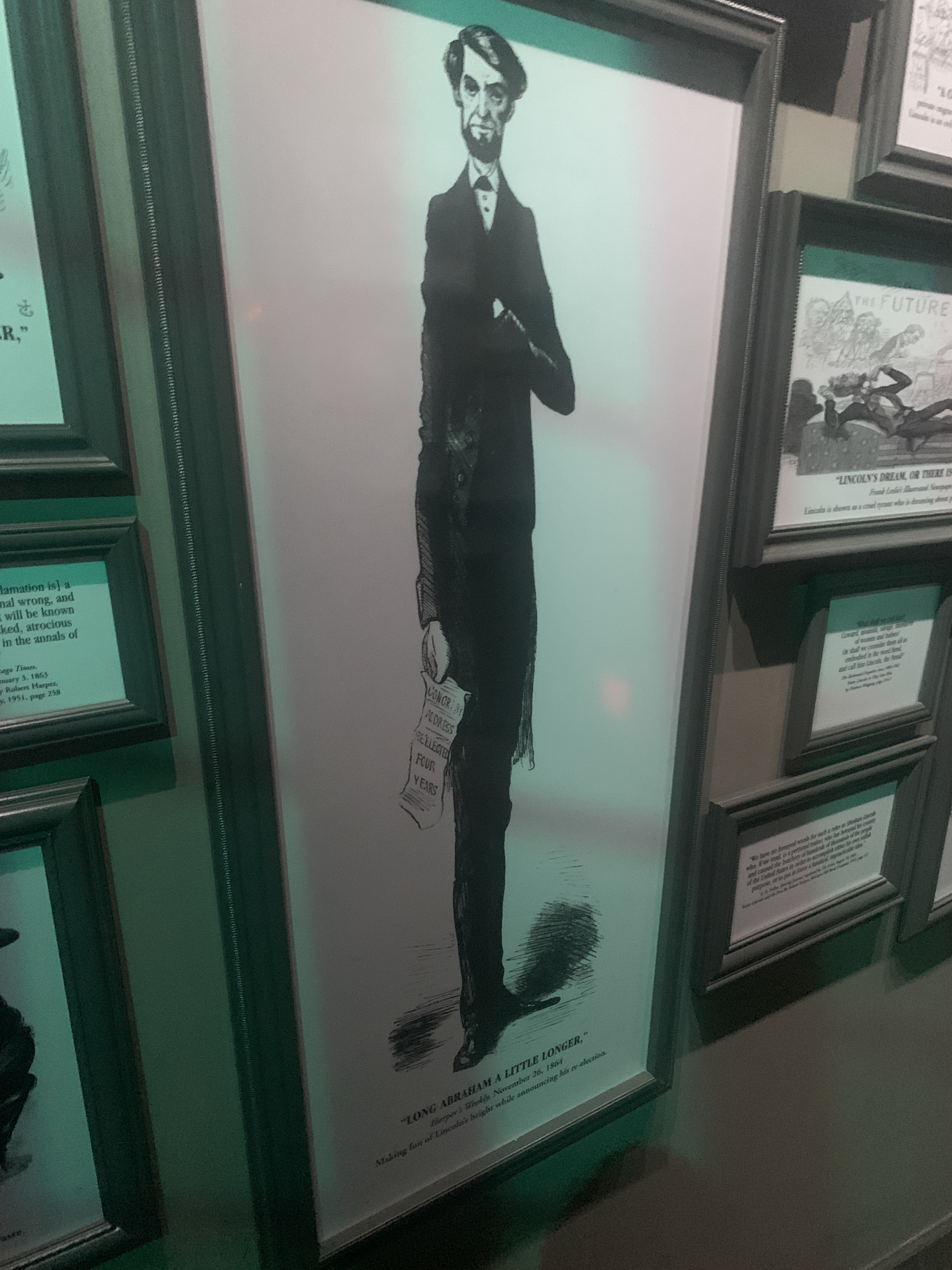
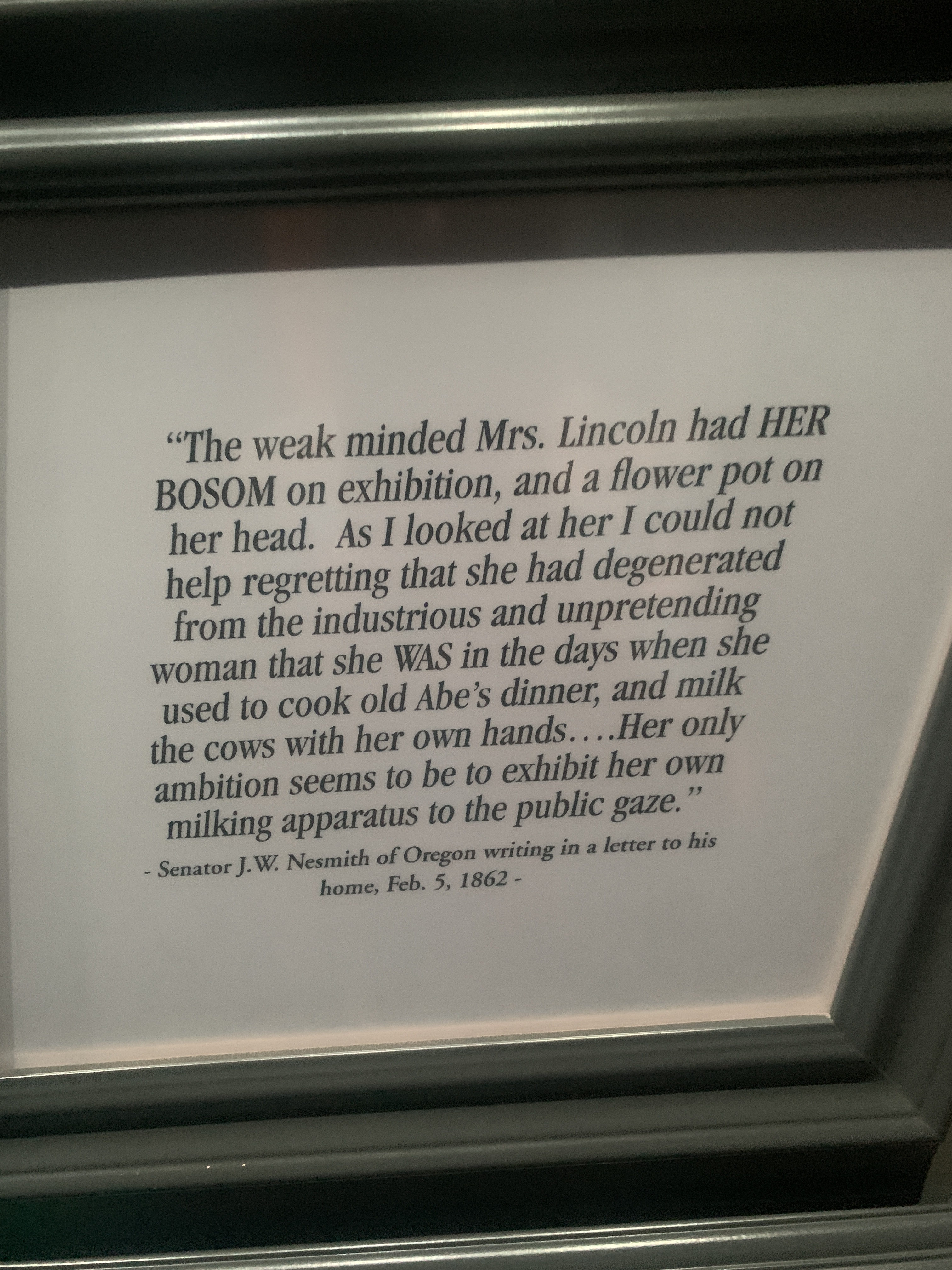
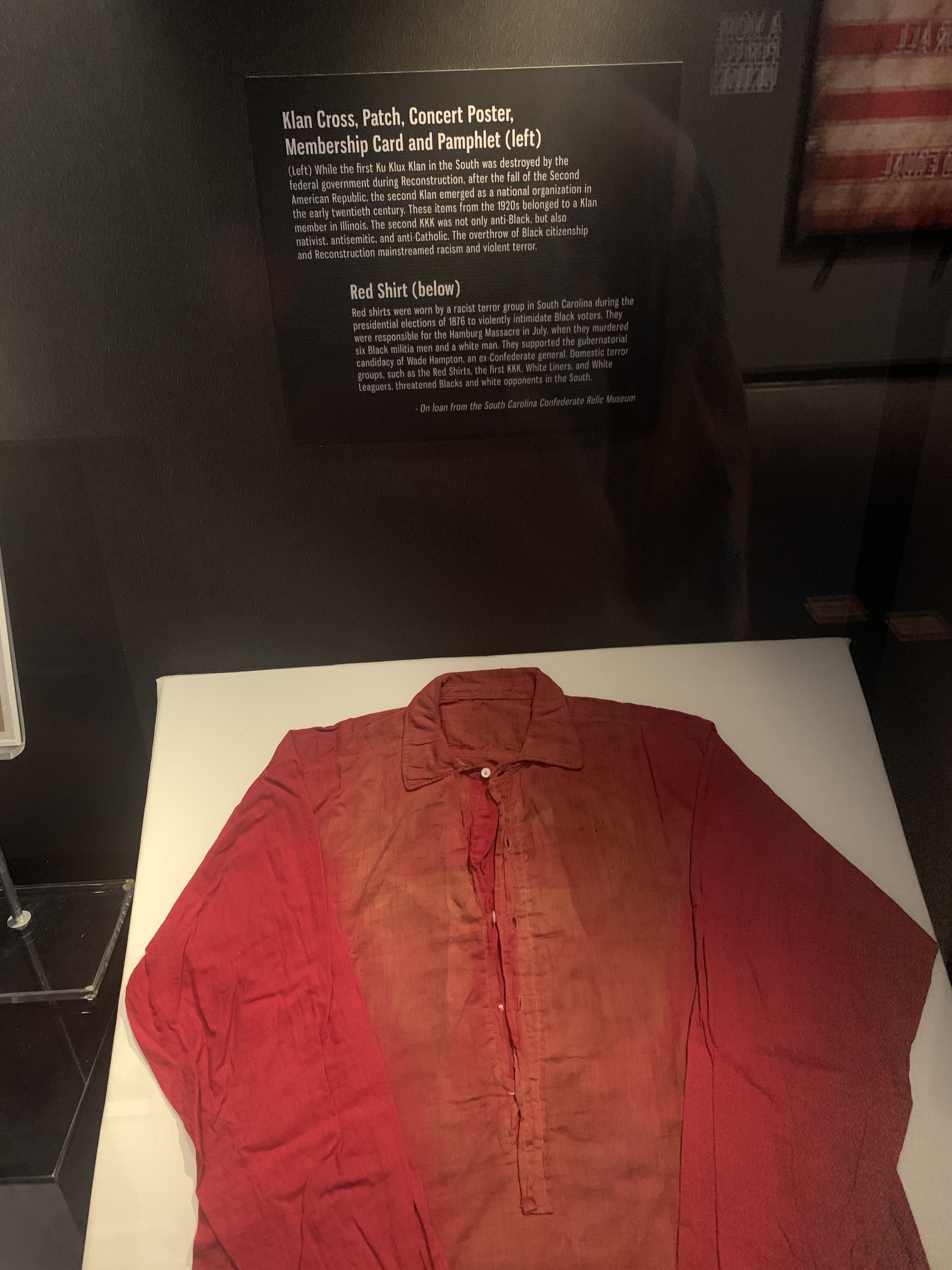
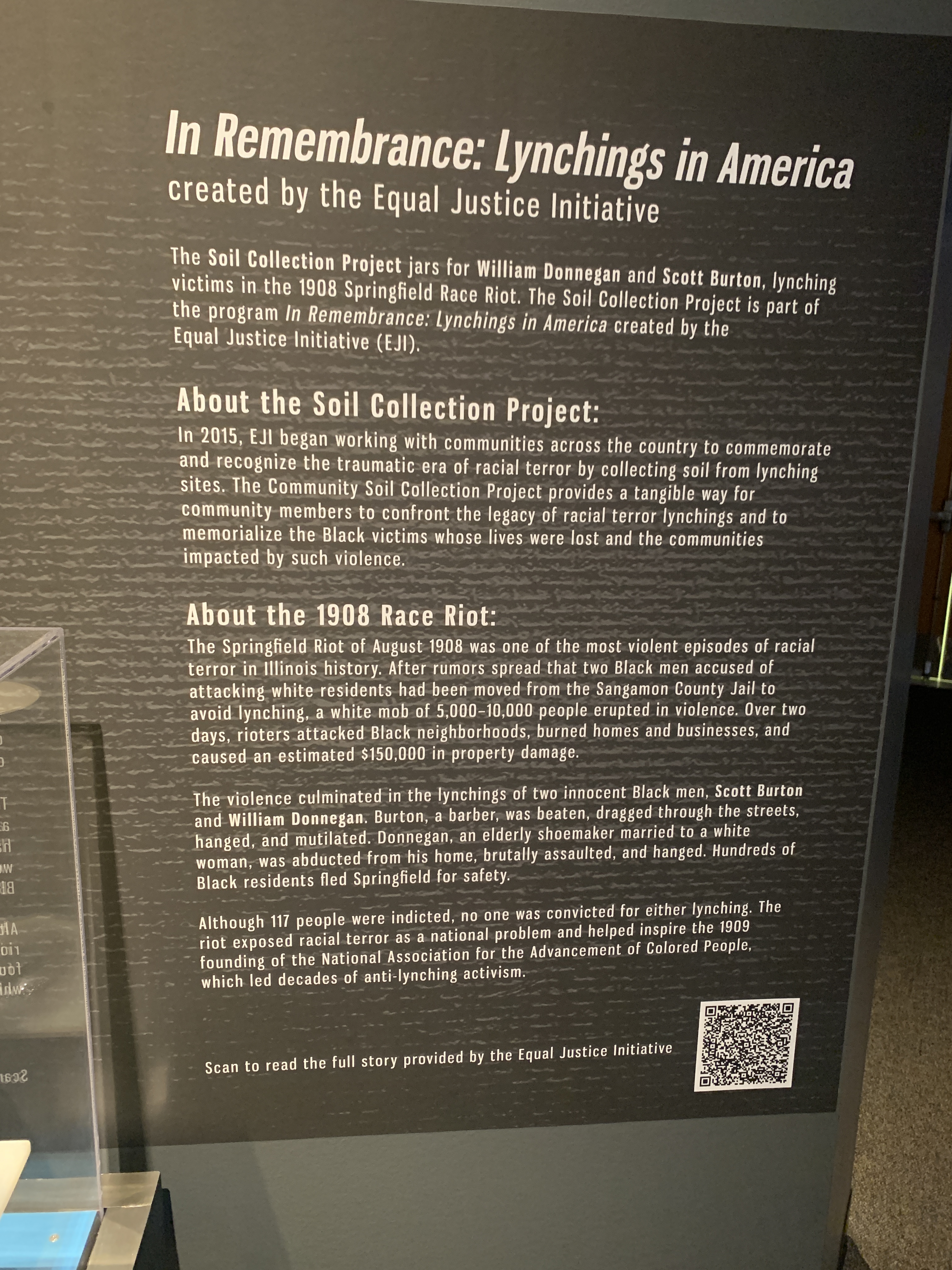
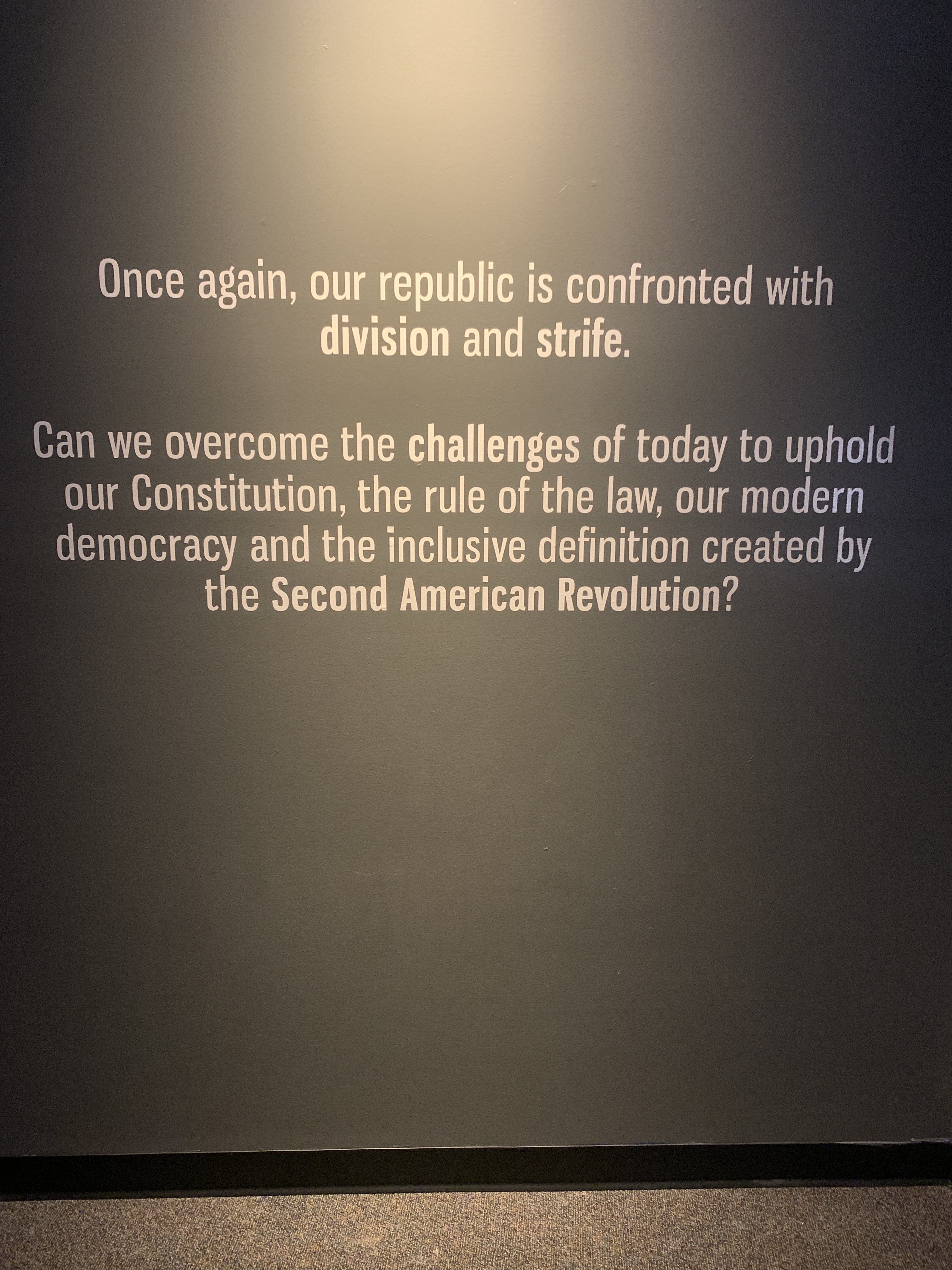
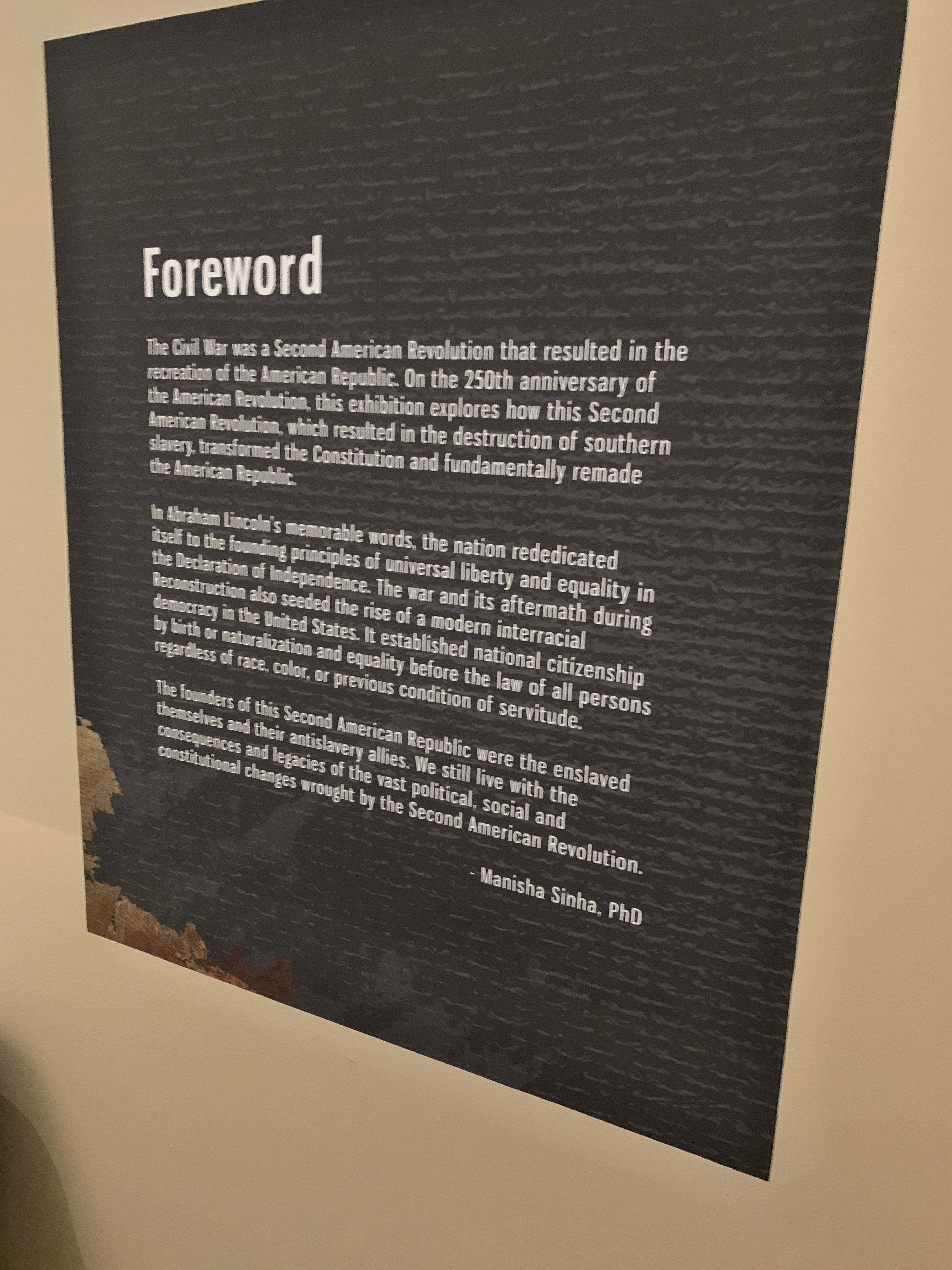
My other two takeaways from the Abraham Lincoln Presidential Library and Museum, especially going through the Second American Revolution exhibit, is first, anger that Americans so quickly abandoned the promise of the Second American Revolution and Reconstruction in favor of Lost Cause narrative building and terror inflicting. But secondly, that America in 2026 is ripe for, and in desperate need of, a Third American Revolution. Which is really a fulfilment of the promise started by the Second. In some meaningful ways, we’ve improved a great deal since 1965, but in other ways, we’ve veered in ways once thought unimaginable within the American experiment and project. A Third American Revolution, which would rely on the universal, final words of the First Revolution as the Second did, would bring us back to an America we can be proud of. I also think it’s worth saying, we can’t wait for a Lincoln. What a study of Lincoln’s time shows is that it most certainly wasn’t one great man in Lincoln who made the Second American Revolution possible; it was scores of people from abolitionists to politicians to artists to ordinary Americans who ensured its inevitability.
I probably spent a little more than three hours inside the Abraham Lincoln Presidential Library and Museum, but I’m someone who tries to read everything. And even then, I didn’t read everything, like the individual stories of the soldiers involved in the Civil War, so, if you do that, expect to spend even longer.
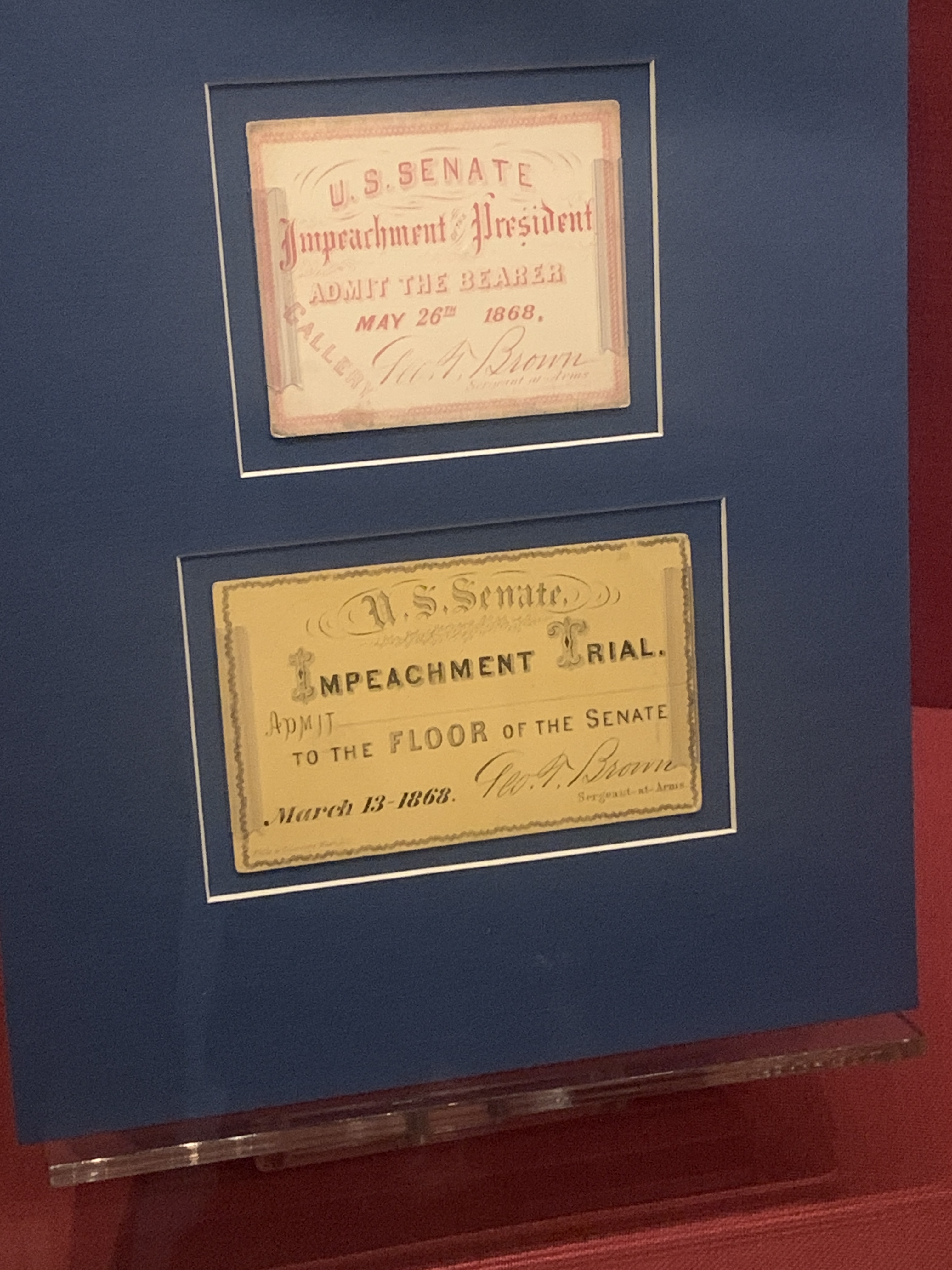
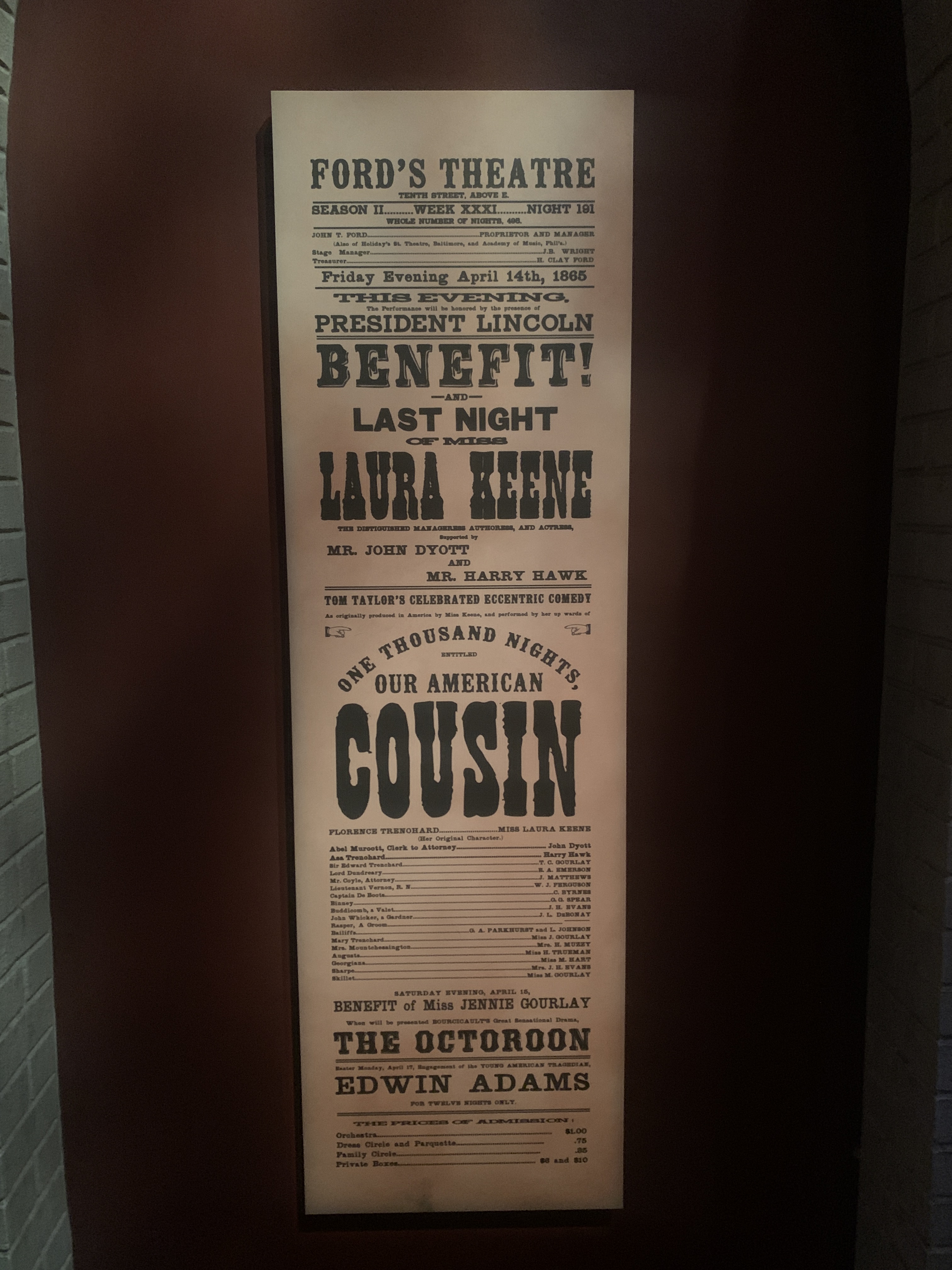
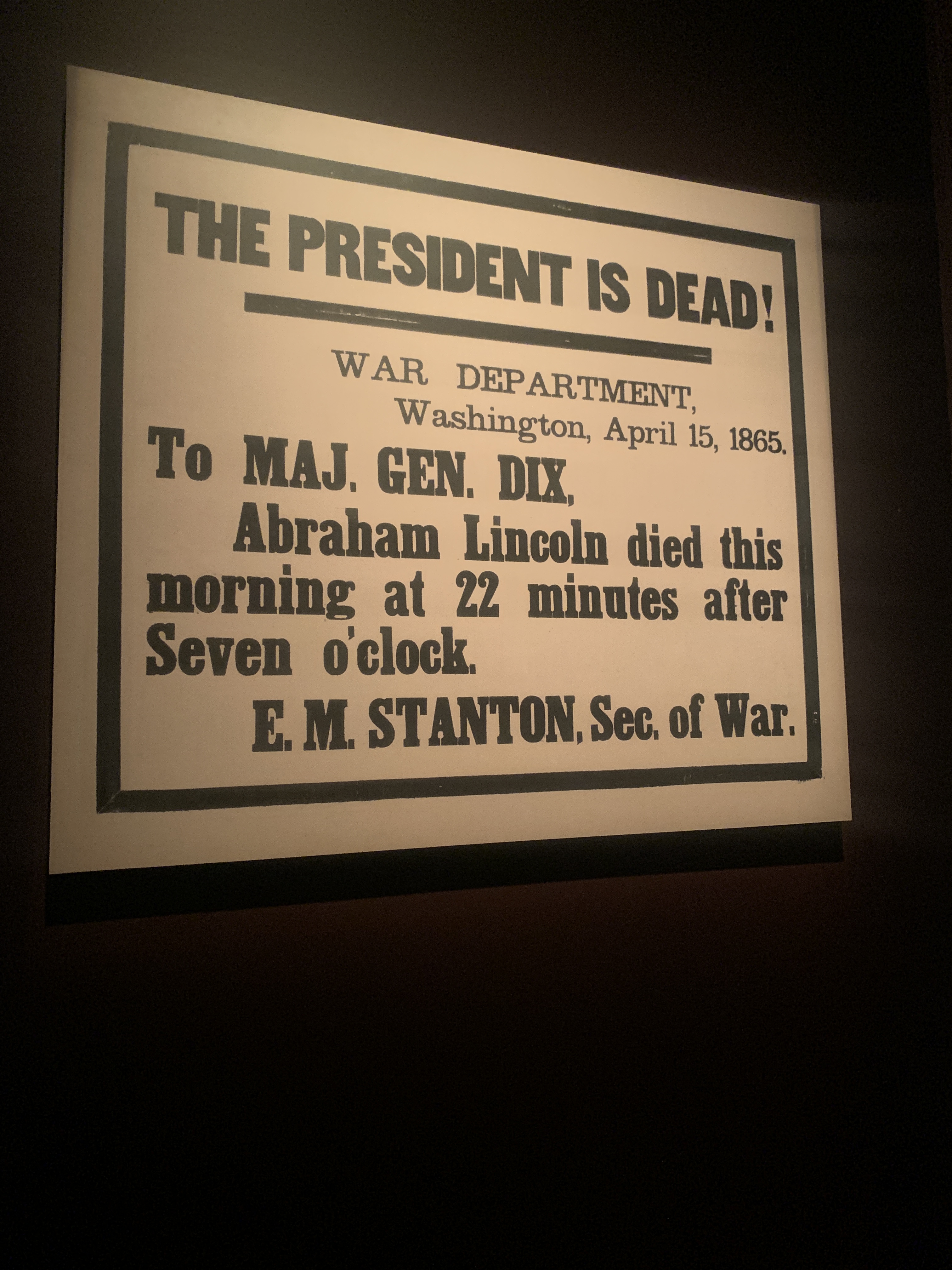
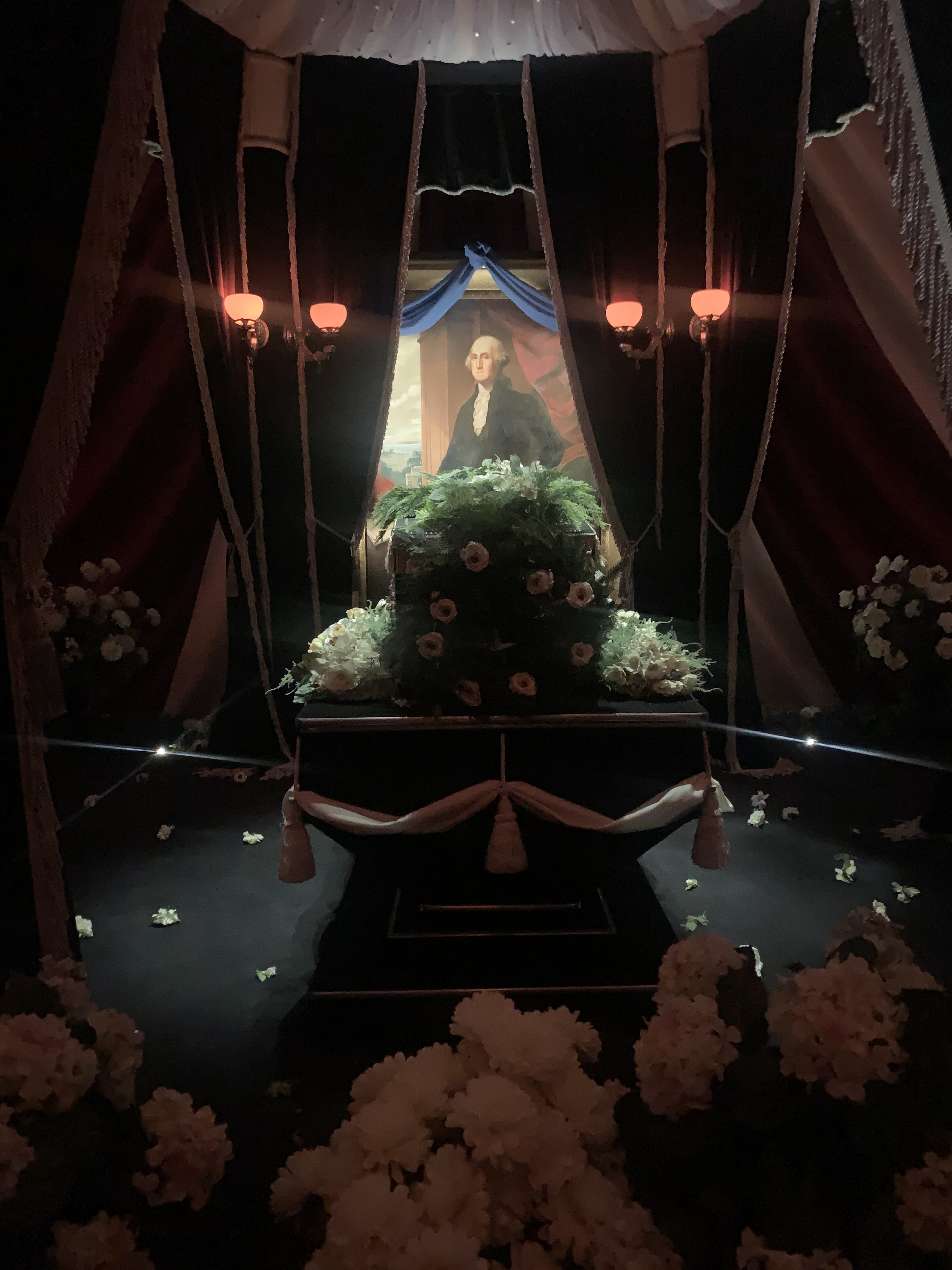
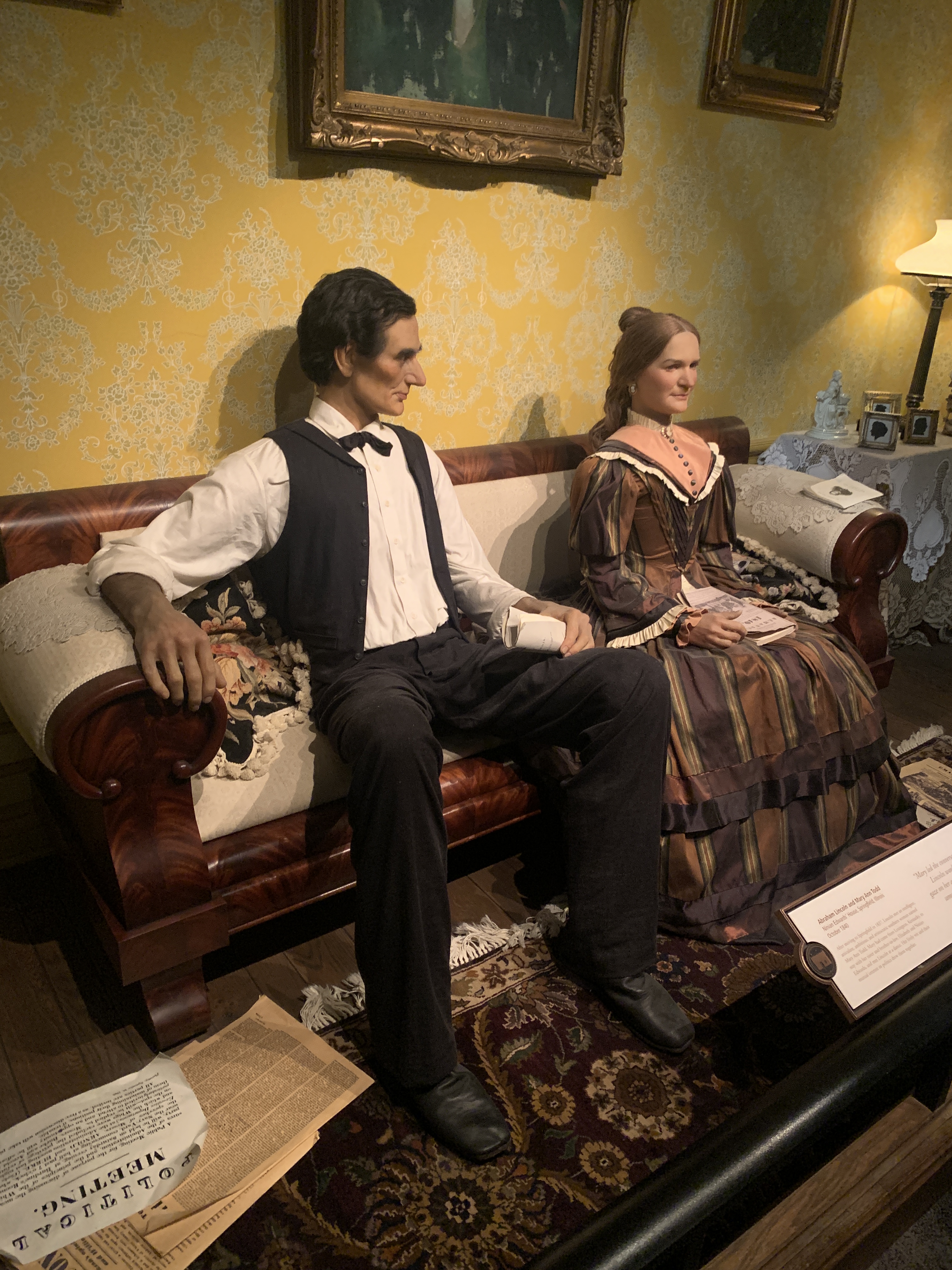
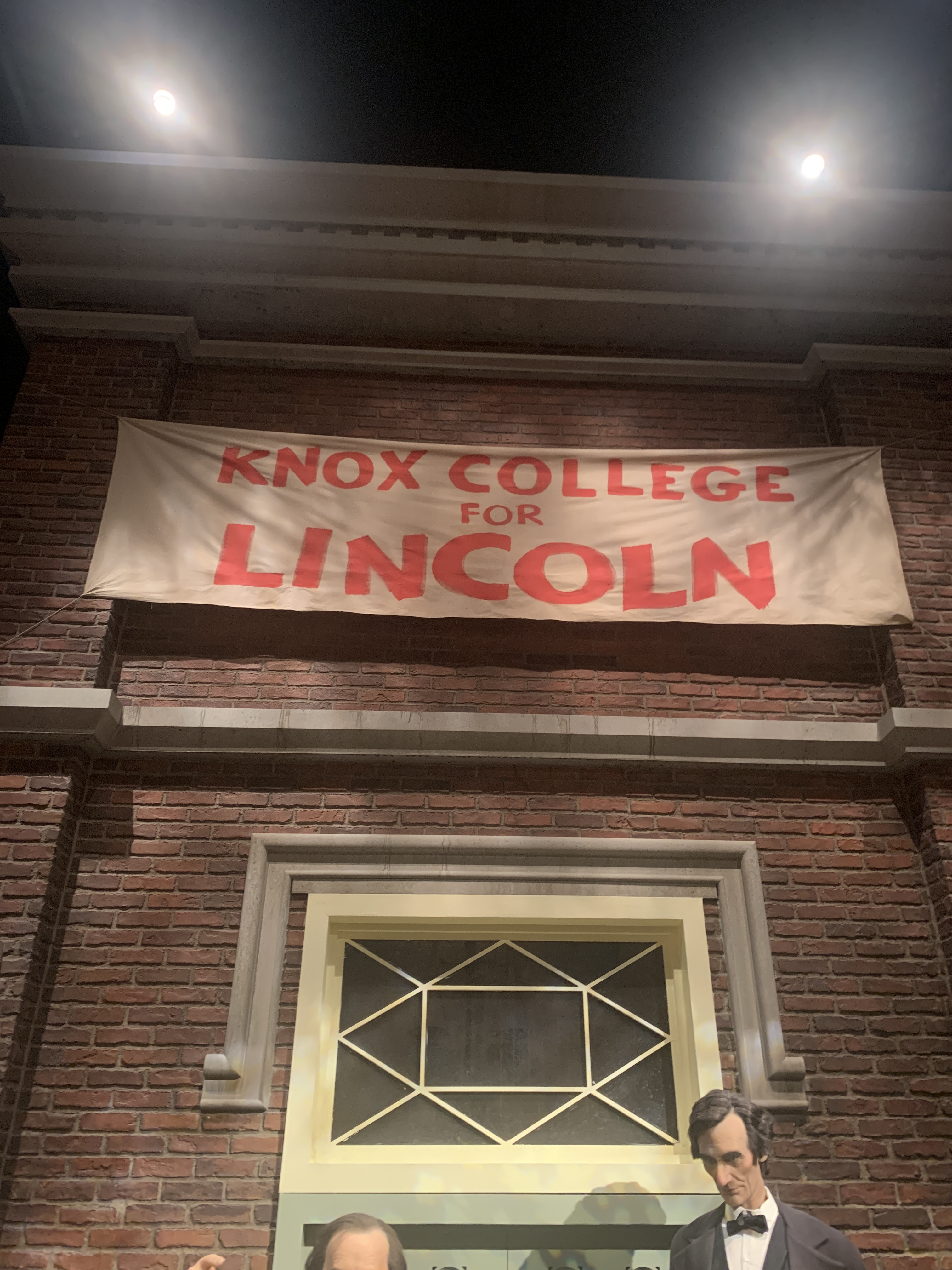
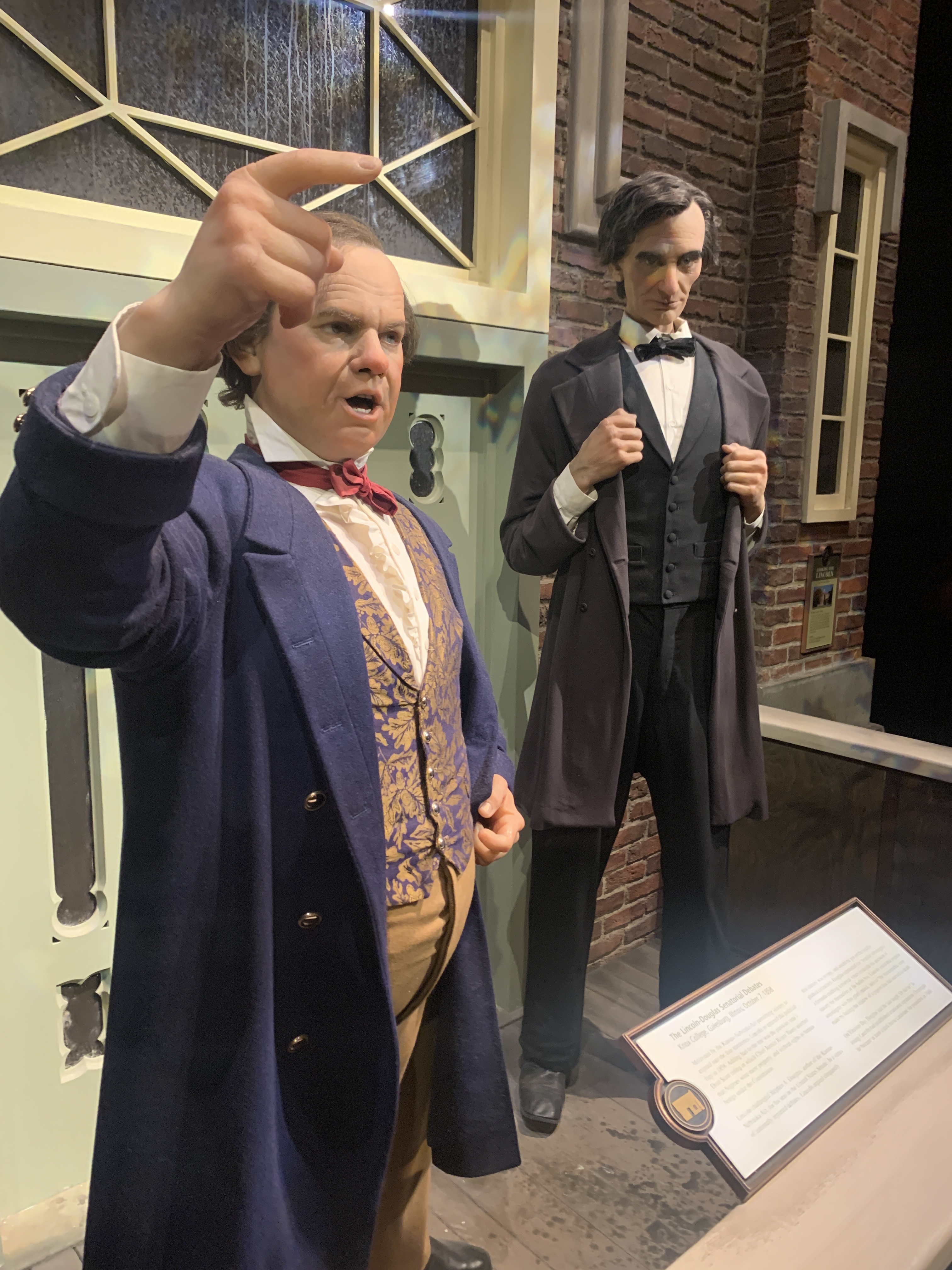
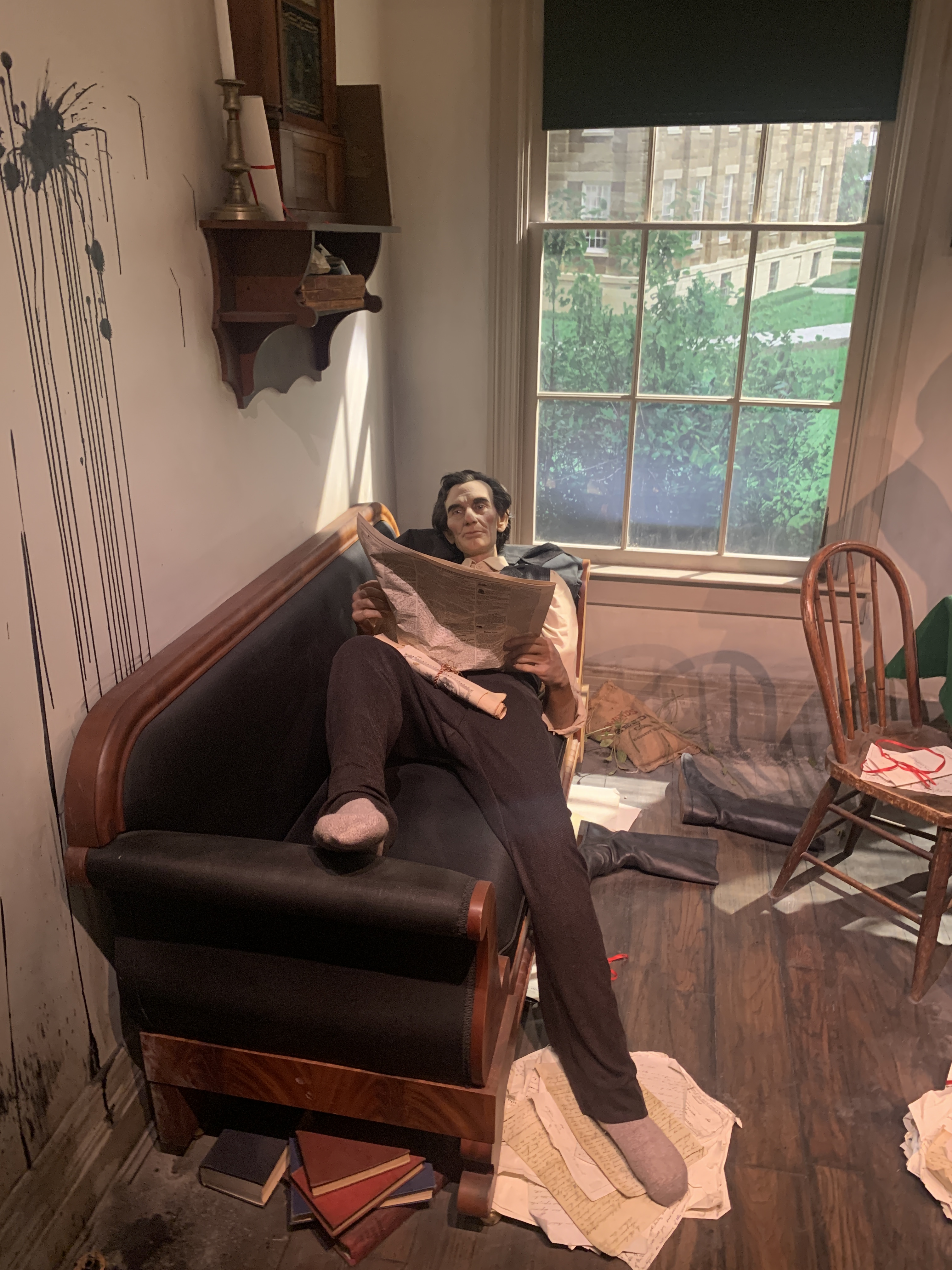
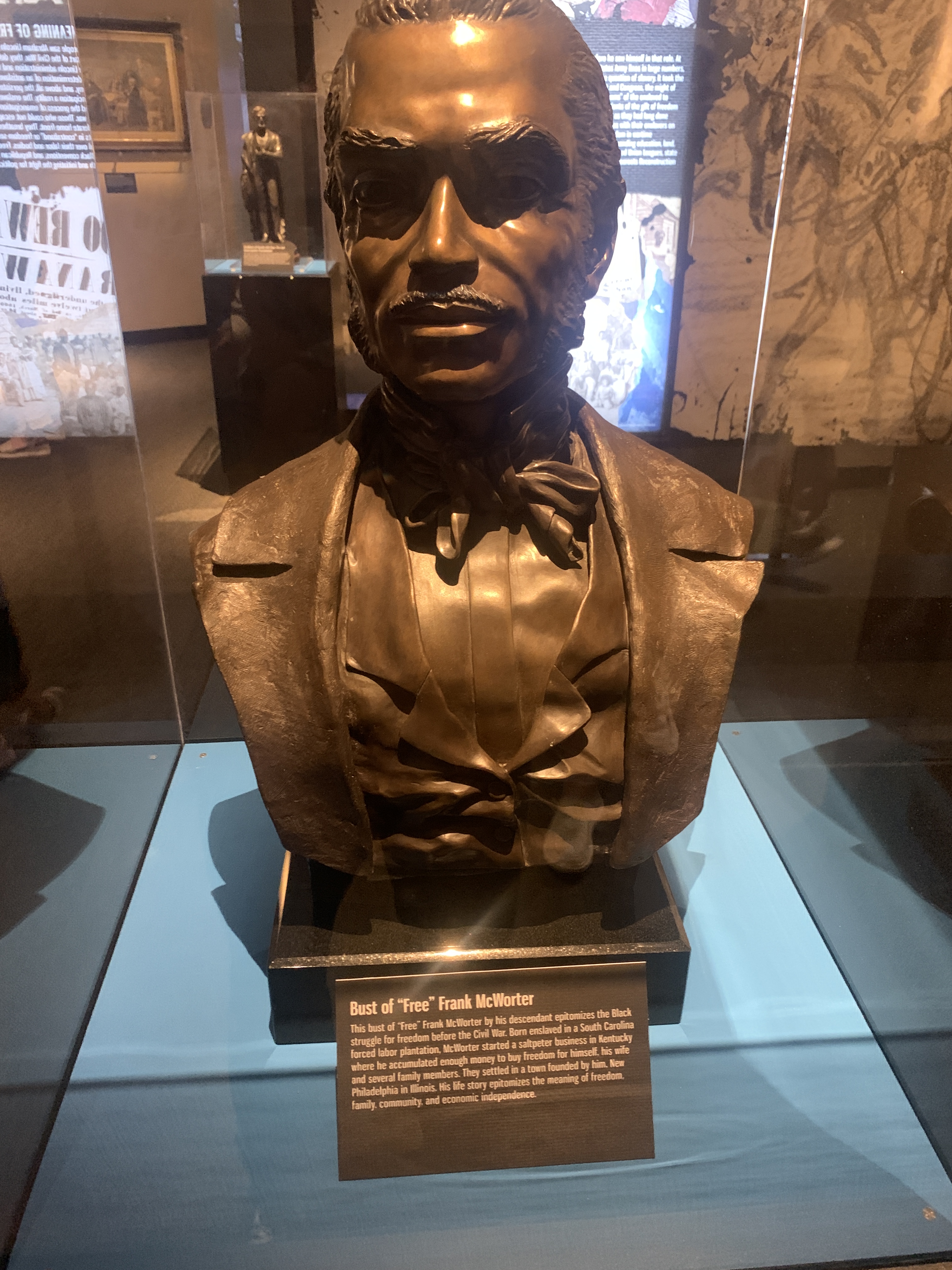
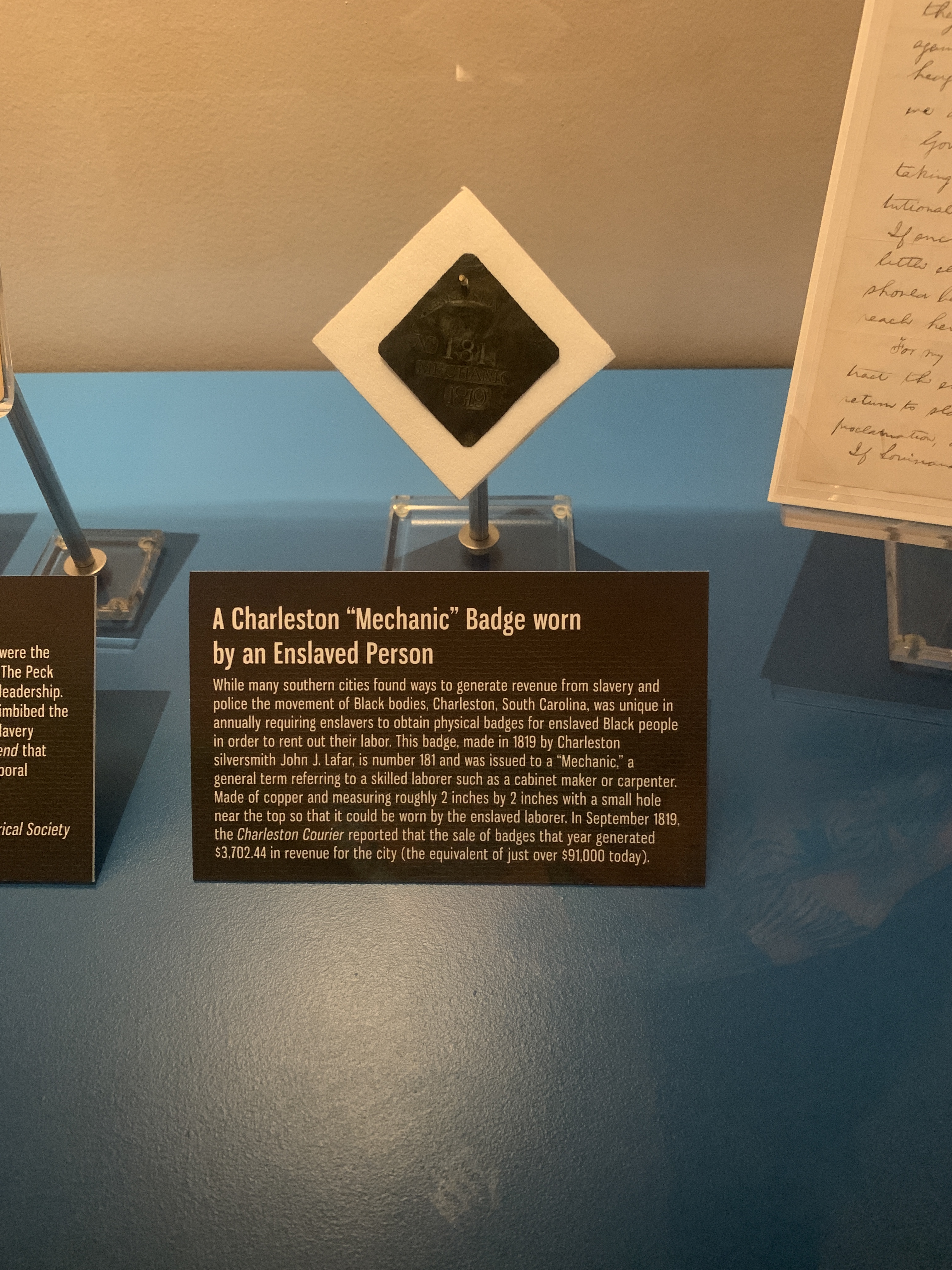
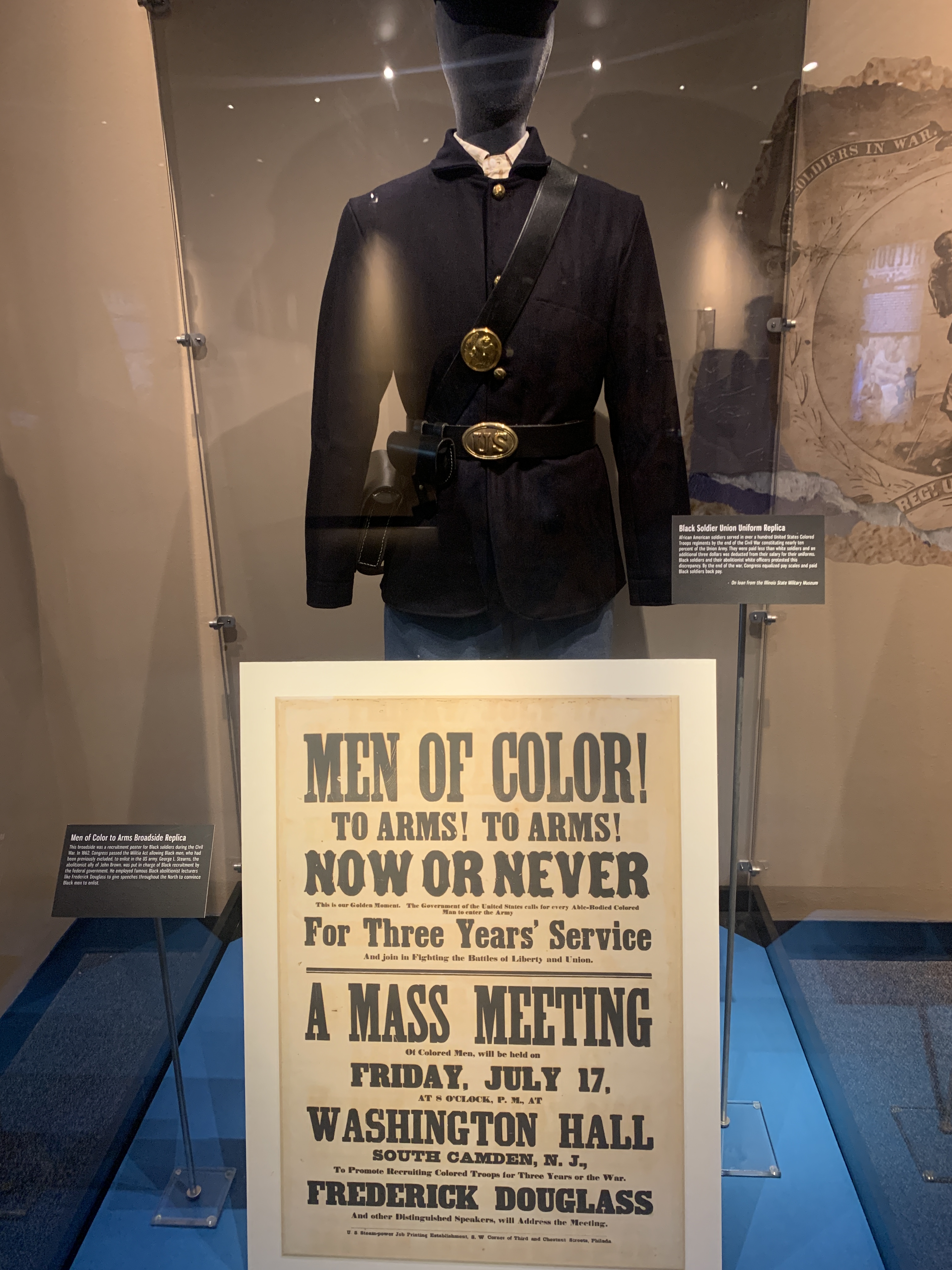
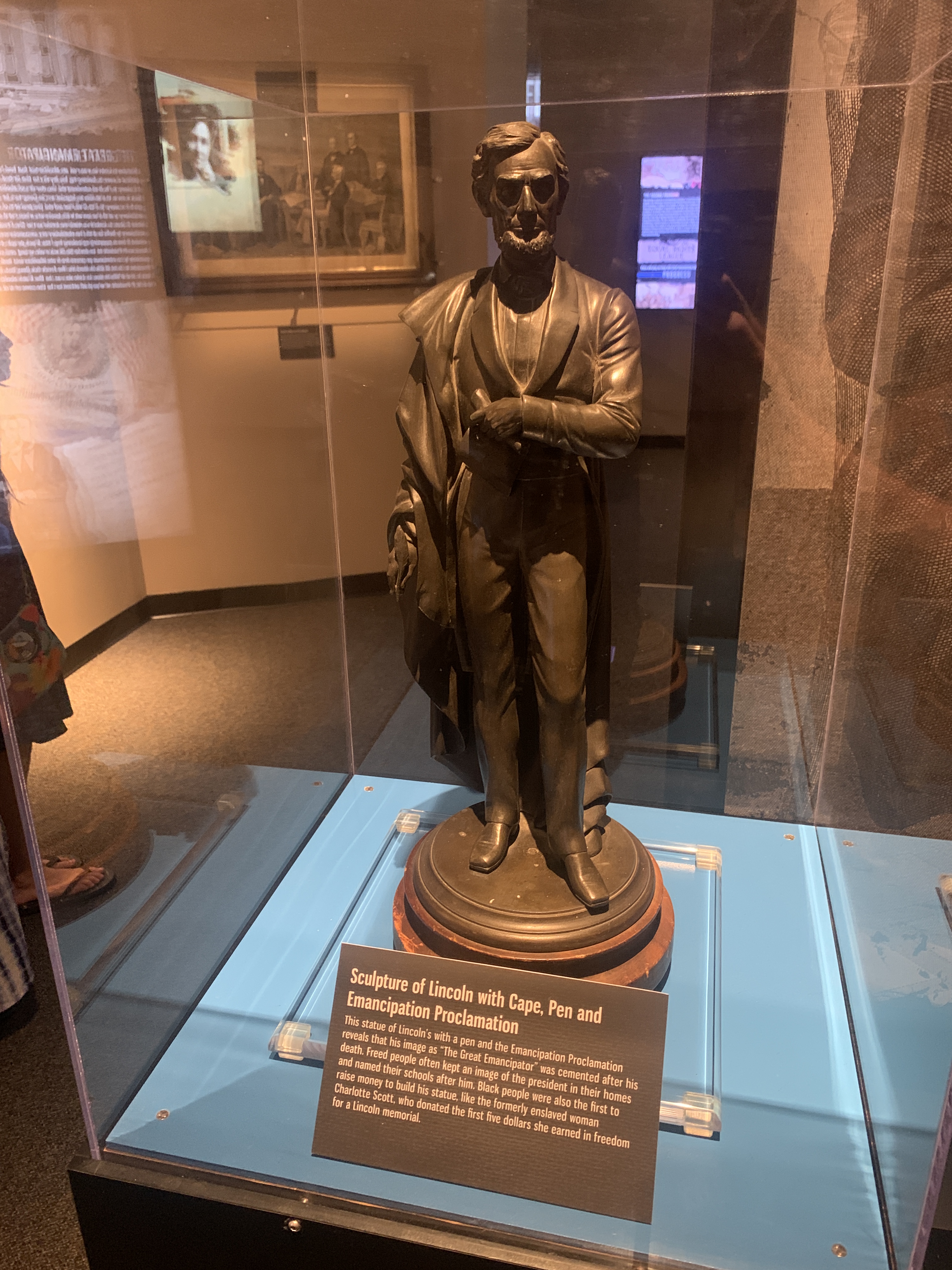
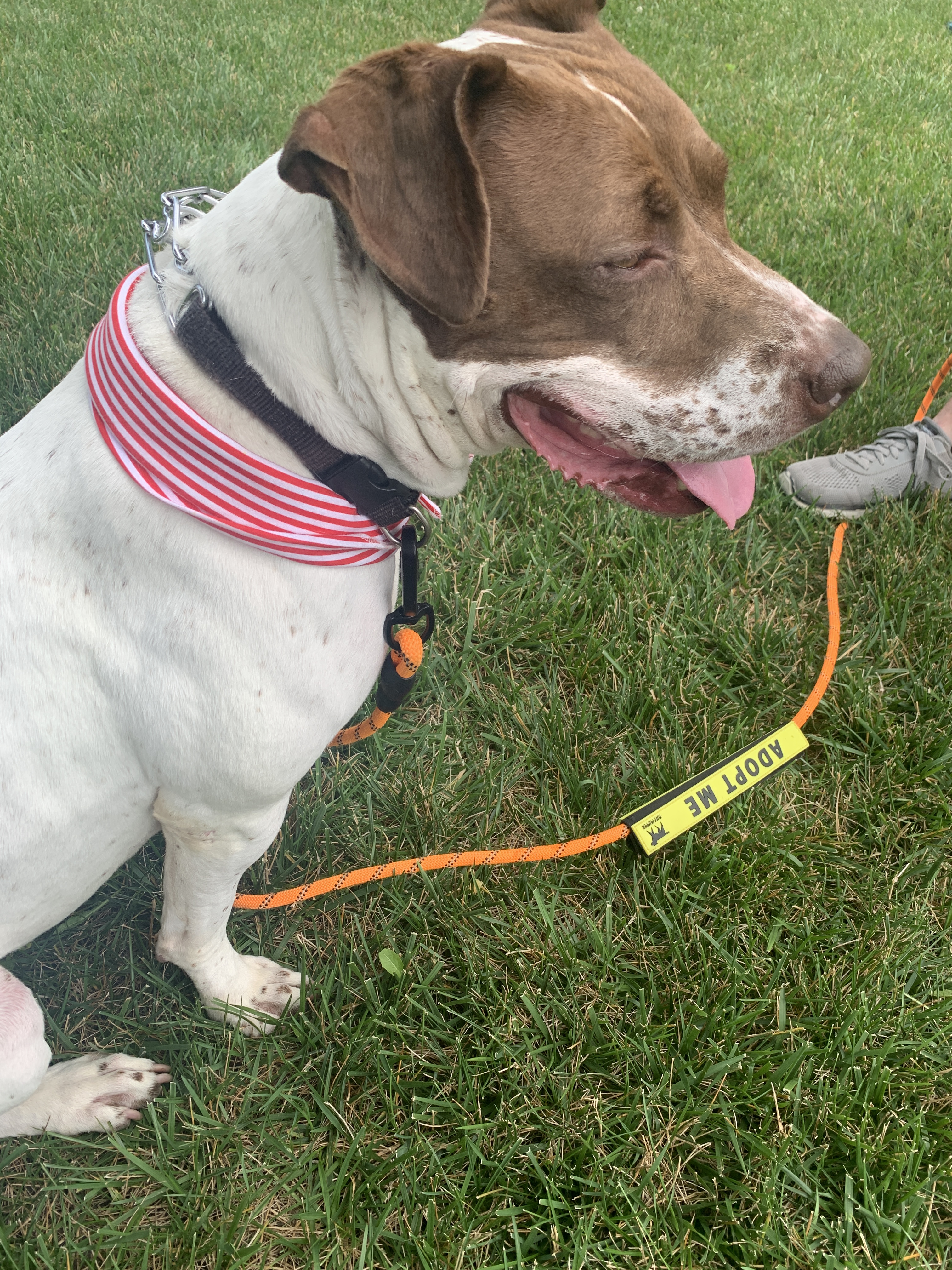
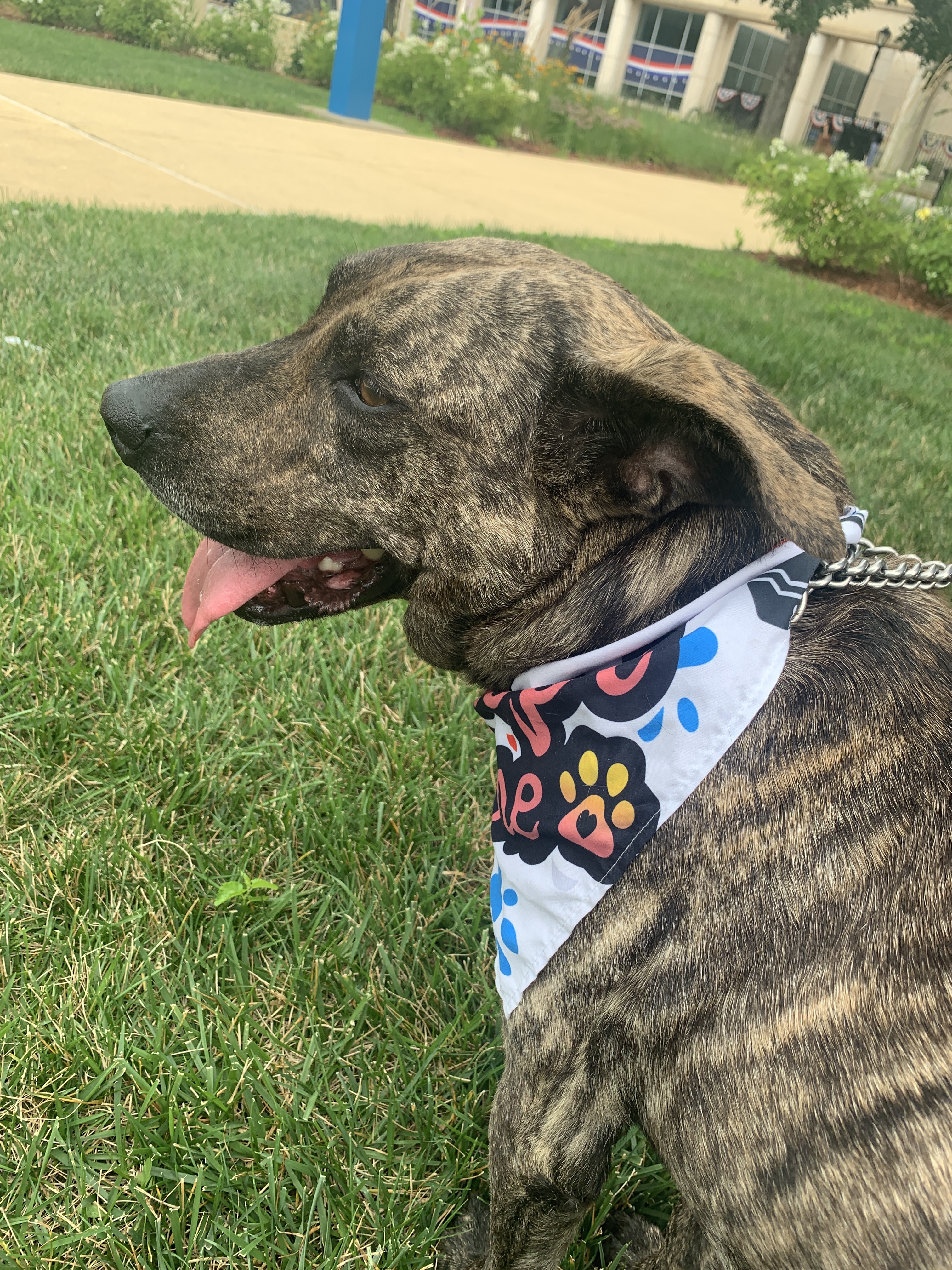
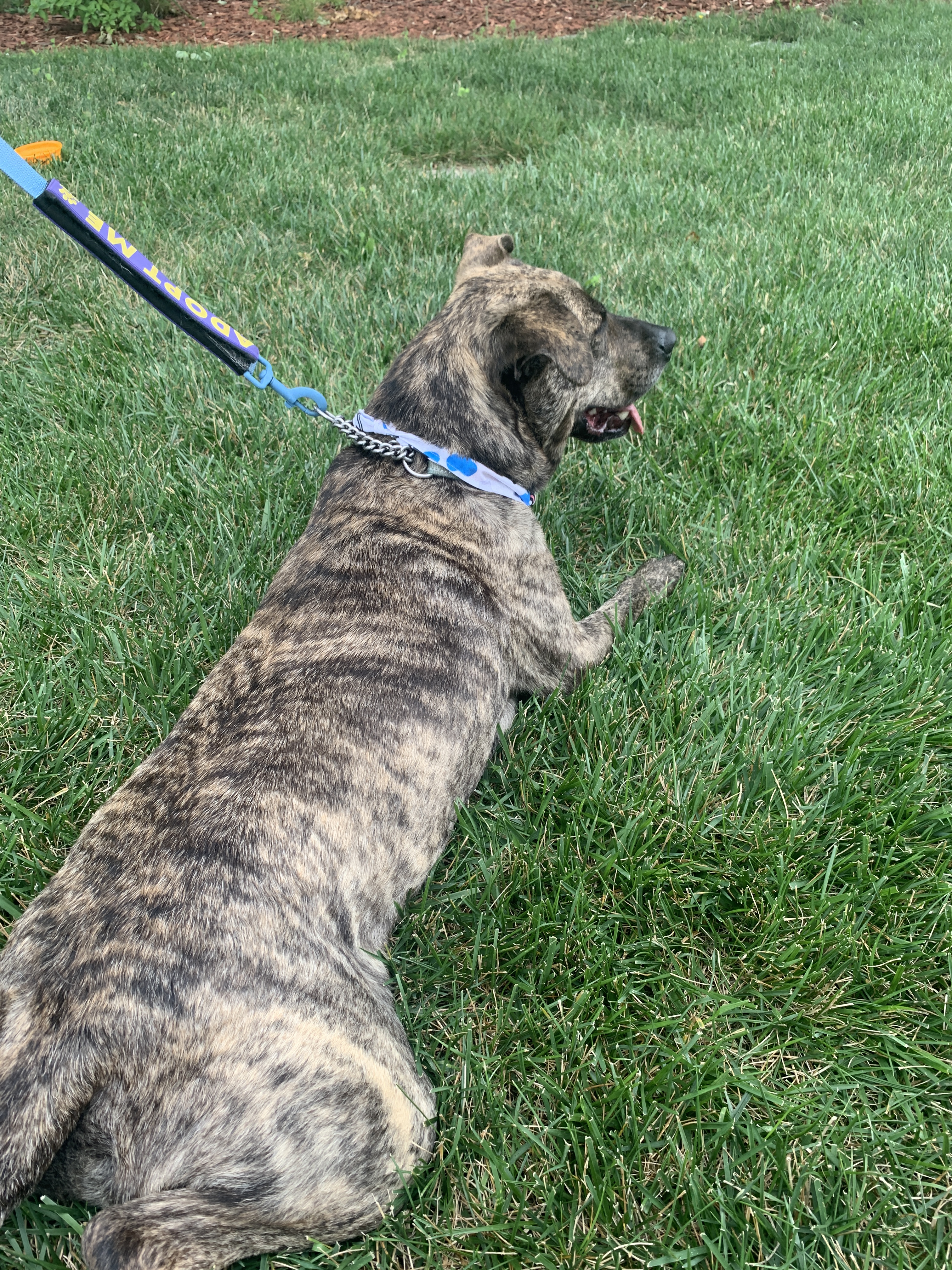
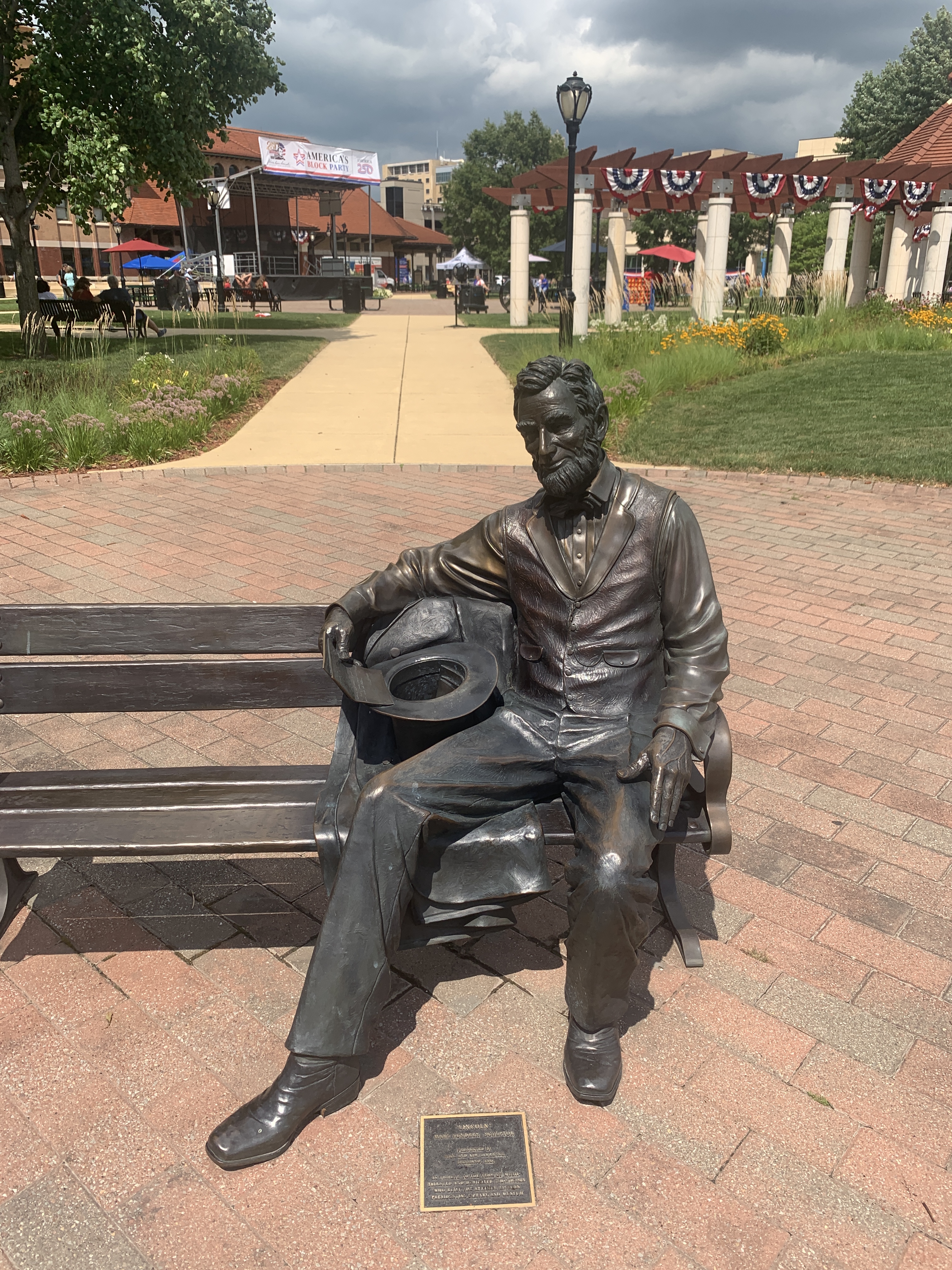
The Block Party celebrating America’s 250th started shortly after I was done touring the Museum, and included a kid and pet parade (I enjoyed seeing the dogs!), food trucks, and Chicago’s symphonic brass ensemble and a re-created Civil War band with old time attire and everything. I was also surprised they had a smoothie food truck there, as that seems hard to do outside, but Smart Nature was up to the task. In fact, they had just come from a farmers market. Their lemon basil smoothie and peach smoothie — I indulged by trying both! — were divine. On a hot day, they hit the spot. And were simple: lemon, basil, Agave, and plentiful ice for the former, and fresh peaches, Agave, and plentiful ice for the latter. Then I ruined the healthiness by getting a mound of mac ‘n’ cheese at Bell’s Finest BBQ. You just can’t mess up mac ‘n’ cheese. So good.
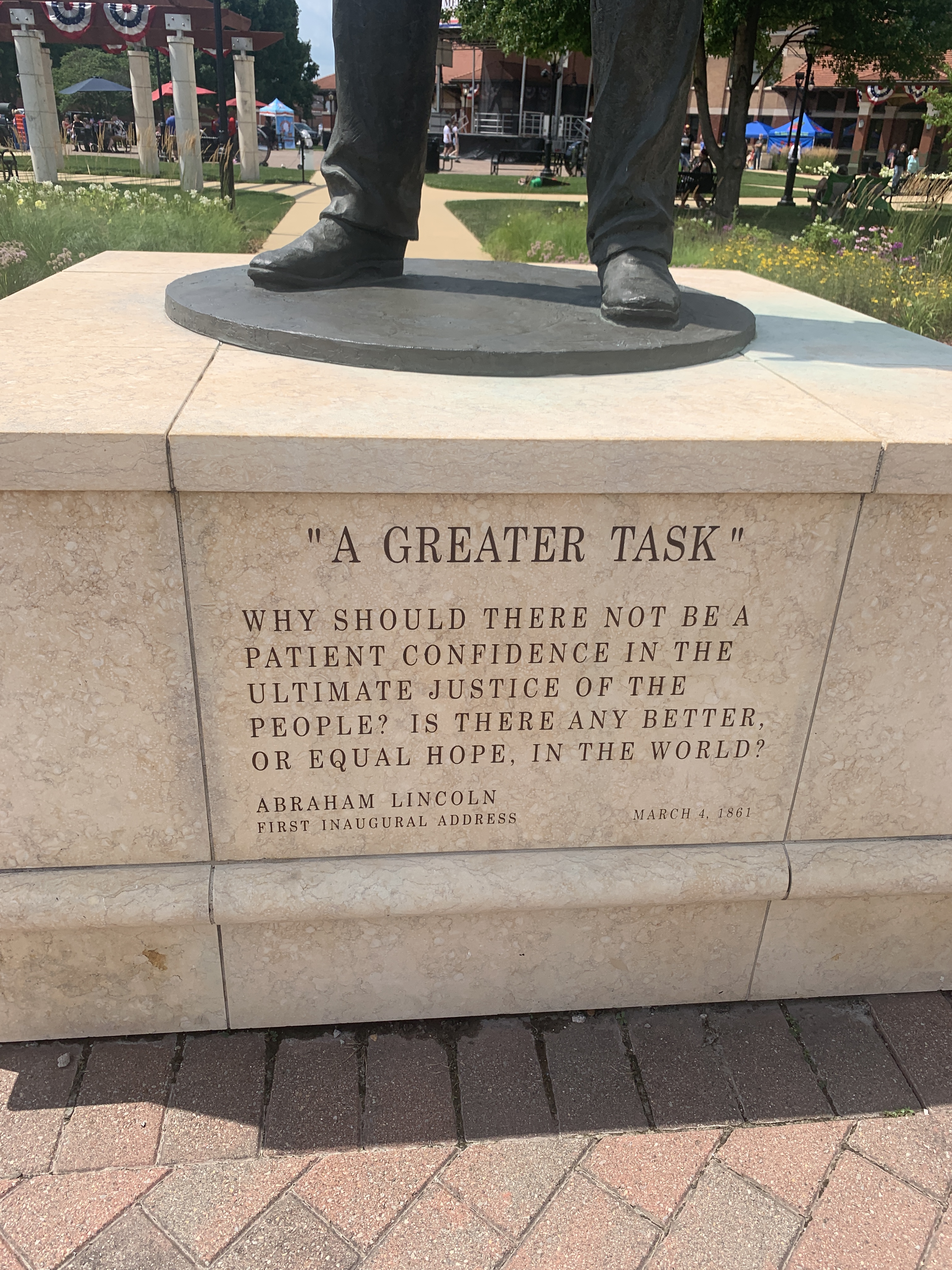
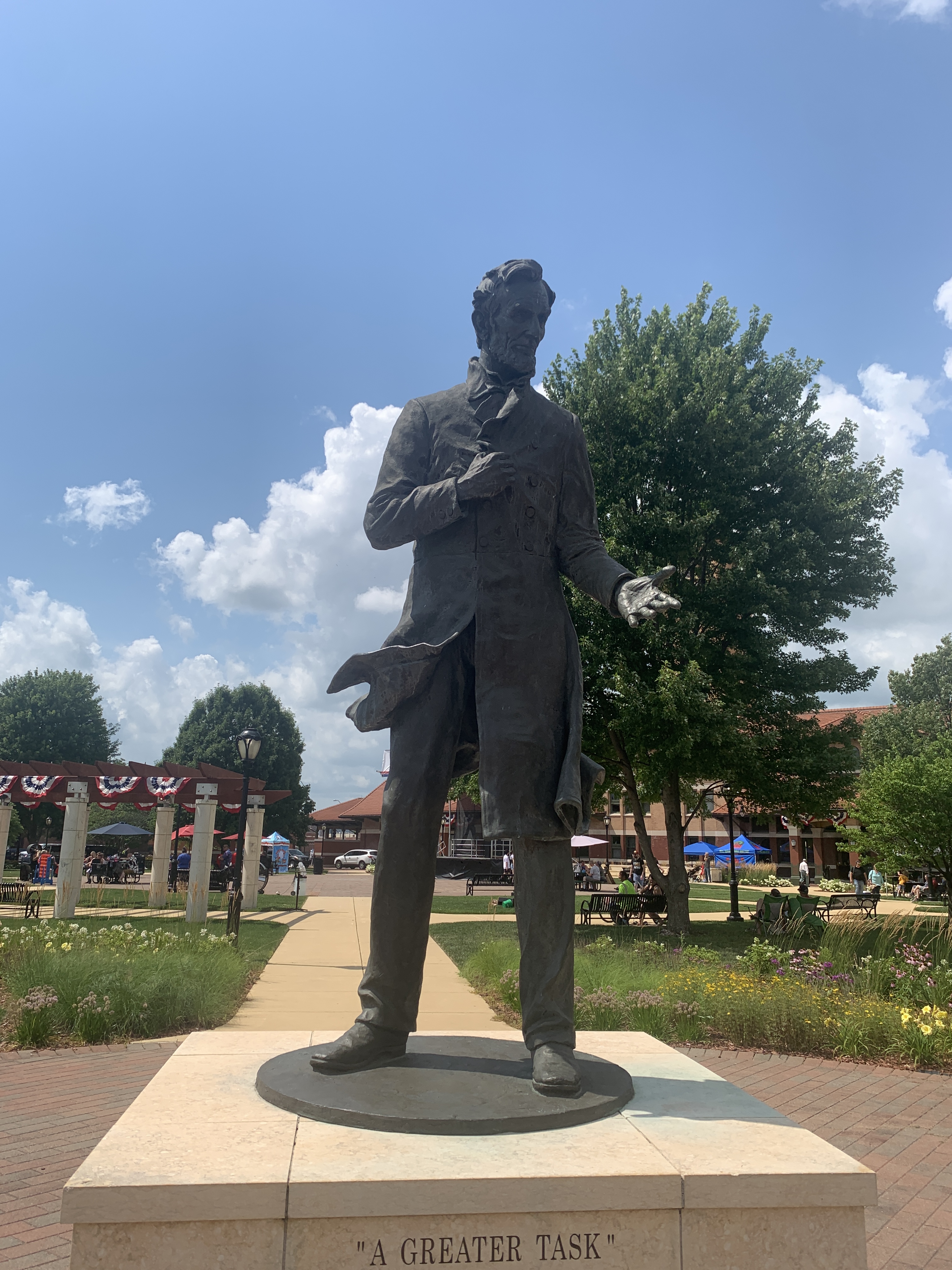
And that was my time in Springfield, Illinois (and technically, Petersburg, Illinois). I highly, highly recommend taking a weekend to do a similar trip. I stayed at the Best Western on Clearlake Avenue, which was only 2.5 miles or so from downtown Springfield. Also, conveniently located next to Walgreens and two gas stations. Your mileage may vary on hotel tastes, but for me, $189 to stay two nights in Springfield was great compared to the costs for your more well-known hotels closer to downtown. Best Western was clean and fine. Plus, add in the fun food options I had — trying the horseshoe and the 16-inch pancake — and Springfield has a lot to offer. Indeed, one of the food places on my list was Cozy Dog Drive In, which boasts of creating the corndog. I didn’t get a chance to try it, nor would I since I’m pescetarian, but if that appeals to you, too, then there ya go!

 Milam's Musings
Way cool! 😎 Love and Light God Bless ❤️✨🙏💯📚👀
LikeLike