
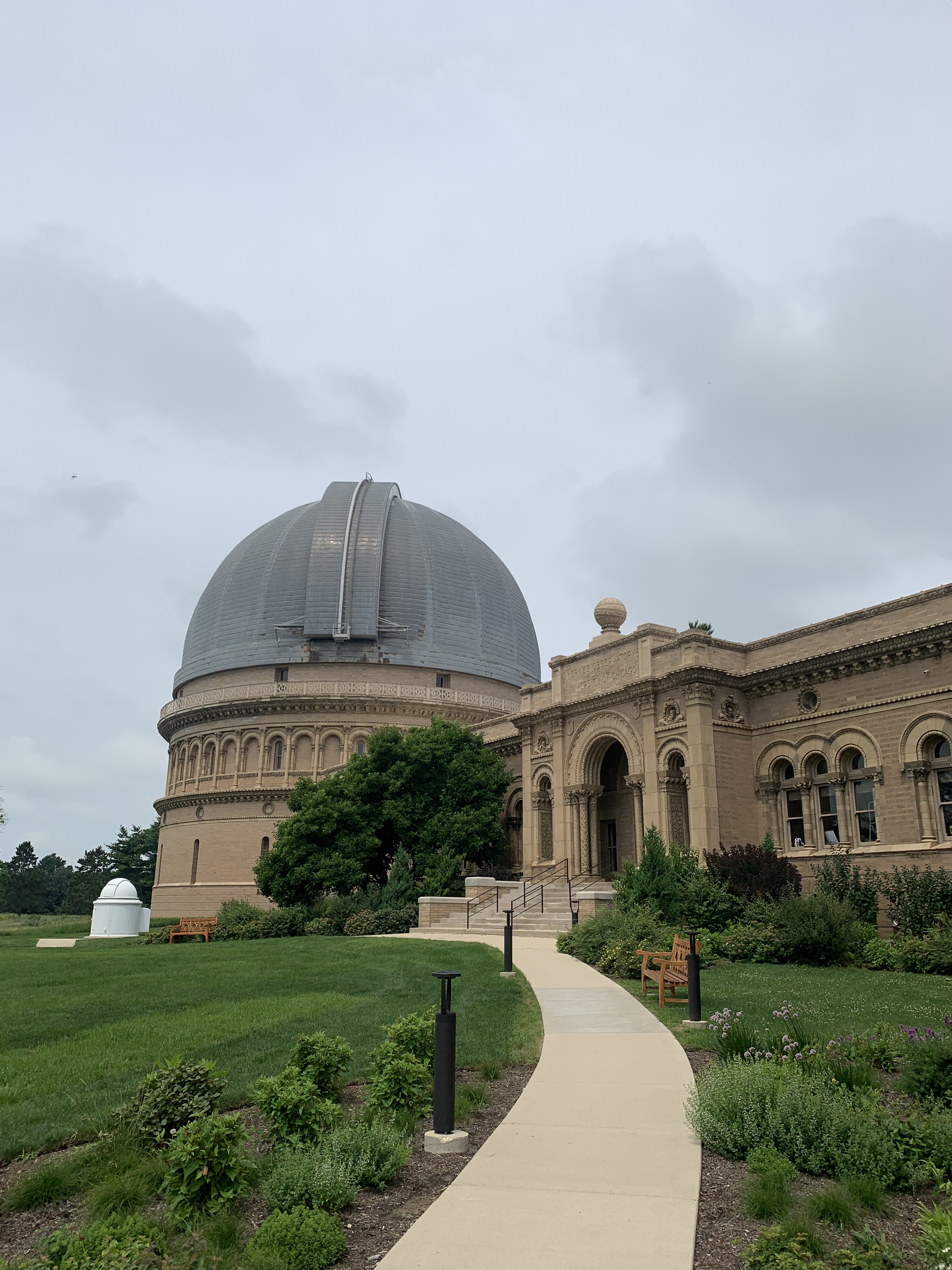
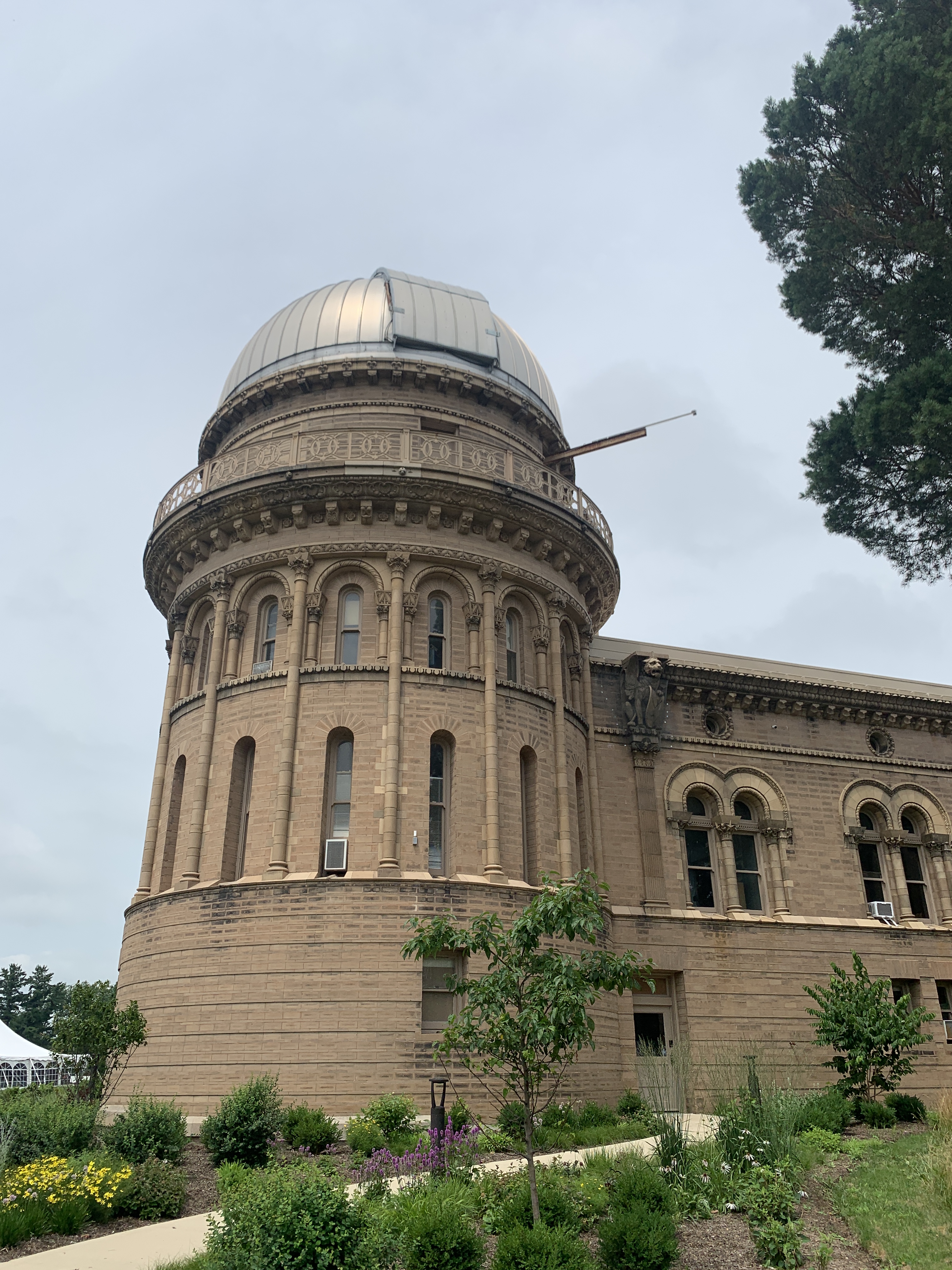
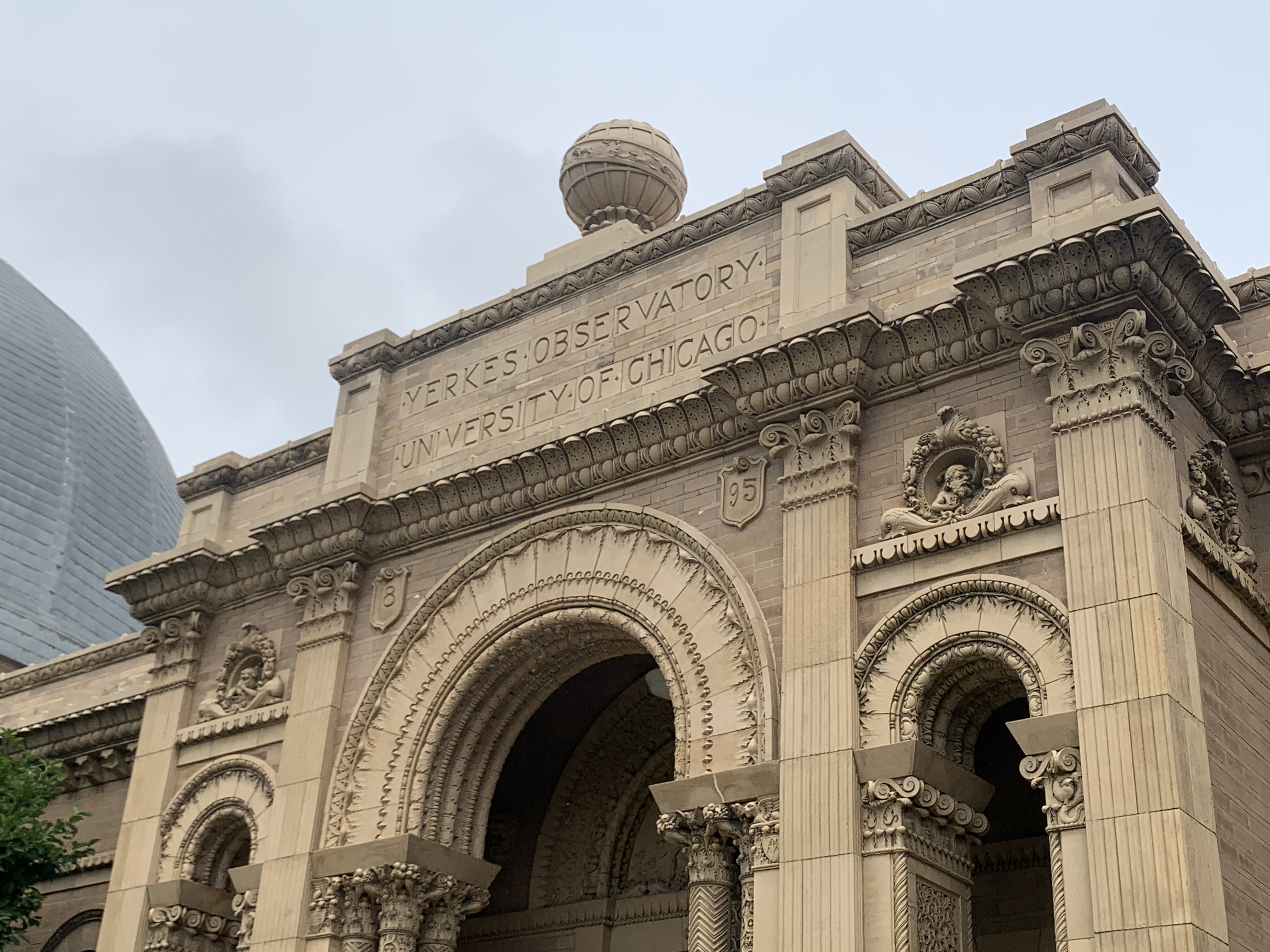
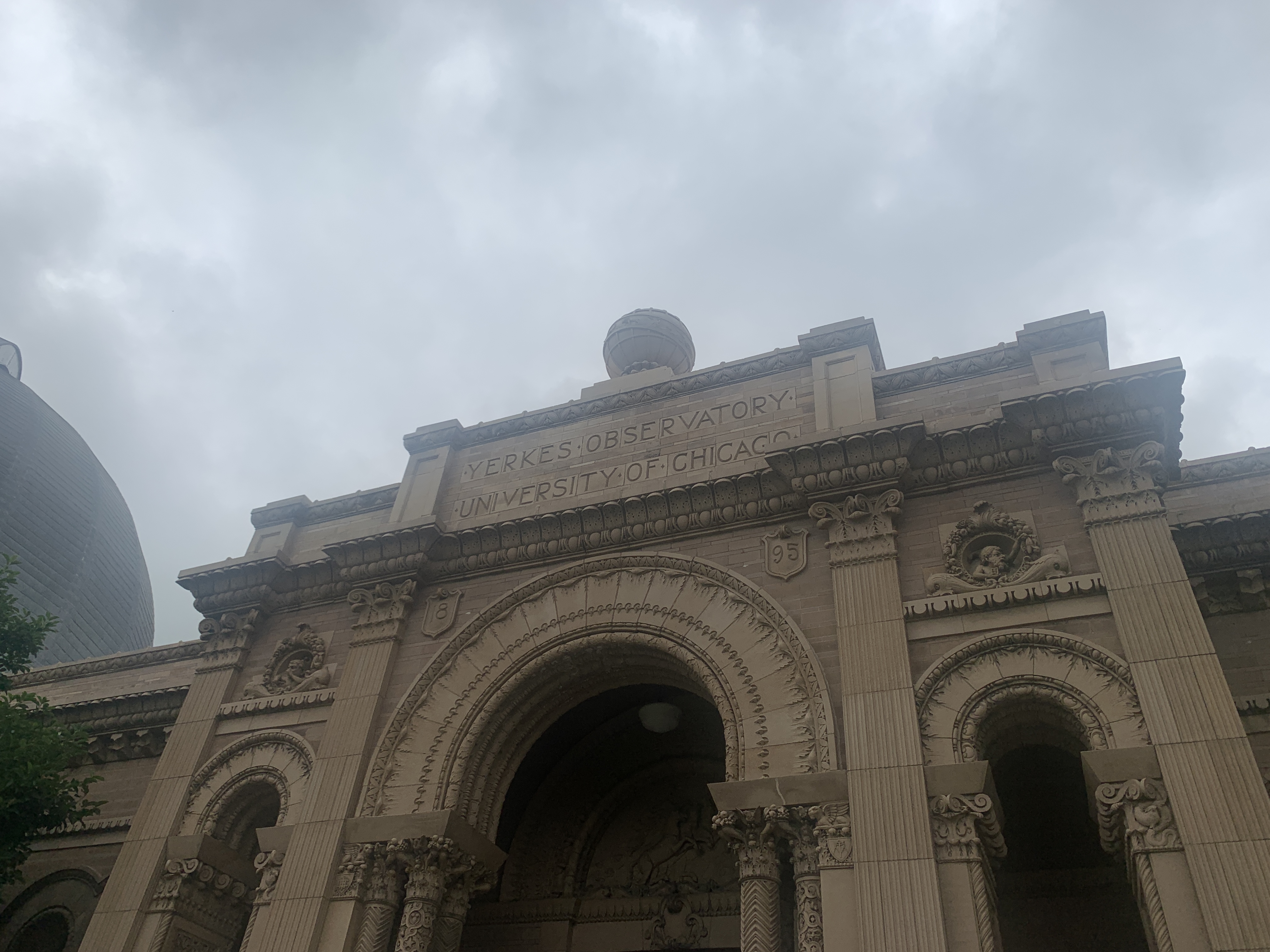
The reason I had to limit my time at the lovely Anderson Japanese Gardens in Rockford, Illinois, is that I was headed just under an hour away to Williams Bay, Wisconsin — about 20 minutes outside of Lake Geneva, my ultimate destination — to visit the famous Yerkes Observatory, unassumingly nestled in a little neighborhood.
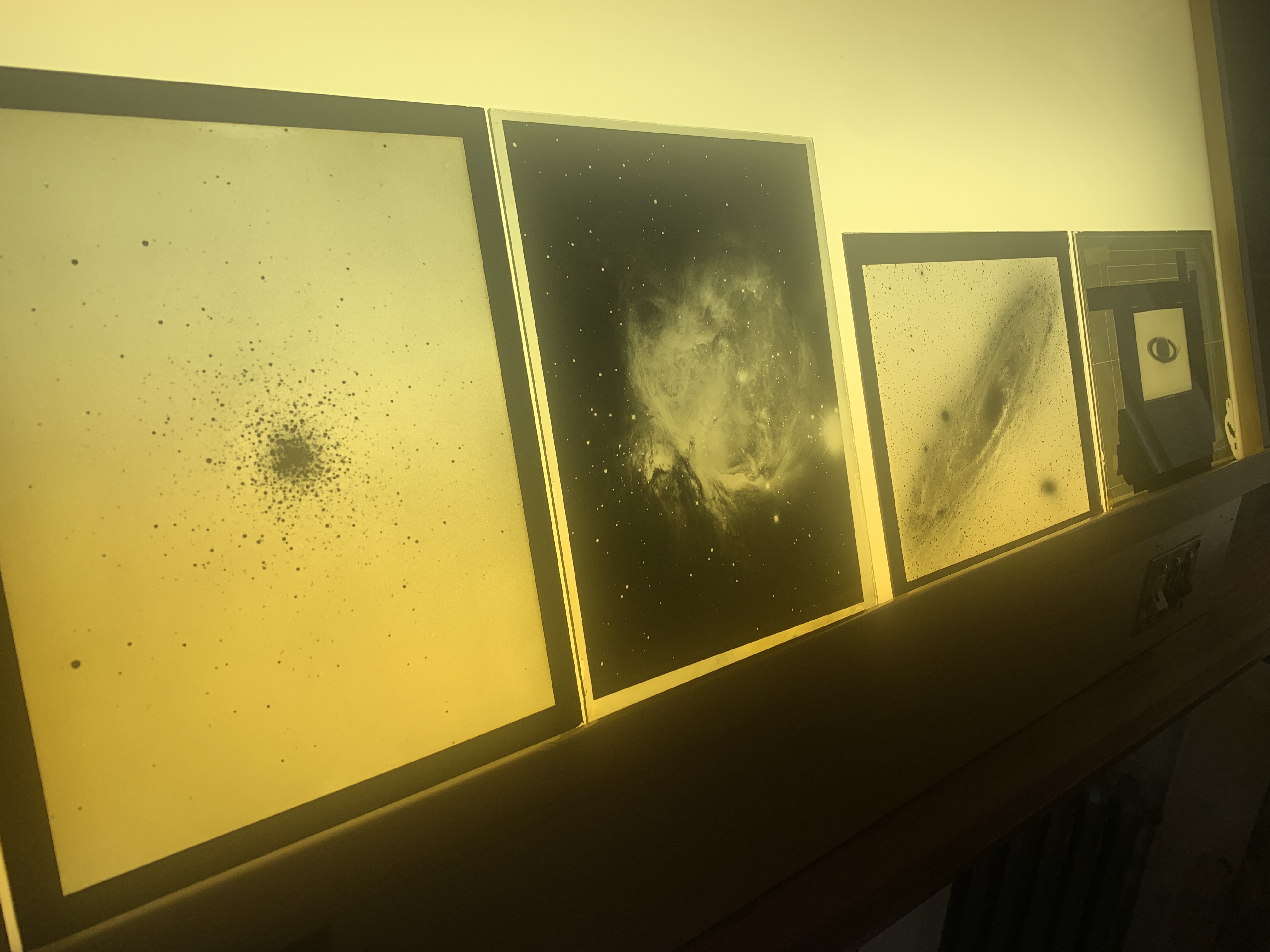
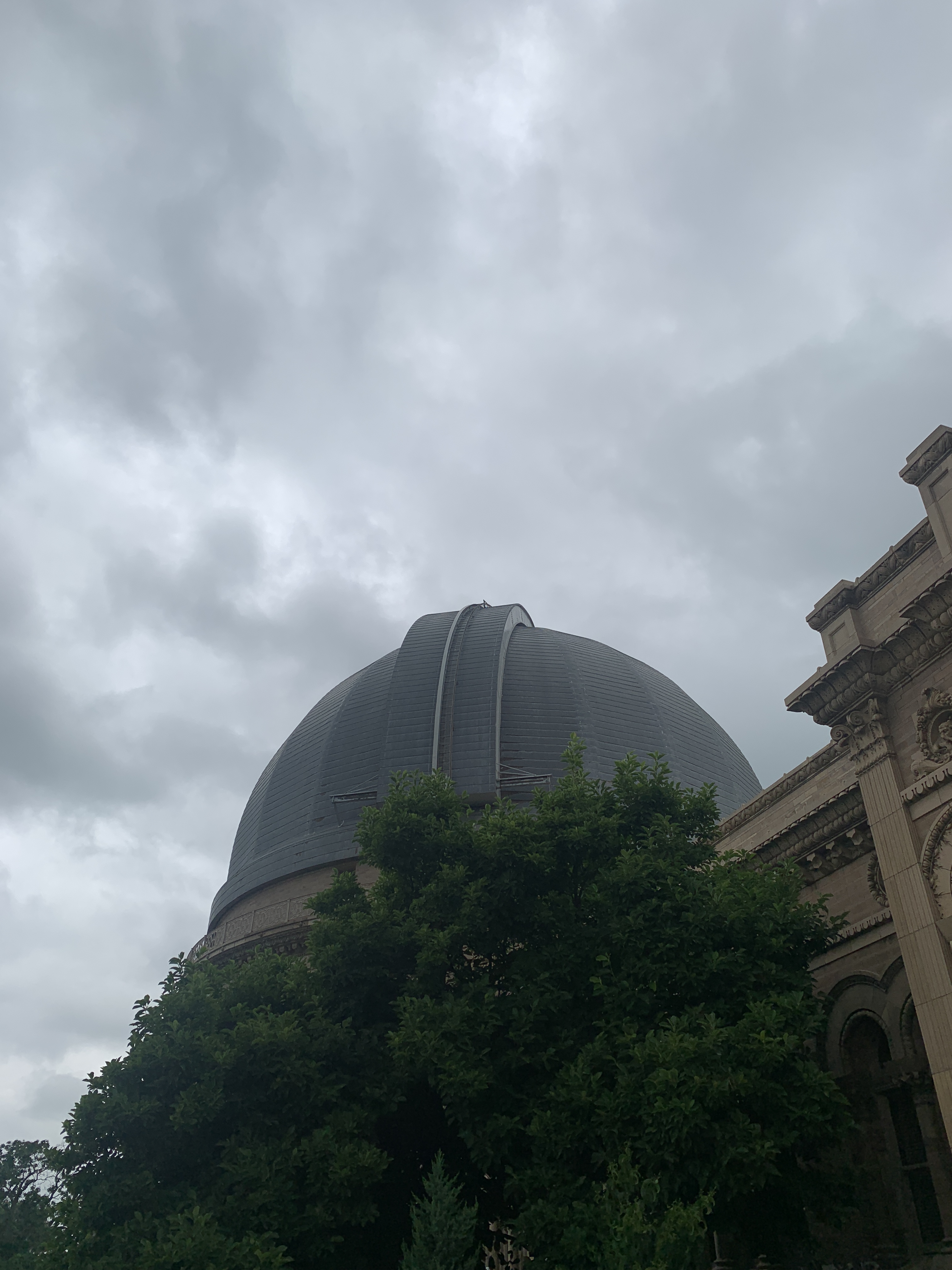
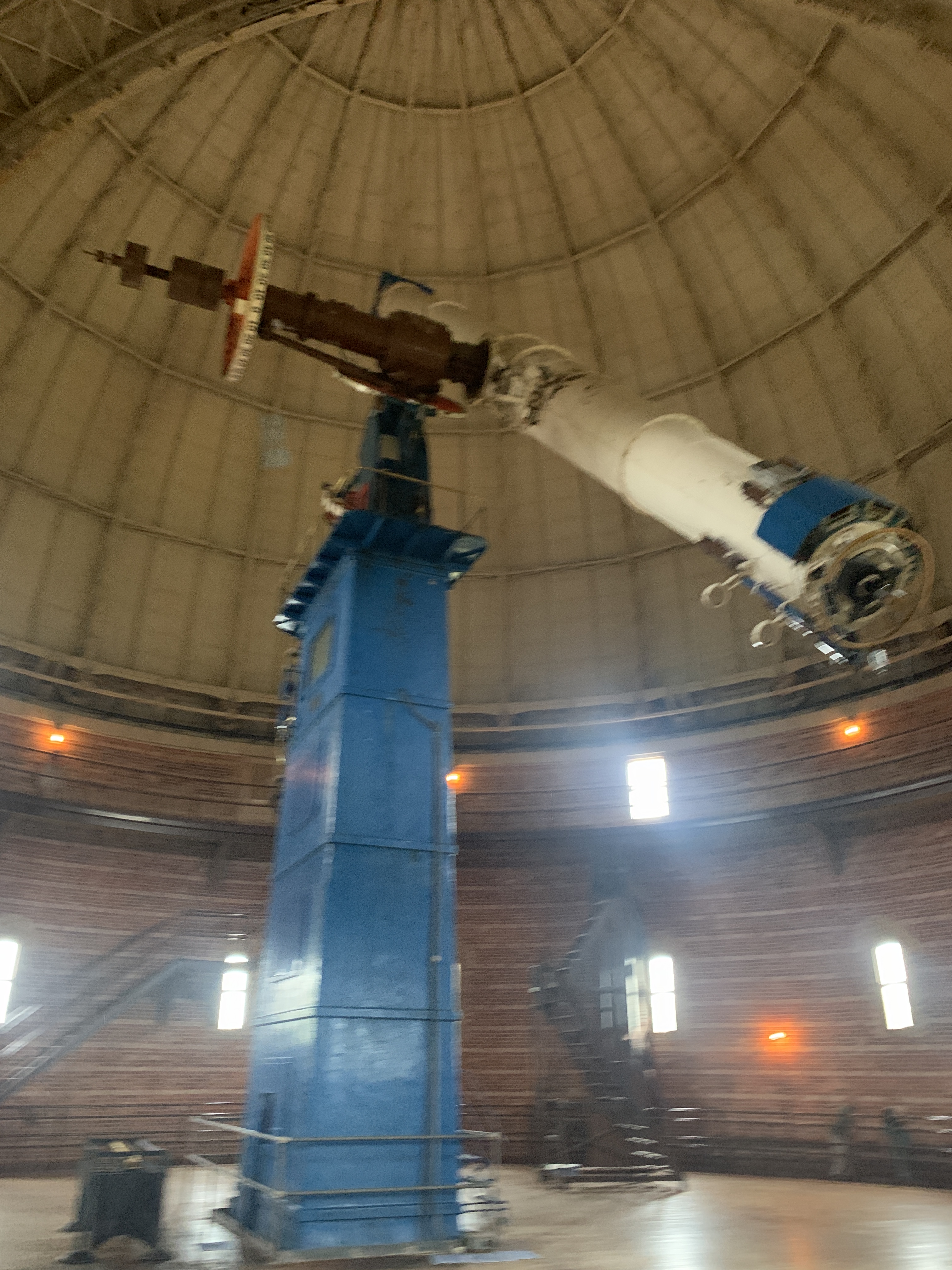
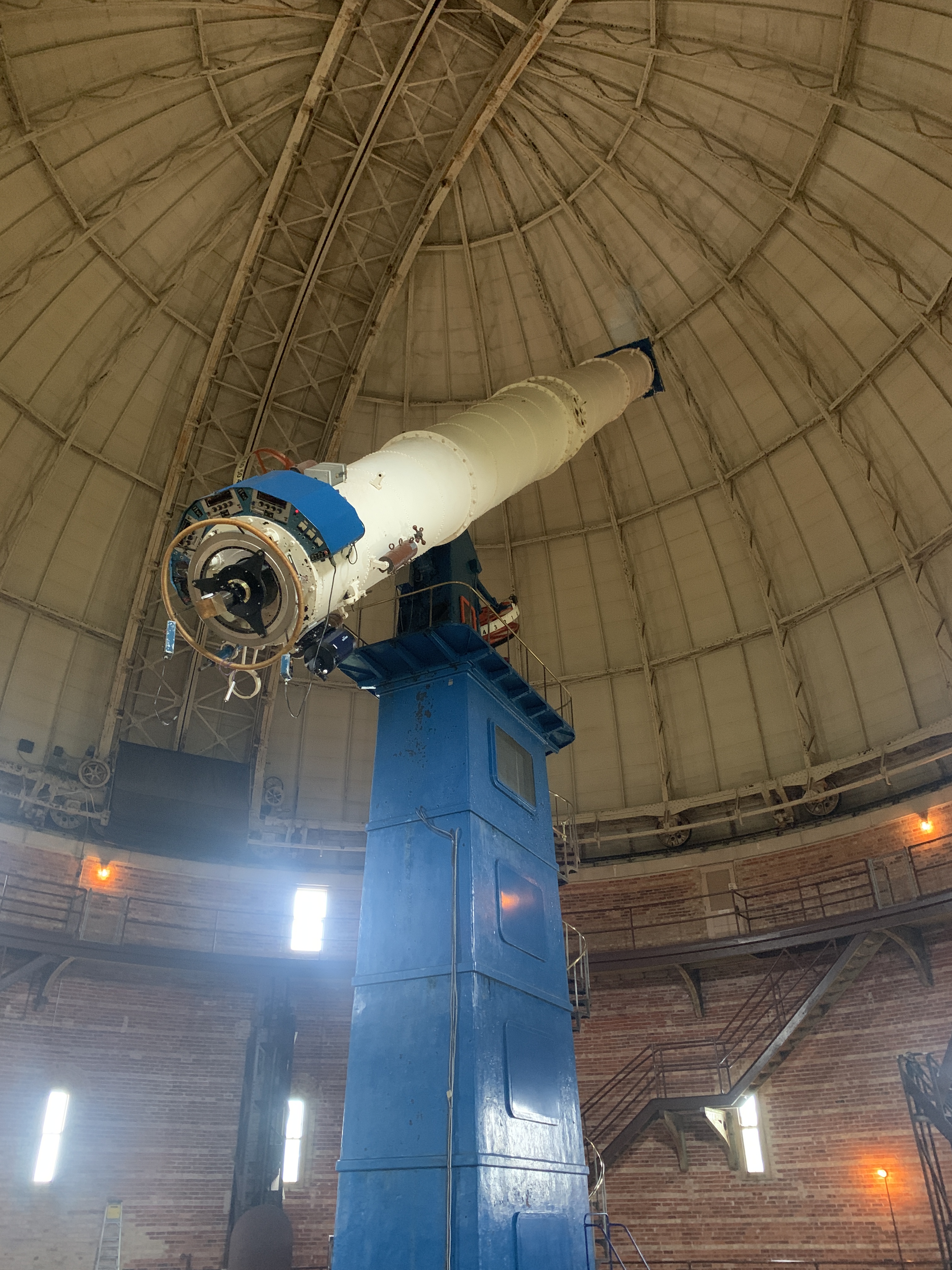
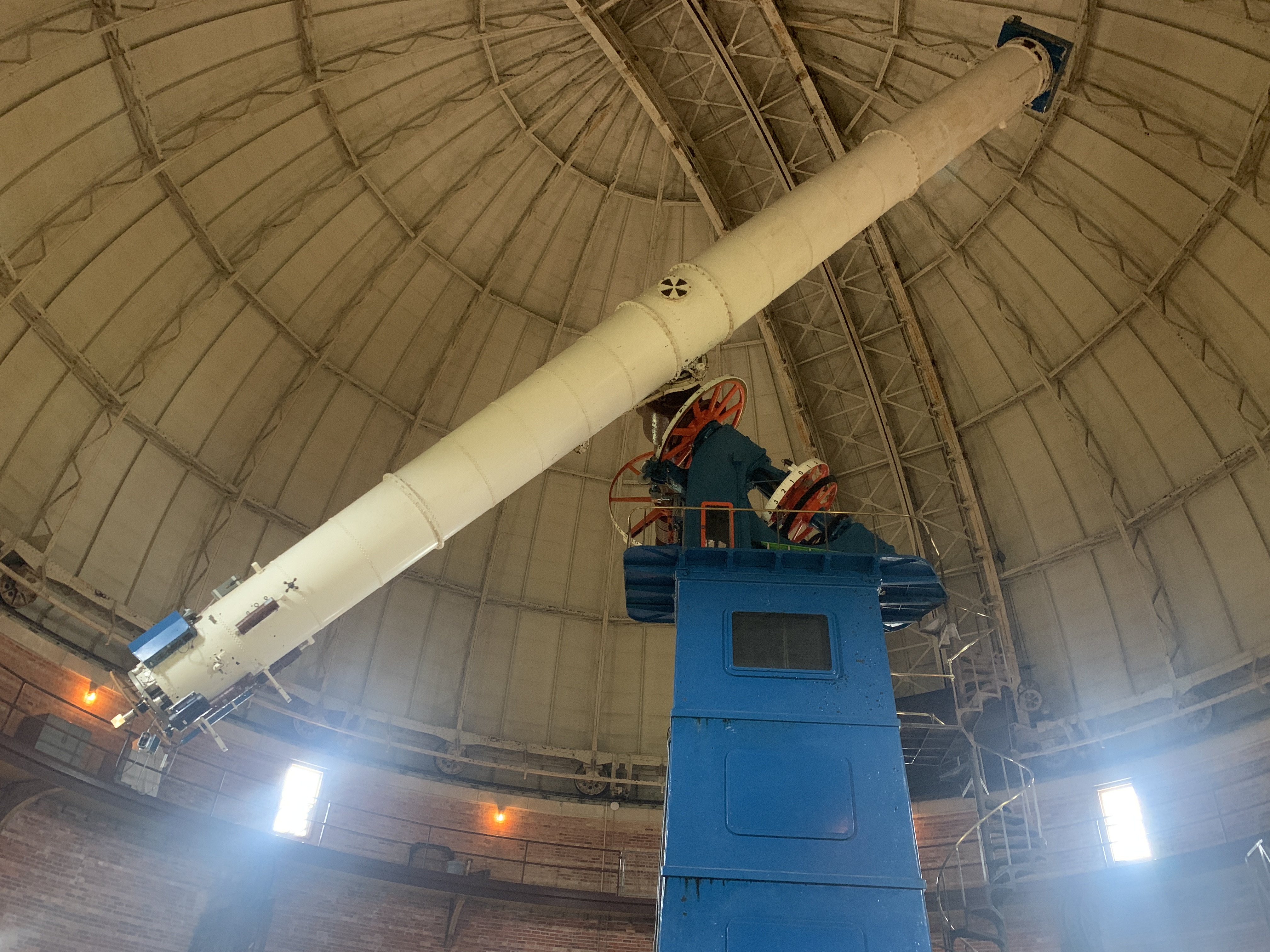
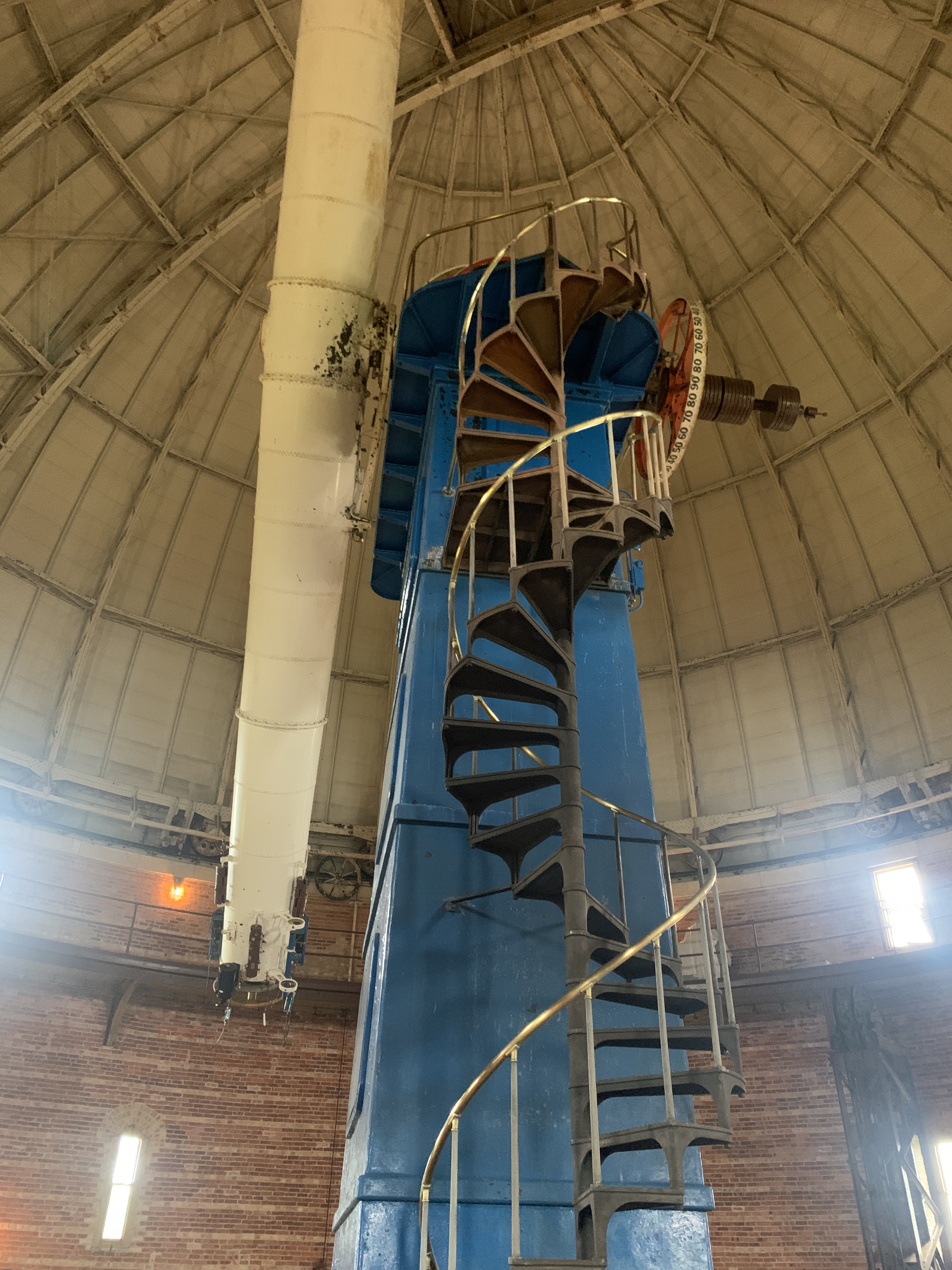
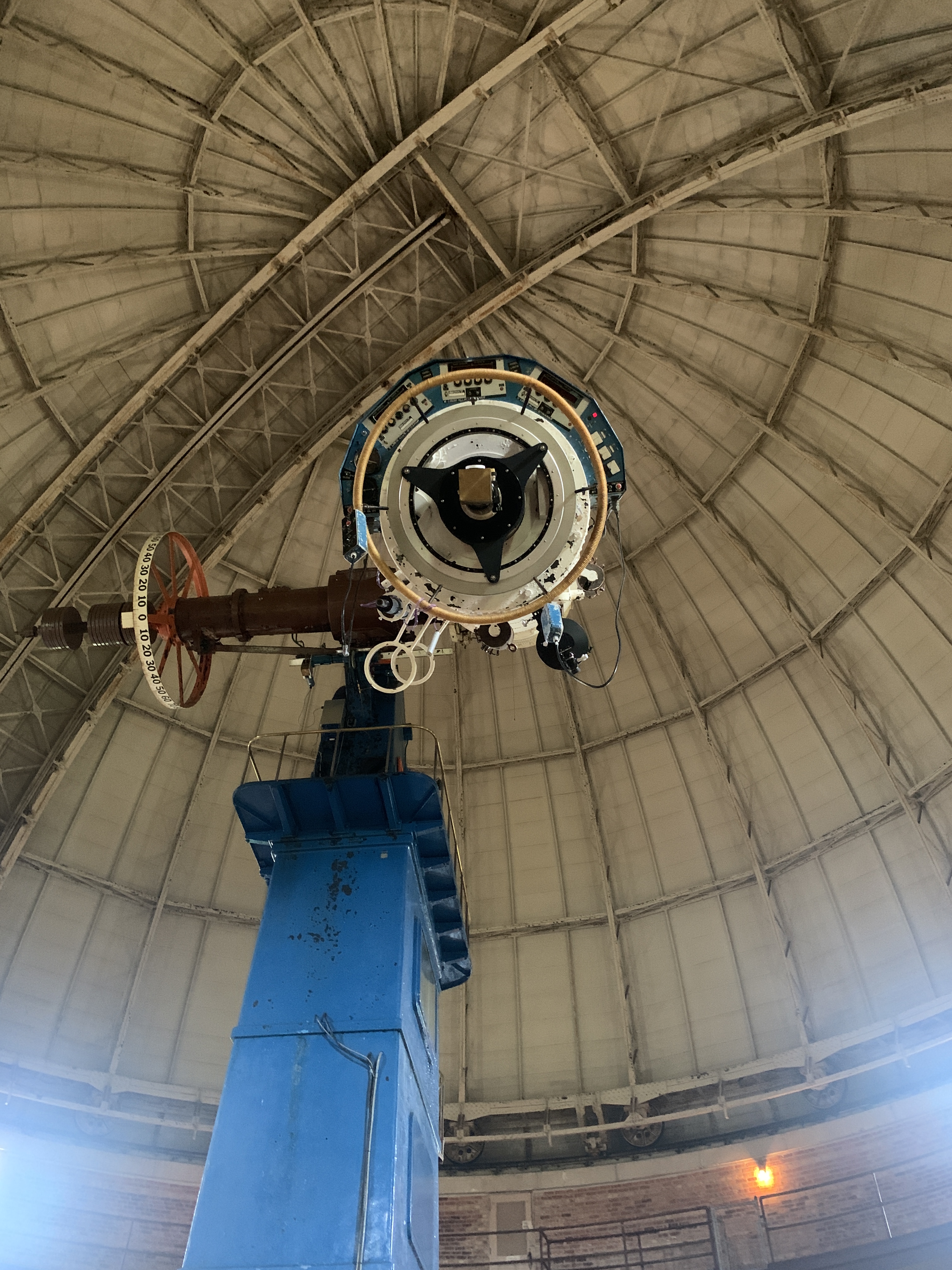
The Yerkes Observatory, at least from an outsider’s perspective, has two obvious appeals. The first is that at the time of its dedication in 1897, it boasted the world’s largest refracting telescope. The telescope is 64 feet long, weighs six tons, and the lens is 40 inches in diameter. The base supporting it is secured 40 feet into the ground (this helps with balance!). Overall, the entire apparatus, including the telescope, weighs 82 tons, according to Yerkes. How the heck did they build this thing in the late 19th century?! Marvelous. Indeed, the telescope still is the biggest in the world, although using a refracting telescope has fallen out of favor (scientists prefer reflecting telescopes now). Science! Neat. Yerkes also has two smaller domes that house a 40-inch and 24-inch reflecting telescope, respectively. The second draw is that Albert Einstein visited Yerkes Observatory in 1921, one of two destinations he had in mind when visiting the United States for the first time (the other being Niagara Falls).
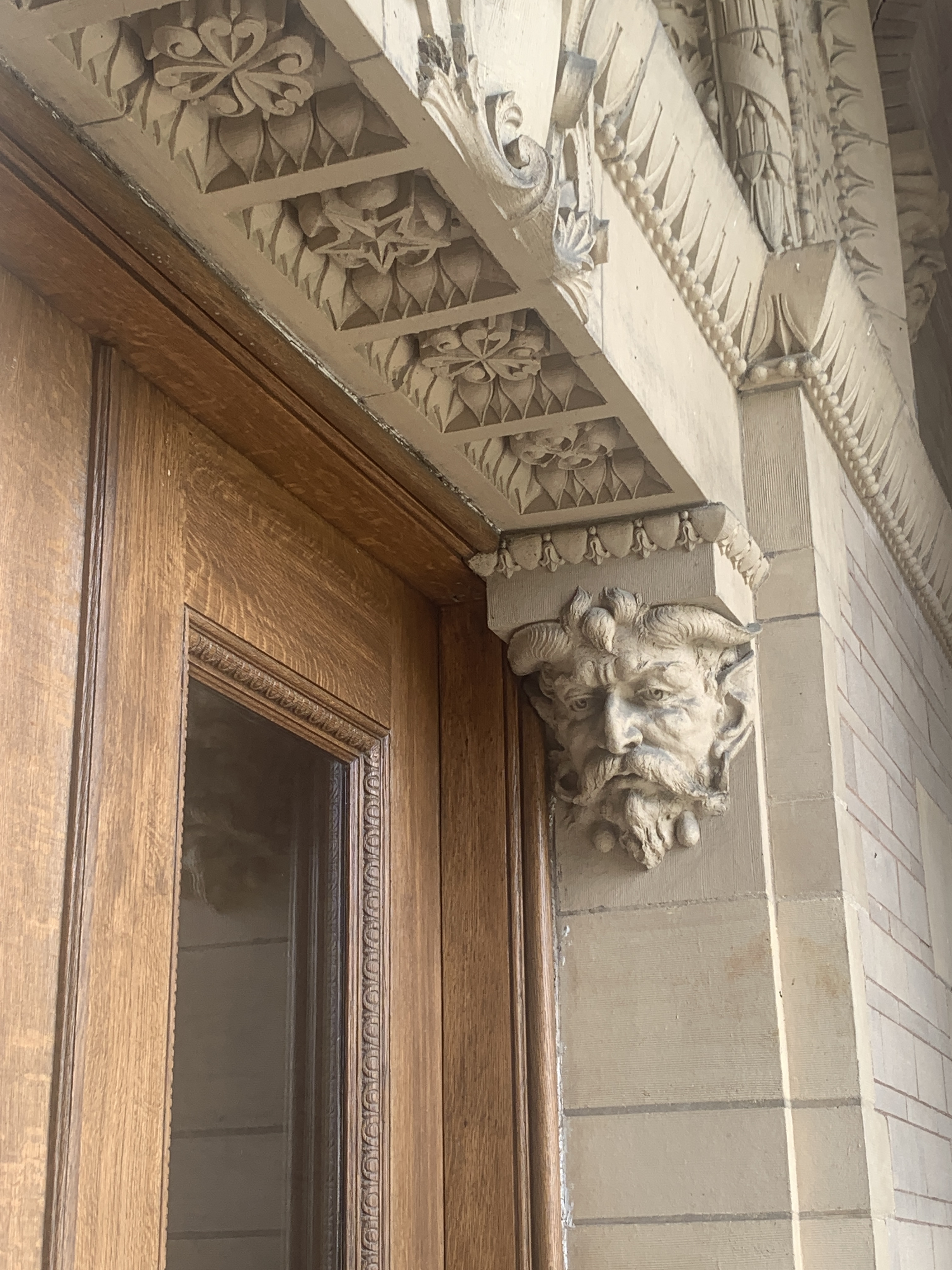
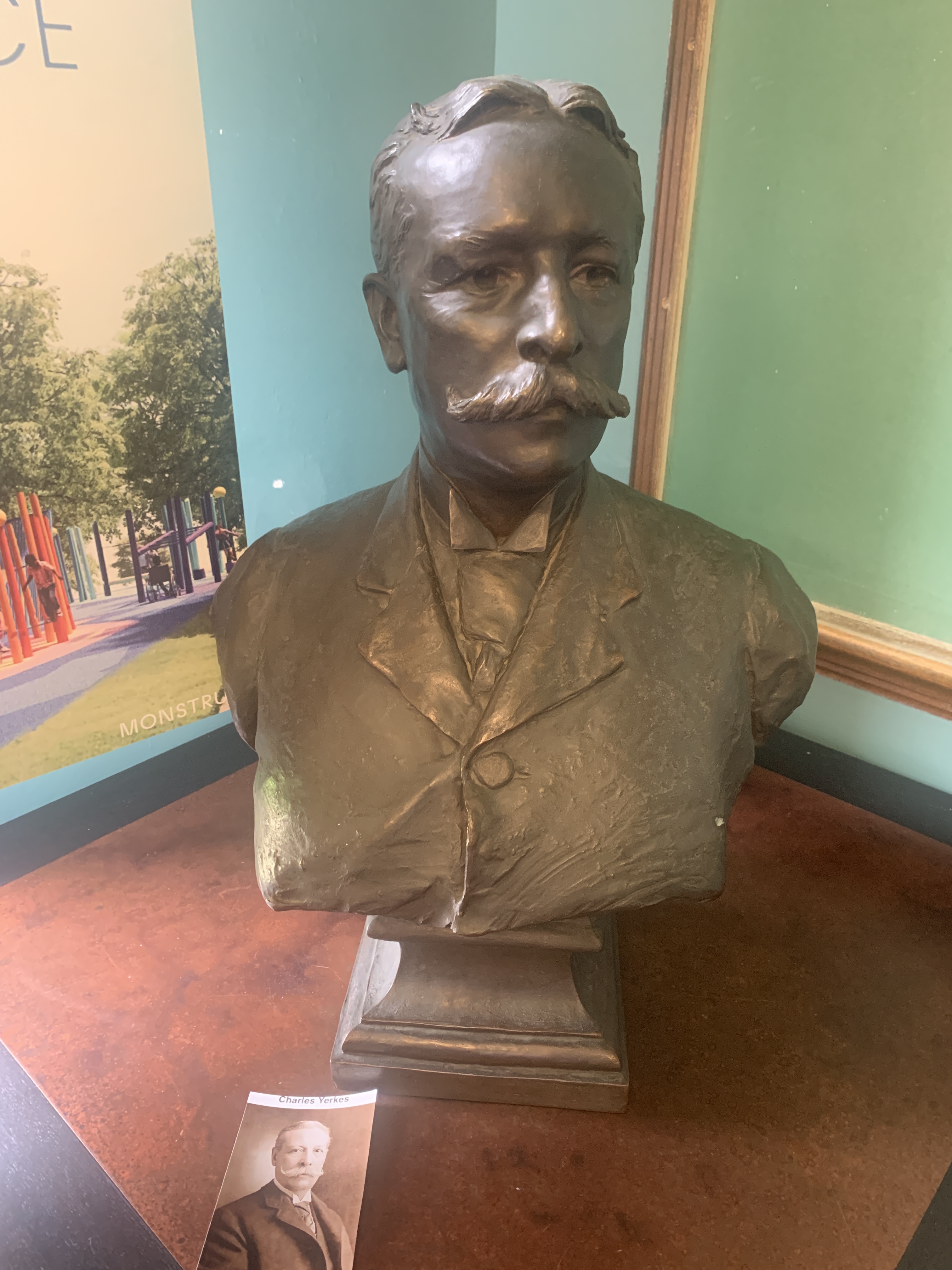
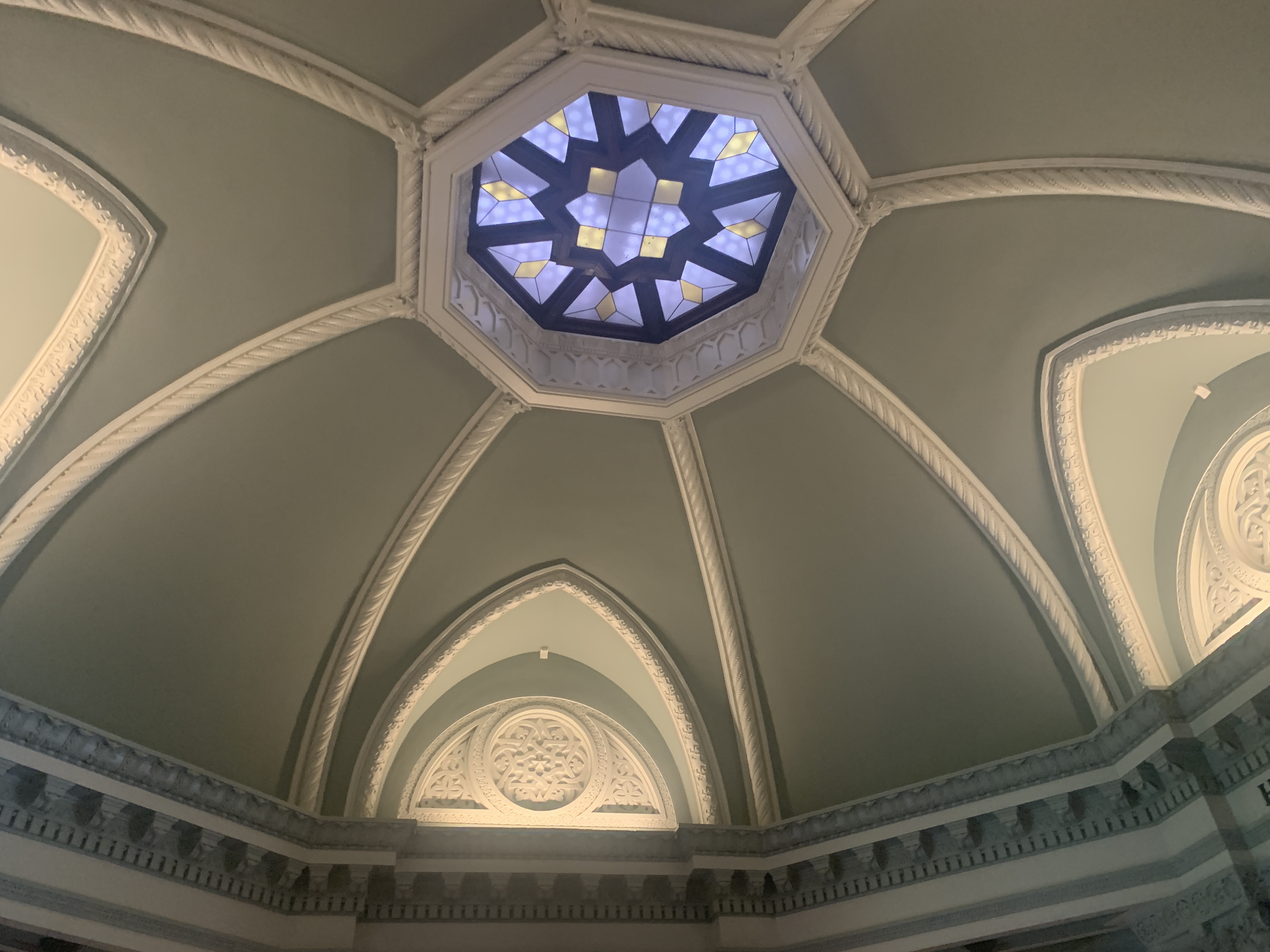
But what was so fantastic and worthwhile about visiting Yerkes Observatory is realizing it’s much more than those two facts and draws. It’s the story of a local community coming together to save the Observatory after the University of Chicago looked to offload it (and a developer wanted to build on the plentiful acreage) in 2018. Thankfully, the University of Chicago donated the historic facility and 50 surrounding acres to the Yerkes Future Foundation two years later. Yerkes Observatory is also about the unique architecture of the building itself featuring lions and other creatures, as well as caricatures of John D. Rockefeller and the namesake of the observatory, as the two philanthropists who helped jumpstart it. With that architecture, as our tour guide noted, on one hand, walking upon and into Yerkes Observatory feels almost religious, ironically, because of how ornate and stately it all is, but then there is also the caricatures of Rockefeller and Yerkes to behold. I’m also tickled by the fact that the famous Olmsted Brothers firm, founded by Frederick Law Olmsted, who designed New York City’s Central Park, planned the 50 acres surrounding the observatory. Speaking of the tour guide, he was one of the best I’ve ever had, owing to his boyhood wonder of science that bled over into working at Yerkes, his evident passion and knowledge, and his kindness. He is the one who made this important point about Yerkes that is also part of the Yerkes story: while it is neat to boast about Albert Einstein visiting, look at the group photo that includes Einstein:
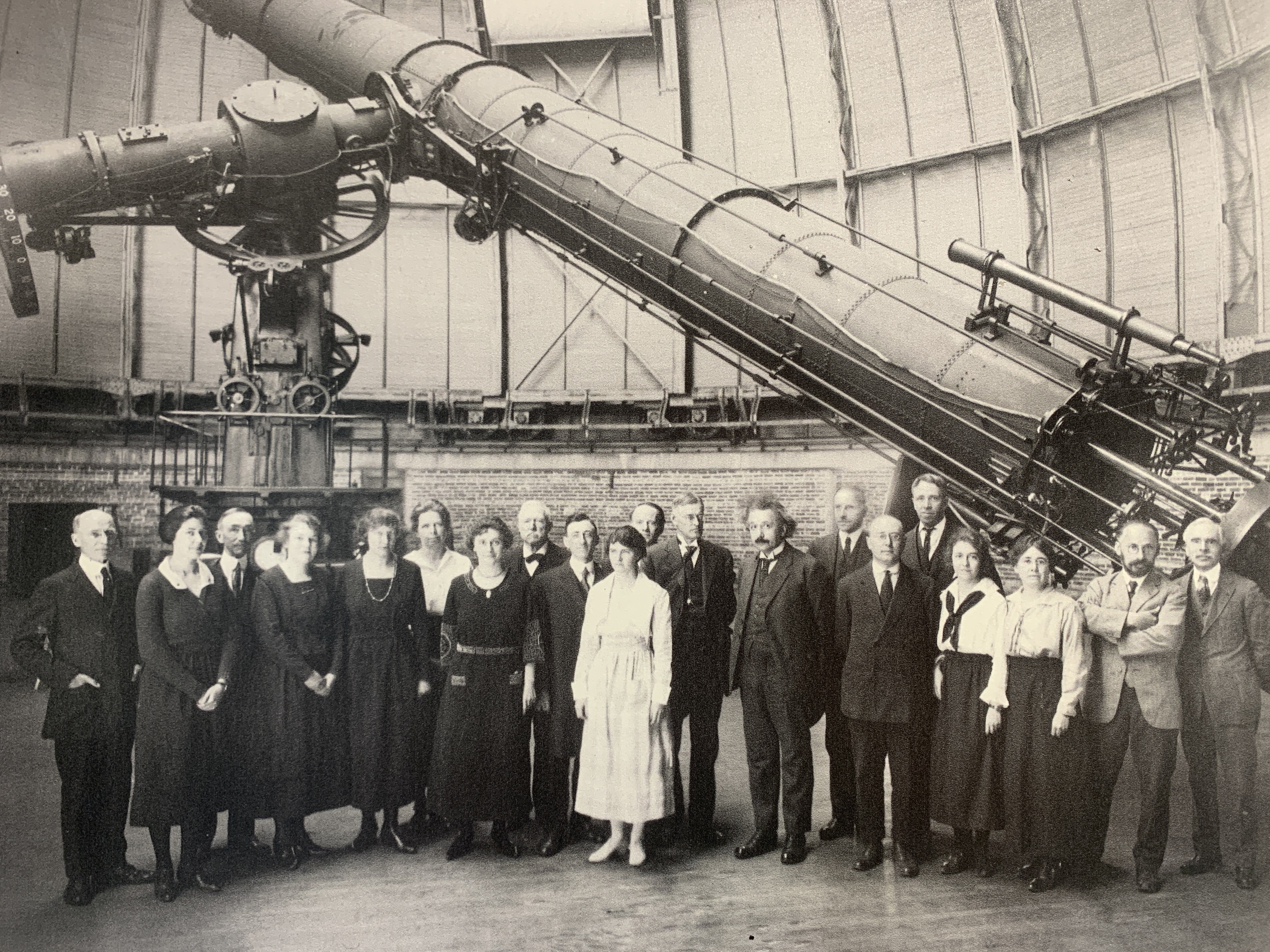
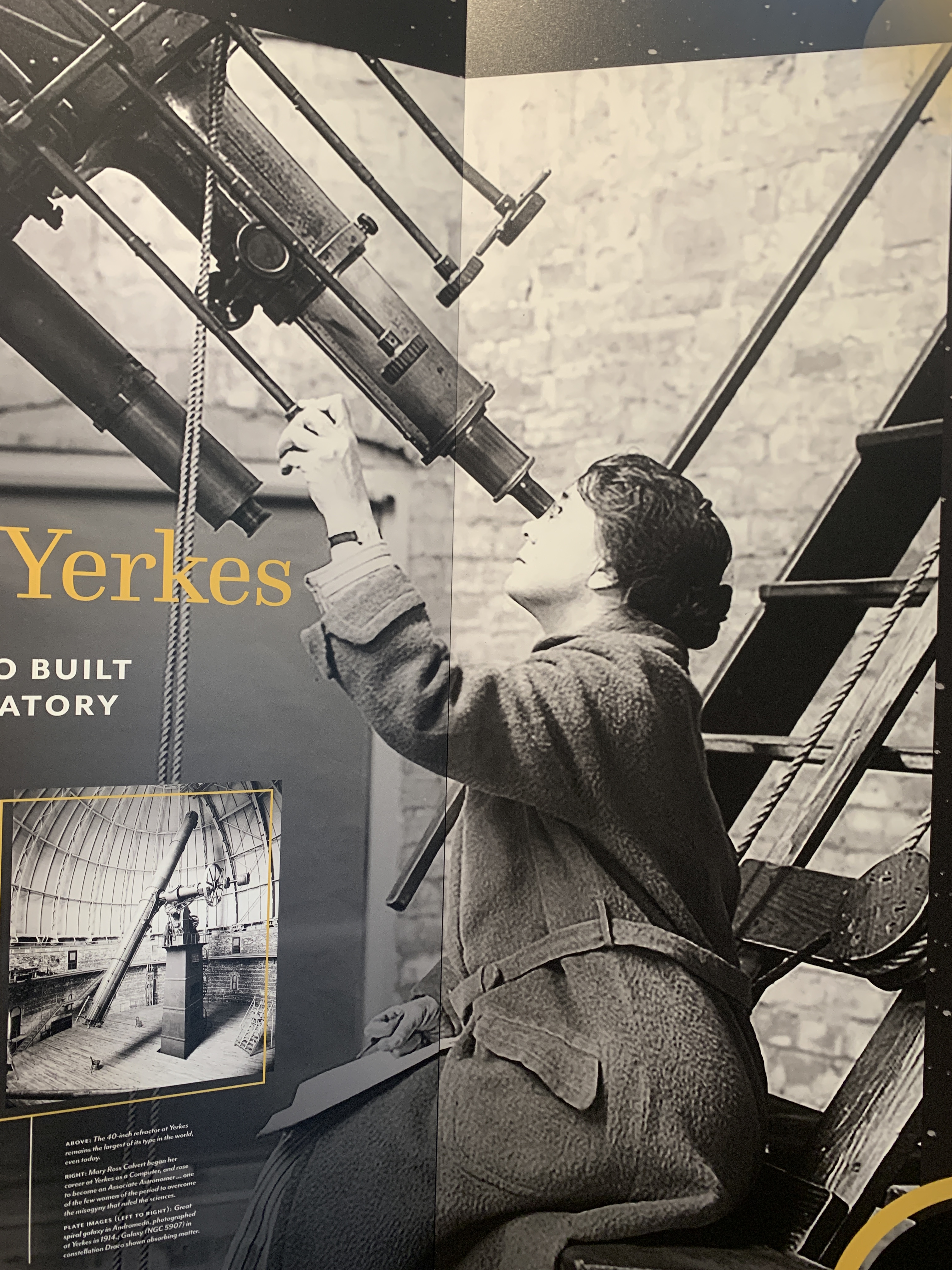
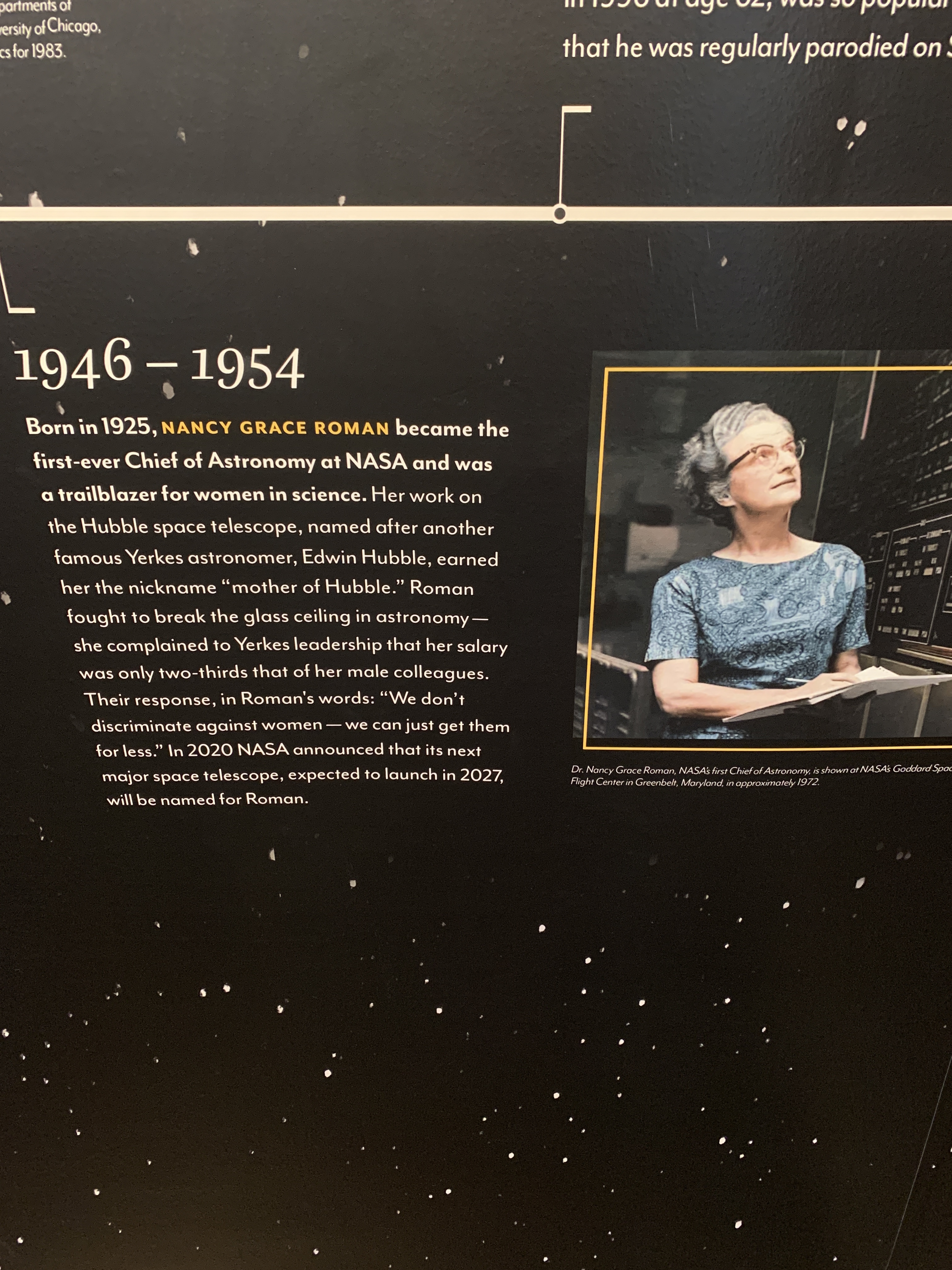
What do you notice? The women! Eight women. Virtually unheard of at the time, especially the opportunity to actually use the telescope. One of the directors of the Observatory, Edwin Brant Frost (1905-1932), was a suffragist and believed in giving women the opportunity to work at and be graduate students of Yerkes Observatory (although equal pay and status lagged behind). Among the notable women to come out of Yerkes Observatory is Nancy Grace Roman, the “Mother of Hubble,” so nicknamed for her pioneering leadership role in NASA. In fact, next month, NASA is launching the Nancy Grace Roman Space Telescope, which has a view at least 100 times larger than Hubble’s!
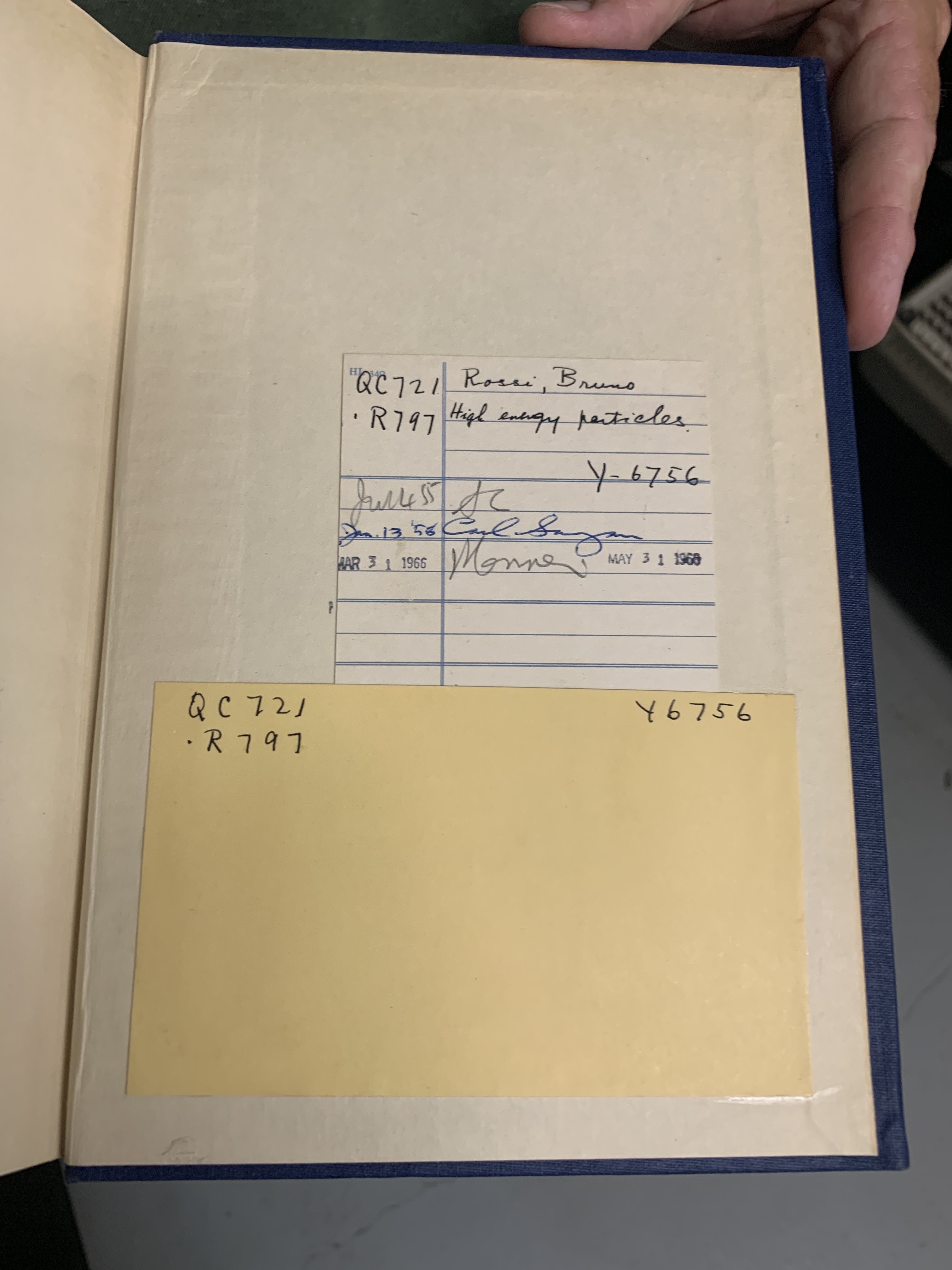
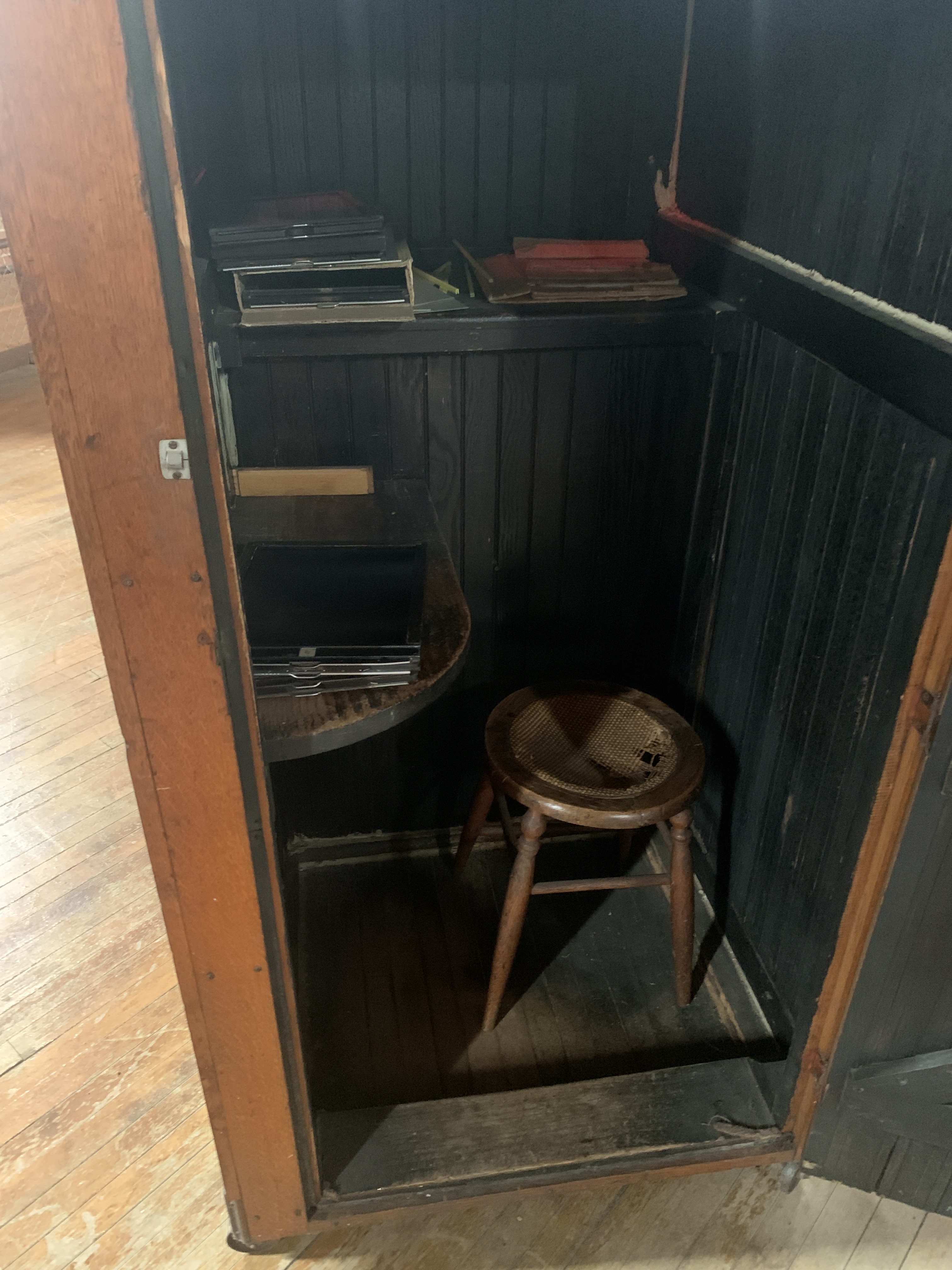
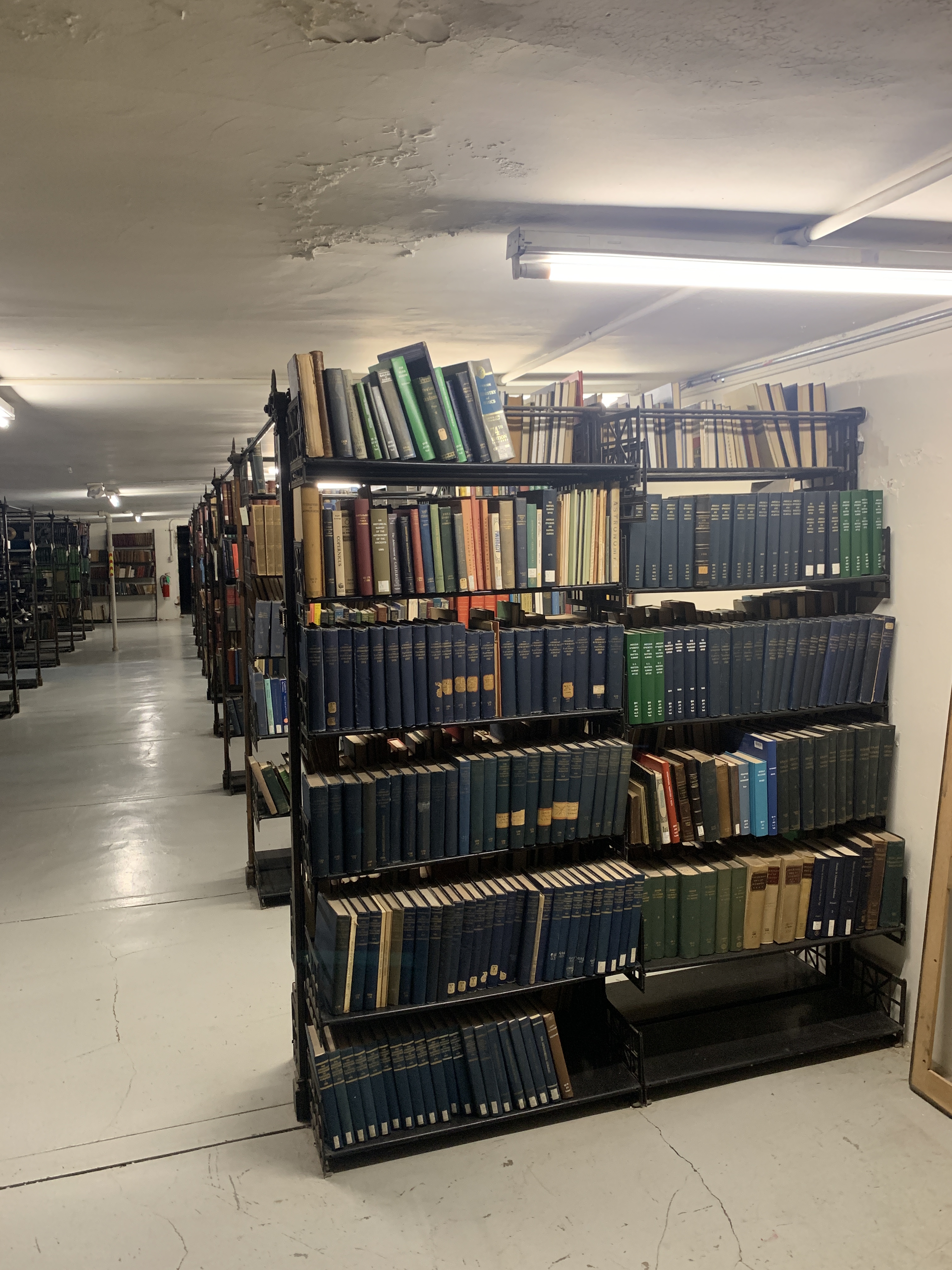
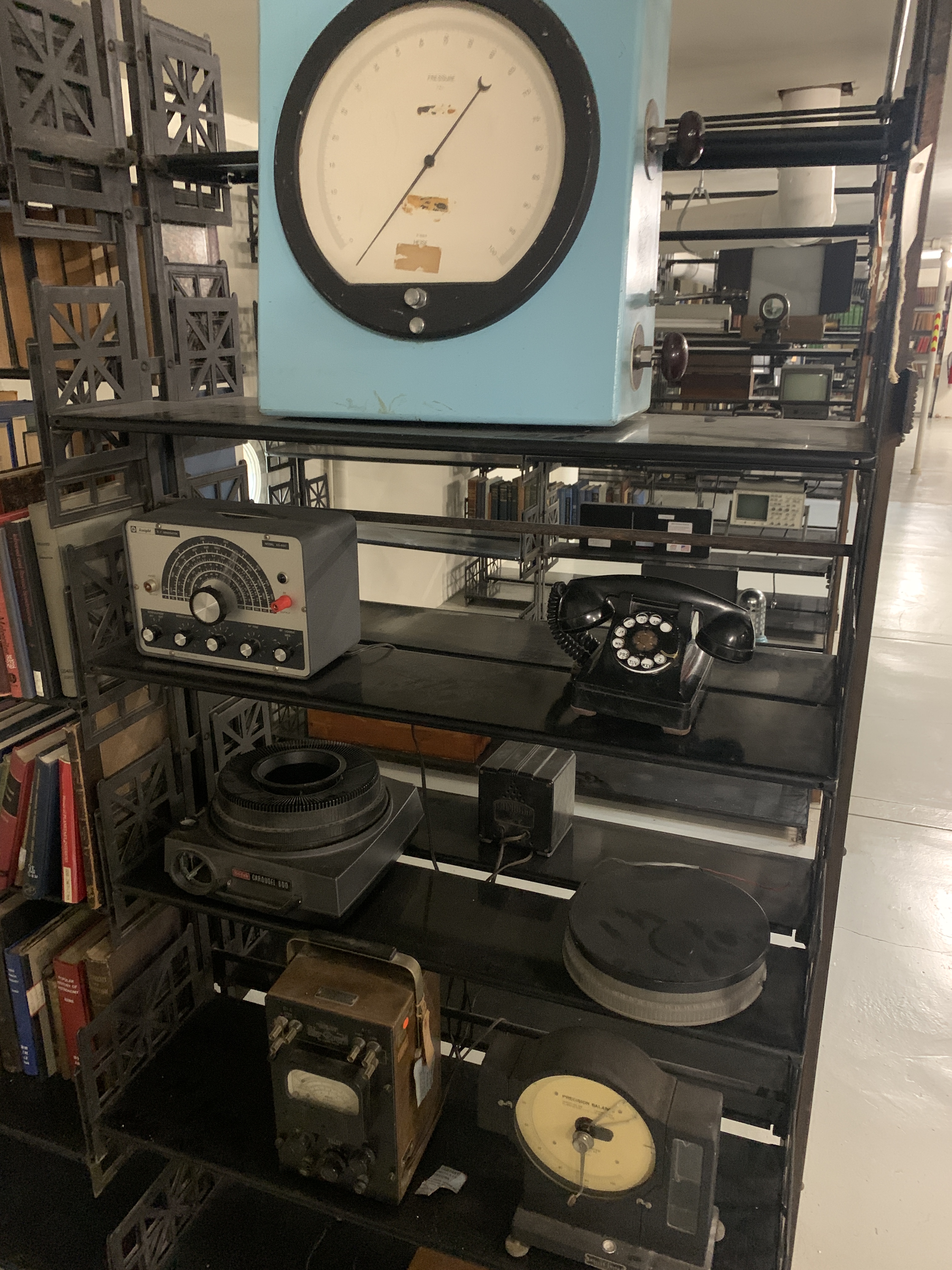
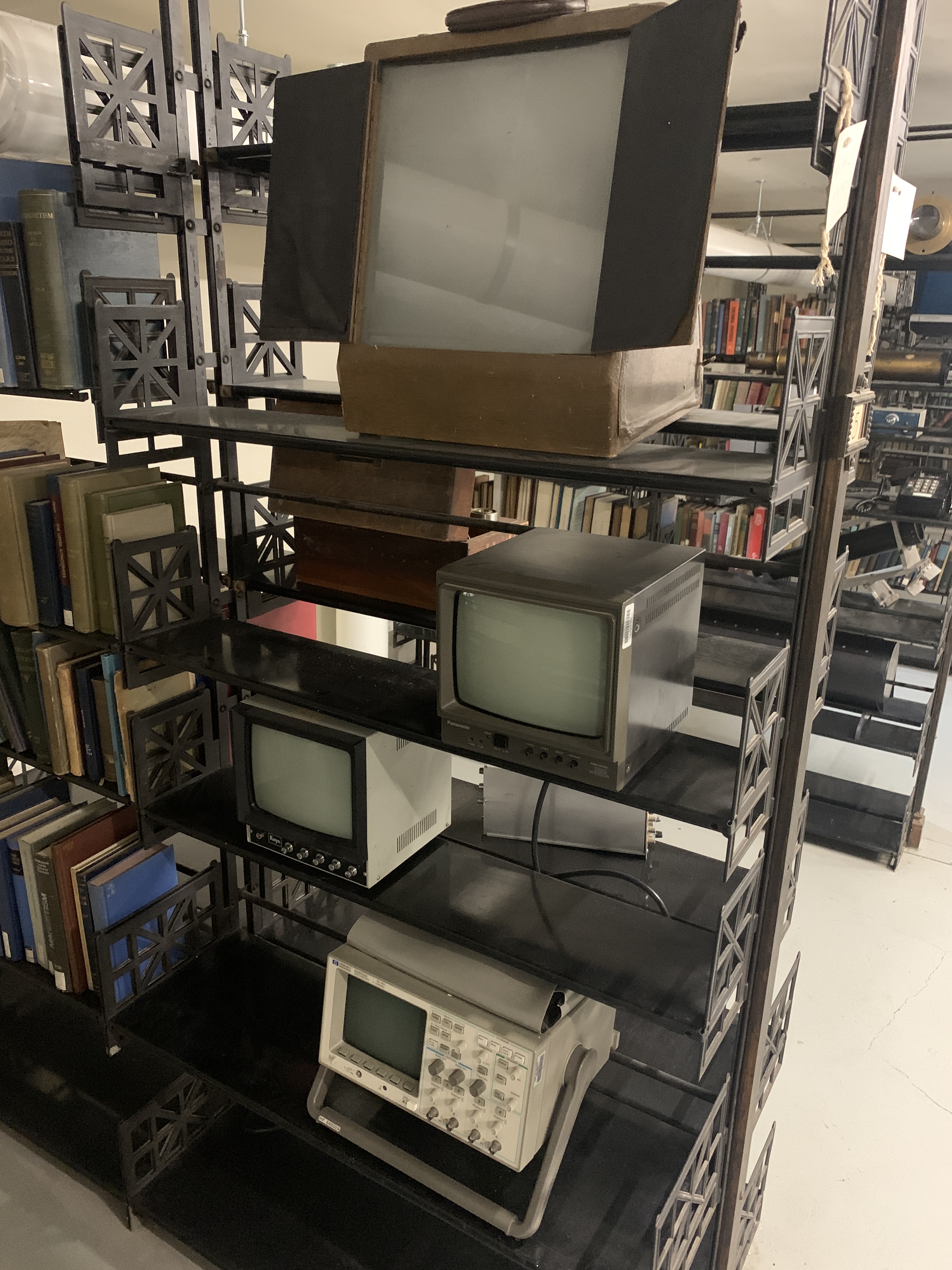
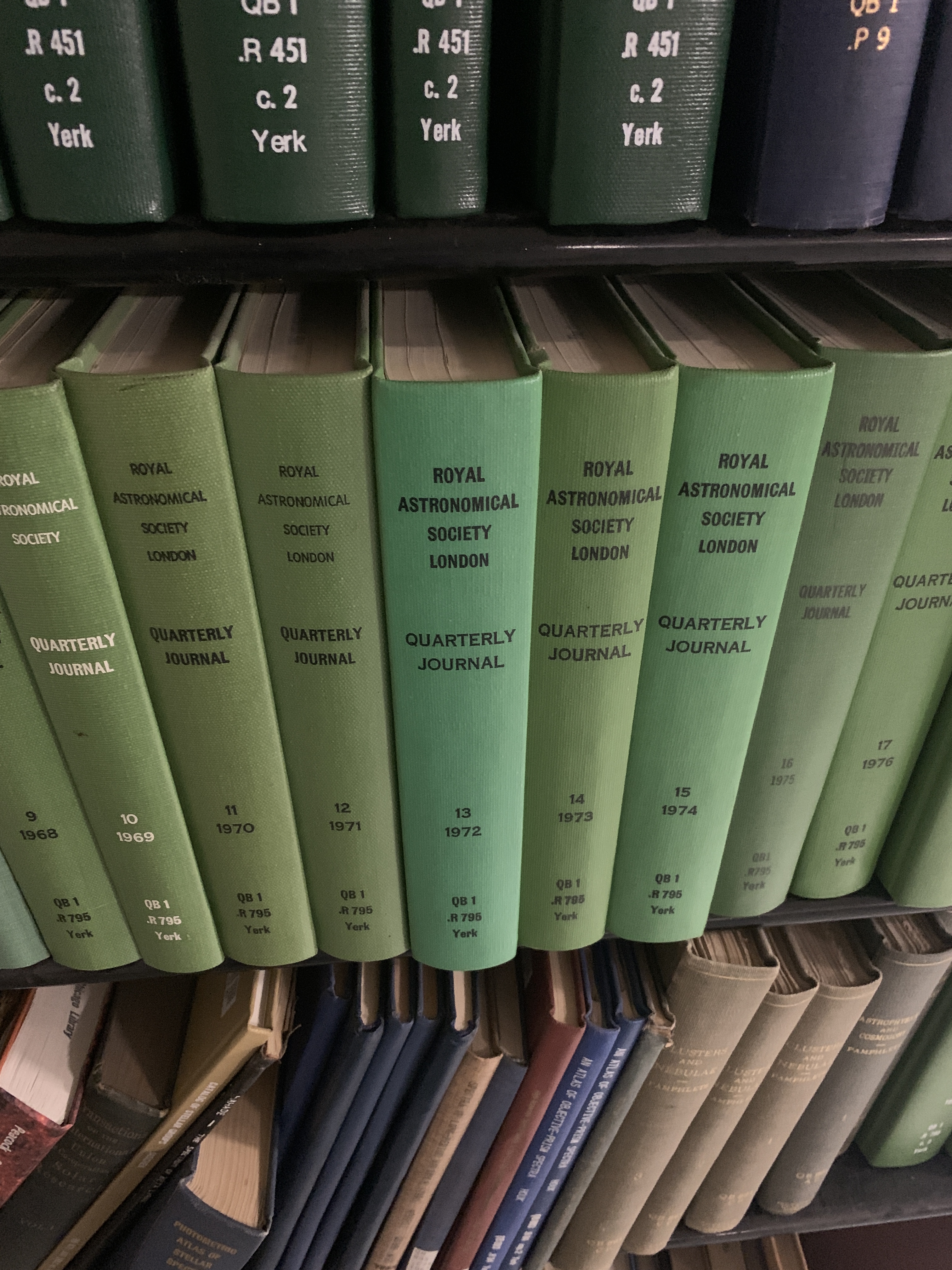
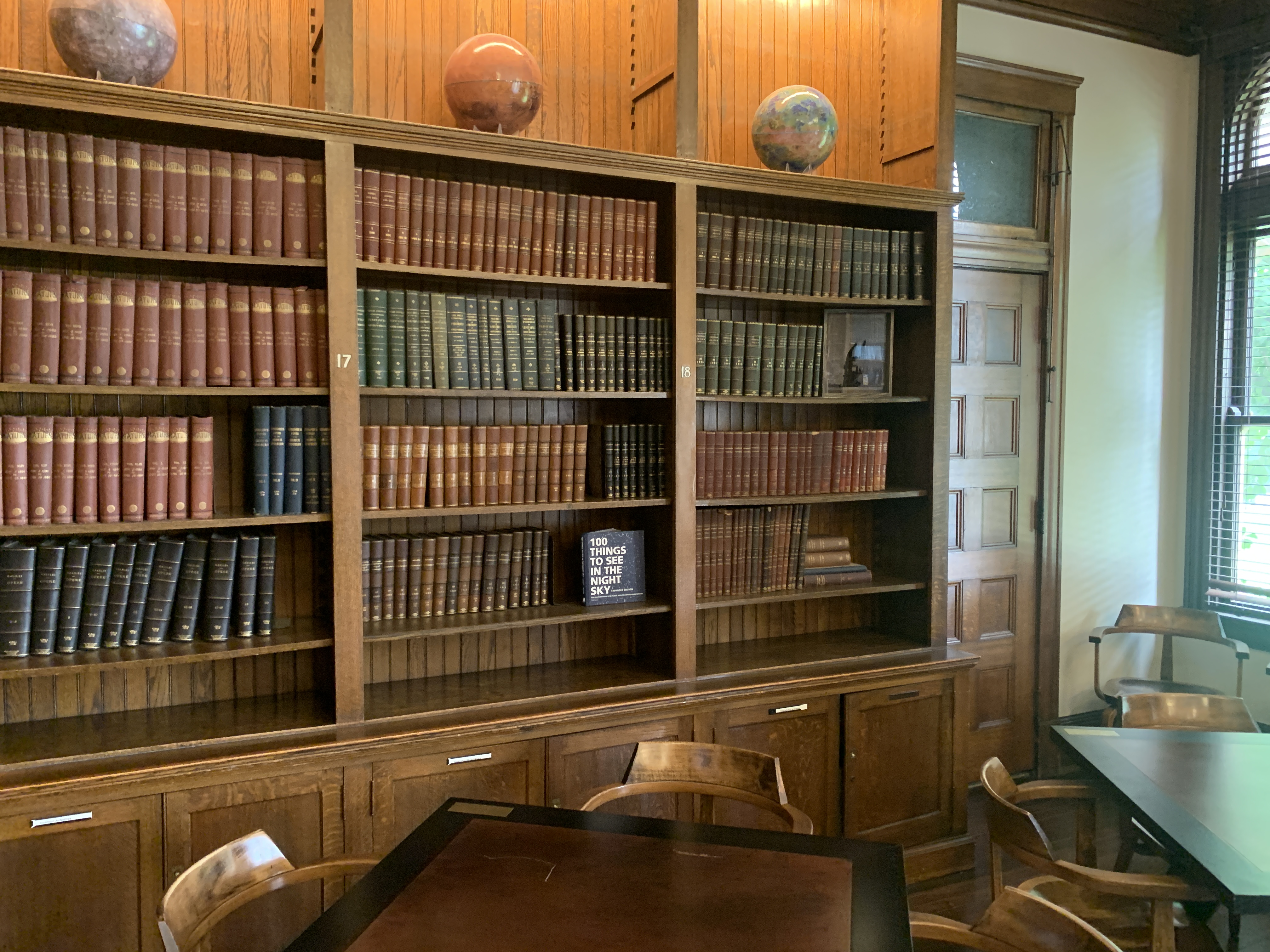
It was so humbling to walk in such a space, where geniuses of the past studied, researched, learned, and gazed into the far reaches of the universe. One of those giants was Carl Sagan. Thanks to the old library card catalogue system, Yerkes Observatory can pinpoint exactly who researched and checked out books. Sagan was one of them:
Of course, seeing the telescope itself was impressive and awe-inspiring. Again, I marvel at humans being able to create the mechanisms by which to study the stars. The mechanical engineering necessary to even use the telescope is also impressive. Because there’s no way for the average human to see through the eyehole of the telescope, and ladders are inadequate (and wouldn’t be comfortable for long stretches of time anyhow), they built the world’s largest passenger elevator in North America. The wooden floor is 75-feet in diameter and can raise or lower 23 feet. We had the opportunity to experience what that looks like:
Also of note that I couldn’t help but analogize to: the dome where the telescope is housed reminded me of a high school gym locker room, that almost musty-ish smell. That is intentional per se. To ensure that the astronomers are seeing accurate, clear images, it needs to be the same temperature inside the dome as it is outside the dome, so there’s no sort of climate control within the dome.
(One notable thing I did not do was hike around the grounds, which you are allowed to do for free. The area recently experienced a storm and the trails weren’t in the best conditions.)
Yerkes Observatory is well-worth the price. I mean, the tour lasted about two and a half hours, which felt very generous to me!
So, if you’re visiting Lake Geneva for the summer, you gotta go 20 minutes out of your way to see Yerkes Observatory. For the science! For the architecture! For the female empowerment of it all! Because it’s cool. Like how I thought my Lincoln site visits in Springfield, Illinois also served as a joyful ode to the power of history and historians, Yerkes Observatory will leave you feeling like you just received a joyful ode to the power of science and scientists.





Awesome! 😎 My backyard! Love and Light God Bless ❤️✨🙏💯📚👀
LikeLike